

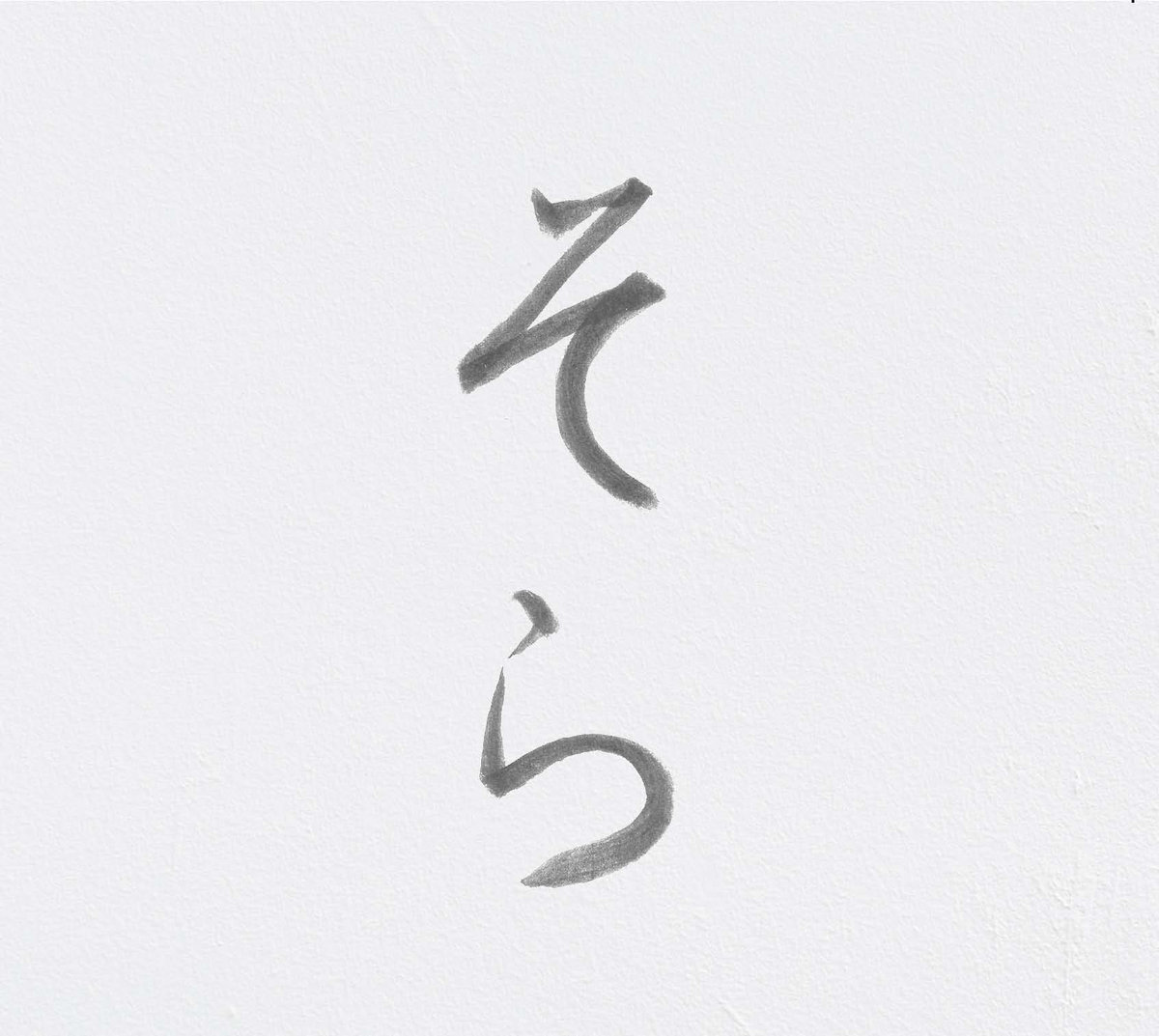
Tamio Shiraishi: Sora

Sky, the sleeve insists. A promise of lift, blue, vapor, and horizon. Yet the sound arrives caked in soil, fingernails packed with loam, lungs full of iron filings. Sora speaks upward only to burrow downward. The heavens here feel subterranean, a firmament made of shale and pressure.

Seven pieces, titled with the Japanese equivalent of “A, B, C, D, E, F, G,” as if language has been stripped to scaffolding and left in a field to rust. Tamio Shiraishi treats the saxophone less as an instrument than excavation device. He does not play notes. He drills, siphons, and fractures. Two dialects coil around each other through the record, twin serpents sharing a single ribcage.

The opening shriek is a filament of sound stretched past mercy. It reads as violence at first contact, yet something in its extremity resembles benediction. A tear across the canvas of listening. One learns more about oneself in the flinch than in the pitch itself. Inside the cavern of ISSUE Project Room, Shiraishi lowers the bell into the dark and hoists up tones so narrow they resemble slivers of light under a locked door. Microintervals shimmer like insects trapped in amber. The saxophone forgets its lineage and becomes a wind tunnel lined with nerves.

These pieces graze the border of audibility. They do not ask to be heard in the usual sense. They haunt the periphery, collecting the chaff of abandoned frequencies, gleaning scraps from farms long since swallowed by dust. Listening turns agricultural. One reaps what the wind has misplaced.

Five subsequent tracks emerge from Thousand Caves in Queens, the studio name alone a premonition of the sonic ores being mined therein. Electronics enter as a brutal accomplice. Reverb collapses into something closer to bone. The altissimo still cuts deep, though now it presses against the ear with intimate insistence, breath fogging the glass between body and speaker. Interventions of wire, distortion, and circuitry feel extra-corporeal, as if the saxophone has grown a second spine made of copper.

There are moments that detonate in miniature, pocket-sized cataclysms recalling the scorched density of Merzbow yet compacted into pellets. They surge without regard for comfort. A geyser with no interest in its spectators. In response, Shiraishi dips into sub-tone murmurs, wind turned inward, a heat that grazes the skin from beneath. Air becomes flame, cheeks raw from its lick.

Even the brief shortest piece carries a gravitational pull, dense as a star imploding in private. It circles itself, a bird trapped inside its own dream of flight, wingbeats echoing until the sky folds and the ground rushes up like an answer.

The final track returns to reverberant space, though not as repetition. More like a figure tracing its outline in ash. A search for origin without nostalgia. The sound follows its own shadow, lengthening, thinning, until walking ceases to be possible. Where it falls dead is where it belongs.

Sora is available from Relative Pitch Records here.
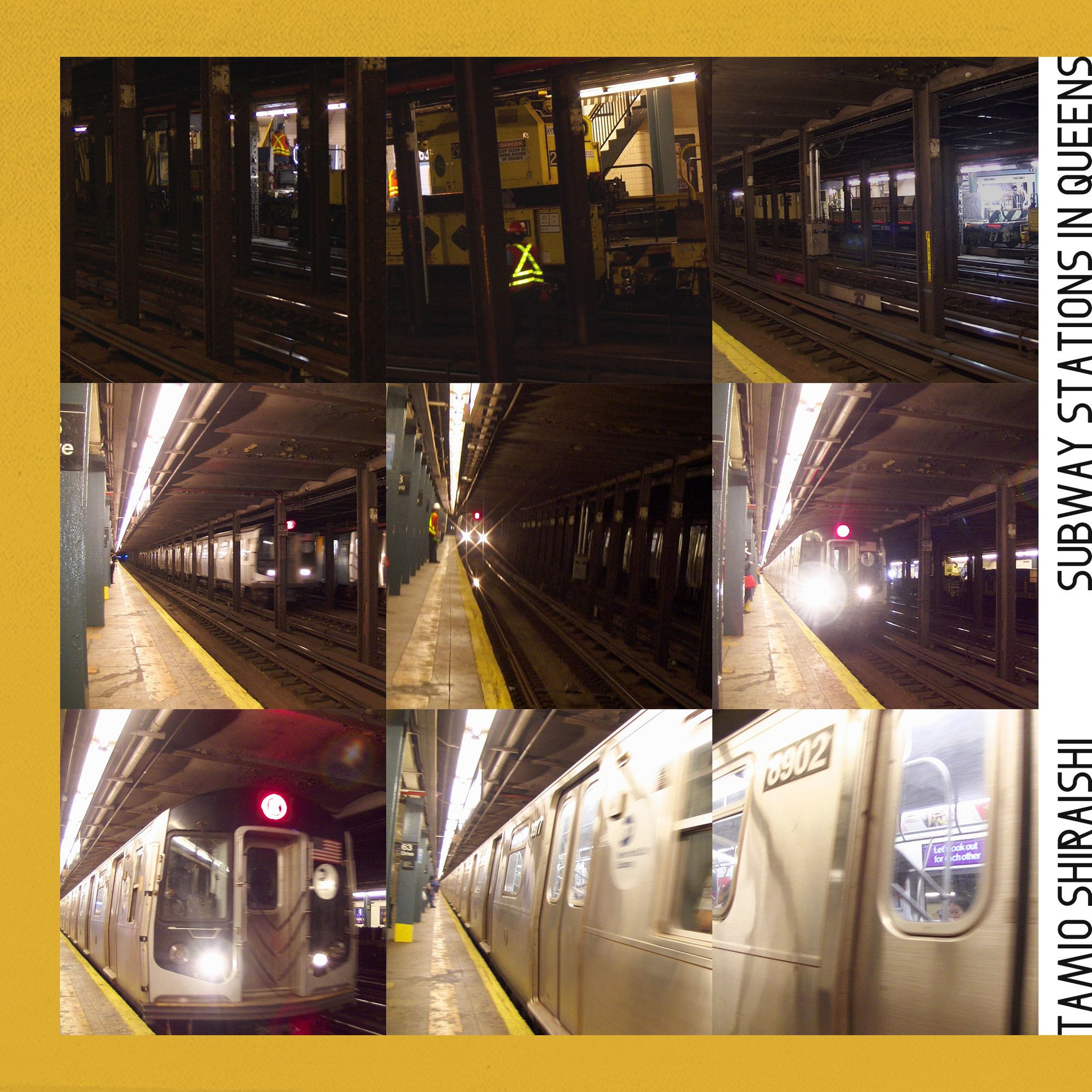
Tamio Shiraishi: Subway Stations in Queens

Japanese saxophonist and underground luminary Tamio Shiraishi has carved out an inimitable niche for himself in the literal underground of New York City, the subway system of which has served as his performance space of choice for three decades. On this release, recorded at 67th Avenue and 63rd Drive in Queens, he burrows into the ear. The stations breathe around him. Trains arrive with the force of verdicts, depart with the hush of unfinished sentences. His altissimo pierces the air, which answers back in drafts and rattles. Steel sings. Concrete keeps count. The MetroCard becomes a tarot card, each swipe a prophecy of descent.

Eight tracks, eight apertures cut into the city’s ribcage. He coaxes something feral from the lockboxes of the psyche, something that refuses to remain archived. What at first feels abrasive becomes a form of acupuncture, needles of tone pricking the skin of habit until sensation floods back into limbs gone numb from routine commute. The ear flinches, then kneels.

His high register does not merely squeal. It drafts a constitution for frequencies that have never been granted citizenship. The tiled corridors convert into echo chambers of civic unrest. Flesh recedes. Circuits awaken. The saxophone becomes a filament glowing against the damp. Sound migrates through the tunnels like current searching for a body.

There are moments when the instrument bucks against the machinery, a caged voltage refusing containment. He wrestles the rails for jurisdiction over the present tense. Each cry is a summons. Each tremor a subpoena. The heart hears what the ear resists. This is not noise as nuisance. It is noise as notice. A reminder that beneath every timetable lies a graveyard of cancelled futures.

Justice flickers in these passages, cracked like ballast underfoot. Announcements collapse into phonemes, then into static, then into a slurry of intention and erasure. Language gets mugged by reverb. Meaning falls between platform and train. Shiraishi lifts it out with breath that feels rationed, precious, almost political in its insistence on continuing.

When he pauses, the silence does not soothe. It gapes. The station inhales with him. In those held breaths, the true ache surfaces. The city reveals its pulse as arrhythmic, tired, still stubborn. The screeching that once felt punitive now reads as prayer. A subterranean psalm pitched past comfort, past compliance.

Direct contact with a passing train ignites him. He answers its thunder with serrated ribbons of tone, midwifing a birth that happens between arrivals and departures. Whether the acoustics bloom or bruise, there remains a cavernous quality to the unfolding. Every note ricochets off tile and bone alike. The more one listens, the more a covert melody materializes, a fugitive tune hiding in plain hearing. What once felt like rupture begins to resemble release.

Toward the end, the textures grow denser, more derailed. Headspace cracks open like a skylight smashed from below. The final track stages a duet between time and space that refuses settlement. Neither wins. Both testify. The saxophone presses its case until the walls sweat condensation.

Then, as another train barrels through, the horn thins, frays, threads itself into the dark seam of the tunnel. The city reclaims its own acoustics. The platform returns to routine. A last filament of tone flickers, rides the rails into blackness, and keeps going, farther down the line, past the map, past the final stop, dwindling into a vanishing point that hums, and is gone.

Subway Stations in Queens is available from Café OTO here.