

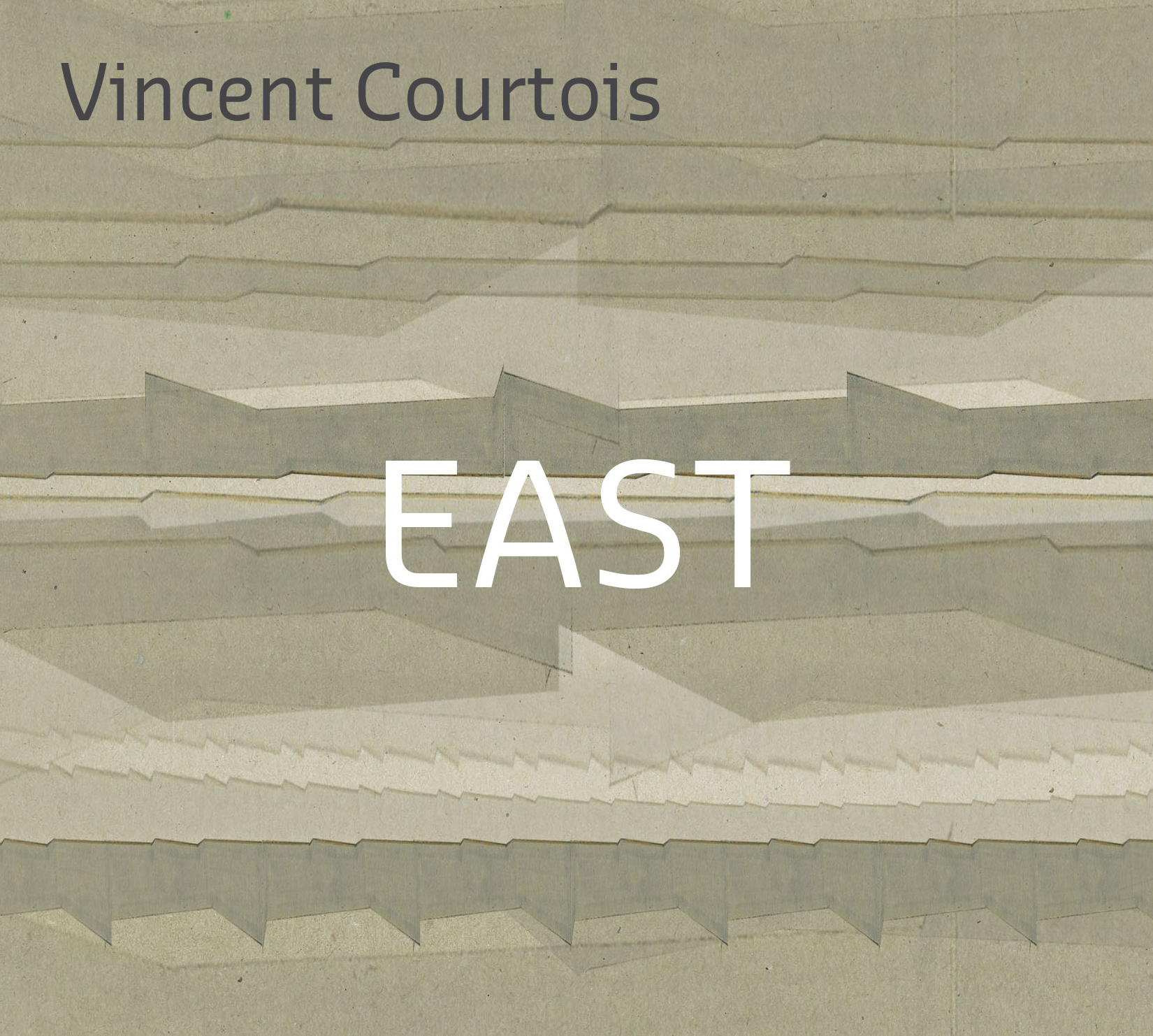
Vincent Courtois cello
Mixing: Gérard de Haro at La Buissonne Studios
Mastering: Nicolas Baillard at La Buissonne Studios
Production: Gérard de Haro and RJAL for La Buisonne & La Cie de l’Imprévu
Marketed in cooperation with ECM Records
Release date: November 12, 2021
Although cellist Vincent Courtois is best known in jazz circles, his musical imagination was founded in classical discipline at the Conservatory of Aubervilliers. When the early days of the pandemic suddenly suspended ordinary time, he found himself alone with an instrument, a room, and a long-held desire to confront the monumental solo repertoire of the 20th century. This album is a chronicle of that isolation, a record of inward motion that gradually widens into something like spiritual travel.
Arthur Honegger’s rarely heard Paduana opens the program with a plunge into the cello’s subterranean depths. From that darkness emerges a voice at once grounded and restless, searching for a horizon it can almost taste. Courtois draws a tone that feels inhabited, a living current that runs beneath every phrase. The music breathes, pauses, and advances with a quiet inevitability.
Hans Werner Henze’s nine-part Serenade follows like a gallery of shifting faces. Each movement appears to illuminate another angle of an elusive figure as it comes into being. The central Vivace flares with kinetic brilliance, as if the music were hammering itself into form before our ears. Courtois moves effortlessly between bowed intensity and fleeting pizzicato gestures, revealing how much freedom resides in precision.
Krzysztof Penderecki’s Per slava begins as a whisper that refuses to remain small. Taut double stops hover in an uneasy suspension, suggesting a soul momentarily detached from its body. As the piece unfolds, sorrow gathers weight without ever softening into consolation. Courtois describes its difficulty as “a seemingly unclimbable mountain.” Yet his ascent feels less like a conquest than a patient persistence that carries him to the summit.
That hard-won clarity leads naturally into György Ligeti’s Sonata for Solo Cello. The opening slides glint with a folkish warmth before the music accelerates toward the incandescent Capriccio, where exuberance becomes almost ecstatic. The performance vibrates with alertness, every gesture sharpened by joy. Luciano Berio’s Les mots sont allés, built from the letters of dedicatee Paul Sacher’s name, follows as a kind of celebratory labyrinth. Its variations rub against one another until friction turns to flame.
Paul Hindemith’s Cello Sonata then arrives with immediate authority. From its first gesture, it strides forward rather than wanders. Courtois lets the music declare itself with unshakable resolve. Texture accumulates, yet the line never fractures.
The album ends with Dominique Pifarély’s pour Fernando Pessoa, a work of quiet turbulence. Tender passages give way to veiled unease. Courtois shapes its twists with restraint, allowing mystery to remain intact. What lingers most is not technique, however adventurous, but the sense of an instrument speaking plainly across time. These works belong to an era when the cello still carried the burden of narrative, capable of song, proclamation, and inner confession all at once.
Solitude has not narrowed this music; it has deepened it. In listening, we are reminded that art does not rescue us from isolation so much as reveal what we were always carrying within it.



 Between Sound and Space: ECM Records and Beyond