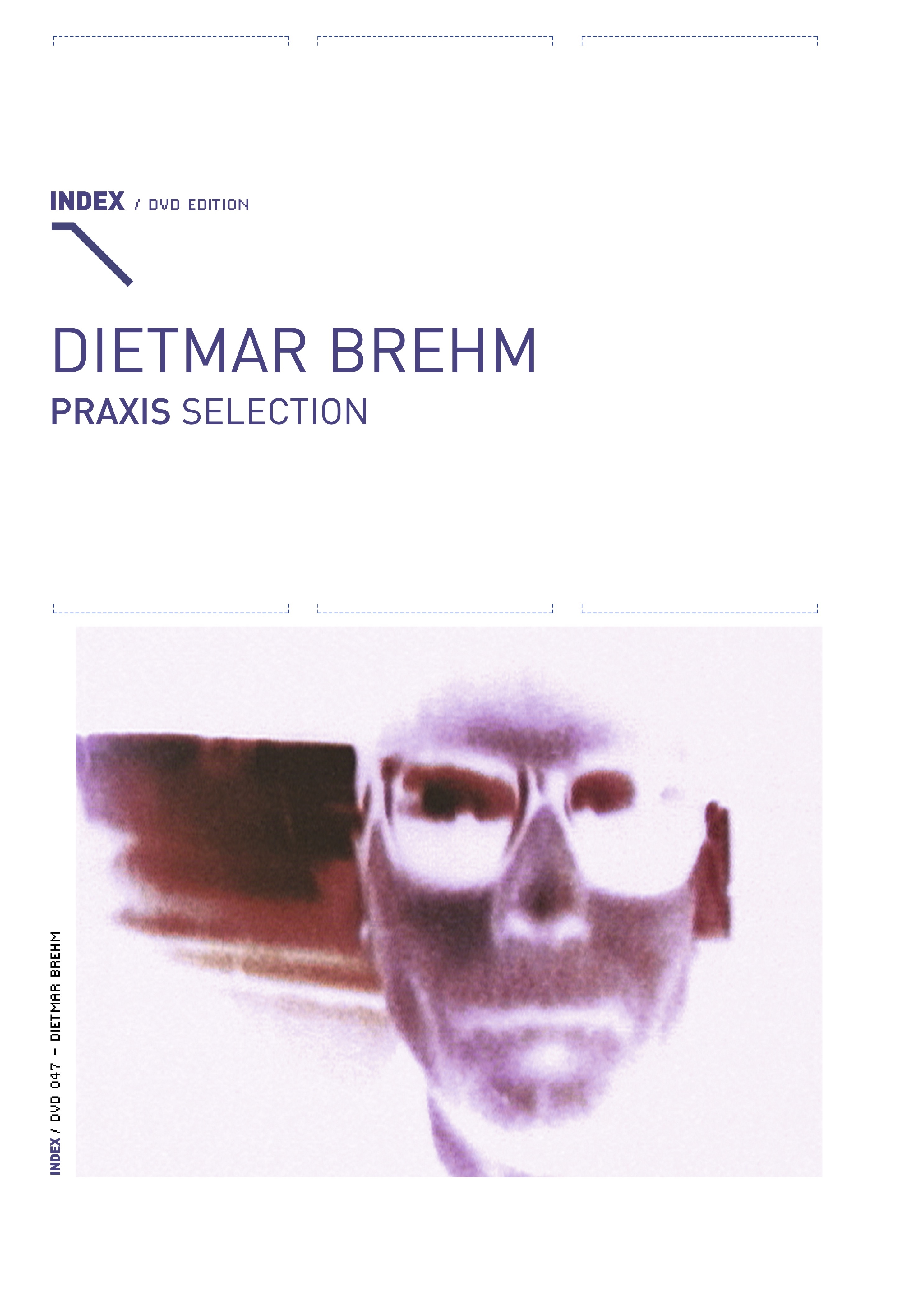
Dietmar Brehm: PRAXIS SELECTION (INDEX 047)

PRAXIS SELECTION feels less like a compilation than an ongoing physiological test, an attempt to discover what images can endure before collapsing into pure sensation. Drawn from the sprawling PRAXIS cycle (2007-2015), these forty pieces, of which the below only touches upon highlights, operate as a catalogue of intensities that never buy into logic. As Stefan Grissemann astutely observes, Dietmar Brehm’s “secular icons irritate precisely because they never reveal their aim, often not even disclosing what is happening in and to them.” They do not point toward meaning so much as enact its very possibility, stripping “praxis” of any political or ideological inheritance in favor of naked dissociation.

Brehm moves from erotic to clinical, from diaristic to abstract, yet each mode is a membrane that can be pierced, stretched, or contaminated. The digital clarity of the later entries is abraded by bumped microphones and the sounds of equipment being dragged, as if the assembler were refusing the illusion of being “hands off.” Even the concluding glyphs that begin to appear are cryptic enough to obscure what precedes them. As our vision is heightened, impaired, and rerouted, we are left caught in the performative residue of it all.
1000 Blitze

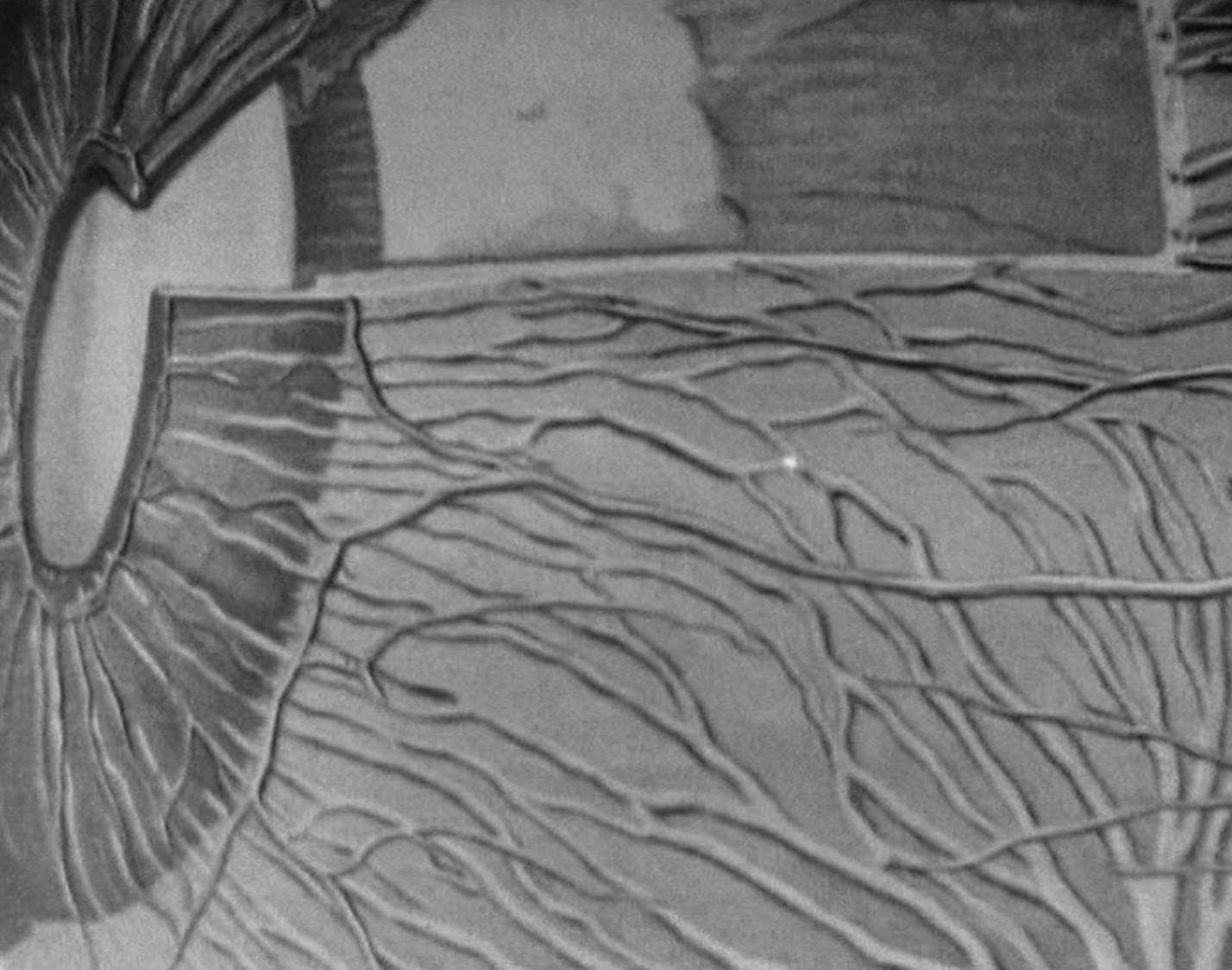
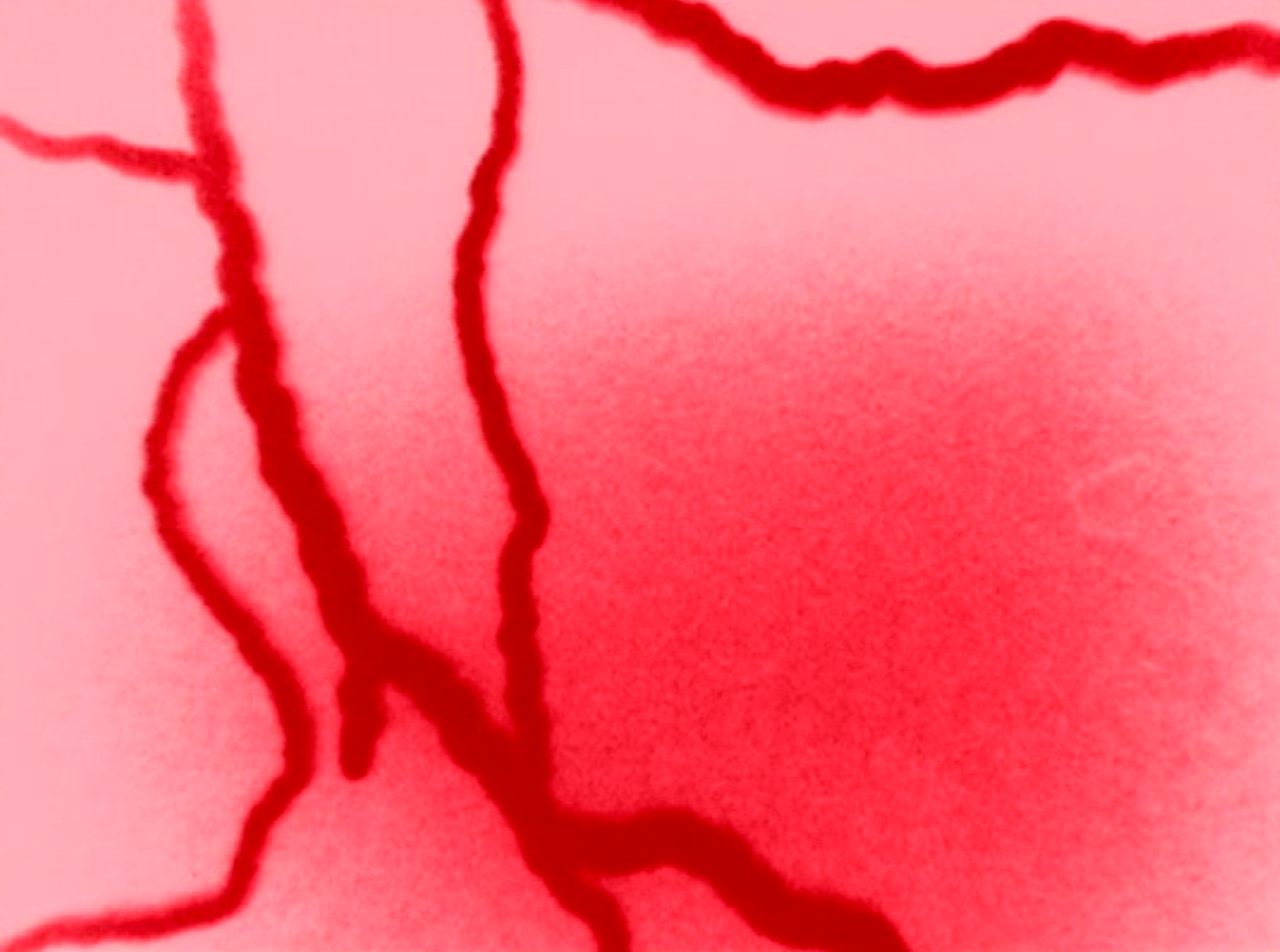
A few distortions of reality serve as anchors for the larger constellation. 1000 Blitze (1000 Bolts) turns lightning into a vascular network, an illuminated anatomy of perception that overwhelms the sensorium. Vision feels compromised yet somehow more acute, as if the eye were seeing its own interior. Himmel (Sky) distills the world into a single fly drifting in an impossible blue expanse while rain murmurs in the soundtrack. The insect is reduced to an atmospheric event, a coherence of sentience within a monolithic field. Here, Brehm demonstrates how minimal stimuli can trigger an almost cosmic alertness.
Übung

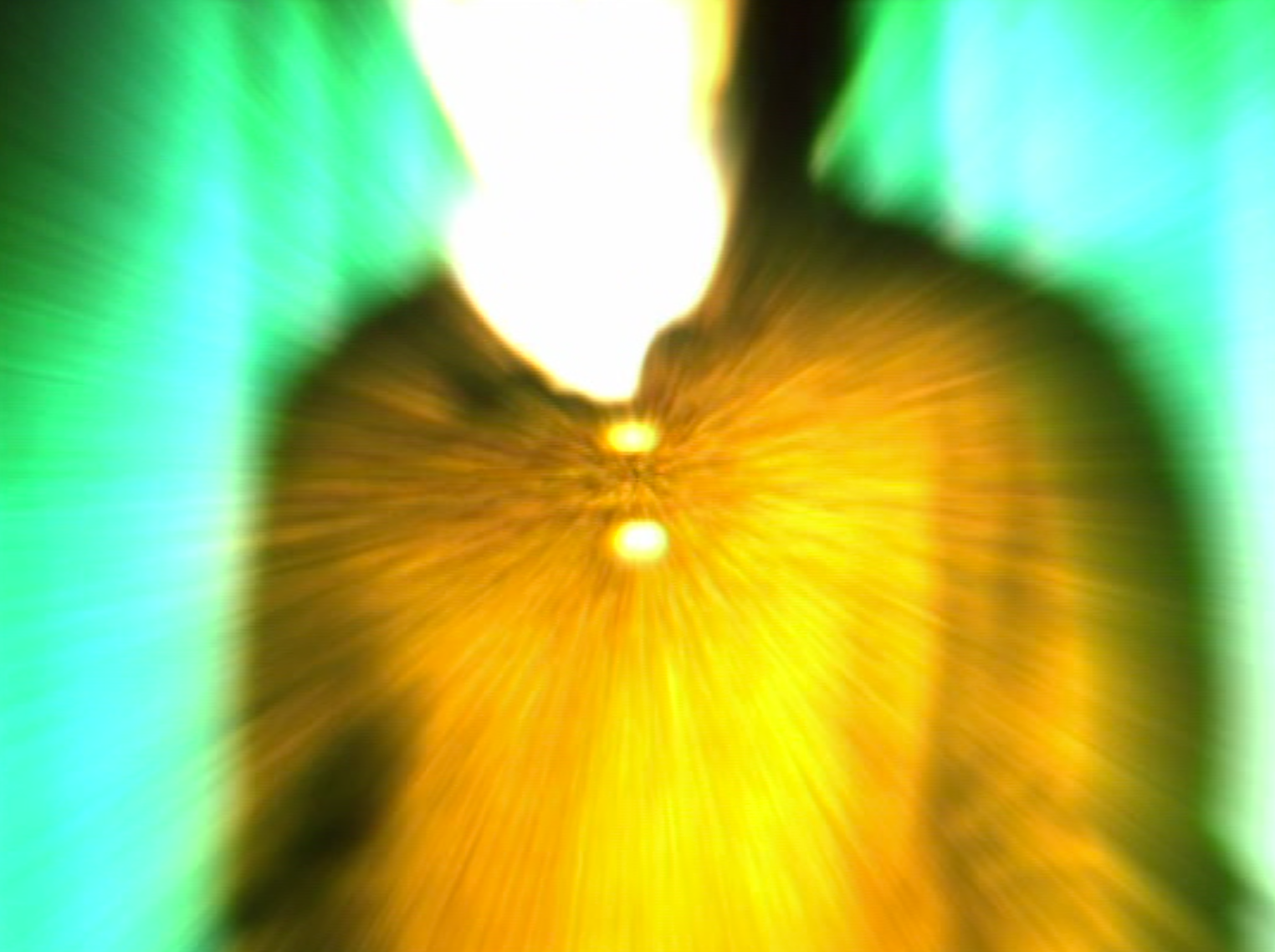
This shift from the microscopic to the elemental reappears in Übung (Exercise), where a figure is thrust toward the camera, lit as if by an emergency sign from within. Strobes slide across sweat and skin until the figure becomes particulate, edging toward ash. Schwarzensee repeats the experience through landscape: bands of colored water glide past while the creak of a rowboat grounds the abstraction in human effort.
Basis pH

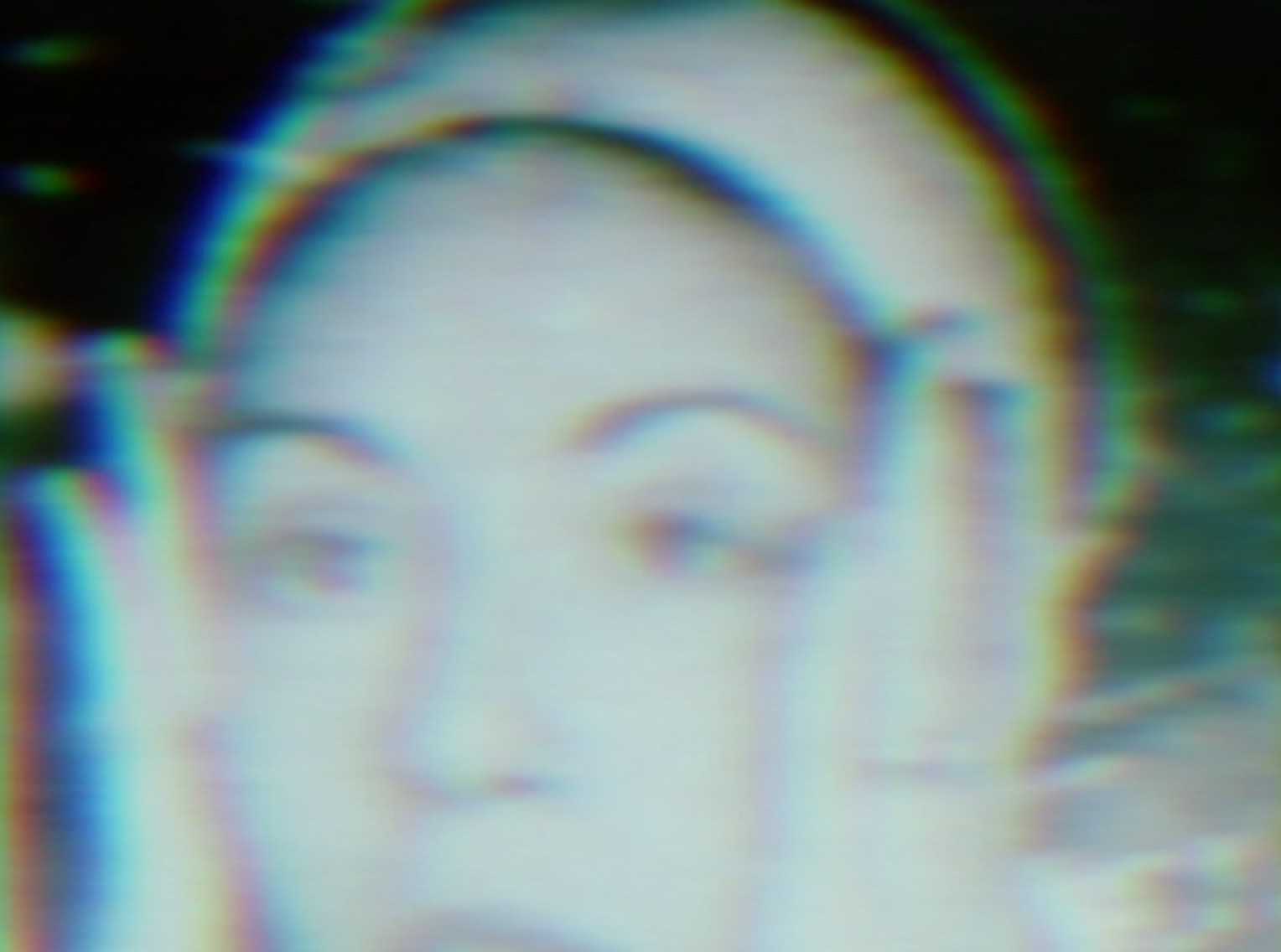
The domestic sphere proves no safer. Vollmund (Full Moon) frames eggs frying, cigarettes burning, Coke bottles bending, and a child’s cheerful “Let’s go,” all glimpsed through a circular aperture that turns the mundane into a pupil of surveillance. In Basis pH, the application of makeup is a study in exposure rather than beautification, as if each gesture were removing a layer of self-protection rather than adding one. It’s the private act as uncertain confession.
Berlin

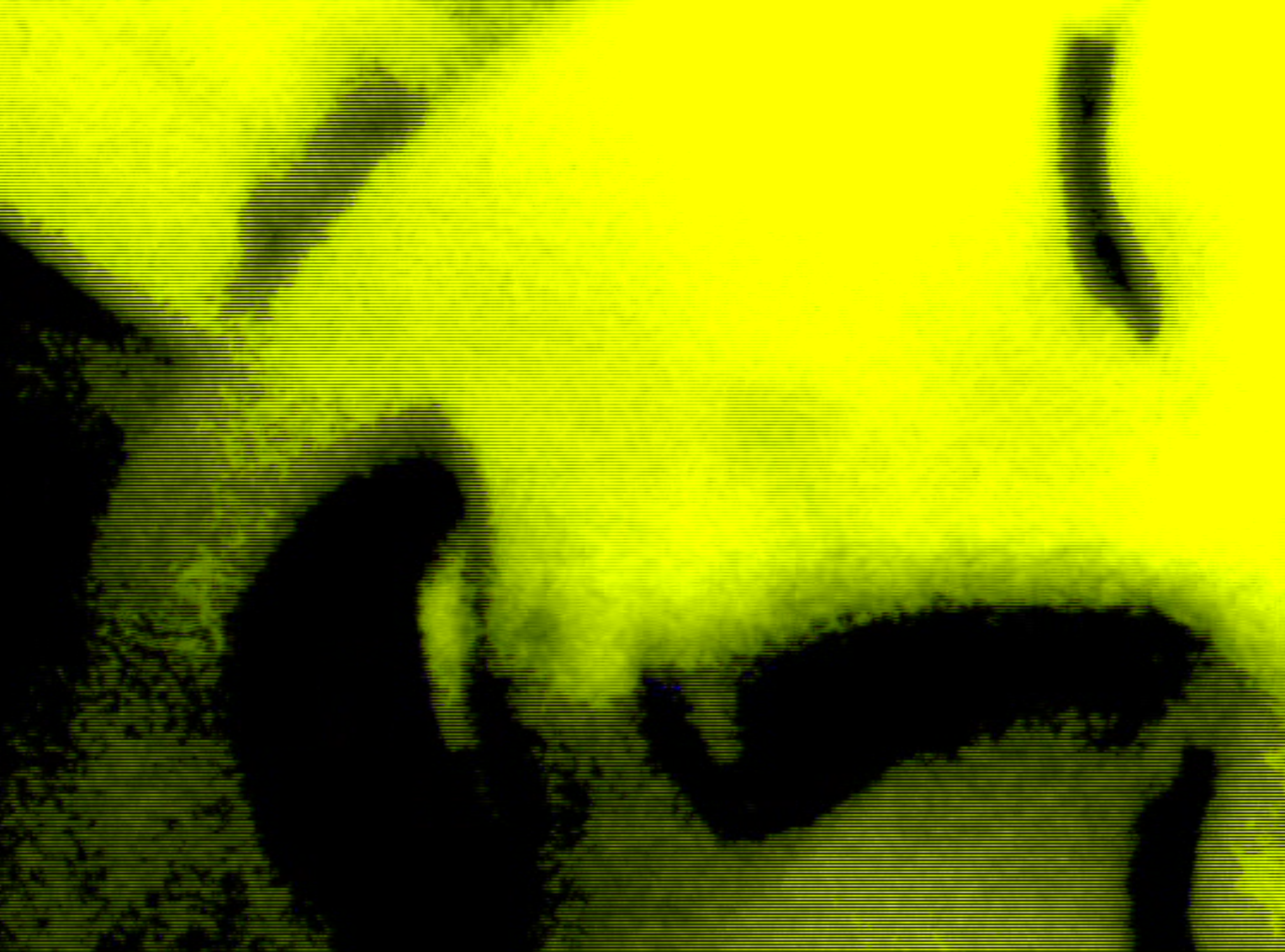
Brehm’s engagement with pornography punctuates at regular intervals but refuses eroticism. Peng Peng links desire to violation by intercutting voyeuristic gazes with surgical imagery, whereas Berlin and Paris tint fleshly negatives green or red-blue until their physics appear industrial.
Röntgen

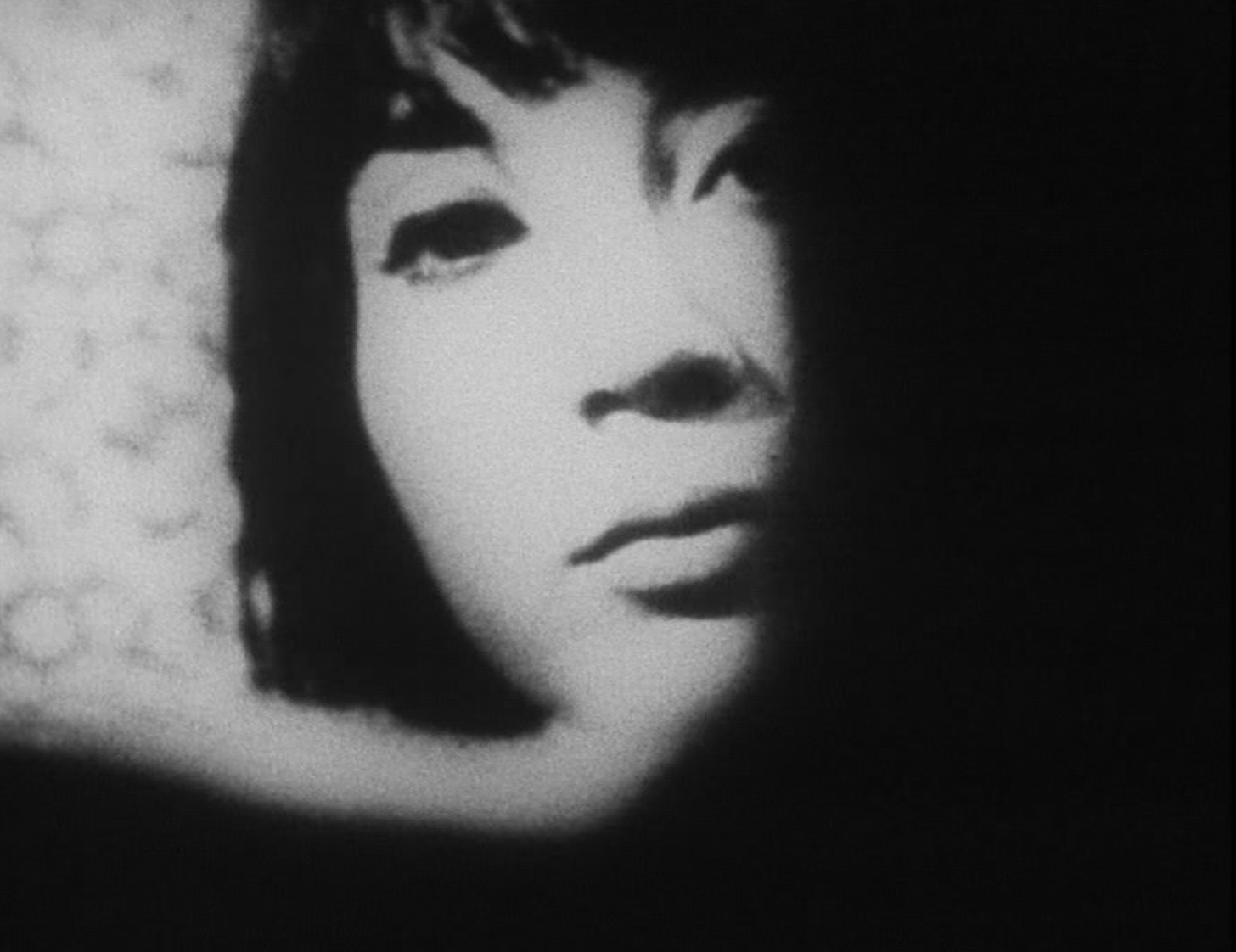
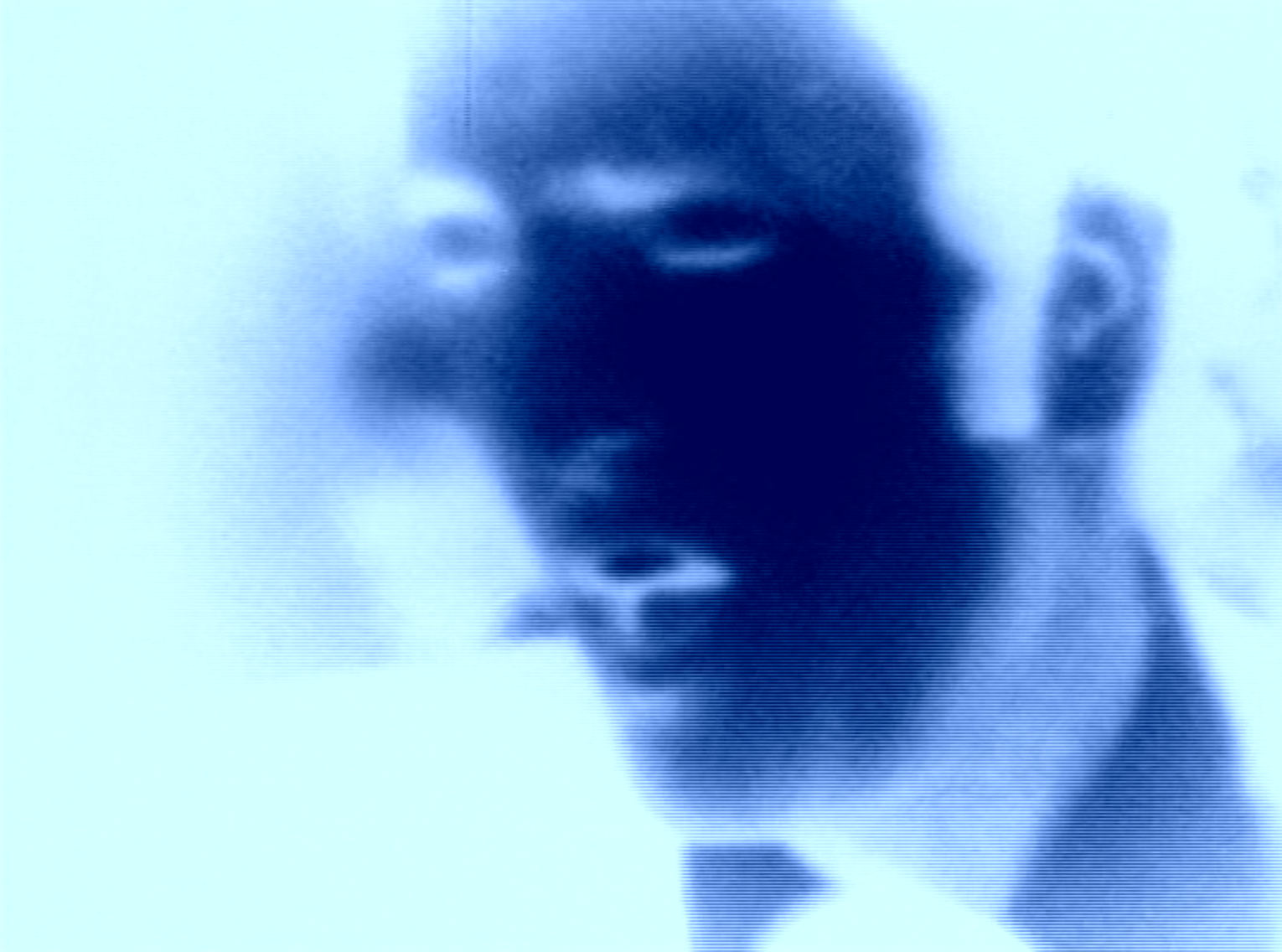
Self-portraiture assumes the identity of a malfunction. Chesterfield shows Brehm flickering beside a car while a metronome hammers machinically. In Charles, a drained, remorse-free face is doubled by a twin that never quite aligns, enacting a moral vacancy. Röntgen (X-Ray) meshes screaming vocals with inverted faces and vehicles in a radiographic exorcism. Such pieces insist that identity is not a stable referent but an affectation that appears only when stressed, inverted, or pulled apart.
Sonne Halt

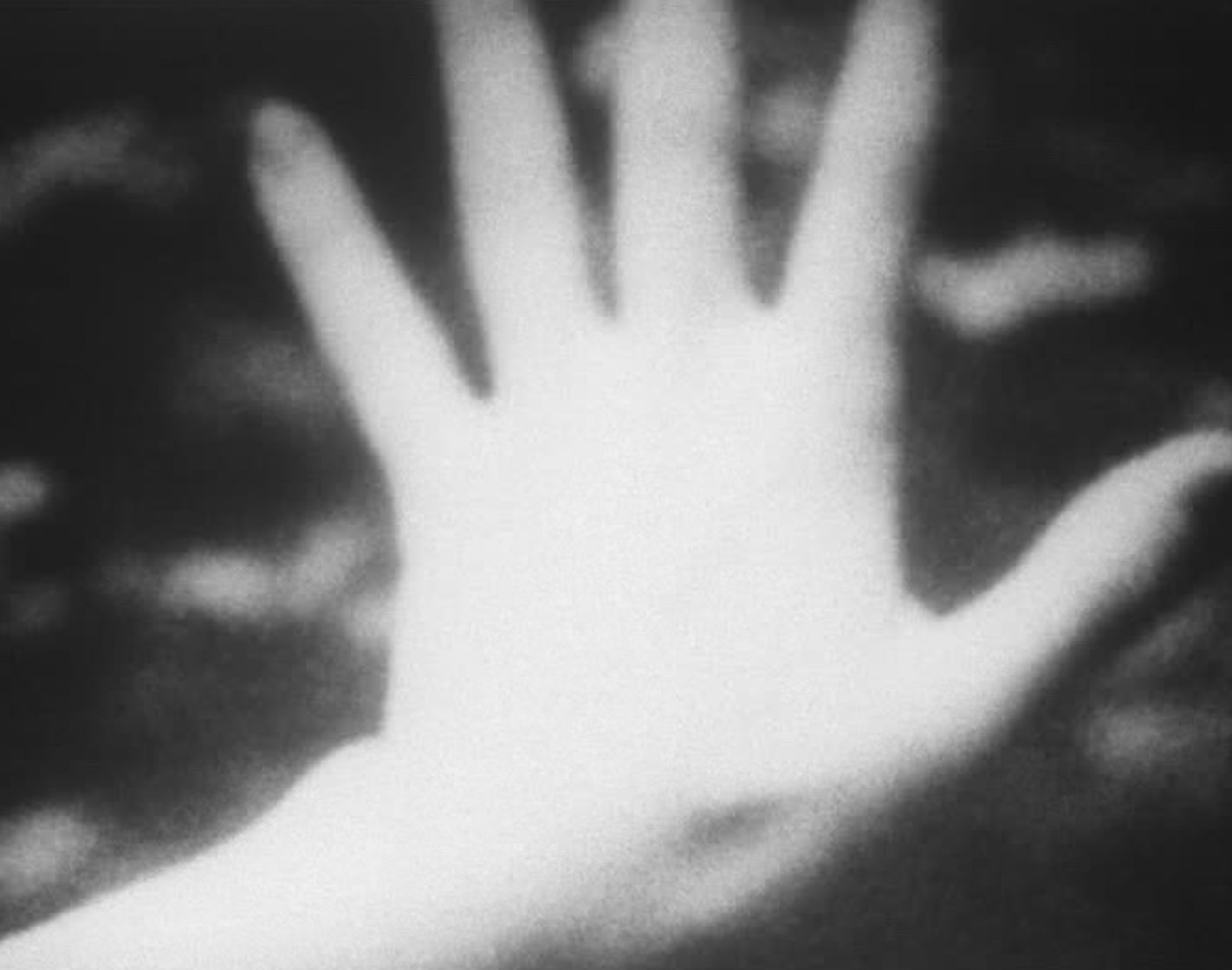
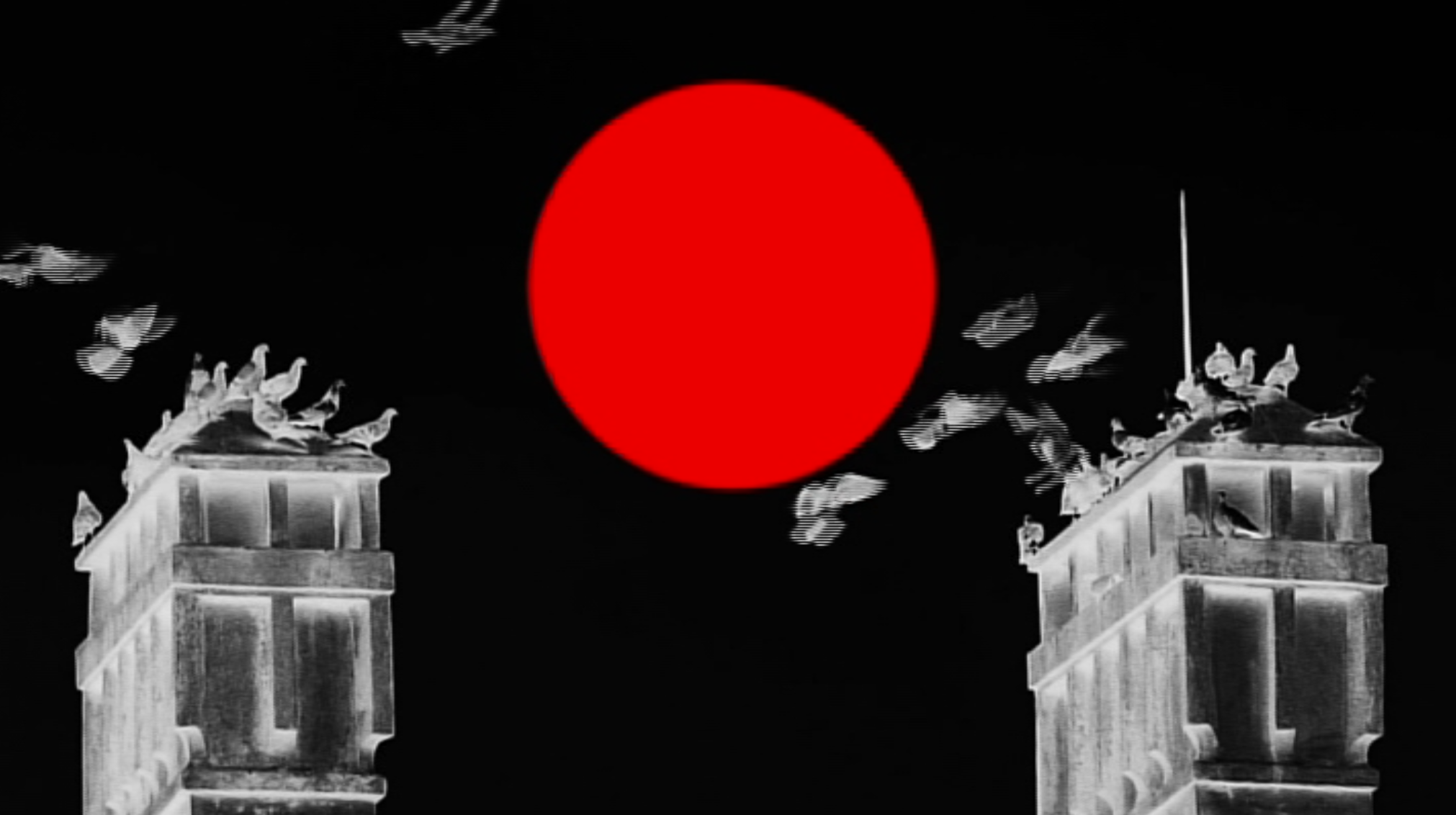
As chronology grows, so does the gentility of Brehm’s touch. Licht (Light) is a standout in this regard: a hand caresses a lampshade again and again in a manner so tender that it borders on obsession. Sonne Halt (Sun Stop) freezes the sun between two towers as a red circle that pins luminosity to the board of life without extinguishing it. Cocktail shifts into a reflective register as Brehm diverts focus to his layered image, jazz sketching itself in the background.
Oxford

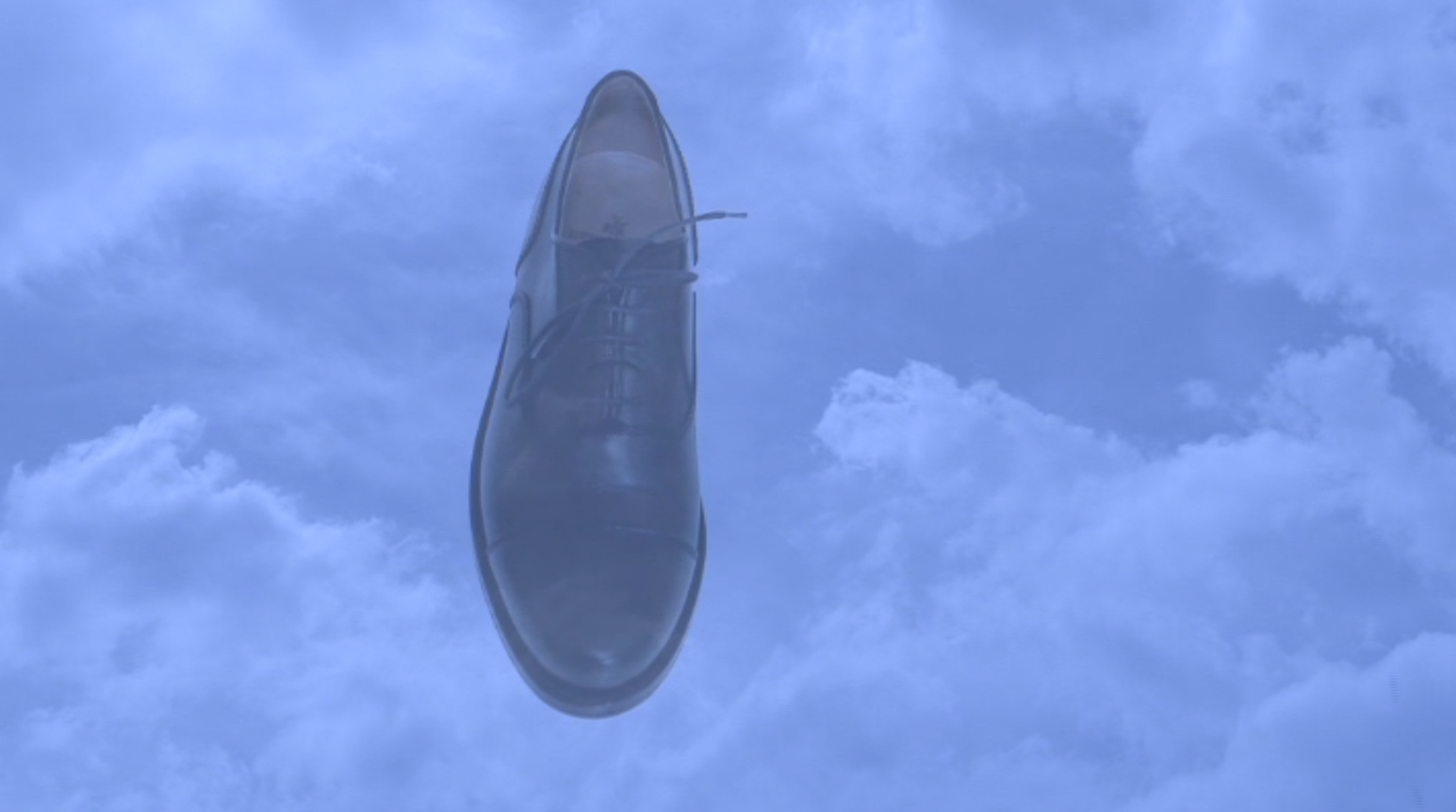
The selection concludes with uncanny simplicity. Oxford holds a pair of dress shoes against the firmament. Walking on air? Hello Mabuse converts a simple handshake into a bureaucratic nightmare, framed by ominous clocks. And Rolle returns to repetition as ritual, walking toward and away from the camera near a bale of hay until the act becomes a mantra.

Throughout PRAXIS, Brehm interrogates the image’s ability to signify anything beyond material agitation. The cumulative effect is fiercely corporeal, working directly into the viewer’s nervous system. Along the way, we learn how recognition and estrangement can collapse into each other, how ordinary objects can become alien through intensity, and how a soul caught in the act of looking cannot help but feel implicated in what it sees. What remains is a kind of hyper-alive exhaustion. Brehm exposes the vitality of the photographic trace even as he acknowledges the slow death embedded in every act of viewing. These fragments do not cohere, yet their incoherence is the point. Are we really so different?

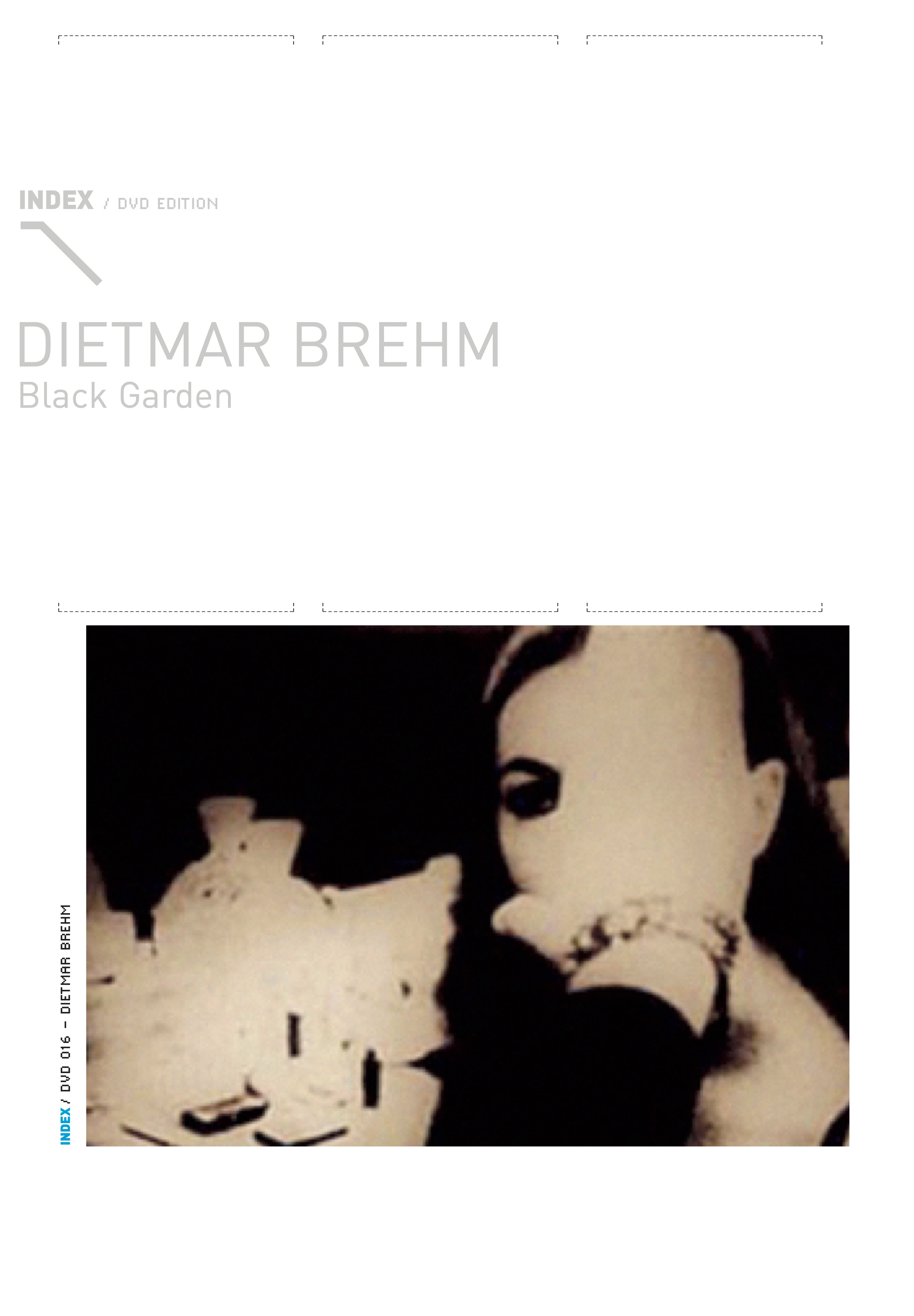
Dietmar Brehm: Black Garden (INDEX 016)

Trauma, Erotics, and the Phantasmatic Image

Hans Schifferle once described Dietmar Brehm’s cinema as a “psychothriller,” a space where horror and sexuality converge in unstable proximity. The term captures both the themes and the underlying structure of his work. Brehm explores the anxiety between erotic fascination and forensic inspection, unfolding one involuntary memory at a time. His background as draftsman, painter, photographer, and collector of images shapes his approach. He draws on decades of accumulated material, ranging from documentaries to action films, ethnographic footage, and pornography. Much of it is anonymous, never intended for circulation. Authenticity remains uncertain, as any scene that appears salvaged may just as well be staged. The results inhabit the uncertain boundary where truth and fabrication lose distinction.

The Black Garden cycle, created between 1987 and 1999, is the clearest expression of Brehm’s aesthetic, through which he distills psychic trauma into bursts of arrhythmia. He explores the conflict between the urge to look and the fear of what the eyes might uncover.

The Murder Mystery (1987/92)
A storm soundtrack establishes an external threat. Images shift between a body placed in a field, a woman receiving pleasure, and a man in sunglasses whose stare stands in for our own. Spatial cues appear and fade. Rooms blur. Bodies change into objects, and objects hint at concealed bodies. The montage forms an interrupted rhythm that never stabilizes. Watching becomes an anxious search for coherence that always slips away.

Blicklust (Desire to Look) (1992)
Introspection takes the form of dissection. A drawing of a dissected eye signals that vision itself is under strain. A bound woman, surgical procedures, a hanging body, insects spiraling toward light, and quiet water form a vocabulary of exposure. Voyeurism manifests with unsettling proximity. Intimacy leaks into pathology. Looking becomes a cut that both reveals and harms.

Party (1995)
An electronic voice announces, “Good morning. The time is six a.m.,” as if awakening the viewer into a misplaced body. Scorpions fight while a man urinates, brushes his teeth, and washes his face. A woman touches herself. Shadow puppets appear. Exaggerated musculature emerges and vanishes. The human and the animal intersect in a series of gestures that suggest control, threat, and self-contact. The scorpions’ combat externalizes Geertzian tensions that haunt the scenes.

Macumba (1995)
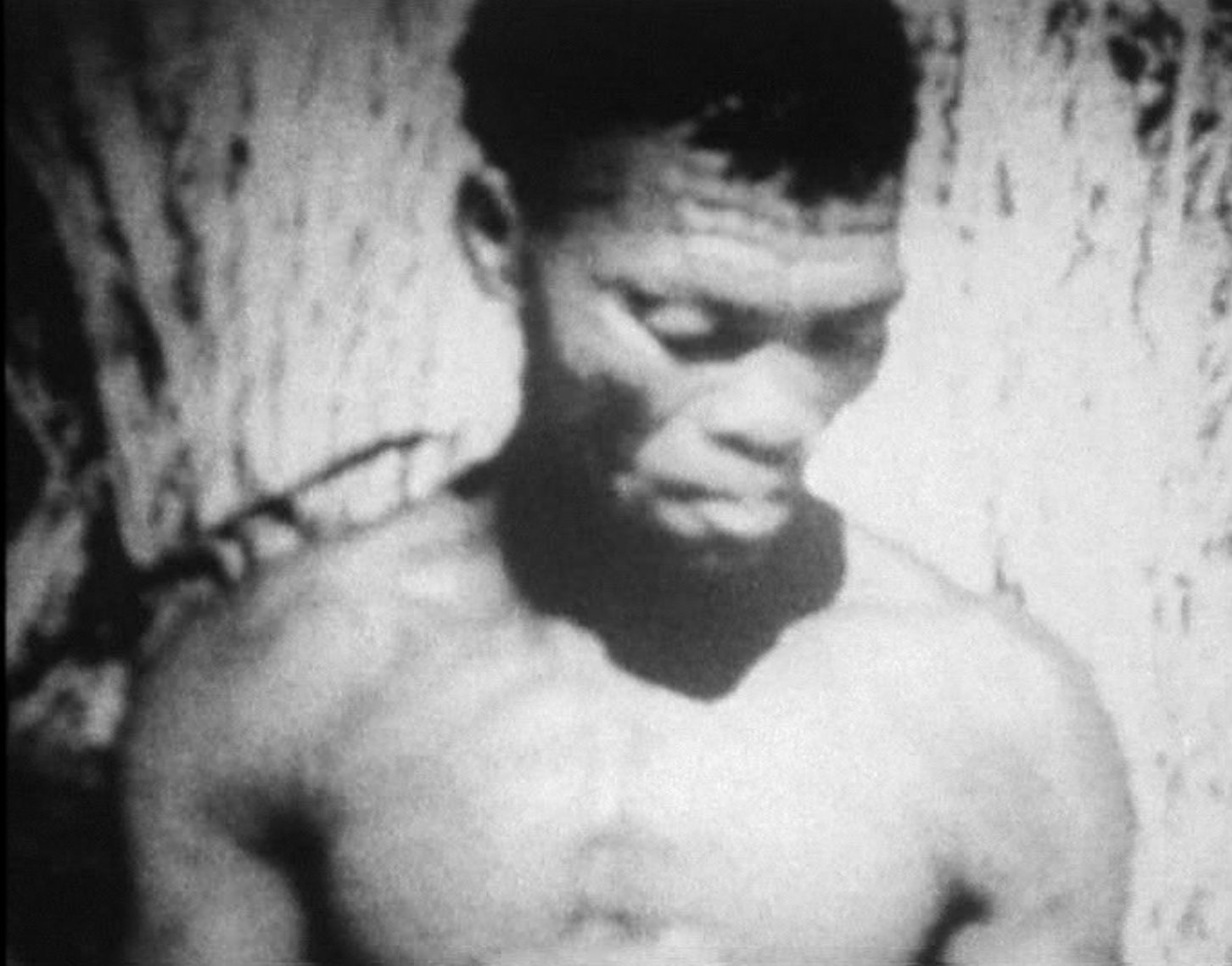
The cycle’s most troubling work. Rain provides a sonic surface for images of Black pornography, African hunting footage, and scenes of animal violence. The phallus becomes aligned with pursuit and killing. While the critique of racialized eroticization is evident, the repetition of these images works against itself, collapsing into reenactment. Here is a vortex where representation and violation intermingle.

Korridor (1997)
Footage found in an old Vienna shop gives this one the feel of an accidental confession. Scenes of a man and woman in bed alternate with exterior shots of anonymous buildings. Birdsong and indistinct conversations drift across the soundtrack. A tree against the sky frames the beginning and end. The couple’s intimacy floats without context, unanchored. They seem to inhabit a corridor between identities and moments, never fully present in either.

Organics (1998/99)
The final film gestures toward female centrality, although any semblance of protagonism fades quickly. Masks, explosions, self-pleasuring, X-rays, surgeries, and architectural fragments emerge in clusters that never settle. A stalking gaze tries to impose order but only deepens fragmentation. The result recalls dream sequences by Guy Maddin, though interrupted by abrupt sexual imagery.

Coda: On the Edge of the Unbearable

Brehm seeks no clarity or comfort. His 2000 interview confirms that he creates for himself, guided by instinct rather than audience. This independence gives the work its raw intensity, but it also produces a physical unease that can be difficult to endure, operating at the point where fascination turns into revulsion. Their power arises from that tension.

Black Garden offers no catharsis. It exposes the viewer to a world where eroticism and violence intertwine, where desire corrupts memory, and where bodies function as both sites of longing and threat. The experience lingers not in the intellect but in the nerves, abstract and unmanageable.

What complicates the cycle most is the risk it poses. By assembling images of objectification, especially those involving racialized bodies and women, without a counter-perspective or contextual grounding, they can slip into the very aesthetic of domination they seek to deconstruct. Since much of the footage is drawn from archives of harm, and since Brehm refrains from introducing reflective distance, he sometimes underscores rather than undermines. And so, we are left holding a double-edged sword, one that illuminates the pathology of the gaze and also demonstrates how difficult it is to represent that pathology without repeating it. It also exposes the cost of entering such terrain without safeguards.

Perhaps this is why Black Garden lingers. It does not resolve the unconscious but reveals its pressure points. It invites us not to interpret but to withstand, to remain inside the tremor where desire becomes fear and where the act of looking exposes the viewer in return.