

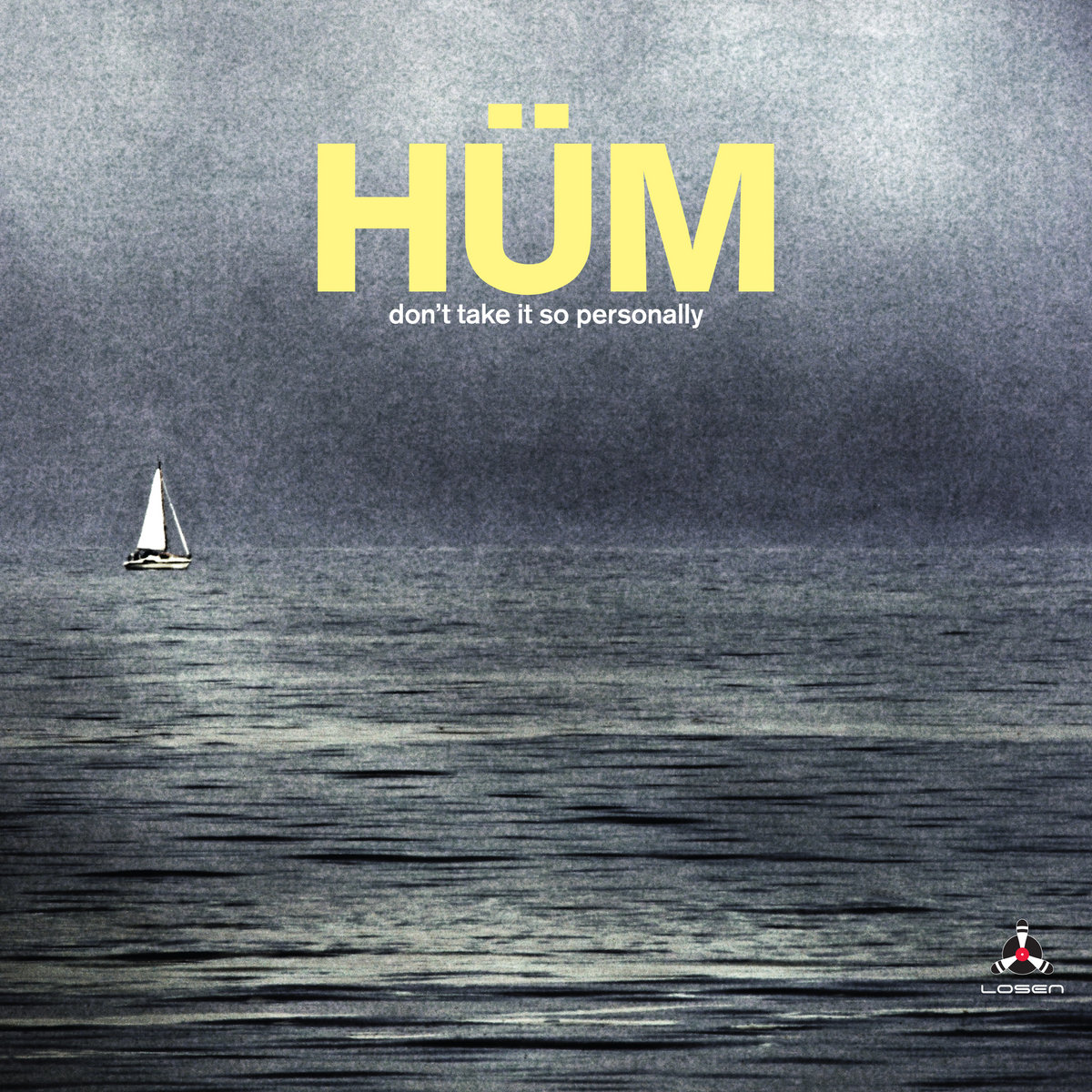
HÜM moves with the quiet conviction that composition and improvisation are not opposing forces but twin currents in the same river. Pianist Bojan Marjanović, bassist Bjørnar Kaldefoss Tveite, and drummer Magnus Sefaniassen Eide approach each piece as both blueprint and excavation. Themes arrive as seeds, small melodic cells set carefully in the soil. What grows from them is shaped in real time, yet nothing feels accidental. Even at its most vaporous, the trio’s language carries the imprint of design.
“Dream Beliefs” opens the album as a threshold rather than a statement. Its textures shimmer with a submerged luminosity, gentle yet insistent. There is a sense of memory suspended beneath the surface, glacial fragments drifting through warmer currents. The music feels aware of time’s double exposure. Youthful wonder lingers, yet it has been tempered by experience, by the quiet knowledge that revelation is rarely loud.
On “Kringsjå blå,” a delicate tension governs the exchange. The bass enters with a humility that conceals its strength, shaping space rather than claiming it. Tveite’s solo unfolds in restrained lyricism, each note placed with a sculptor’s patience. Marjanović responds with a piano voice that seems to tunnel into memory itself, carving chambers where nostalgia gathers and resonates. Eide’s cymbals flicker at the periphery, catching light and scattering it across shifting meters. The trio etches emotional calligraphy into the shoreline of the piece, knowing that erosion is part of the art.
The title track deepens this meditation. Its groove settles into intimacy, sincere and unguarded. It feels almost ceremonial, as if casting impressions into wet sand, preserving them for a moment before the tide returns. Marjanović’s pianism here possesses an extraordinary fluency. His lines arc and return, tracing parabolic shapes that suggest both ascent and reflection.
“After Hours” narrows the focus. The rim taps of the drums glow in the foreground, tactile and close. The kick drum recedes, the bass anchors softly, and the piano threads its way through hushed terrain. The intimacy borders on confessional. Each gesture feels whispered directly into the ear. The trio resists drama, choosing instead to cultivate atmosphere.
In “Sedmaya,” the music opens a sealed chamber of recollection. The groove interlocks with playful intricacy, the bass and piano circling one another in spirals of suggestion. Eide’s drumming introduces subtle turns that redirect the current without breaking it. The recording itself seems to glow from within, resonant and nocturnal. There is an undercurrent of longing here, a recognition that memory is both fragile and generative. The musicians do not attempt to recreate the past. They allow it to shimmer and dissolve, then build anew from its residue.
“Day Dreamer” begins with a crystalline piano introduction, each note suspended in patient clarity. The surface is calm, inviting the imagination to wander. As the piece unfolds, its apparent simplicity reveals deeper intricacies. The bass rises into a solo that sings just at the edge of awareness, hovering between articulation and suggestion. Every phrase feels necessary.
“Peculiar Being” shifts the energy. The bass sets a rocking foundation that propels forward with understated momentum. There is a locomotive spirit here, yet it is guided by tenderness rather than force. Marjanović’s solo surges with oceanic breadth, exploring registers with fearless curiosity. Eide’s cymbals and snare weave a rhythmic tapestry that both supports and provokes. The music twists back upon itself in stepwise motions, generating tension that resolves through trust.
“Arctic Ice” introduces arco bass, with a tone that is austere yet luminous. The expanse feels vast, almost ascetic, until warmth begins to seep through the cracks. The trio navigates this terrain with patience, allowing cold and heat to coexist. From this clarity emerges “Cvekje cafnalo,” a hearth after distance. The piece gathers strength without aggression, building toward a crescendo that retains softness at its core. The blade is dulled by compassion.
For listeners attuned to ECM streams, this album will resonate deeply. It shares a lineage with the introspective yet expansive elegance of Bobo Stenson and the lyrical restraint of Tord Gustavsen, yet HÜM’s voice remains distinctly its own. Their sensibility is a climate to be inhabited, one in which light and shadow converse without hierarchy. The blurred boundary between the predetermined and the spontaneous becomes a philosophy of living.
Don’t Take It So Personally ultimately proposes that music can be an act of gentle revision. Each piece reshapes experience, sanding down harsh edges while preserving essential contours, proof that identity itself may be composed in this way, through attentive listening to the spaces between what we expect and what arrives.
 Between Sound and Space: ECM Records and Beyond