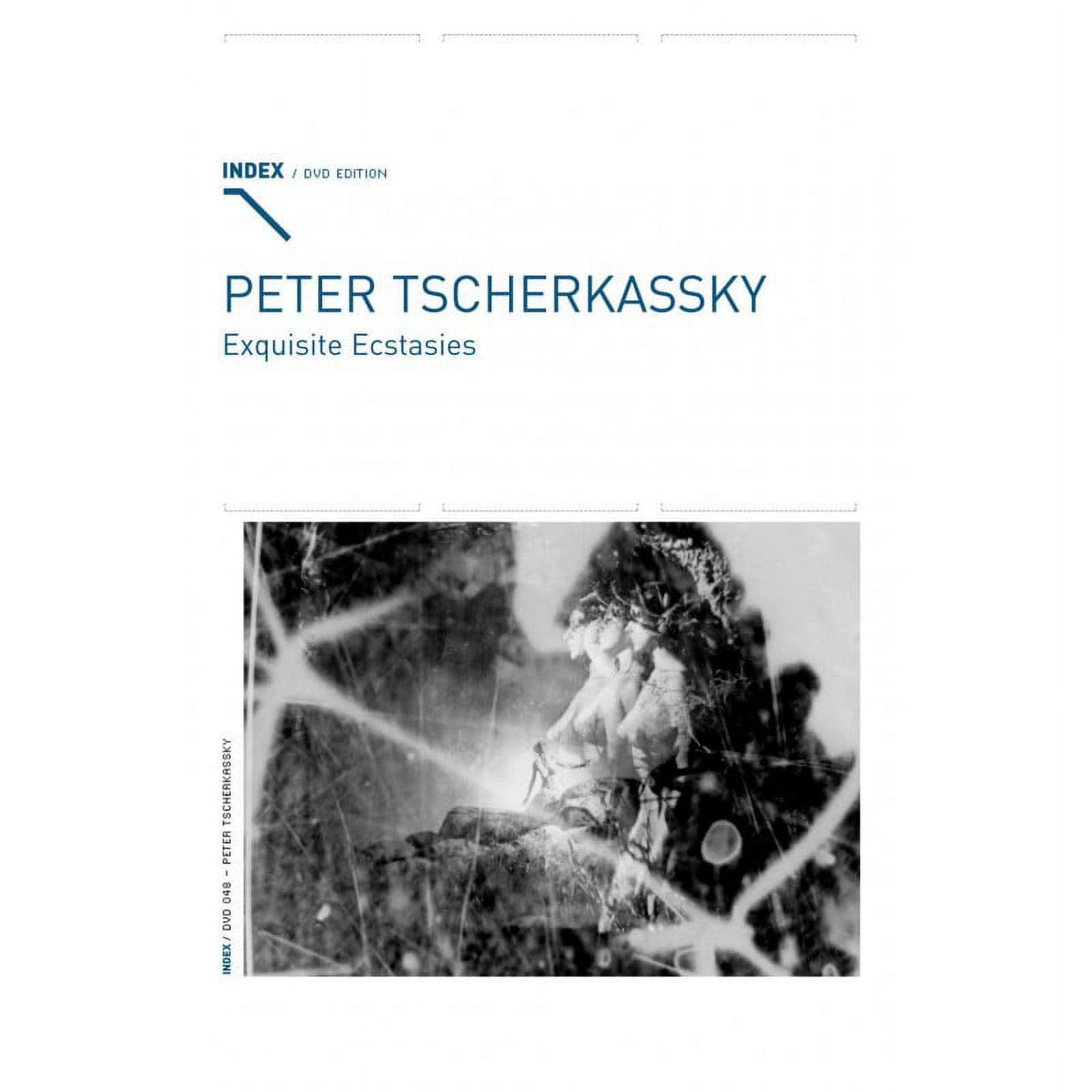
Peter Tscherkassky: Exquisite Ecstasies (INDEX 048)

Images often arrive clothed in certainty. They glide across the eye with a quiet authority, suggesting that what is seen is whole and already understood. The world appears to organize itself within the frame, its contradictions softened, its fractures sealed beneath a luminous surface. Yet this coherence is a delicate fiction. Beneath it, something restless persists, a tremor that resists being made smooth. Peter Tscherkassky’s cinema lives in that tremor. His creations expose the fragility of suspended disbelief, allowing the image to stutter in recognizance.

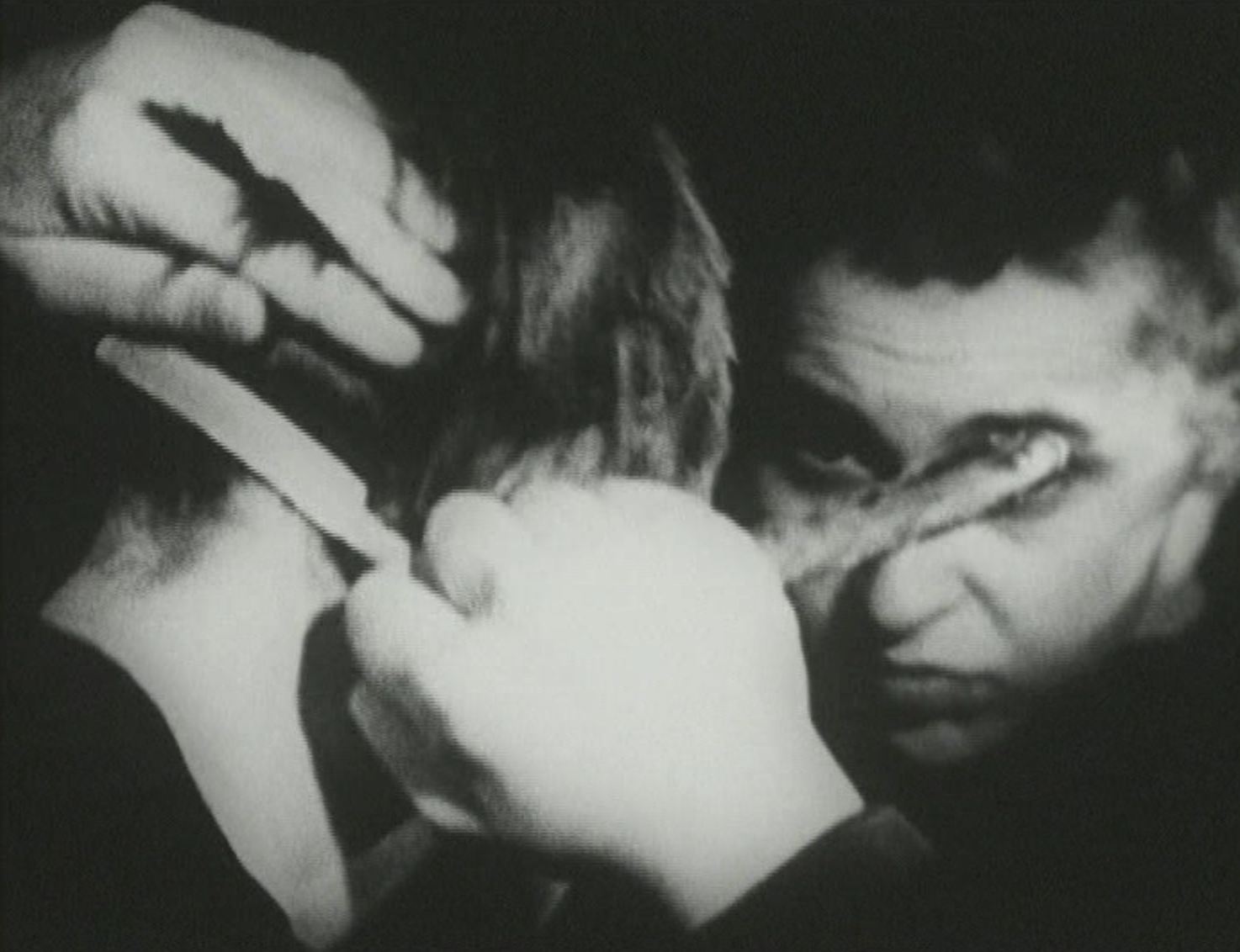
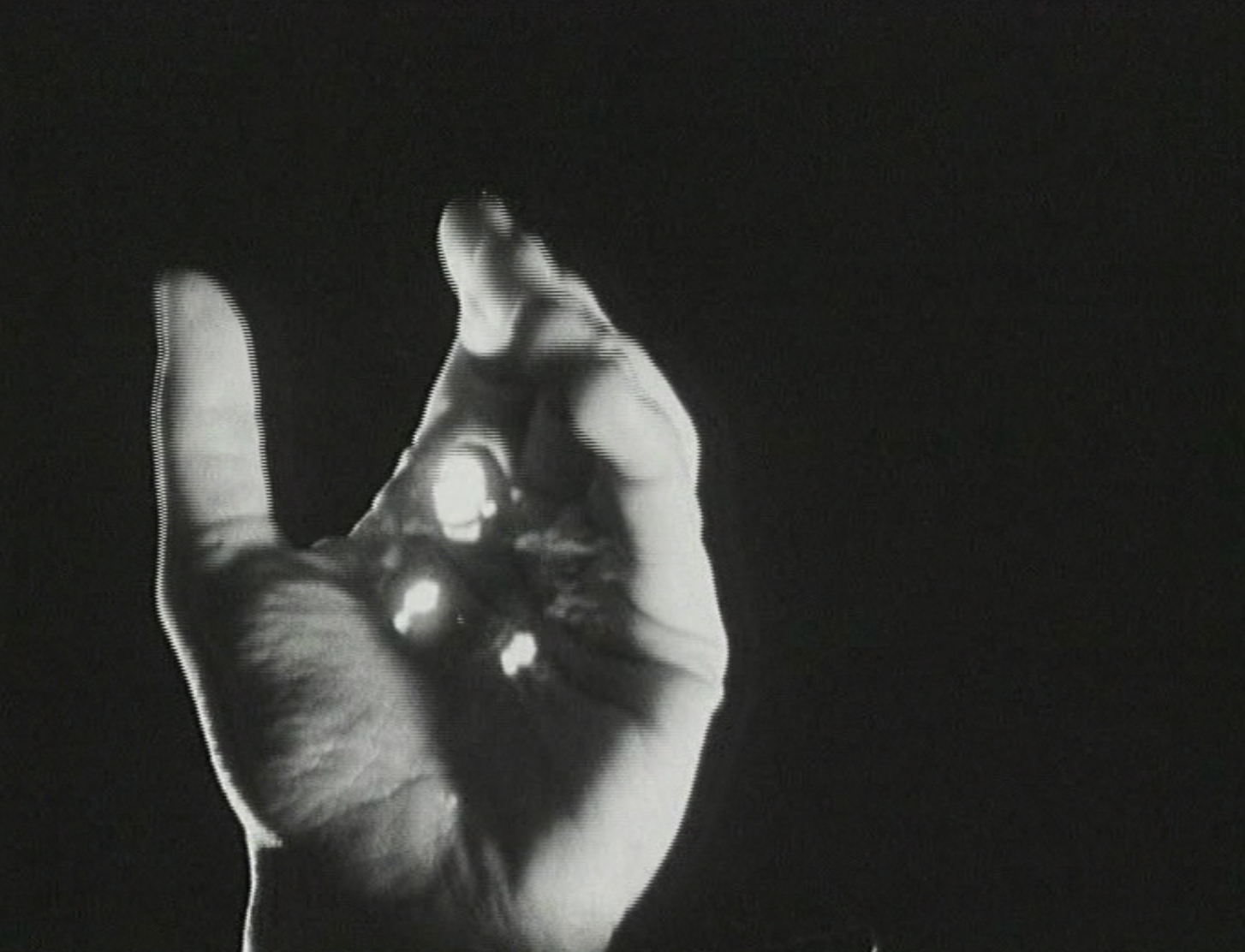
Emerging from the lineage of the Austrian avant-garde, Tscherkassky has always treated film as both medium and wound. His practice, grounded in the physical manipulation of celluloid, fevers his gaze. He dissects footage with a tactile intensity, pushing it toward states of convulsion and rupture.

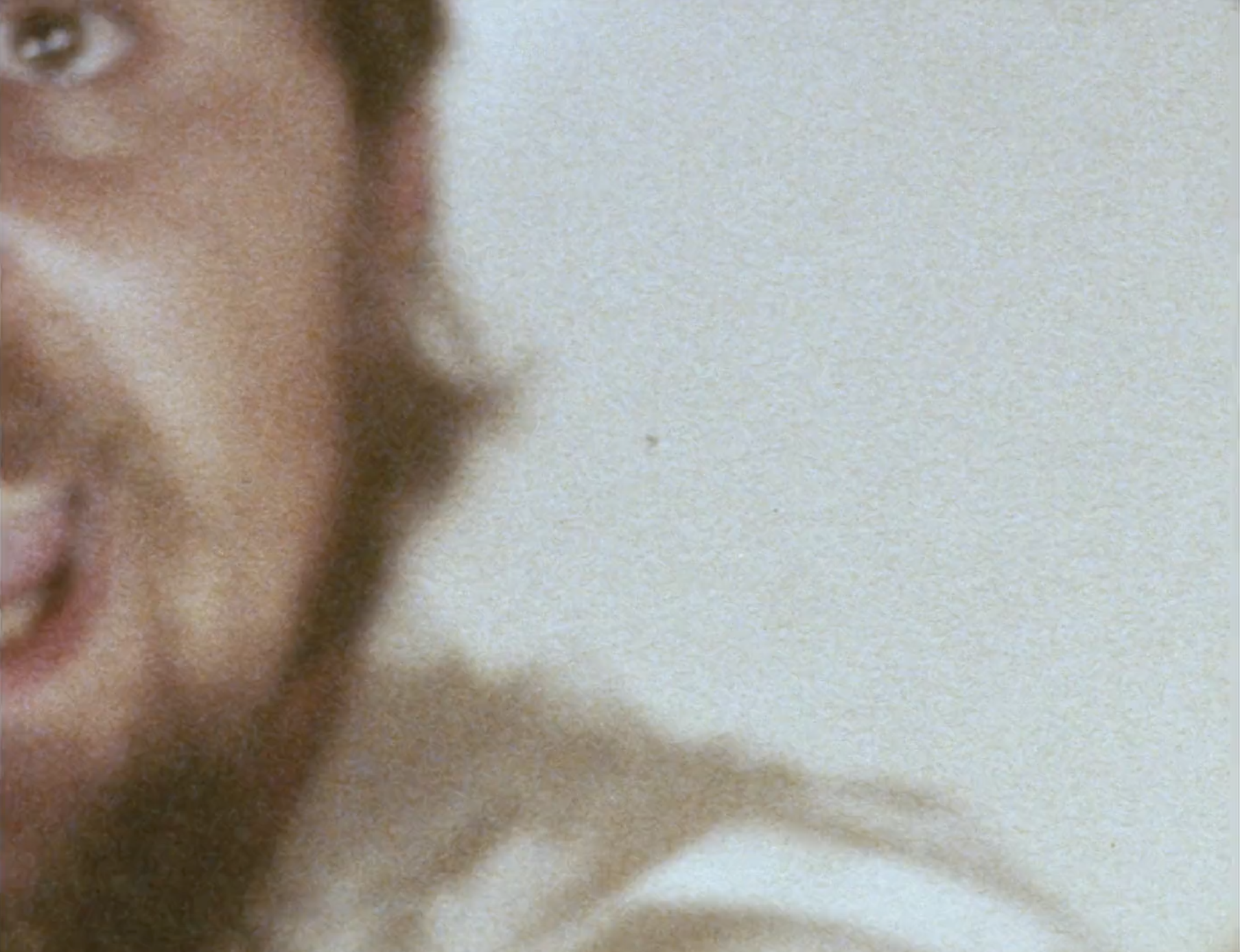
In Aderlaß (Blood-Letting, 1981), the screen opens into a darkness that feels less like absence than anticipation. Sound arrives first, jagged and insistent, as if the apparatus itself were clearing its throat. The question “What language do you speak?” reverberates not as inquiry but as accusation. Communication falters, dissolving into laughter that feels almost violent. Here, the moving image becomes an act of self-interrogation, a ritual of undoing. The invocation of “murder as the only real artwork” lingers not as provocation alone but as a symptom of artistic despair. Blood seeps into the frame, not metaphor but material. One begins to wonder whether movement produces film or whether film produces movement. What remains in this interrogation is a flicker that feels terminal, witness to its own extinction.
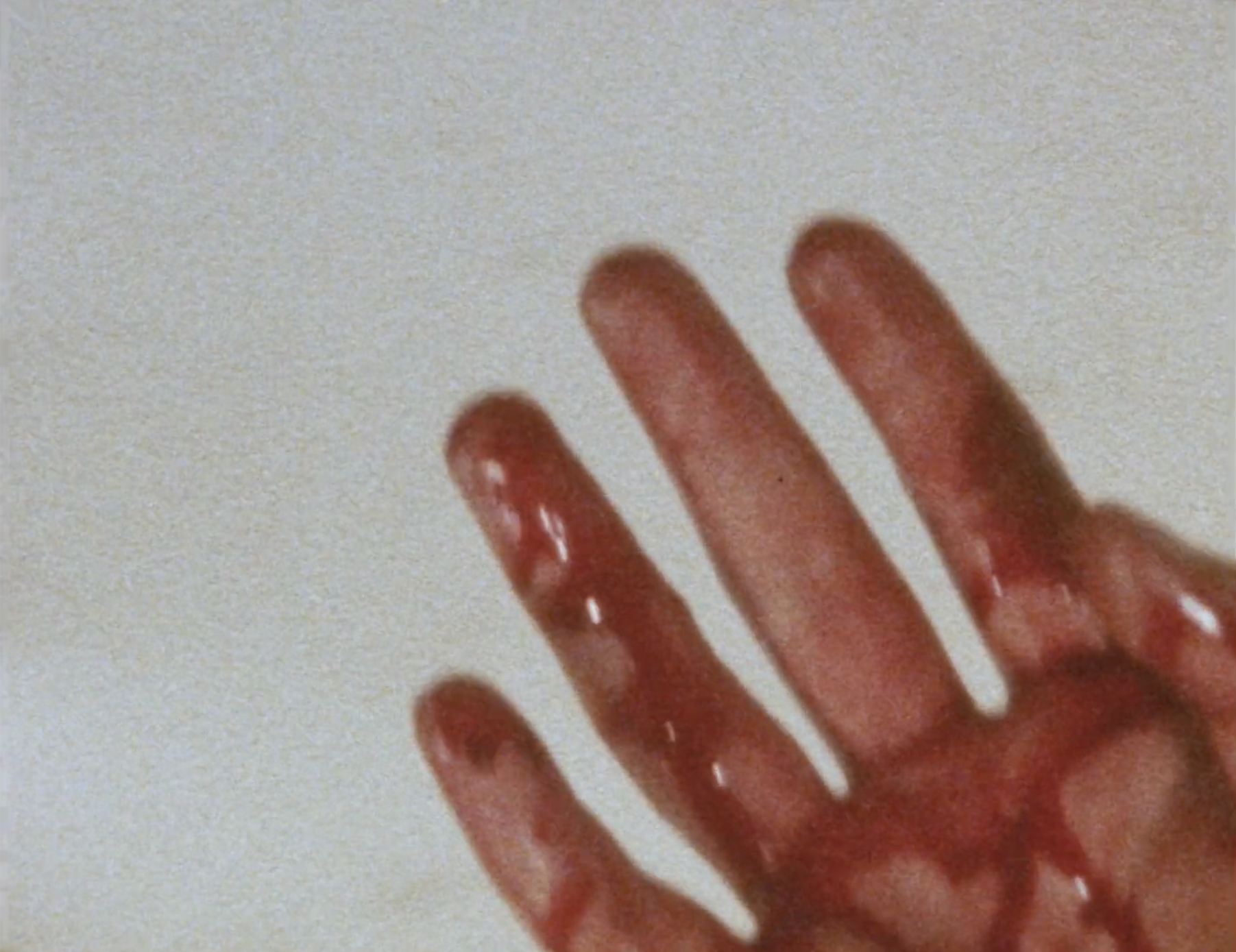
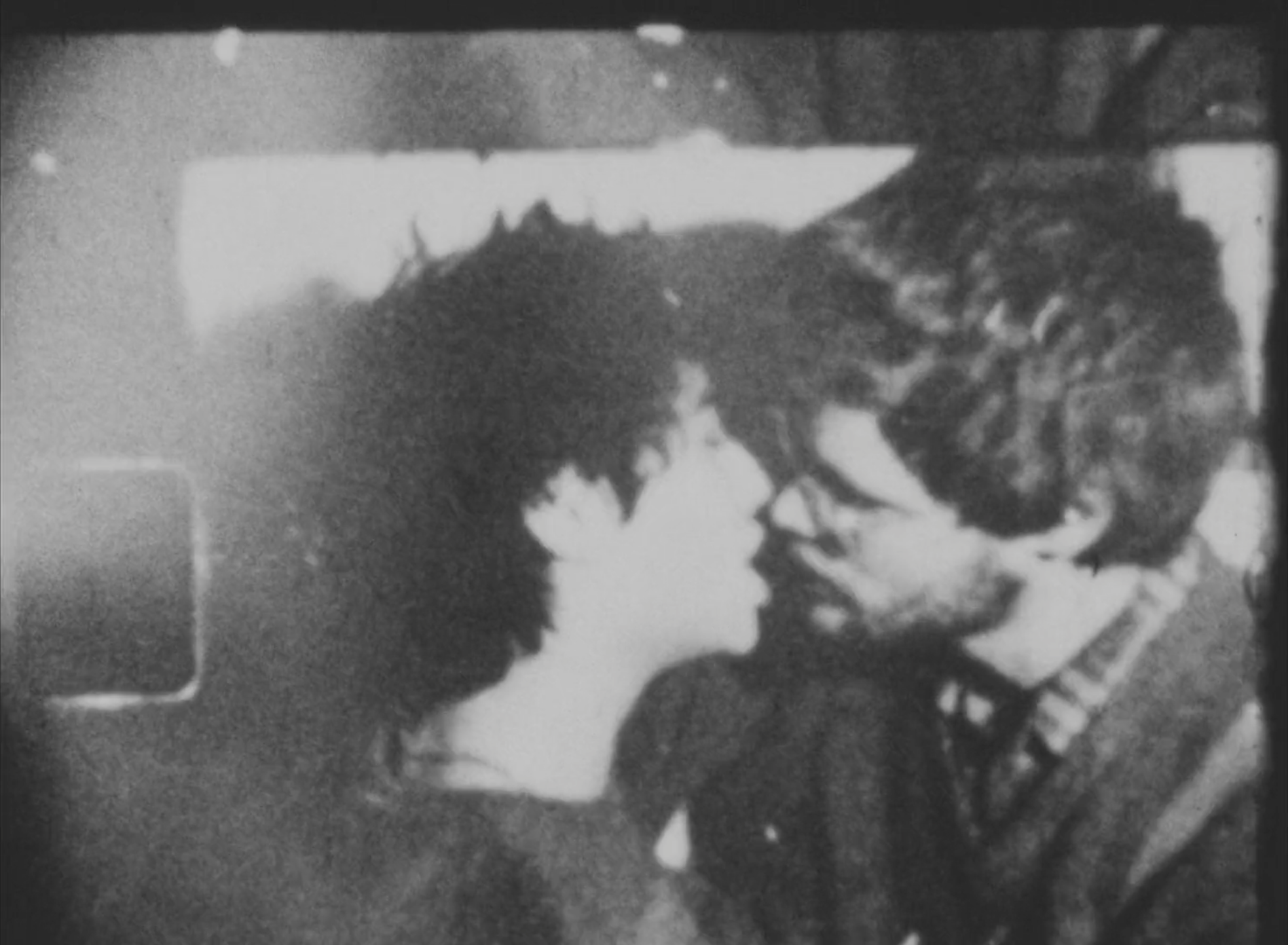
With Liebesfilm (Film of Love, 1982), Tscherkassky turns to intimacy, albeit stripped of fulfillment. A kiss approaches endlessly, rehearsed 522 times without consummation. Desire becomes mechanical, an algorithm of longing caught in a loop. Each repetition erodes meaning yet intensifies sensation. Love reveals itself as a structure of hesitation, a choreography of almosts. The bodies lean toward each other, again and again, yet never arrive. What should be a culmination becomes a suspension. The male gaze lingers in that gap, feeding on deferral. Lips remain unlocked, not out of restraint but because closure would end the system that sustains them.
Urlaubsfilm (Holiday Film, 1983) complicates the act of looking more directly. A woman moves through a field, undressing with a gesture that might initially invite voyeuristic comfort. But then, her gaze meets the camera, and with it, the viewer. The illusion fractures. To look is suddenly to be seen looking. The image begins to mutate and open portals within itself. A second frame emerges like an eyelid lifting from the surface. Gradually, visibility recedes. Flesh dissolves into abstraction. What remains is not the body but its residue, held precariously in memory. The gaze loses its object and confronts its own voraciousness.
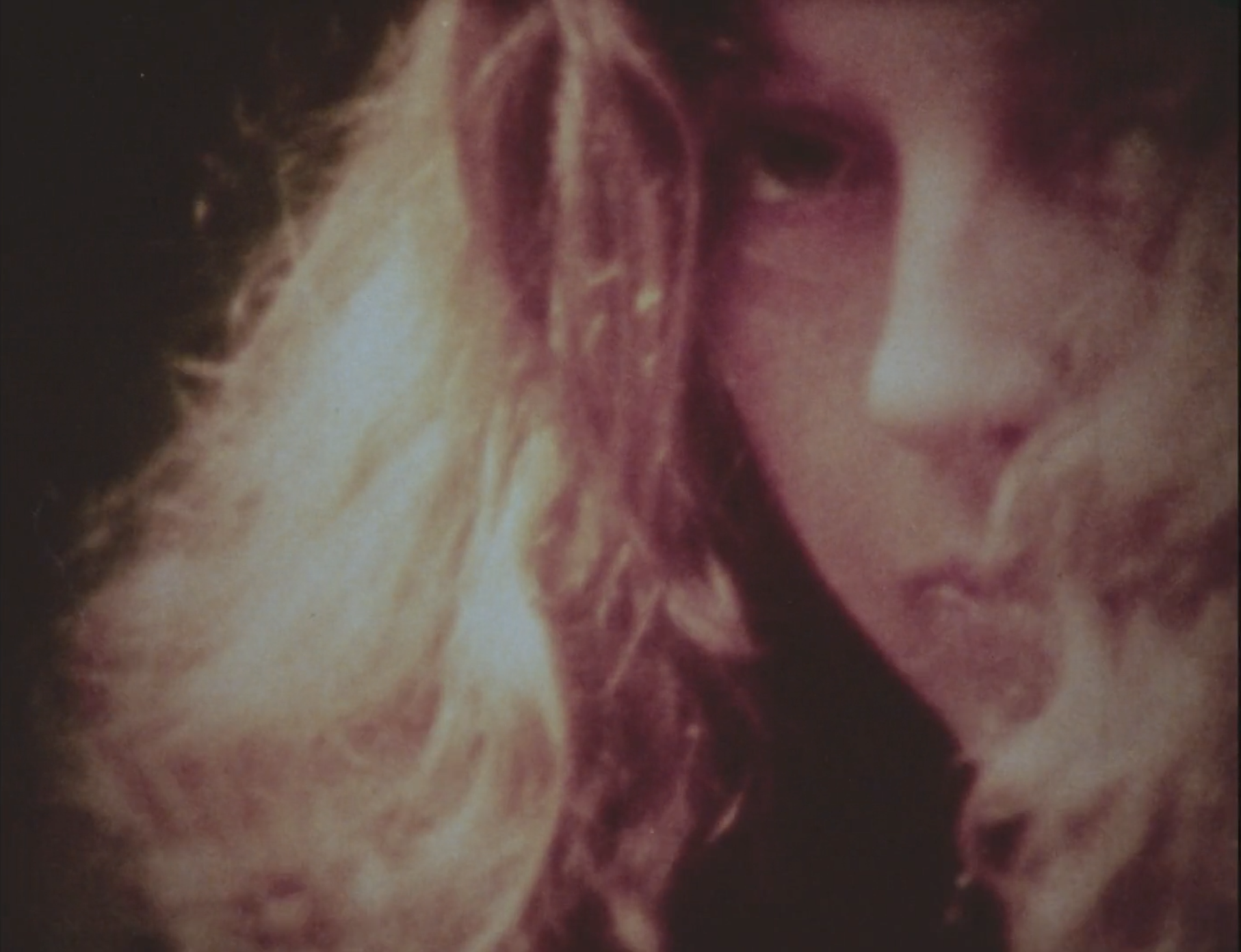
By the time we reach tabula rasa (1989), the gaze has become predatory. Cowboys lurk in the brush, archetypes of surveillance and control, their attention sharpened to a point. Yet what they see refuses coherence. The image slips and folds into textures that evade recognition. Skin becomes landscape. Cloth becomes terrain. The female body, when it appears, resists fixation. She is neither subject nor object but a shifting locus of desire that cannot be pinned down. The camera reveals itself as complicit, even parasitic, driven by a hunger that consumes its own vision.
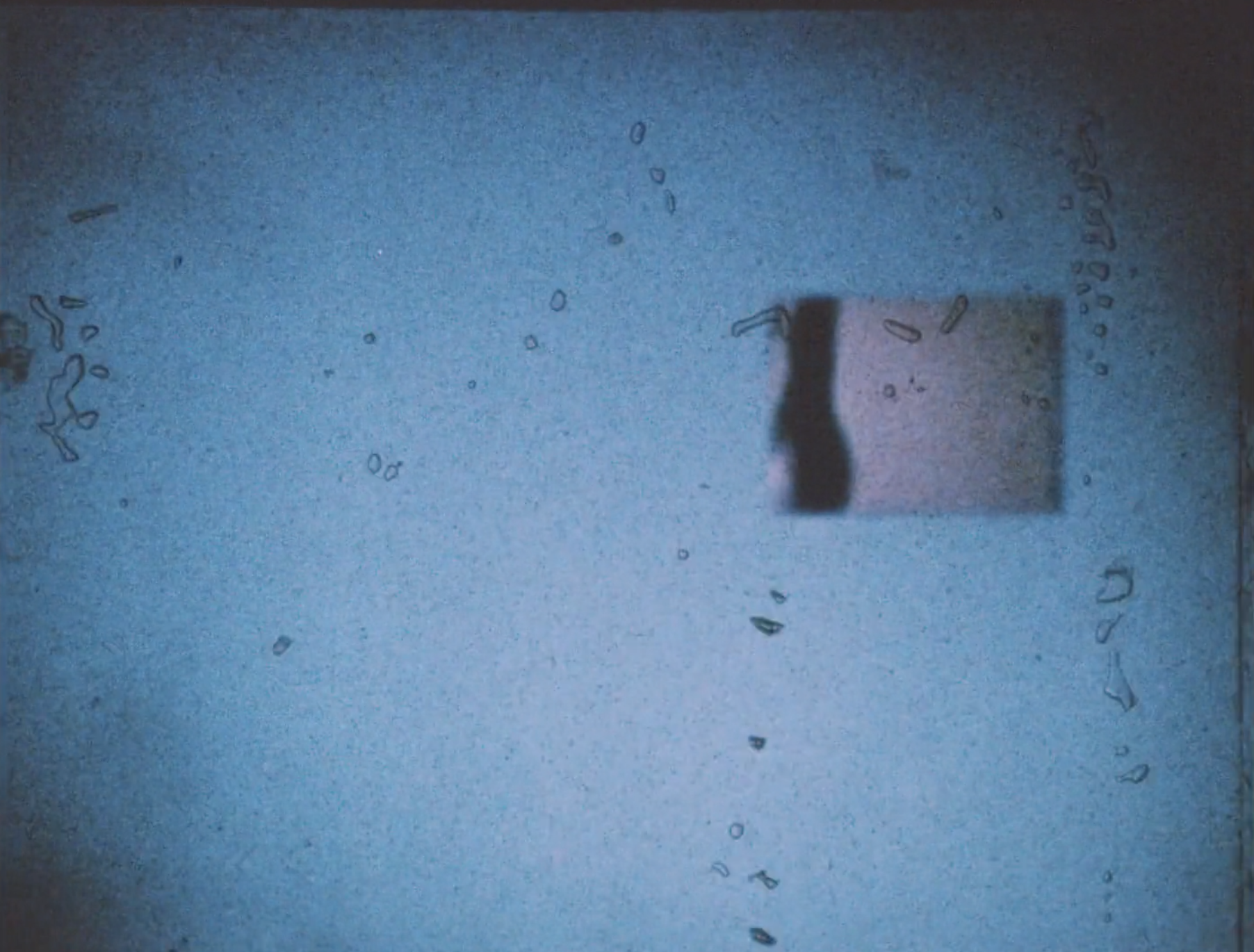
This trajectory finds a kind of culmination in The Exquisite Corpus (2015), a work that gathers decades of experimentation into a dense, almost tidal structure. Drawing from found footage, including a 1960s nudist film, Tscherkassky constructs a landscape where bodies and film stock merge into a single unstable organism. A couple sails toward an island, though their arrival feels illusory. A thunderclap fractures the image before frames multiply, invert, and overlay themselves in a choreography of excess. Flesh becomes pattern. Movement becomes echo. Erotic gestures lose their charge, not through repression but through saturation. The more the body is shown, the less it can be possessed.
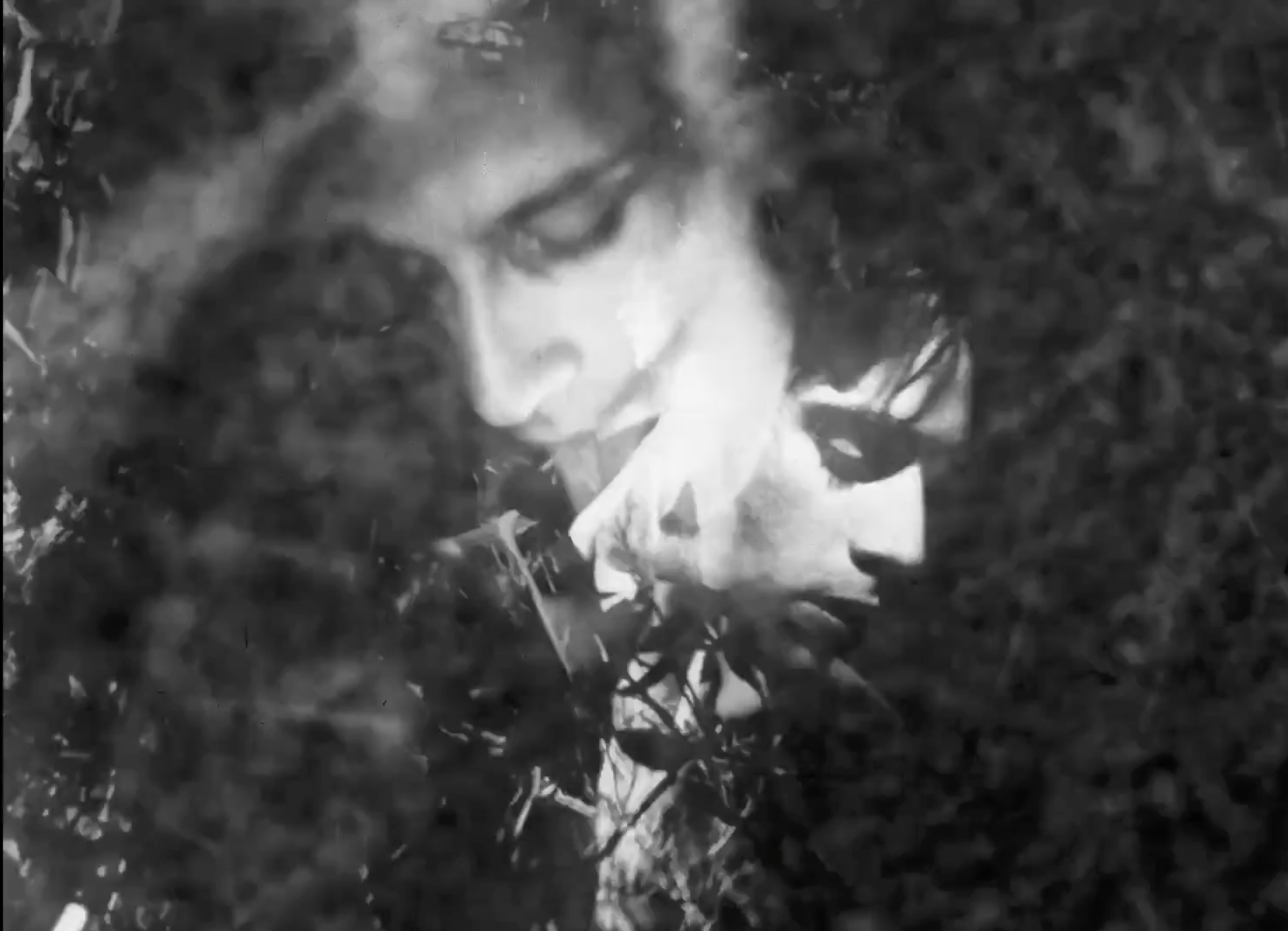
Natural elements intrude. Leaves, flowers, woven textures. These are not mere decorations but reminders that cinema, too, is subject to decay and transformation, even as it pulses like a living thing. Tscherkassky’s frame-by-frame method becomes a form of devotion, an insistence on tactile reality. In an era of digital smoothness, he retains the scars of the past, resisting the flattening of experience into seamless flow.
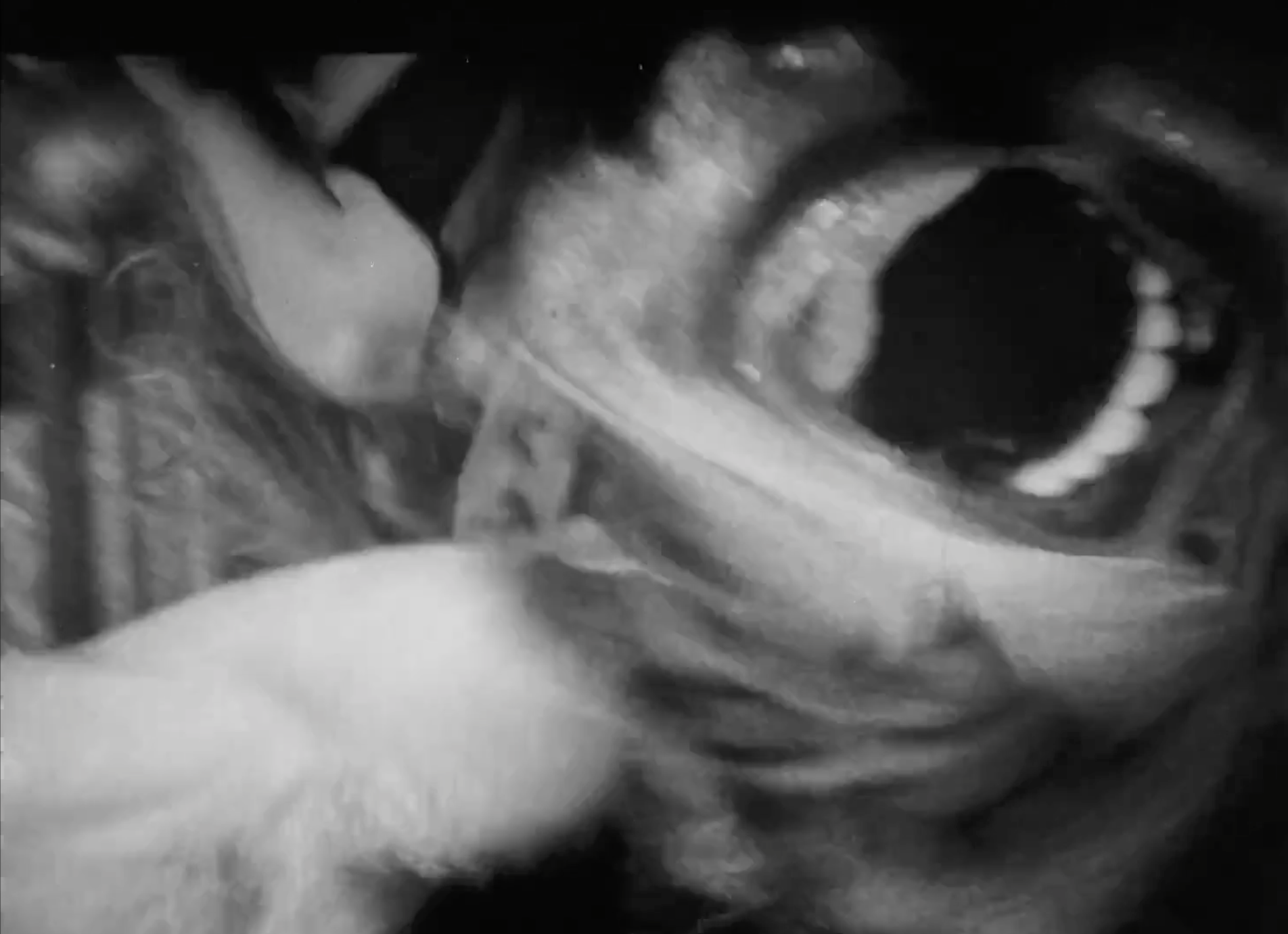
Across these works, the POV is never stable. It shifts from voyeur to participant, from observer to accomplice. It reveals itself as constructed, fractured, and, above all, unreliable. Tscherkassky implicates the viewer in the act of looking, exposing the desires and violences embedded within it. What emerges is not simply a critique of representation but a reconfiguration of perception itself. The films suggest that seeing is always entangled with absence, that every image carries within it the trace of what cannot be shown.

And perhaps this is where Tscherkassky’s work ultimately leads beyond myth and beyond even the body. The gaze, stripped of its certainties, becomes something quieter and more elusive. Not a tool of mastery, nor a site of pleasure, but a fragile relation to the unknown. To look is to risk losing the ground beneath perception. To see is to encounter the limits of seeing. In that encounter, something almost philosophical stirs. Not an answer, not a conclusion, but a question that lingers like an afterimage, asking what it means to inhabit a world that cannot be fully brought into view.
Mara Mattuschka: Iris Scan (INDEX 006)

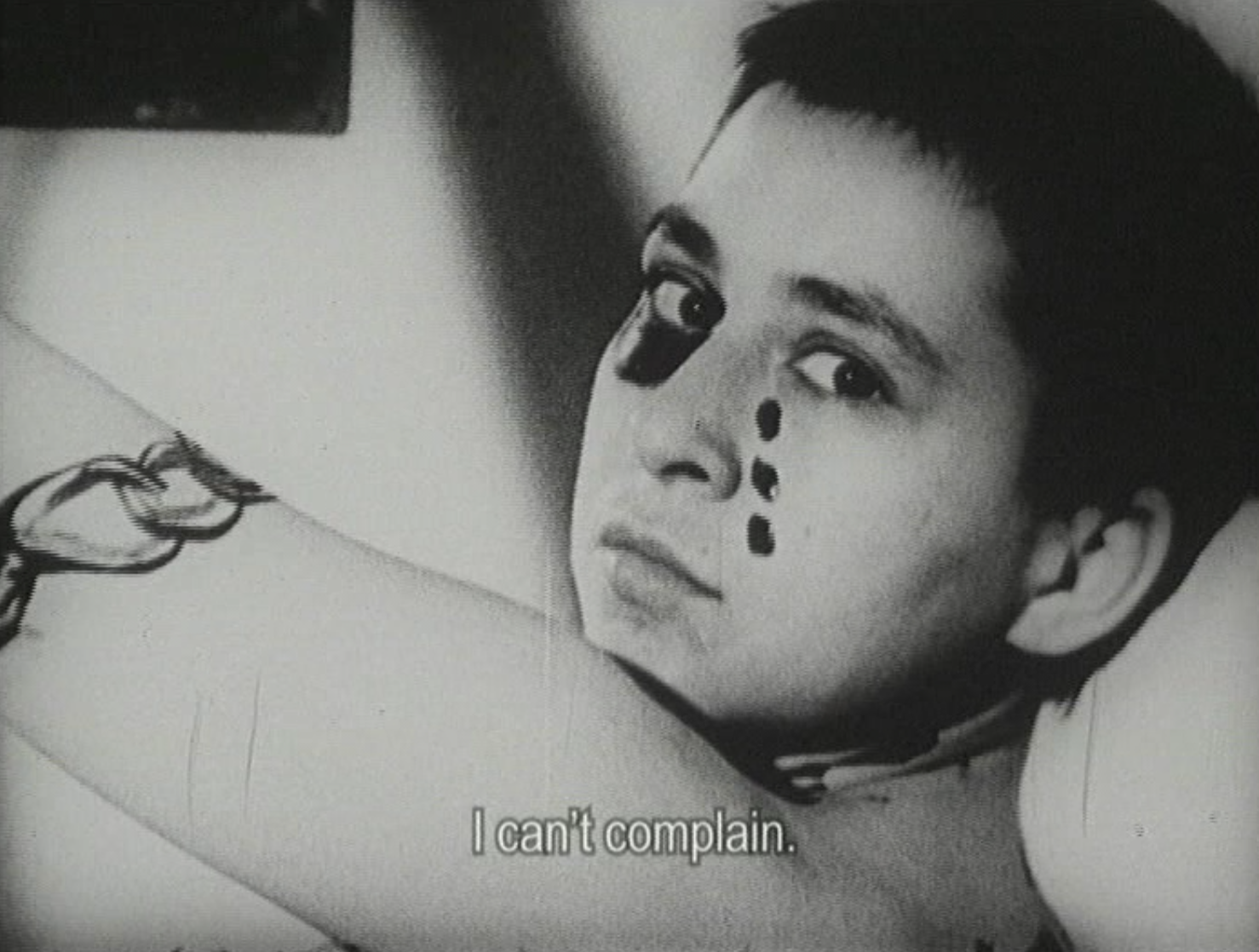
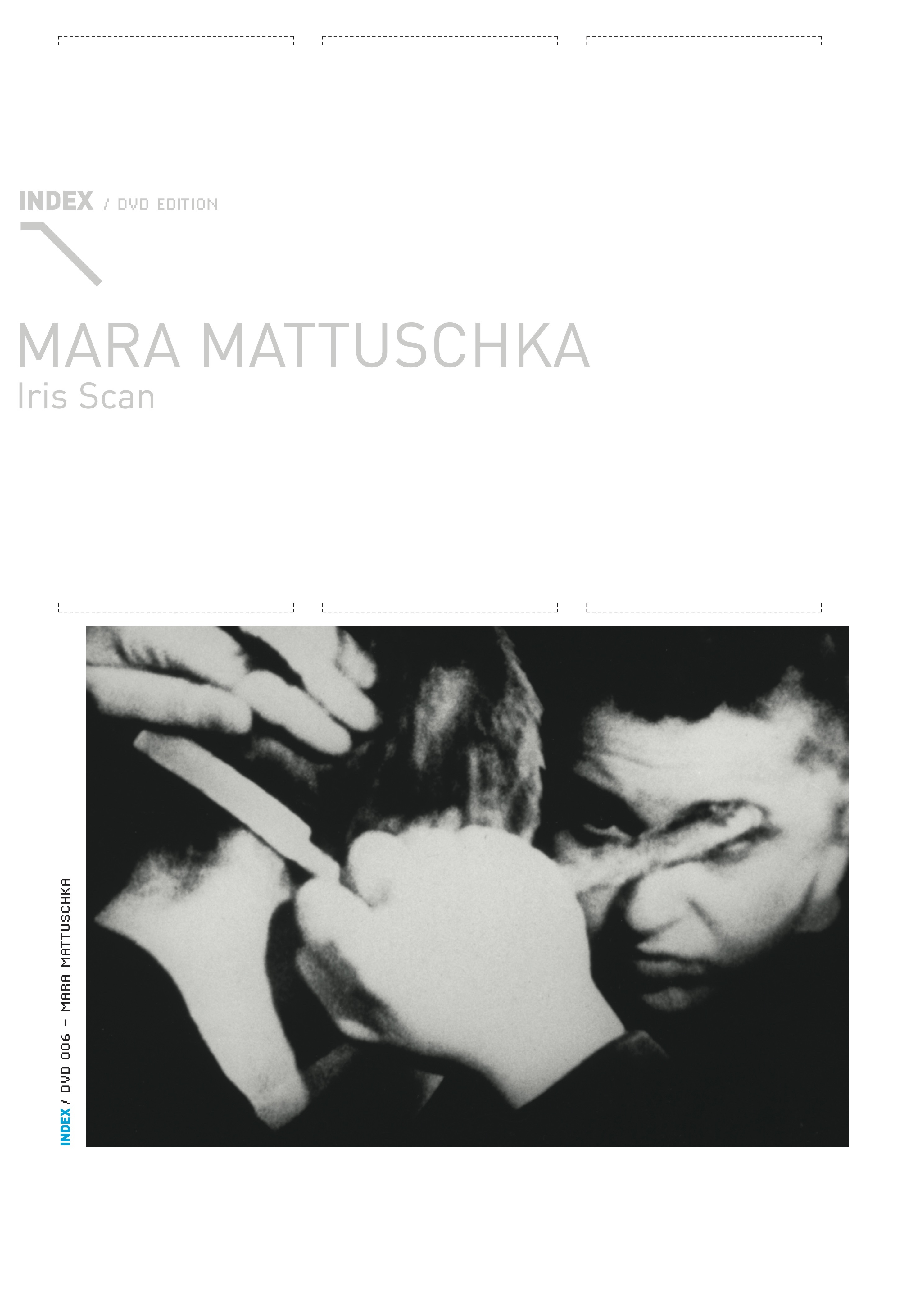
Mara Mattuschka’s entrance into the world of cinema feels less like a debut and more like a detonation of everything the frame assumes about humanity, language, and the permeable membrane that binds them. Born in 1959 in Sofia, Bulgaria, she uprooted herself at 17 and resettled in Vienna, a city of German syllables at first beyond her command. While acclimating to her new environment, she felt her native words eroding, slipping into an interior exile. What disappeared in speech resurfaced in image, as visual media became the refuge through which she could still articulate her thoughts. She began with short films (“epigrams,” “aphorisms,” and “two-liners”), each a tight blast of vision that compressed poetry into movement. And from the outset, she conjured an alter ego for the screen: Mimi Minus, a persona equal parts mask and reveal.

Gifted mathematically, Mattuschka also studied painting and animation under Maria Lassnig at the University for Applied Arts, where she learned that the flesh could be a medium as honest as pigment. “I use my body as an instrument,” she says. “It is brush, pencil, and thought.” Yet she resists classification as a breaker of taboos, which remain surface-level distractions from the deeper strata where psychological necessity meets material expression. Sex, in her universe, is rarely sex but an assimilation, something closer to action painting than transgression. Her films teem with this notion of “non-verbal understanding,” a physical comprehension of the world that predates and outlives the almighty utterance.

This early philosophy materializes vividly in Nabelfabel (NavelFable, 1984), in which Mattuschka stages a second birth through pairs of tights in what amounts to a ritual and a comedy rolled together into one. Magazine mouths, newspaper masks, notebook-paper credits: all media collapse as she plunges her head into the nylon cocoon and wrestles her way out by means of lips, tongue, and face. Negative images flare; lines are drawn and abandoned. The sound skitters as a distressed record, a creation myth in the form of a self-portrait.

Meanwhile, mischief abounds in Cerolax II (1985), a commercial break from the world’s unconscious, with Mimi Minus hawking a brain-cleaning agent. Writing in black ink on a mirror, she makes herself surface and solvent. Skin becomes animation cel; sprays and marks imply a purging from within, a shedding of psychological residue—“lax” as laxative, but for thought.

In Der Untergang der Titania (The Sinking of Titania, 1985), Mattuschka turns the titular goddess into an outcast, imagining her not as a symbol of fulfilled love but as a woman whose power stems from unrealized desire. A bathtub that should drain becomes fertile instead, filling with ink that shrouds sexuality in shadow. Titania bites an apple, muses on the absence of love, and paints a pear instead. “No one,” she insists, “can understand love better than a woman who may be enjoying it for the first time.” Longing, here, is its own gravitational field.

Likeminded interplay of embodiment and machinery pulses in Kugelkopf (Ball-Head, 1985), Mattuschka’s “Ode to IBM,” where she becomes a typewriter made of flesh. With Carmen blaring, her shaved and bandaged head becomes a stamping device, printing letters and bull’s horns in a swirl of bravado, a typewriter ribbon serving as the matador’s scarf. And outside the window, life ambles on, unaware of the performance above, an oblivious world moving in quiet amnesia.

Mattuschka’s fascination with systems culminates in Pascal-Gödel (1986), a meditation on the union of numerators and denominators. Mimi plays chess on graph paper against her own negative double. Wine pours and reverses with melodramatic impossibility. Ink seeps across the board, thought overrunning form. Silence becomes the only language capable of holding such an equation.

That tension between interior and exterior bodies shifts into nervous-system poetics in Parasympathica (1986), where sweat, tears, ejaculate, and vaginal fluid become a painterly palette. As a male voice muses about butterflies, Mattuschka appears in stark black and white, hovering somewhere between nature documentary and dreamscape. Protection and compromise blur, holding the question open.

Childhood curiosity takes on unsettling pliability in Les Miserables (1987), animated with water-soluble pigments and the artist’s own saliva. A boy and a girl wander in search of another girl, whose genitalia prompts the question, “Is that real?” Her violation reduces her to vowels, a prelinguistic utterance that is less than language. Set in the impossible year 1001, the film warns that “hearing and sight are easy to blight.” Innocence and injury fold into each other, Mattuschka’s sealing the sequence.

That same year yields Danke, es hat mich sehr gefreut (I Have Been Very Pleased), a hyper-bright faux fashion advertisement shot on a radioactive beach, where she pleasures herself as the camera steadily withdraws. Her climax dissolves into electronic distortion—witchlike, feral, uncontainable.

The dissolution of language becomes literal in Kaiser Schnitt (Caesarean Section, 1987), where alphabet soup becomes an anatomical cipher. While she cooks, an EKG line animates across paper. Utensils transform into surgical instruments; the body becomes a site where text is extracted. Mattuschka slices open an ink-filled slit, removes letters with tweezers, and arranges them through a visceral surgery.

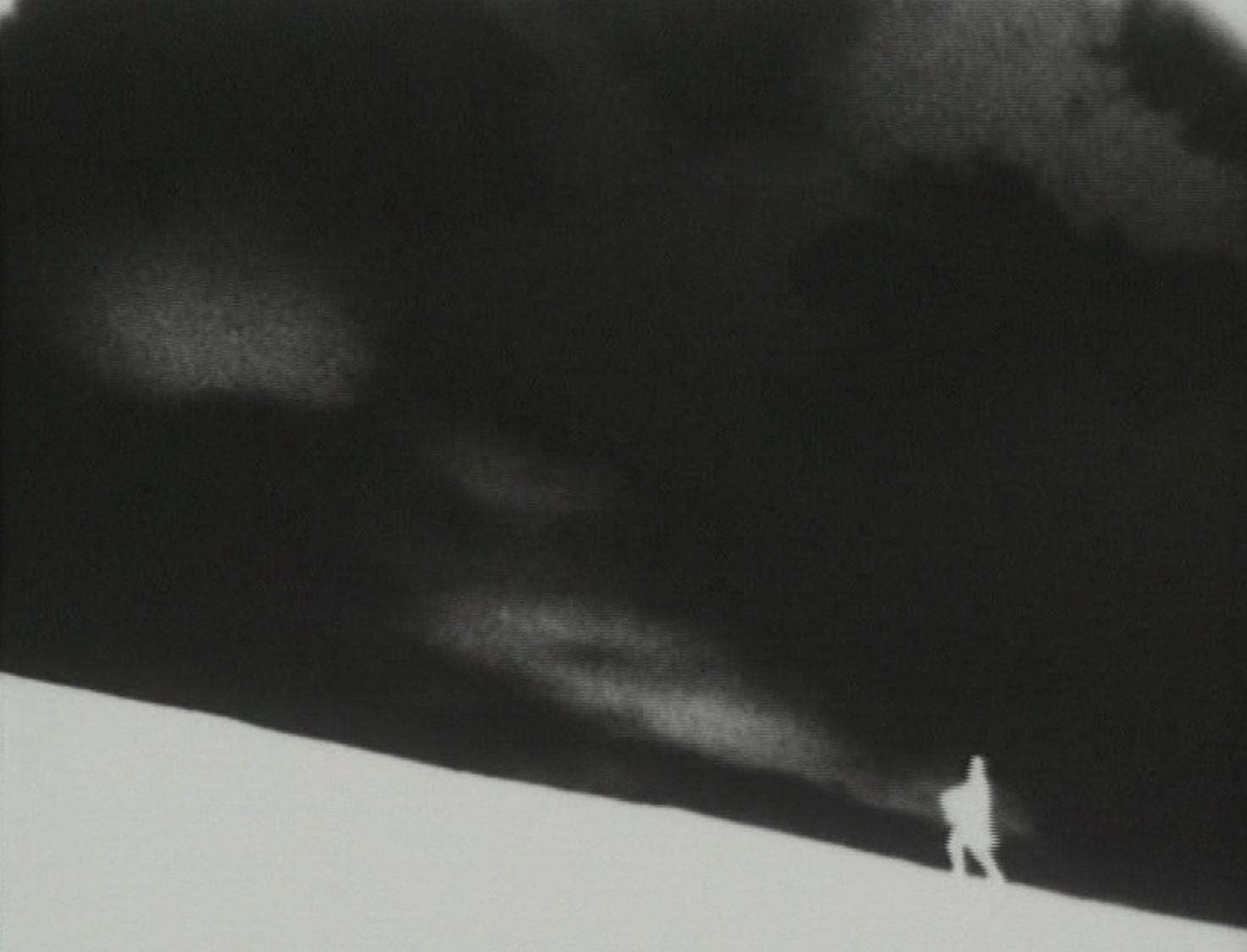
In its aftermath, motherhood becomes both a burden and a creative engine in Der Schöne, die Biest (Beauty and the Beast, 1993). A figure climbs a hill, possibly carrying a newborn. Scenes of feeding, climbing, dressing up, reciting poems, and playing a stringless violin evoke a life pulled between creation and constraint. She emerges through a tunnel of cars, as if re-entering the world after an inner voyage.

Her 1993 S.O.S. Extraterrestria turns this negotiation outward, connecting modesty and destructiveness through unseen pipes that thread humanity’s waste beneath the surface. Covered in tights, she regards herself in the mirror, tuned to radio transmissions. Trying on clothing becomes existential calibration. She plays Godzilla, lays waste to a city through superimposition, mates with the Eiffel Tower, and is electrocuted; her voice remains half-formed, exploratory, testing the edges of articulation as everything burns around her.

A decade later, ID (2003) plunges into the horror of doppelgängers, mating, and cannibalism. Her voice drones in wordless surges as her face morphs into its own Other, the self dividing and devouring self on a never-ending escalator.

And somewhere at the center of it all sits the modest bonus piece “Ahm…”, a brief self-presentation in which Mattuschka faces the camera and utters only that single suspended syllable. Forever on the verge of speech but withholding the utterance, she captures a moment both uncomfortable and profound, a miniature manifesto of hesitation, possibility, and the unsaid.

Across these works, a single principle emerges: Mattuschka inhabits the body not as a subject but as an instrument that produces meaning through gesture, residue, and metamorphosis. Her films do not break conventions so much as dissolve the structures that make them legible in the first place. What remains is a site of simultaneous vulnerability and invention.

Mattuschka’s cinema suggests that identity is always in revision, never a noun but a verb that bargains with the world’s materials. Her forms multiply, distort, leak, and reform, questioning whether language belongs to the self or vice versa. Meaning begins long before we learn to speak and continues long after words fail. She is an archive, a painter’s brush, a battlefield, an oracle, the first medium and the last. She reminds us that being human means being perpetually unfinished, always pushing against the skin of our own becoming, always trying to articulate something just beyond what we can say. Which is why we are only left with her looking into the camera and saying, “Ahm…” It is the sound of art beginning again.