

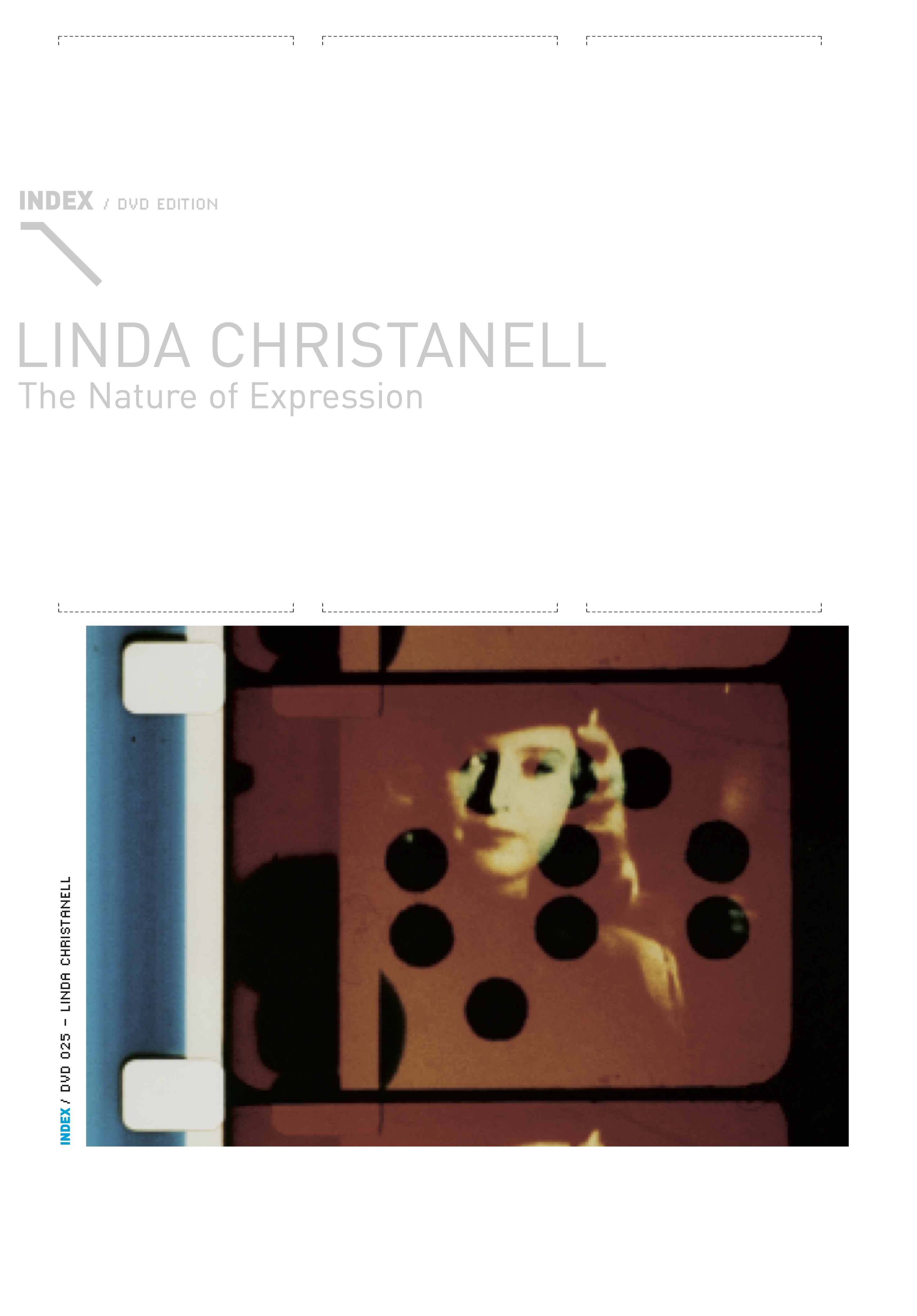
Linda Christanell’s visual world is a private cosmology, an archive where gestures, textures, and emotional sediments gather. Her films feel handmade in the deepest sense, not crafted for display but touched into being, shaped with fingertips rather than lenses. She overlays, erases, scratches, and turns fragments in her hands until their hiddenness begins to glow. If performance art exposes the body as instrument, Christanell exposes the image as skin, something bruisable and permeable that carries longing within its grain. Her work moves between between domestic stillness and mythic reverberation, and in doing so reveals how easily a drawer of keepsakes can hold, beside a childhood souvenir, a relic of political terror.

This duality appears with particular sharpness in NS Trilogie – Teil II, Gefühl Kazet (1997), where traces of fascist imagery are reworked into a spectral rumination. A dog moves backward through the snow, an uncanny motion that seems both tender and disquieting, placed against the rigid authority of a Nazi uniform. Such a gait feels like the world struggling to undo its own horrors. Arvo Pärt’s Sarah Was Ninety Years Old rises and folds into itself behind the images, giving the film a liturgical pulse, as empty hallways suggest abandoned ideologies. Christanell lingers over the faces of laughing women, over portraits that fade, and over the complacency of those who enabled cruelty. Wolves run through this layered terrain, hunting what cannot be seen, as though history were still pursuing its prey. A view through a train window appears as a tear in the fabric, a momentary aperture of escape. The film’s spiritual quiet is not soothing. It is vigilant, a reminder that memory can be both fragile and predatory.

Mouvement in the inside of my left hand (1978) turns the body into a geological map. Creases resemble mountains, fields, and fault lines. The hand becomes a temporal landscape where the faint words “How long will I live?” emerge before dissolving. The gesture evokes palmistry but refuses prediction. Christanell is not asking for an omen.
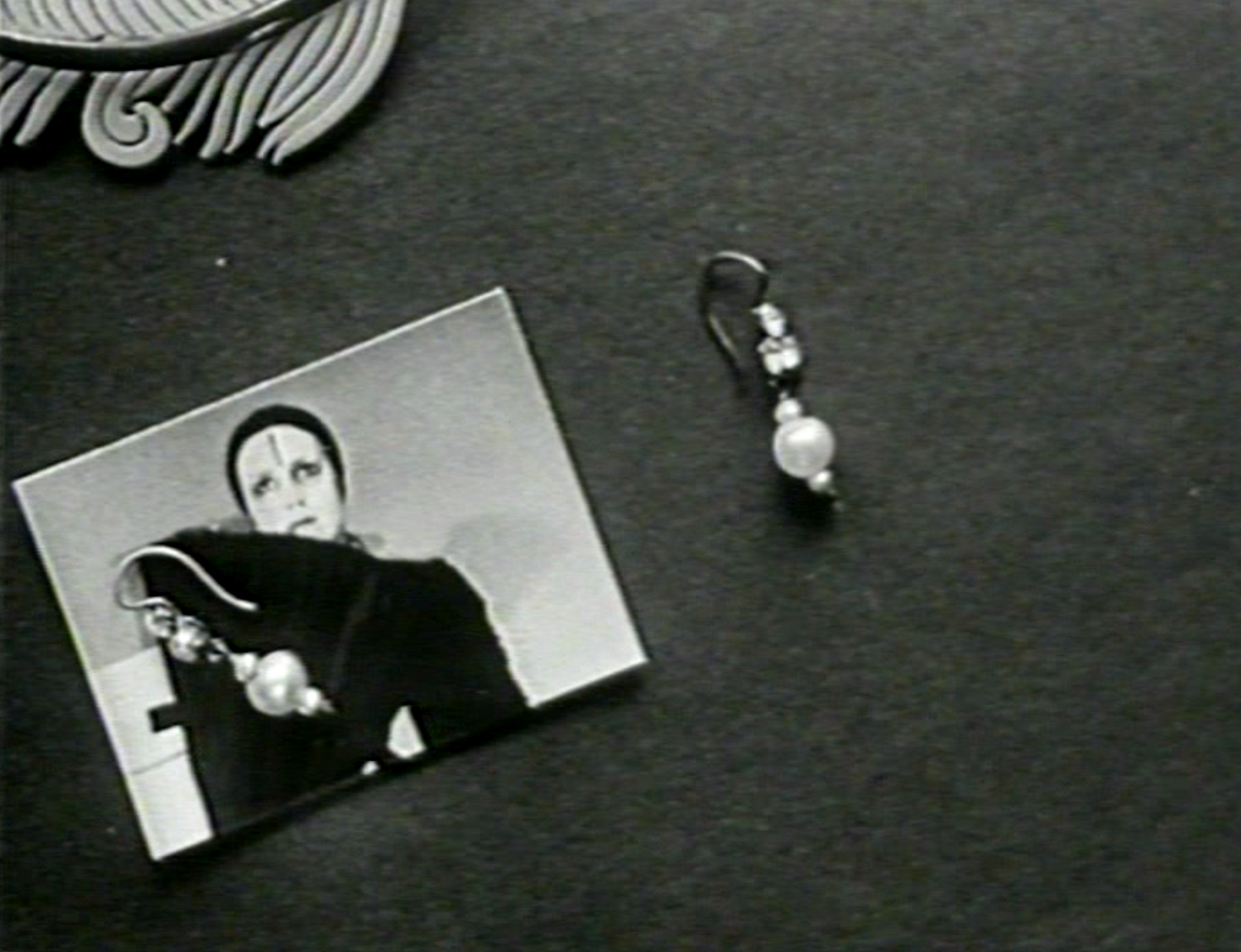
Fingerfächer (Finger-Fan, 1975/82) draws such attention into the micro-world. A catalog of objects and small actions unfolds against shifting sound: a drone softens into a cappella murmuring, breaks into a punk-like thrust, then fades into fragile strings. The effect mimics the sensation of rummaging through an old box of belongings where an ordinary object suddenly offers a memory before returning to anonymity.

The body returns in For you (1984), where Christanell presses a hat pin into her palm until the skin dips inward but does not break. The gesture is charged yet restrained. No blood appears; violence remains suspended. The crystal tip of the pin casts a trembling shadow over a photograph, an ode to the boundary between pain and meaning and to the quiet devotion that accompanies every attempt to preserve recall without destroying it.
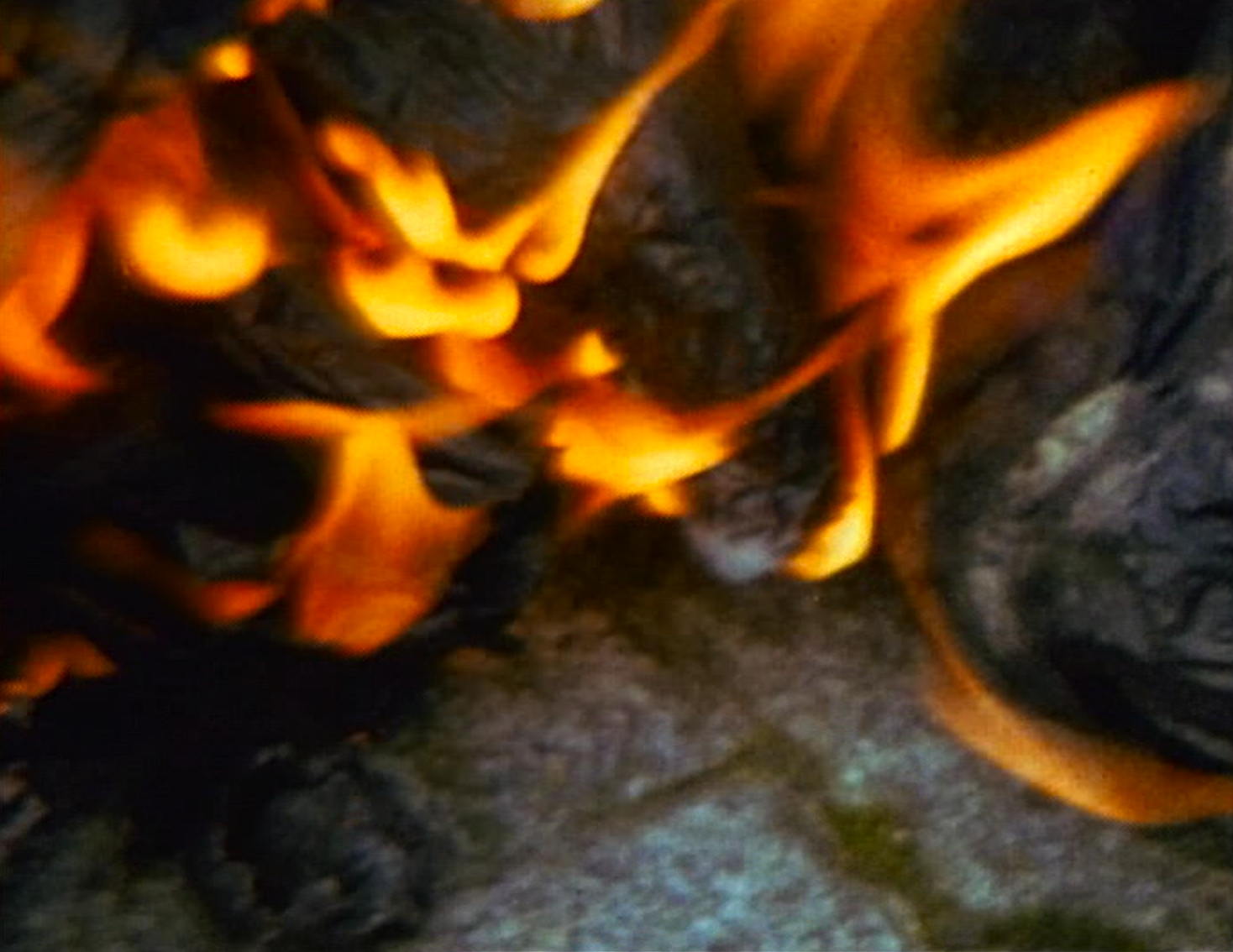
All can become a rose (1992) explores desire as a transformative force. Water ripples across red leopard print. An embroidered lion shimmers. Something burns. Thus, our regard is shown to alter the material world, not through symbolism but through genuine transfiguration. Under the pressure of fantasy, objects become something they are not.

The compilation reaches a still deeper register with Picture again (2002), where the filmmaker overlays fragments of Double Indemnity with her own documentary footage from Berlin and Madrid. Barbara Stanwyck and Fred MacMurray hover in suspended tension, their noir seduction stretched into near abstraction. Brief flashes of pornography appear, not enough to arouse but enough to illuminate the underlying architecture of male fantasy within classical cinema. Christanell’s gesture is quiet and exact, a softer yet no less powerful counterpoint to the more aggressive deconstructions of many male avant-gardists in the INDEX series.
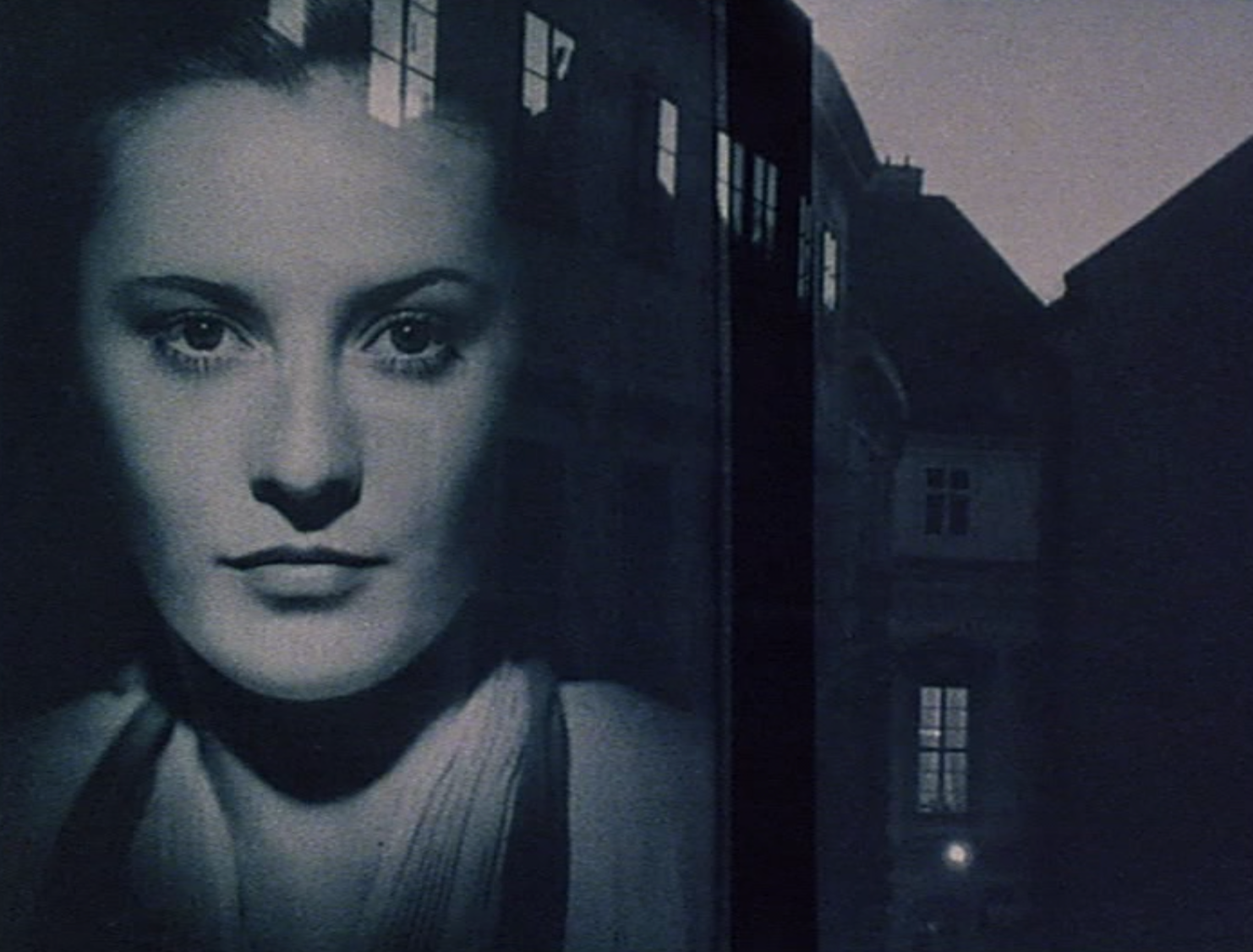
Moving picture (1995) revisits Stanwyck, setting her against the textures of Christanell’s own childhood, including house façades, falling snow, wind-scoured eaves, piano phrases that feel half recalled. Birds pass through as if carrying traces of other lives. The film is gentle yet unsentimental, treating memory not as a place of retreat but as a terrain one revisits under shifting light.
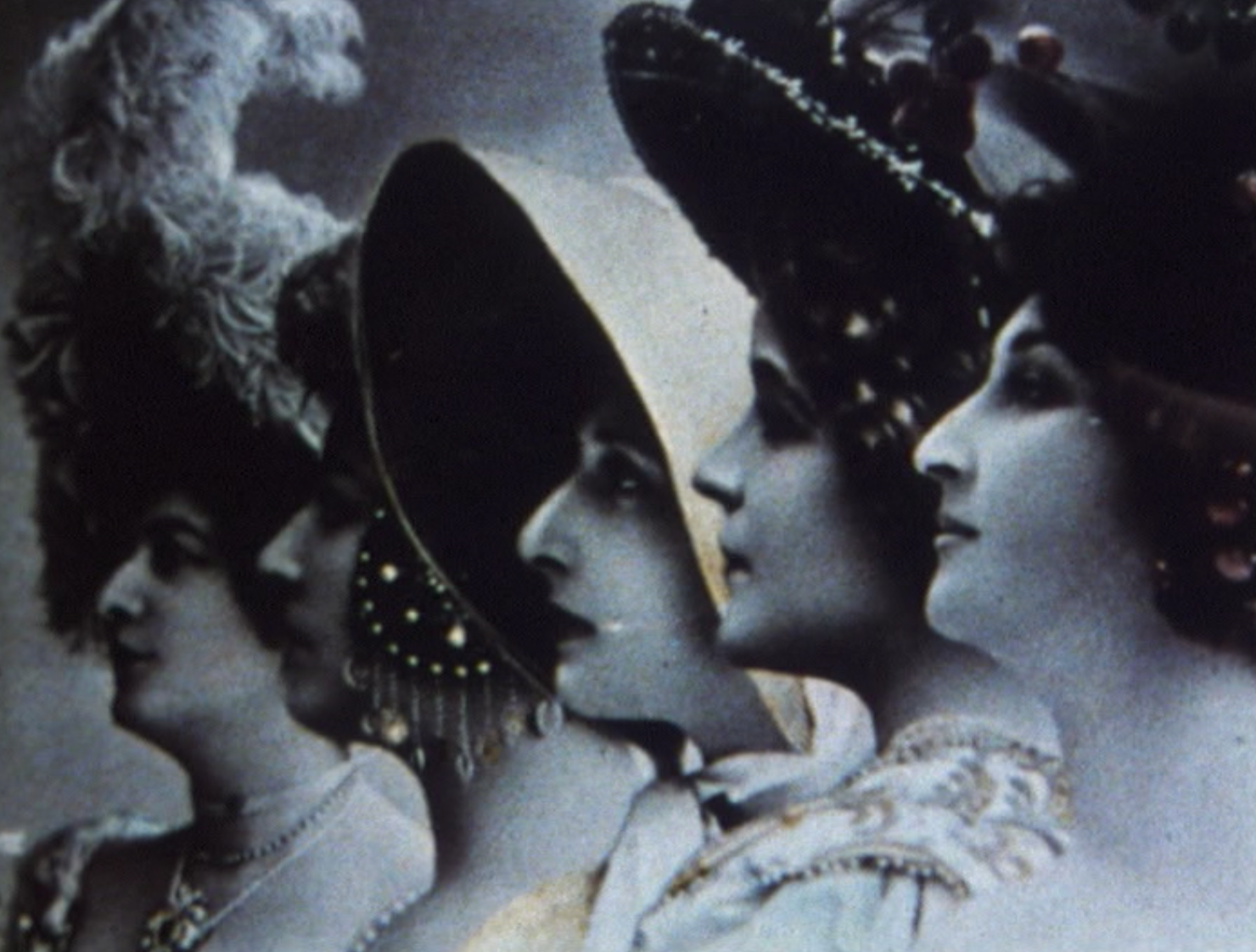
The bonus pieces, Change (1978) and Federgesteck (Feather-Arrangement, 1984), are pregnant marginalia. A linen globe turns slowly, a pale breast-like form in rotation. Feathers and small objects pass before the camera in quick succession. Both works seek fascinations with surfaces and the quiet metamorphoses of the everyday, reminding us that even the simplest object can become a site of conversion.
Christanell speaks in languages coaxed from within, each a breath clouding its own windowpane. She studies objects as organs, bodies as relics, images as storehouses of collective trauma. Her films linger on the threshold between sensuality and meditation, between private ritual and public wound. Through their stillness, their repetitions, and their tactile nearness, they reveal that expression is not a display but an excavation, a gradual uncovering of what desire has kept hidden all along.
 Between Sound and Space: ECM Records and Beyond