Nils Økland/Sigbjørn Apeland: Glimmer (ECM 2762)

Nils Økland
Sigbjørn Apeland
Glimmer

Nils Økland Hardanger fiddle, violin
Sigbjørn Apeland harmonium
Recorded January and March 2021 at ABC Studio, Etne, Norway
Engineer: Kjetil Illand
Mixed January 2023 at Bavaria Tonstudio, Munich
by Manfred Eicher and Michael Hinreiner (engineer)
Cover drawing: Lars Hertervig, Sailing Boat, 1858
Album produced by Manfred Eicher
Release date: June 16, 2023

Representing nearly three decades of collaboration and exploring a repertoire that spans the gamut from traditional to improvised music (if not one and the same), fiddler Nils Økland and harmonium player Sigbjørn Apeland present Glimmer. The program takes inspiration from their native Western Norway, where Apeland has spent years collecting folk songs preserved by local singers. The duo also includes originals inspired by Lars Hertervig (1830-1902), whose drawing graces the album’s cover.

Most of the tunes survive in the living archive of their homeland, starting with “Skynd deg, skynd deg,” the melody of which melts like ice in the first dawn of spring. In this and its successor, “Gråt ikke søte pike,” Økland’s bow is a root plucked from the ground. The fiddle pulses with life beneath it, strands of potential others sprouting from its central branch, while the harmonium is the sunlight giving it sustenance. After this is “Valevåg,” the first of only two by Apeland (the second being the harmonium-only pulse of “Myr”). Dedicated to Norway’s first atonal composer, Fartein Valen (1887-1952), it is a snaking and mysterious piece that evacuates every mold it creates. This serves as a surreal prelude to “O du min Immanuel,” in which moments of far-reaching breadth wield navigational instruments of great intimacy. Such vacillations are what make the album so compelling.

Much of Økland’s writing favors the brief and the introspectional. Whether in the crystalline beauty of the title track or the haunting, rounded tone of “Dempar,” he draws with a potent pen across thickly fibered paper. And in “Rullestadjuvet,” for which he shares credit with Apeland, he brings forth an understated drama. With so much evocation practically dripping from their palette, they render every contour in three dimensions.

Among the traditionals that flesh out this curation, highlights include “Hvor er det godt å lande” for its dreamy splendor, “Se solens skjønne lys og prakt” for its cinematic charge and magical harmonics, and “Nu solen går ned” for reaching farther than it seems two instruments can. All of these are hymns to something, somewhere.

This is one of those special combinations of instruments that belongs in the same category as Inventio or Ojos Negros, resulting in music that leaves its shadow behind as a reminder of where it has yet to roam.

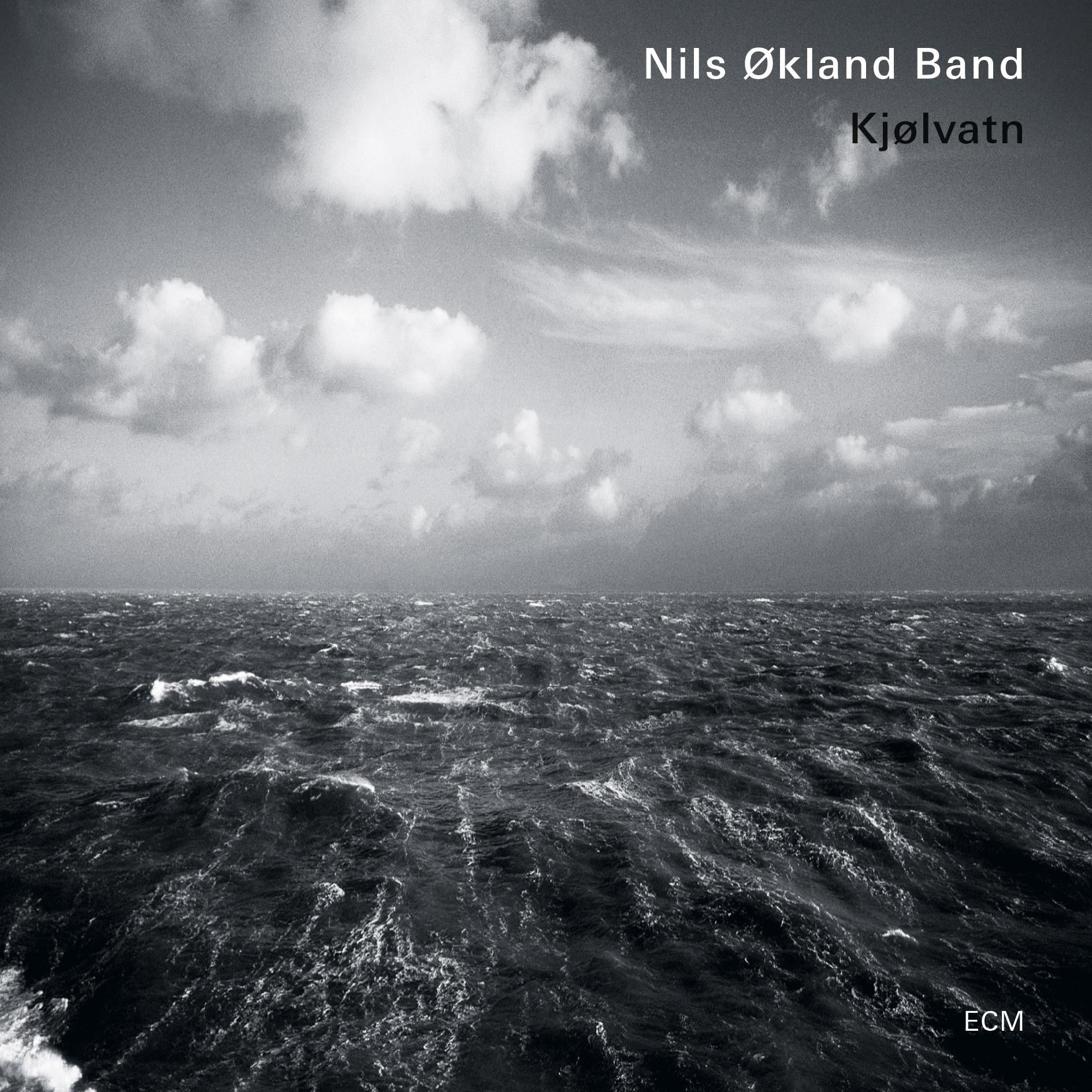
Nils Økland Band: Kjølvatn (ECM 2383)

Kjølvatn

Nils Økland Band
Kjølvatn

Nils Økland viola d’amore, Hardanger fiddle, violin,
Rolf-Erik Nystrøm alto and baritone saxophones
Sigbjørn Apeland harmonium
Mats Eilertsen double bass
Håkon Mørch Stene percussion, vibraphone
Recorded June 2012, Hoff Church Østre Toten, Norway
Engineer: Audun Strype
Executive producer: Manfred Eicher
U.S. release date: April 8, 2016

Since his 1996 solo debut, Blå Harding, Norwegian Hardanger fiddler Nils Økland has charted a range of melodic waters, always docking at the intersection of traditional and contemporary music. His relationship with ECM has produced a series of artistic statements, each more cohesive than the last. His first for the label was 2009’s Monograph, a solo album of great scope that led to 2011’s Lysøen, in duet with Sigbjørn Apeland. And now we have Kjølvatn, for which he has assembled a full band under his own name. Apeland rejoins the fray, here playing harmonium, along with saxophonist Rolf-Erik Nystrøm, bassist Mats Eilertsen, and percussionist Håkon Mørch Stene. Each has lived in that gray area between folk, jazz, and classical, and funnels his unique experiences into Økland’s sound-world like grains of sand through an hourglass.

Having worked with these musicians for years in some configuration or another (all except Nystrøm played on Bris, released in 2004 on Rune Grammofon), Økland revisits a trove of older material with special familiarity. A look at even a few of the tunes shows the breadth of his network. He wrote “Mali,” for instance, after attending a concert by Swedish rapper Timbuktu. The band’s profiles cohere evocatively in this opening piece, as in the album’s title track, a retroactive score for the 1933 Scottish silent film The Rugged Island. “Undergrunn” (Underground), too, feels quite integrated, arising as it did from a collaboration with the London Sinfonietta around folk motifs. Such diversity of origins suggests that Økland’s influences are as complex and fragmentary as life itself.

NOB
(Photo credit: Ellen Ane Eggen)

Økland employs a variety of open tunings on the album, each of which has its own special name. The “dark blue” tuning (D-D-A-D) is heard on the processional “Drev” (Drifted), wherein are bolded Stene’s percussive colors, and “Start” the so-called “troll tuning” (B-E-B-D#). In the latter, Økland combines ancient structures and modern minimalism, both of which he sees as relying on short motifs multiplied to form larger structures.

Økland has been increasingly inspired by the viola d’amore, which like his mainstay instrument has extra strings that vibrate sympathetically beneath the main four, and on tracks “Puls” and “Skugge” (Shadow) he draws a darker soul from this cousin. In the former piece, the heartbeat is evoked by Stene on kettledrum, while Eilertsen explores kindred frequencies. Over this, a flight from Økland’s bow touches the ocean with a wingtip in search of nesting territory.

Location matters a lot in Kjølvatn, which was recorded at the Hoff stone church in the countryside of Norway’s Oppland county. Økland’s go-to engineer, Audun Strype, captures the church’s resonant bounce, allowing the rougher, more organic aspects of the performance to exude clarity. One may hear this especially in “Fivreld” (Butterfly), an alluring piece of ambience in which the harmonium breathes like sunlight through foliage. Made for a ballet performance at Haugesund Theater in Økland’s hometown, it veritably dances.

Other references to Økland’s past are found in “Blå harding” and “Amstel.” Earlier versions of both appeared on the aforementioned debut. The first is something of a blues dedicated to his Hardanger fiddle teacher Sigbjørn Bernhoft Osa, while the second, which closes out the album, is greener, its organ-like harmonium reminding us of where we are.

Kjølvatn rarely bubbles beyond a simmer, but its flavors are all the purer for it. It’s a significant move in Økland’s career, and exemplifies an artist who, despite denying any underlying message, understands the value of careful construction. And in a way, that is its practice: to create art for its own sake, devoid of political baggage and free to roam in search of new and welcoming ears.

(See this review as it originally appeared in RootsWorld online magazine here.)

Nils Økland Band review for RootsWorld

Now up for viewing over at RootsWorld online magazine is my review of Nils Økland’s latest ECM project, Kjølvatn. This album takes an evolutionary leap from his first two for the label, Monograph and Lysøen, by surrounding the Norwegian fiddler with a full band. A beautiful expansion of folkish atoms into forward-thinking molecules. Click the cover to read the full review and hear a sample track.

Kjølvatn

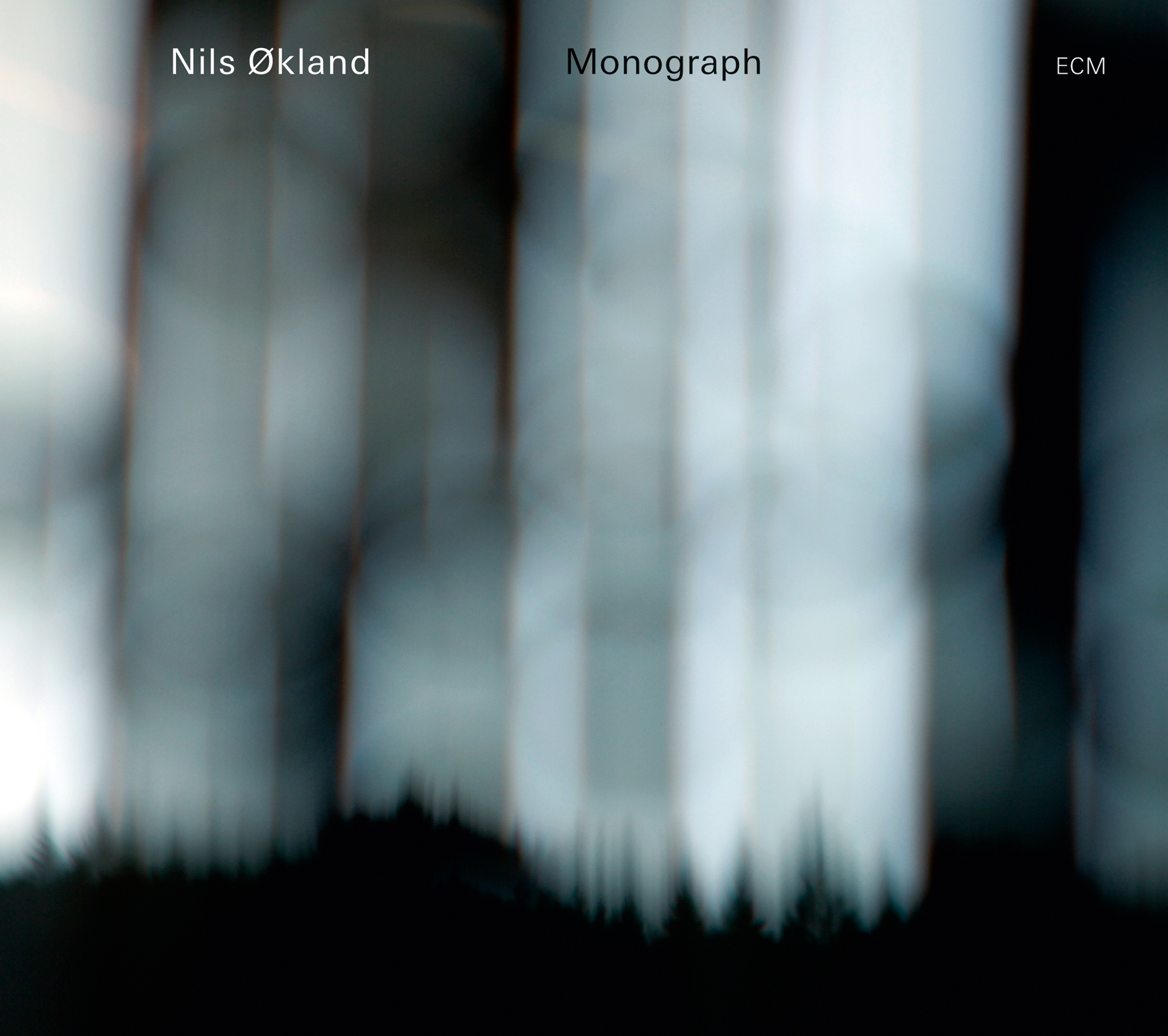
Nils Økland: Monograph (ECM 2069)

Monograph

Nils Økland
Monograph

Nils Økland Hardanger fiddle, violin, viola d’amore
Recorded July 2007, Olavskirken, Avaldsnes (Norway)
Engineer: Audun Strype
Executive producer: Manfred Eicher

From the caverns of Christian Wallumrød’s Sofienberg Variations and A Year From Easter, Norwegian violinist Nils Økland emerges with his first ECM leader date, a solo album of fully original design and character. The composing may be his own, but like the playing it has roots in many times and places. And yet, the album’s sense of the here and now trumps the need for reference and allows even those unfamiliar with Nordic fiddling traditions and their modern developments alike to appreciate the spirit of Økland’s craft in the raw. Sometimes bucolic, at others streamlined, it is always moving.

nils ¿kland nov 04 foto: lars o.
(Photo credit: Lars O. Flydal)

Monograph wears its title well. Over a 13-track traversal, its comprehensive program expounds on multiple combinations of string and bow. The Hardanger fiddle, a national instrument of Norway of which Økland plays three on the album, lends a sandy, hurdy-gurdy-like texture to five tunes. Between the urgent cycles of “Kvelartak” and the shifting harmonies of “Skimte,” the instrument sprouts a forest’s worth of leaves. Versatility reigns in between the dancing shadows of “Mono,” and the pliant highs of “Snor.” In each of these is the mineral taste of soil, chased by the cleanliness of air.

For the album’s three violin tracks, Økland plays a centuries-old instrument. “Rite” circumscribes the space in spirited dance, “Seg” sings in charcoal pigments, and the wing beats of “Nattsvermer” (the album’s closer) would seem to reference Paul Giger’s emotive solo work on ECM. Sounding almost improvised, it rests on a blade of poetry.

Rounding out are some pieces played on the resonant viola d’amore. Hints of Irish pasture braid Nordic currents in “Mønster,” vividly opening the disc. Similar geographical conversations abound in the syllogistic “Dialog,” while “Pas de deux” and “Ø” bring tender, even forlorn, images into frame, touching and separating like a dragonfly and its reflection.

All of which is to say that Monograph is ultimately more than a solo album. Økland’s sound is so rich, it sings in the voices of many with a talent surpassed by few.