

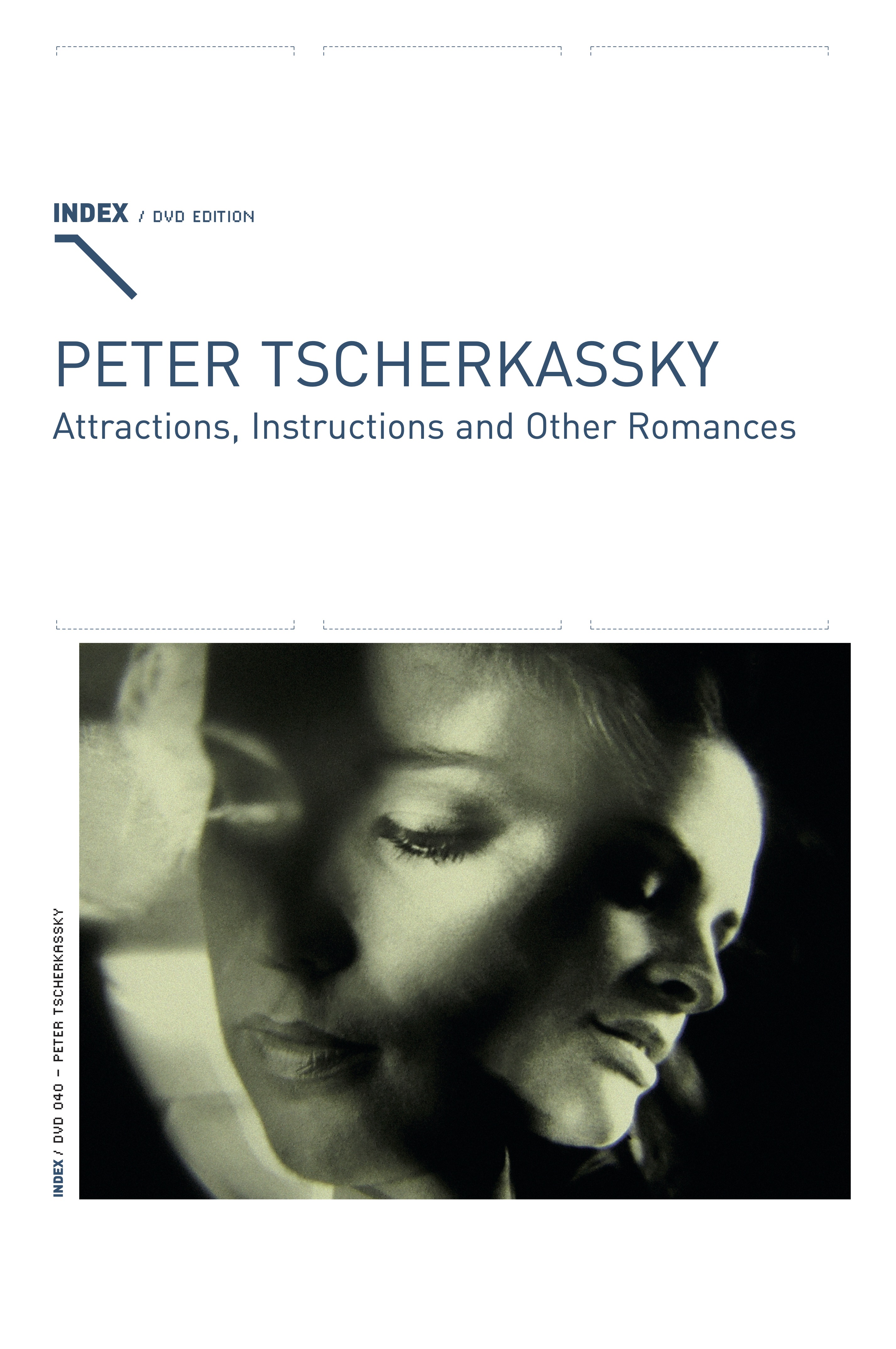
To engage with Tscherkassky’s practice is to confront the strange afterlife of representation itself, a realm where film no longer records the world so much as remembers its own ruin. What burns across his strips is neither nostalgia nor innovation but a deeper pulse, the kind that surfaces when a form recognizes finitude and begins to think through decay. Vision becomes autogenic, a mechanism studying itself from within, peeling back its surfaces to reveal the primal violence of exposure. Watching, one senses that matter is dreaming of being seen, as though consciousness had migrated into celluloid at the very moment it began to die. In this suspended state, we are compelled to interrogate conditions of possibility.
Christoph Huber observes that Tscherkassky “fathoms cinema’s potential as an intellectual machinery of associations and as a palpable experiential space.” This remains true, yet something more disquieting appears with sustained attention. He is among the rare artists who show that moving pictures have already crossed into a posthumous phase—or rather, that their death is a necessary precondition. He revives the corpse only long enough to out its allegiance to disappearance. What unfolds behaves as a series of postmortem documents that yields a final burst of sensual and intellectual life. He does not capture reality; he sifts through its remains. Handling emulsion, sprockets, perforations, and mechanical abrasion directly, he shows that the only place this apparatus still lives is in the final breath.
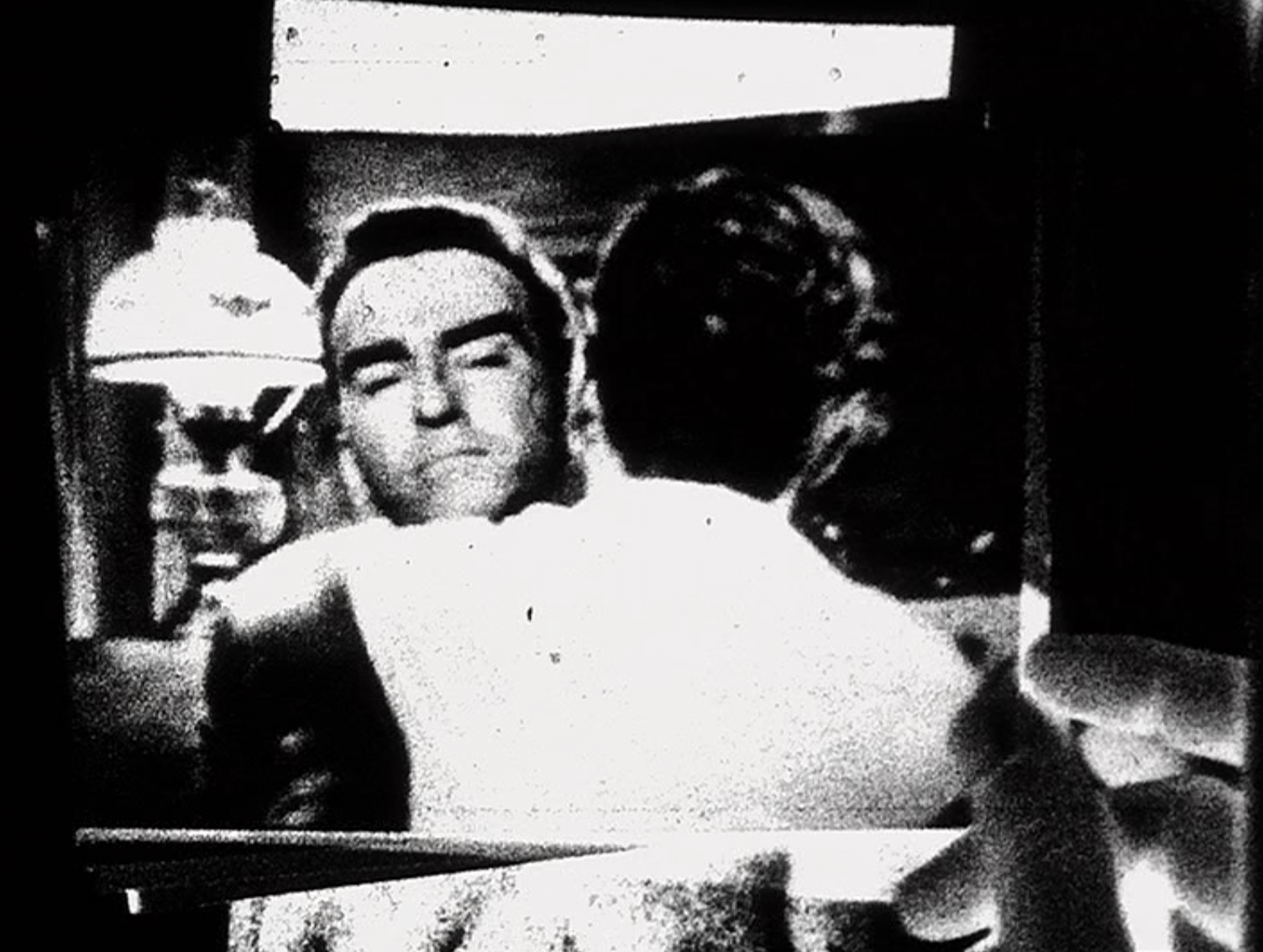
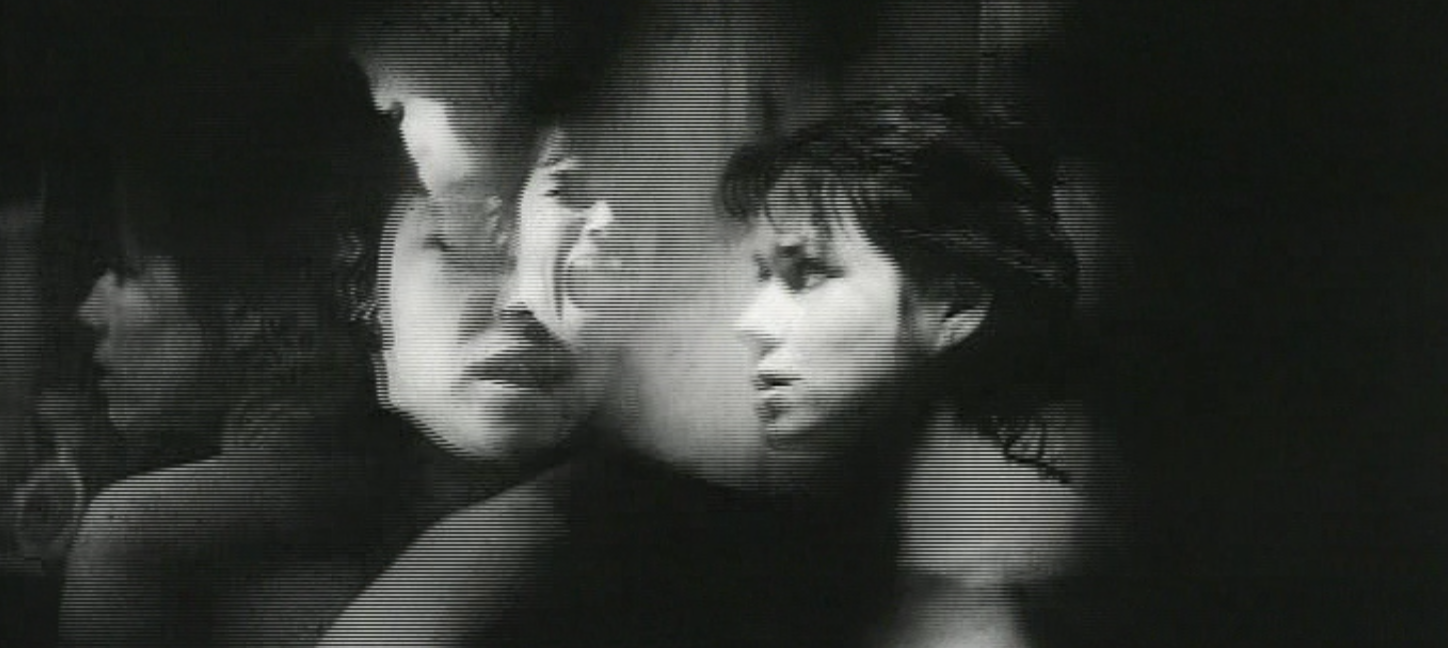
This recognition becomes deeply personal in Parallel Space: Inter-View (1992). A love scene between Montgomery Cliff and Lee Remick from Elia Kazan’s 1960 Wild River is isolated and reprinted on 35mm still stock, so the projection splits the embrace in two. Tscherkassky writes “The Physics of Seeing” and “The Physics of Memory” onto the surface, turning recollection into a mechanical act. The strobing becomes cognition: a self trying to remember itself even as the material erases the attempt. Domestic fragments and reflections intrude. The original eros dissipates, replaced by a strange eroticism of apparatus, the soundtrack mutating lovemaking into a newborn’s first cry. Desire abandons the bodies and migrates into the violent closeness of stock and exposure. Consequences, which lovers and spectators rarely consider, become etched accordingly.
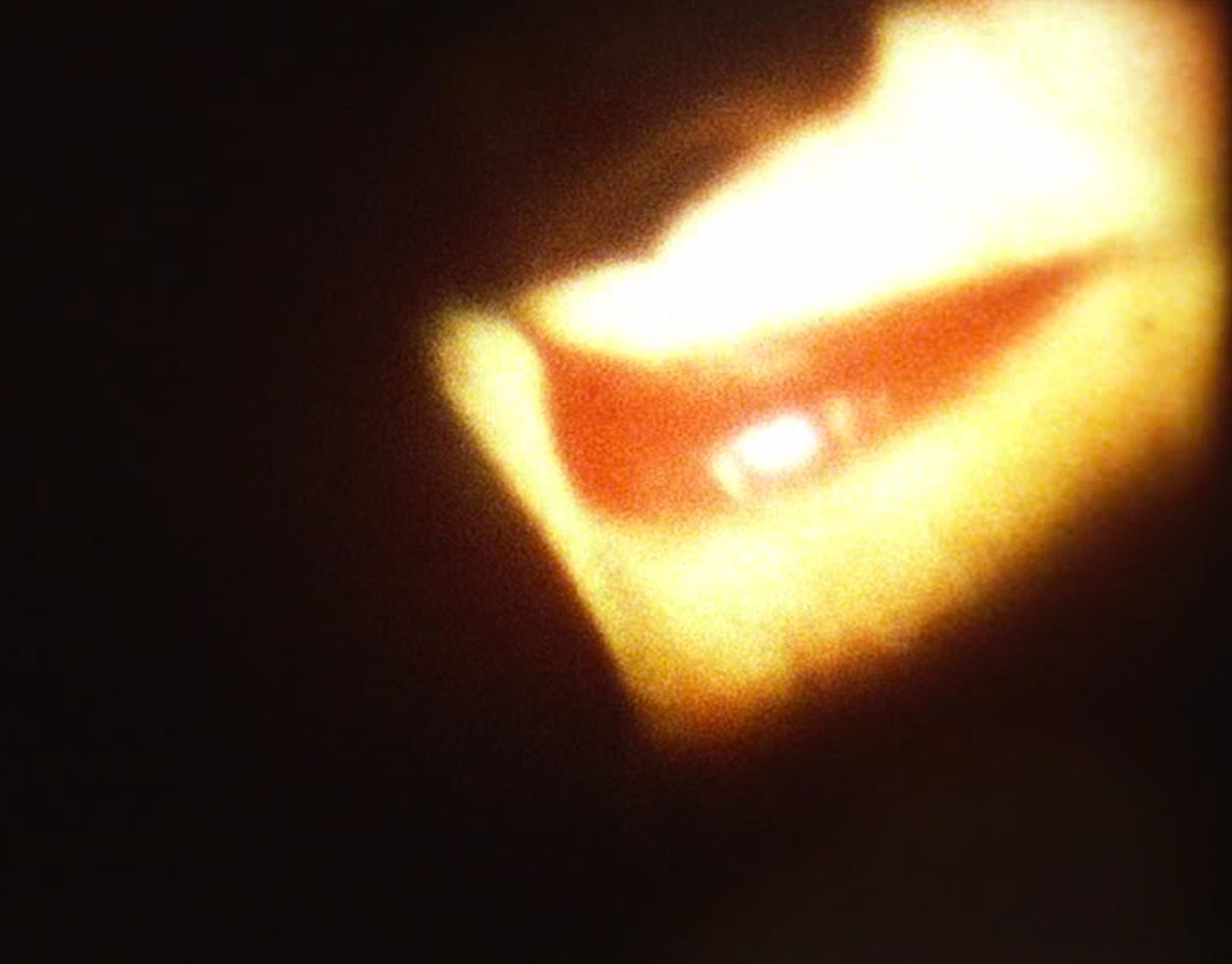
Erotique (1982) presents similar tensions in miniature. Lisl Ponger’s face appears in fragments, a visual homage to the musique concrète of Pierre Schaefer and Pierre Henry, sending its voltage far and wide.

Happy-End (1996) expands the idea of resurrection. Austrian home movies from 1965 to 1980 gain a dignity that history rarely grants private lives. The first half plays gently, nearly untouched, before overlays accumulate, bruising the memories they were meant to preserve. What once appeared stable now vibrates with the uncanny.
Recursion becomes literal in Shot – Countershot (1987), where a man fires a weapon and is struck by his own bullet. Thus, Tscherkassky converts the basic grammar of visual storytelling into a fatal loop. Cause and effect devour each other until nothing remains but the absurdity of a structure turning on itself.
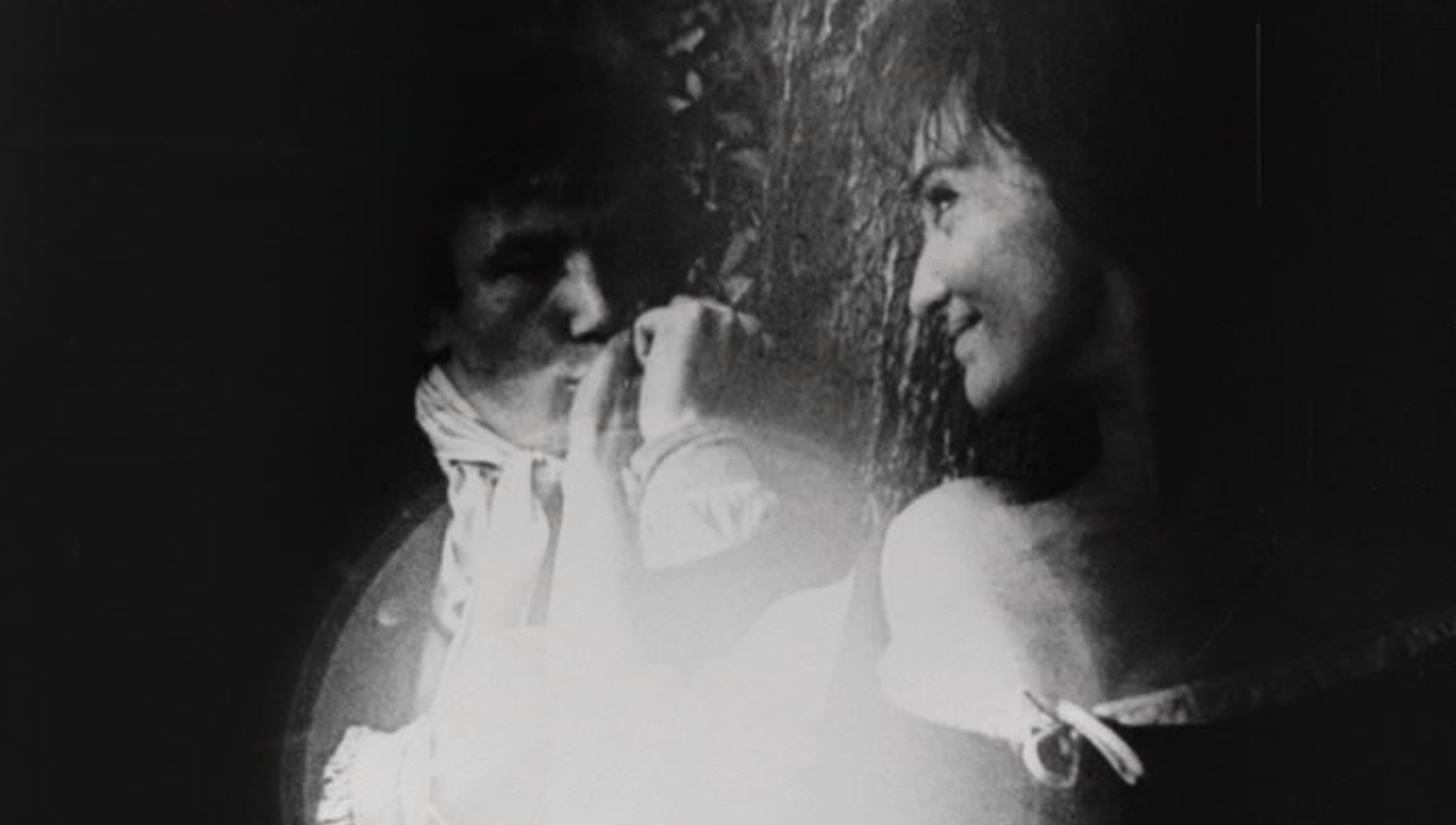
The self-attack resurfaces in Nachtstück (Nocturne, 2006), created for VIENNA MOZART YEAR 2006. A trembling pulse is fashioned from Eine kleine Nachtmusik, romance strained through temporal distortion until bodies dissolve into afterimages. An owl’s wink acknowledges the futility of preserving classical culture under its own conditions. Music becomes something the strip tries and fails ever so beautifully to hold.
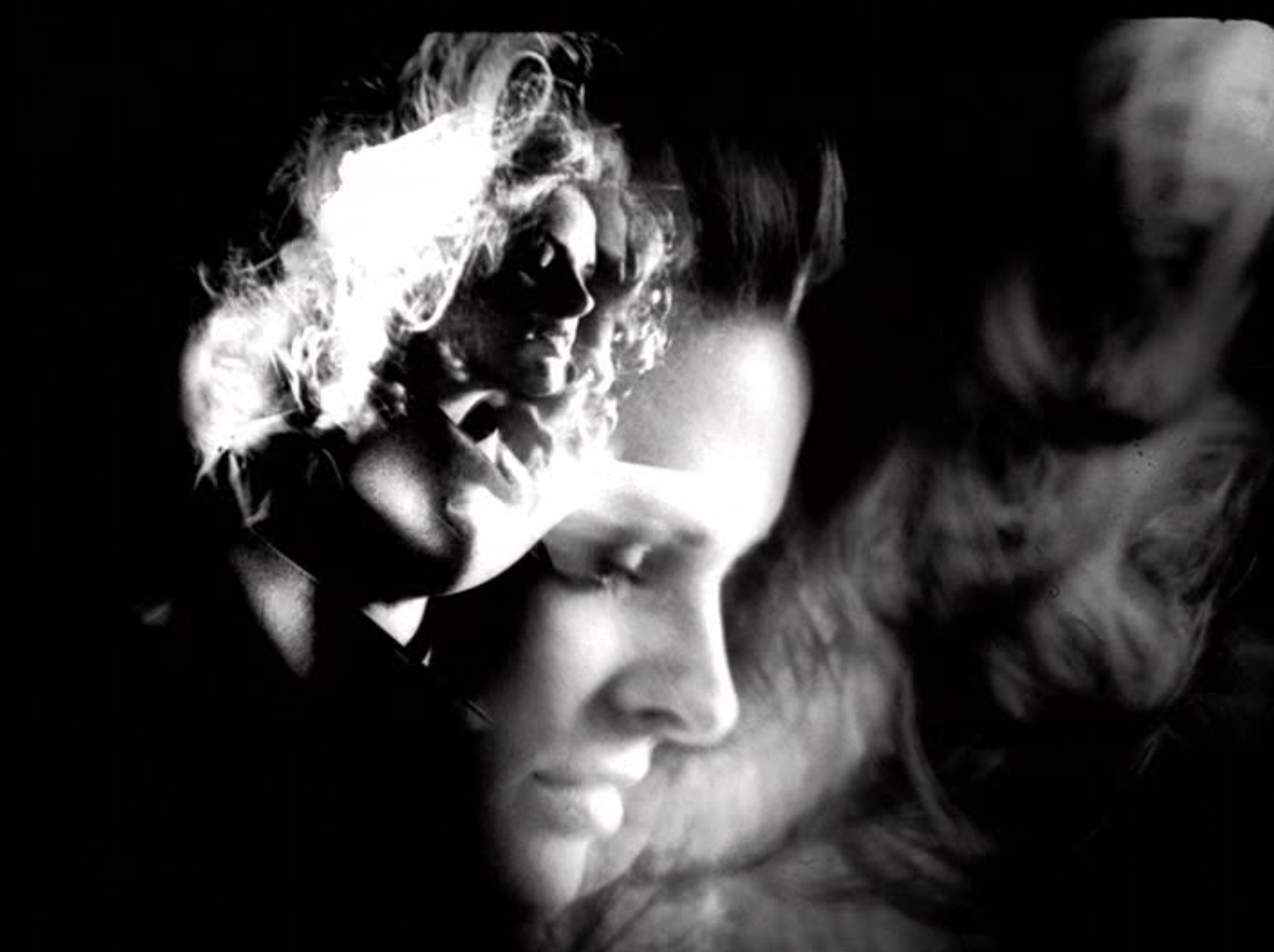
Tscherkassky’s ability to mine entire histories from discarded material reaches its peak in Coming Attractions (2010). In its tangle of vintage advertising footage, spokespeople push soap, stockings, soda; household labor becomes erotic display; voices break into stuttering prayer-wheel rhythms. The piece twists promotional language into a fever dream where faith, fetish, and commodity dissolve into one horrific whole. A woman initially framed as nun-like is revealed to be a performer wearing an inflatable hood. Yet even in such degradation, unexpected solace erupts, as if intentions were defrocked in favor of empathic vulnerability.
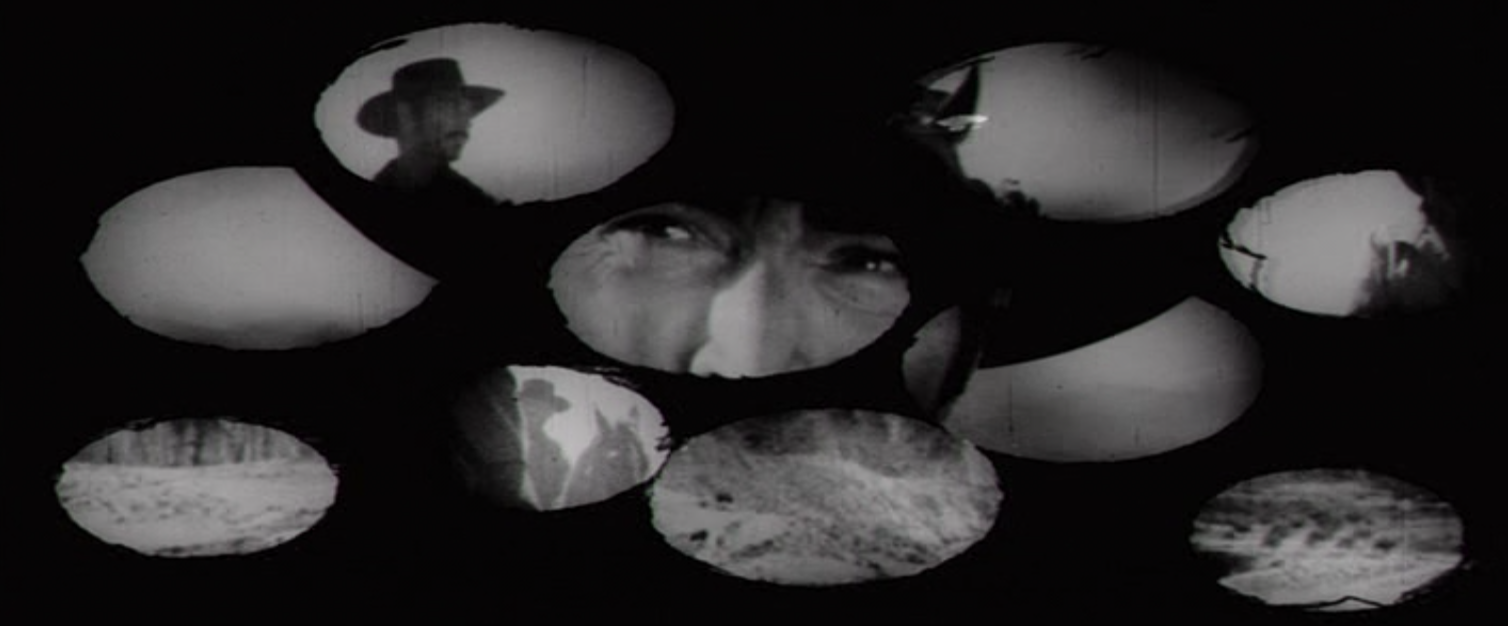
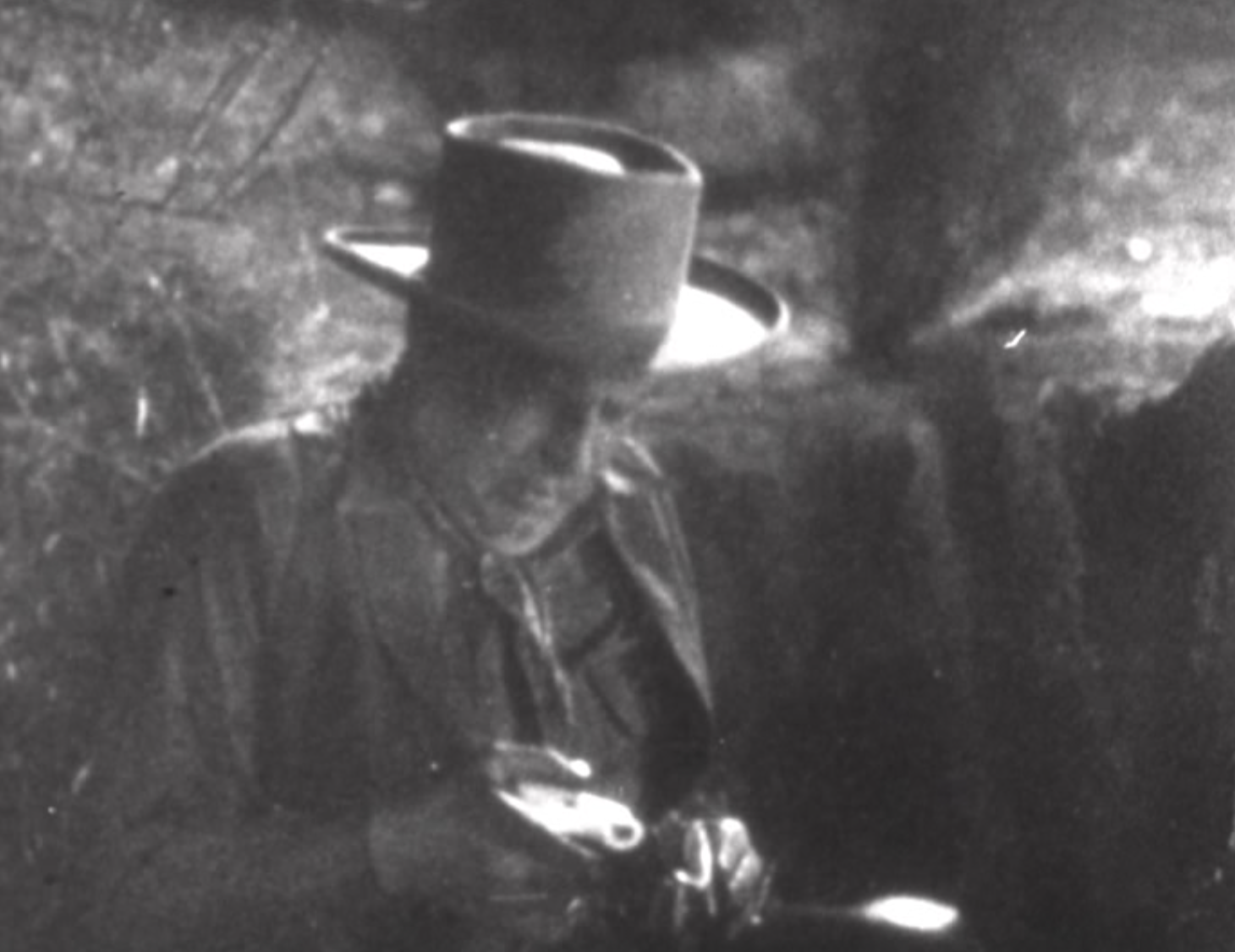
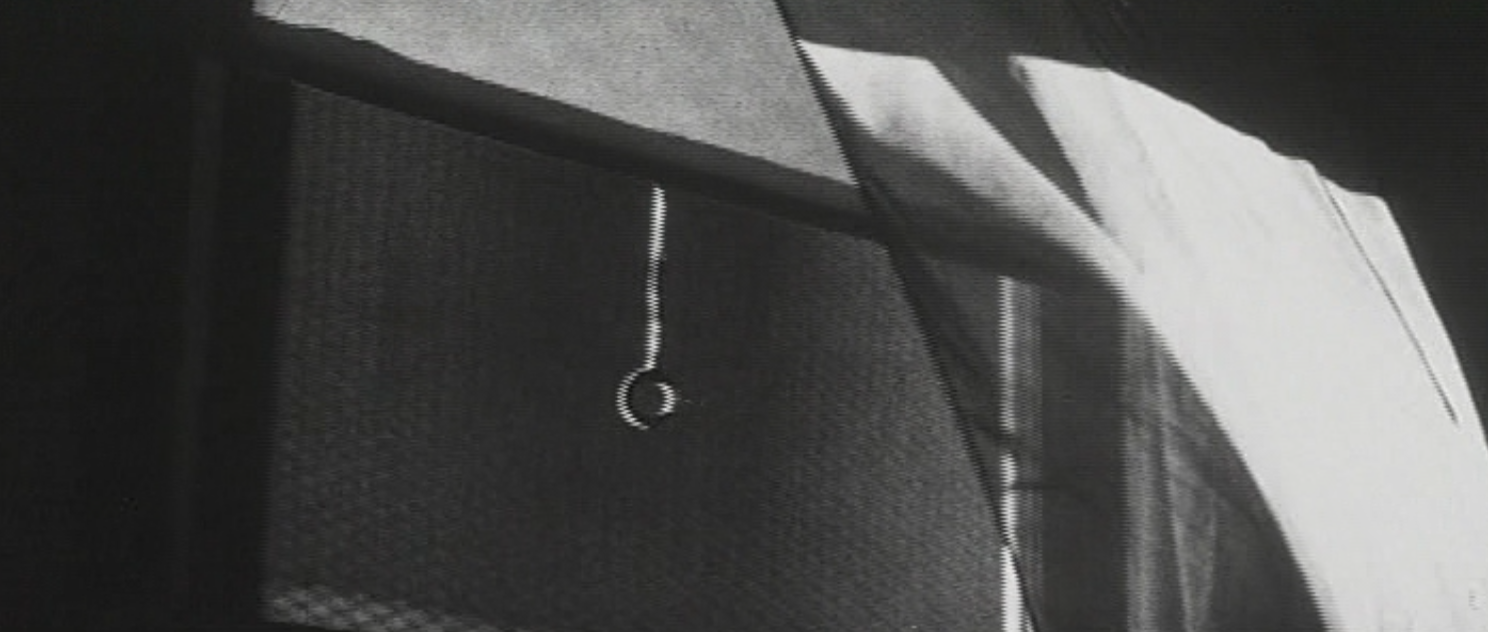
Instructions for a Light and Sound Machine (2005) turns to the canonical corpse of Sergio Leone’s The Good, the Bad and the Ugly, the showdown of which is reworked so that the characters catch themselves in combat with the medium itself. Weapons fire autonomously. The strip becomes an adversary. Hanging, shooting, stuttering, the frames panic and tear. Rescue comes too late. The apparatus turns against its creatures with the same operations that once generated them. Only by collapsing into teeth and static does it reveal its own architecture.
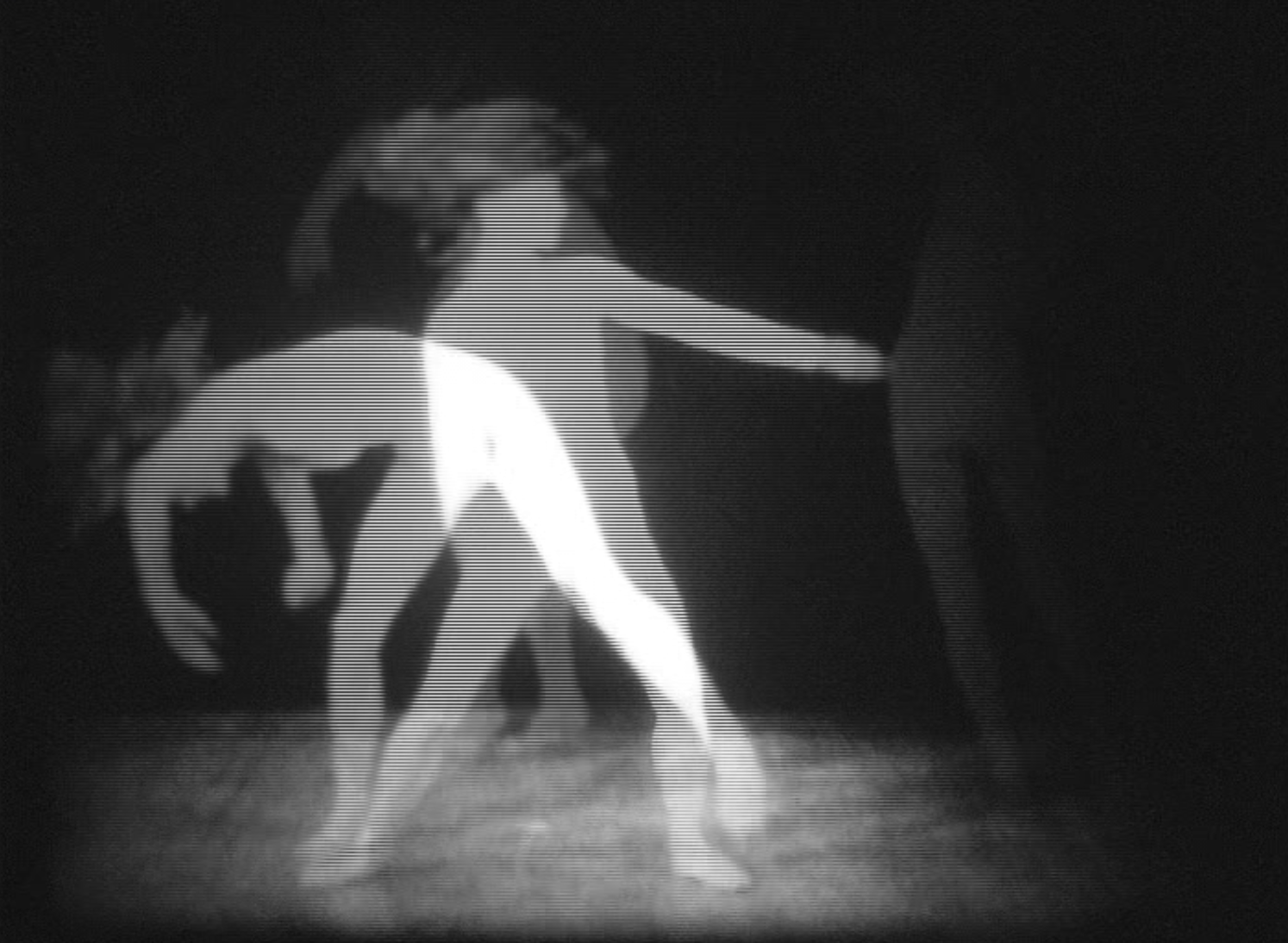
Even the early bonus short Ballett 16 (1984) demonstrates the body as an optical instrument, the frame as both prison and escape route. The seeds of collapse are already present.
Across this constellation, Tscherkassky shows that, unlike photography (which remains a living organism, capable of being cut, wounded, caressed, and jolted back into awareness), moving pictures are spirits still learning of their own passing. He stages this haunting so we may witness it in (un)real time. His appropriations feel more alive than their sources because he performs their autopsies and releases whatever vitality has been lodged therein. What lingers is neither medium nor method but a trembling field where perception hesitates before naming itself. Something passes through—unclaimed, unmeasured—like a pulse brushing against the threshold of form before dissolving again into the dark. It is there, in that brief stasis, that another kind of seeing stirs: a quiet flare that refuses inheritance, belonging only to the moment it ignites. Whatever follows is a mere residue of attention, a faint pressure on the mind reminding us that all acts of looking are born from the same vanishing point, and that creation begins precisely where comprehension falters.




 Between Sound and Space: ECM Records and Beyond