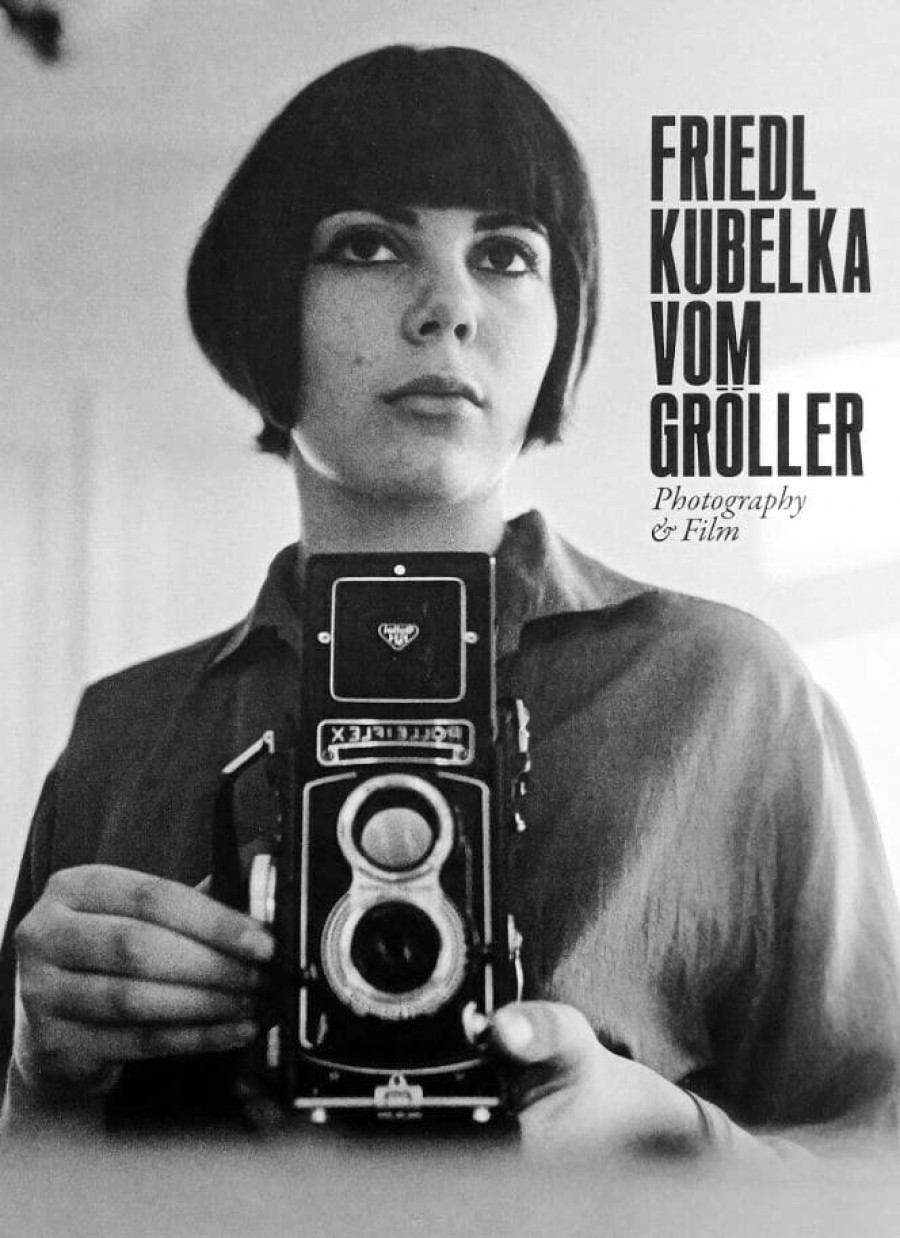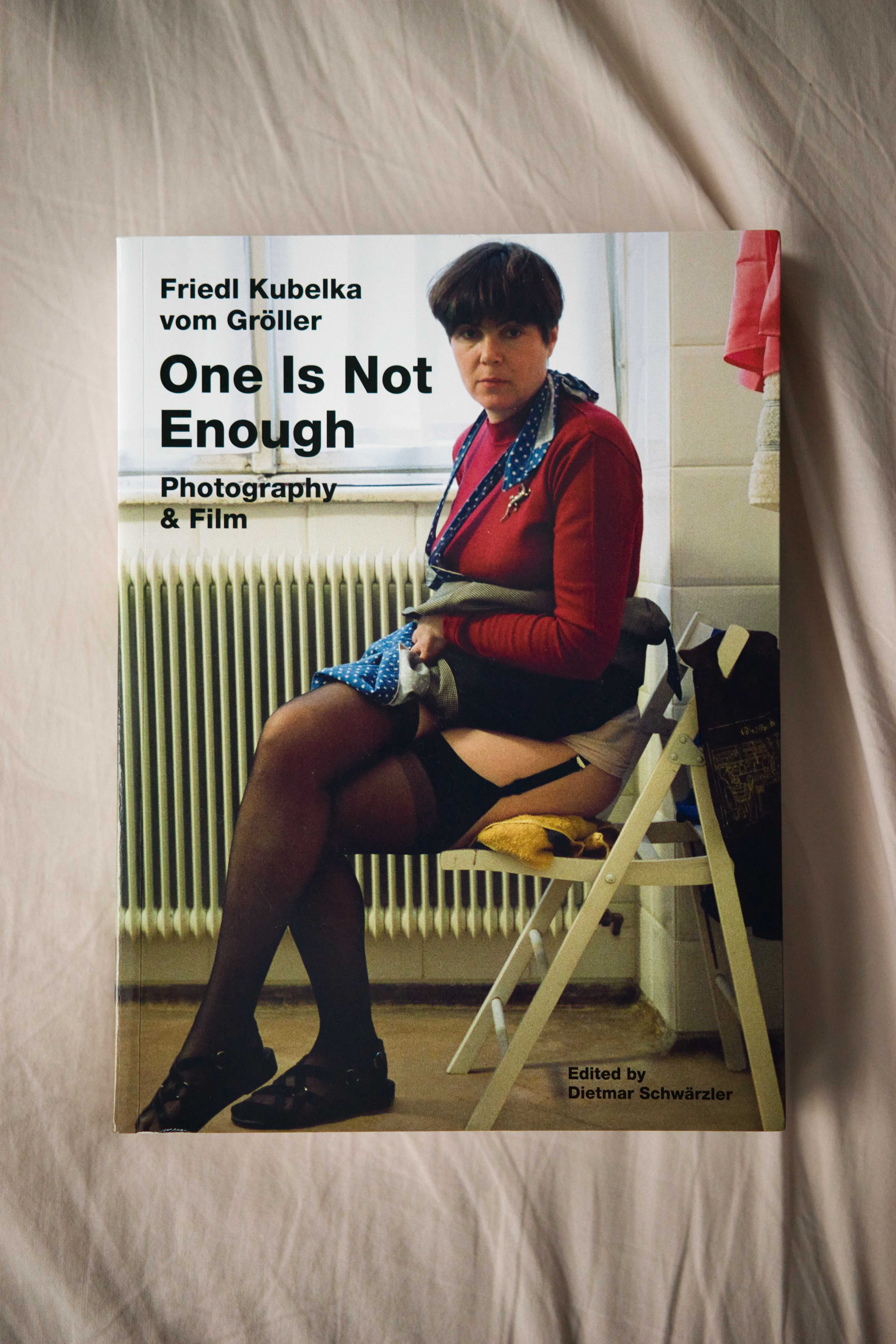
Friedl Kubelka: One Is Not Enough. Photography & Film (INDEX 049)

At the moon´s gloaming I like to look
At the grey metropolis, crumbling ruins
Which serve as a measure of its greatness
On which humans learn to measure themselves.
–Christian Friedrich Hebbel

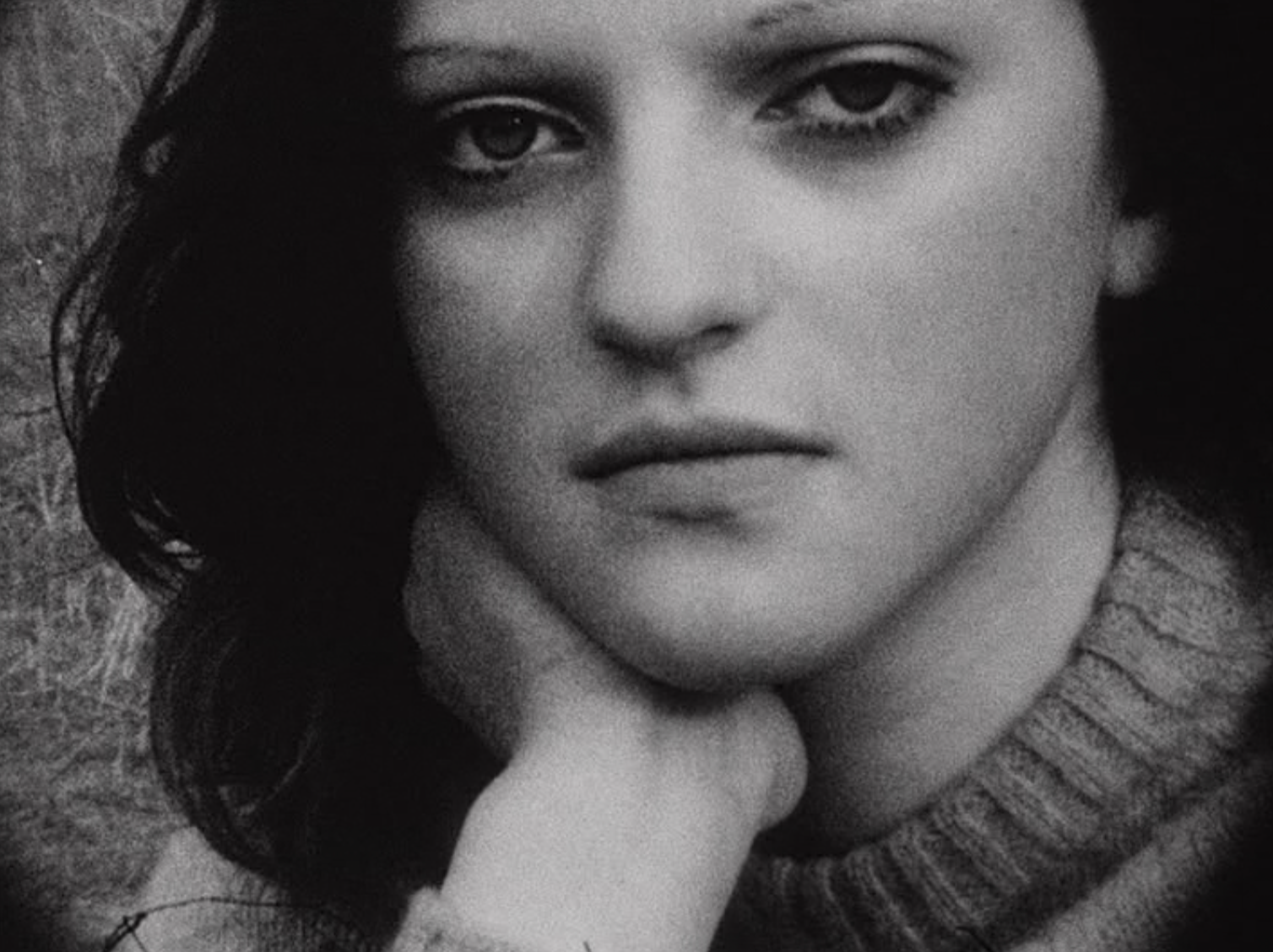
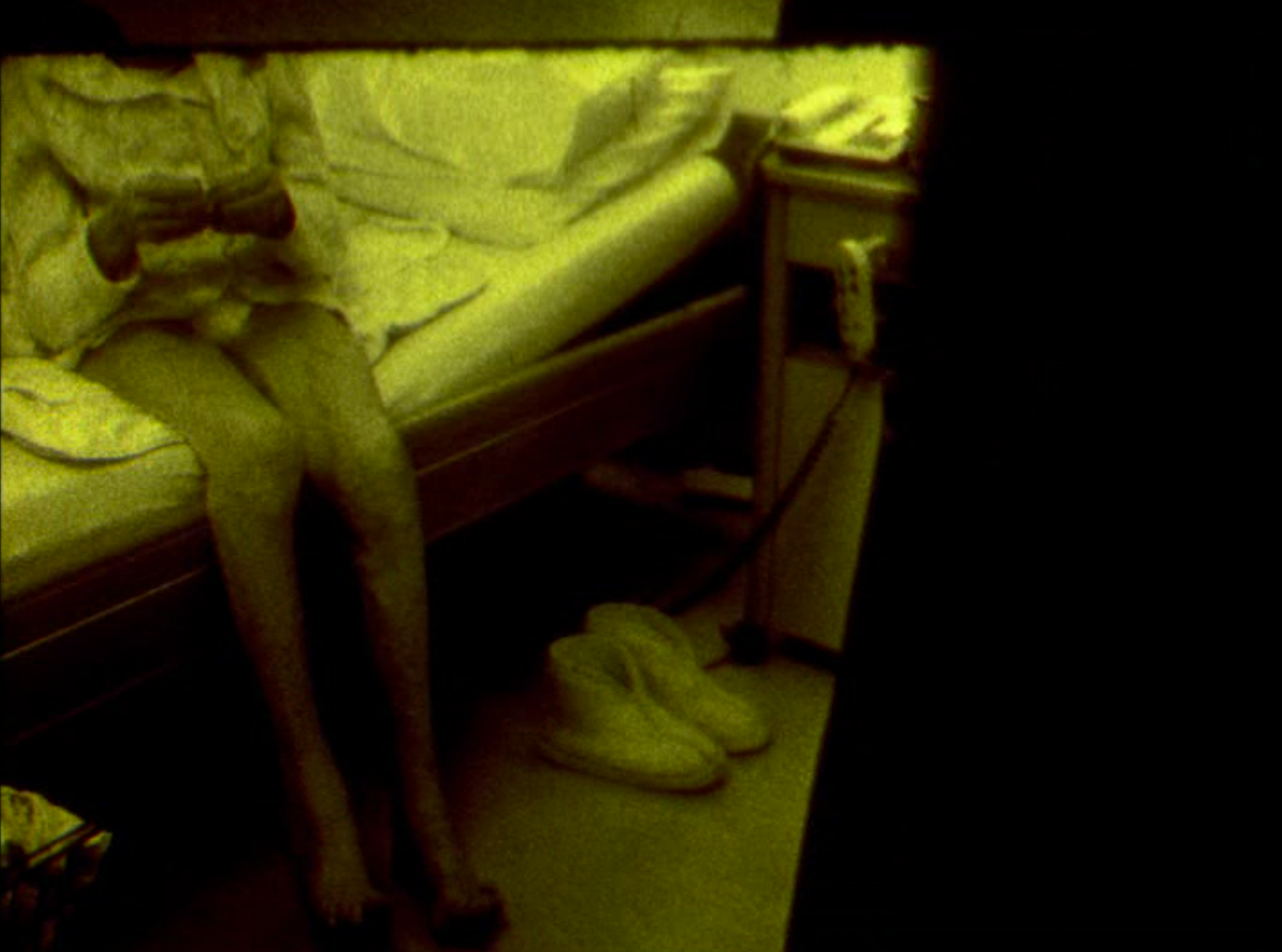
There are artists who continually reinvent themselves in pursuit of freedom. Friedl Kubelka, who in moving pictures assumes the name Friedl vom Gröller, has instead devoted her life to the opposite challenge: remaining within the same existential setting long enough for its hidden cracks to show. Across more than five decades, she has returned obsessively to faces, apartments, lovers, strangers, aging skin, mirrors, city corners, and windows clouded by rain or breath. Her work unfolds through a deepening sort of recurrence. The same mysteries persist from decade to decade, altered only by time’s pressure upon flesh and memory. Looking through One Is Not Enough becomes less an encounter with an oeuvre than an immersion into a trembling human continuum where identity never settles into certainty. Every face seems temporarily assembled from other versions of itself. Every gesture feels inherited from forgotten rituals. Her art understands personality as something permanently unfinished, a surface endlessly rewritten by experience, desire, fatigue, and solitude.

Editor-curator Dietmar Schwärzler’s introductory essay, “Aging – An Ideal Condition,” frames Kubelka above all as a portraitist, though portraiture here undergoes a strange dissolution. Traditionally, the portrait seeks definition, some concentrated revelation of character. Kubelka, on the other hand, is a believer in accumulation. The title One Is Not Enough therefore names both a method and a philosophy. A single exposure cannot contain a life. One expression collapses beneath the weight of all the others pressing invisibly behind it. Her sequences unfold with the nervous rhythm of consciousness itself, every slight alteration in posture or gaze destabilizing what came before. Looking at her serial works feels uncannily close to remembering someone rather than observing them.

This sensibility reaches its most monumental articulation in Yearly Portraits, the lifelong self-documenting project she began in 1972, taking one picture of herself every day for a year and repeating the process every five years thereafter. Seen together, these constellations become devastating meditations on time’s physicality. Lovers appear in bed beside her. Friends crowd into cramped interiors. Cigarettes burn down. Hairstyles vanish into different eras. The body thickens, loosens, hardens, softens. Her face slowly acquires the density of hard-won wisdom. Yet the real force of the series lies in its refusal of vanity. Kubelka never offers herself as icon, nor as confession. She studies herself with the same merciless curiosity she directs toward everyone else. Some poses carry vulgarity, exhaustion, and erotic indifference. Others radiate fleeting joy before collapsing back into ambiguity. In one sense, the work documents aging. In another, it documents the terrifying instability of the self, how one drifts through countless versions of personhood without ever fully becoming any of them.

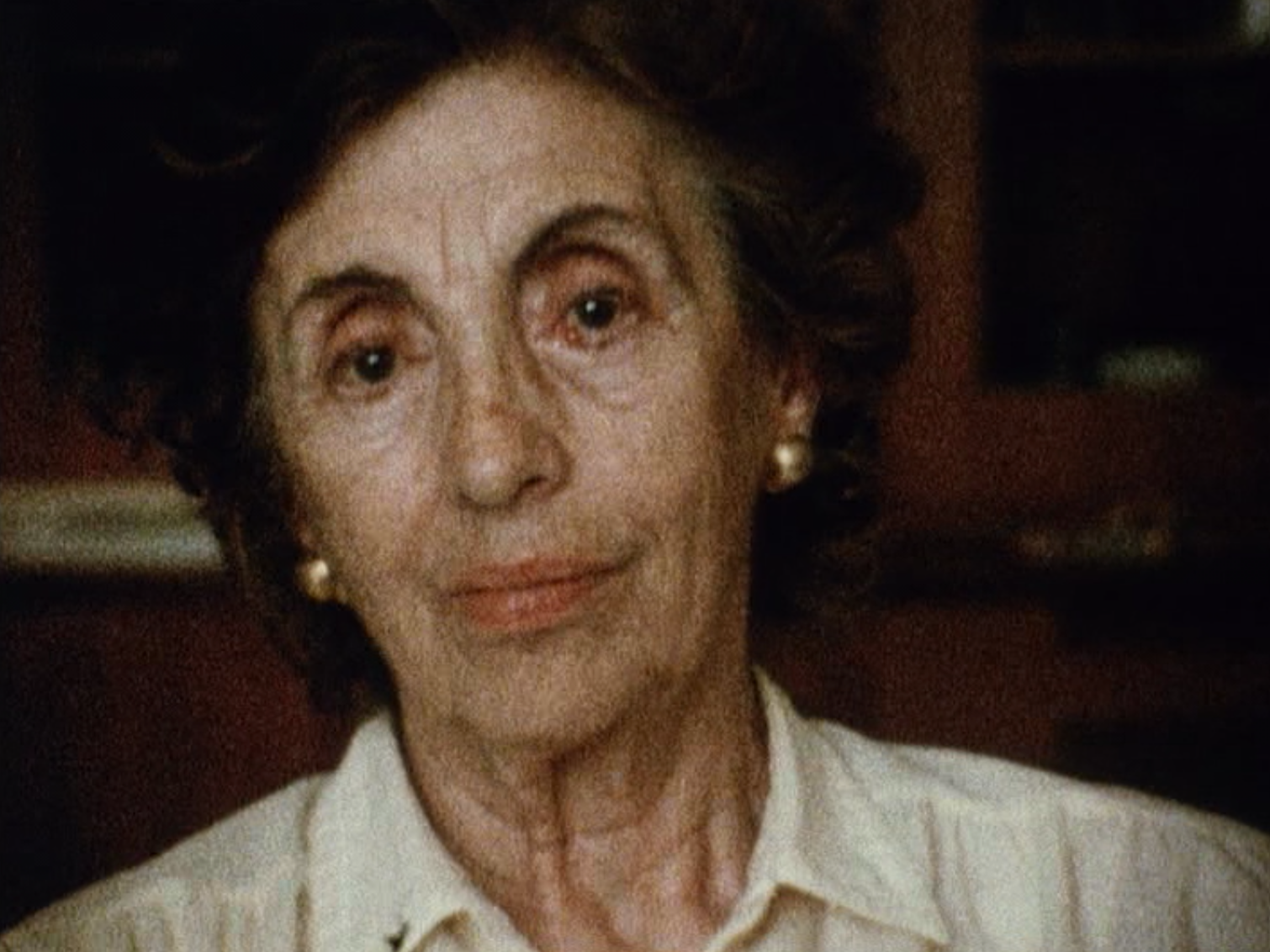
Elsewhere in the book, one encounters entire worlds compressed into sequences that refuse closure. The Thought series possesses a particularly startling intimacy. Kubelka records the micro fluctuations of consciousness itself while subjects respond internally to unseen stimuli. Her mother, Lore Bondy, listens to a 1945 Austrian National Council debate, her face moving through skepticism, sorrow, distraction, historical exhaustion. Her daughter drifts into daydreams so completely that nothing else seems to exist around her. These are not reactions in the ordinary sense. They feel closer to thought becoming visible before language can imprison it. One begins to understand how little of another person we ever truly perceive.

Even works that initially appear playful are scathing critiques of proof. Broadway, San Francisco (1974) arranges peep show signs into a rigid 9×9 grid pulsing with urban lust and commercial seduction, only for the lower left corner to quietly disclose Kubelka and her husband embracing in bed. The tenderness arrives almost accidentally, tucked beneath the machinery of desire capitalism projects across the city. Suddenly, the surrounding promises above appear hollowed out by genuine intimacy below. In another series, Sigmund Freud’s Waiting Room, Berggasse 19, psychoanalytic history lingers ghostlike through the furniture and walls. Kubelka photographs the room not as sacred site but as residue chamber, a place where traumas still seem suspended in the air long after the voices articulating them vanished.

Her portraits from Dakar and the Atelier d’Expression sequences achieve extraordinary emotional density through their attention to material surroundings. One artist appears swallowed by a tangle of brushes and artistic debris, his body half dissolving into the very process of creation. The clutter around him acquires psychic force, as though thought itself had externalized into objects. Other artists sit beside walls crowded with unfinished canvases, masks, scattered tools, traces of previous gestures. Kubelka understands studios as extensions of consciousness, environments where private mythologies gather physical form.

Throughout the book, geography operates as psychic signature. Rome, New York, Paris, Dakar, St. Louis, Piedmont: these emerge through fragments of walls, gestures, windows, and bodies caught in transitional states. Kubelka moves through these places as though searching for fleeting temperatures rather than permanent landmarks. One begins to recognize her visual language immediately. The frontal regard. The grain of black and white. The sense that every room has absorbed years of invisible conversations. Her portraits from Senegal resonate especially deeply because they reveal how instinctively she responds to artistic communities formed under historical pressure. The supplemental magazine dedicated to muralist Pape Mamadou Samb, known as Papisto Boy, extends this dimension beautifully. Papisto Boy transformed Dakar’s walls into public memory, covering them with revolutionary figures, laborers, anticolonial resisters, and saints of survival. His works possess both immediacy and erosion, forever exposed to neglect. Kubelka understands him not simply as a painter of walls but as someone wrestling history back into visibility. In the Bel-Air industrial zone, his depictions of Lat Dior resisting colonial rail expansion or Amílcar Cabral dreaming liberation from Portuguese domination become inseparable from the physical decay surrounding them. The paint may crack, but histories persist.
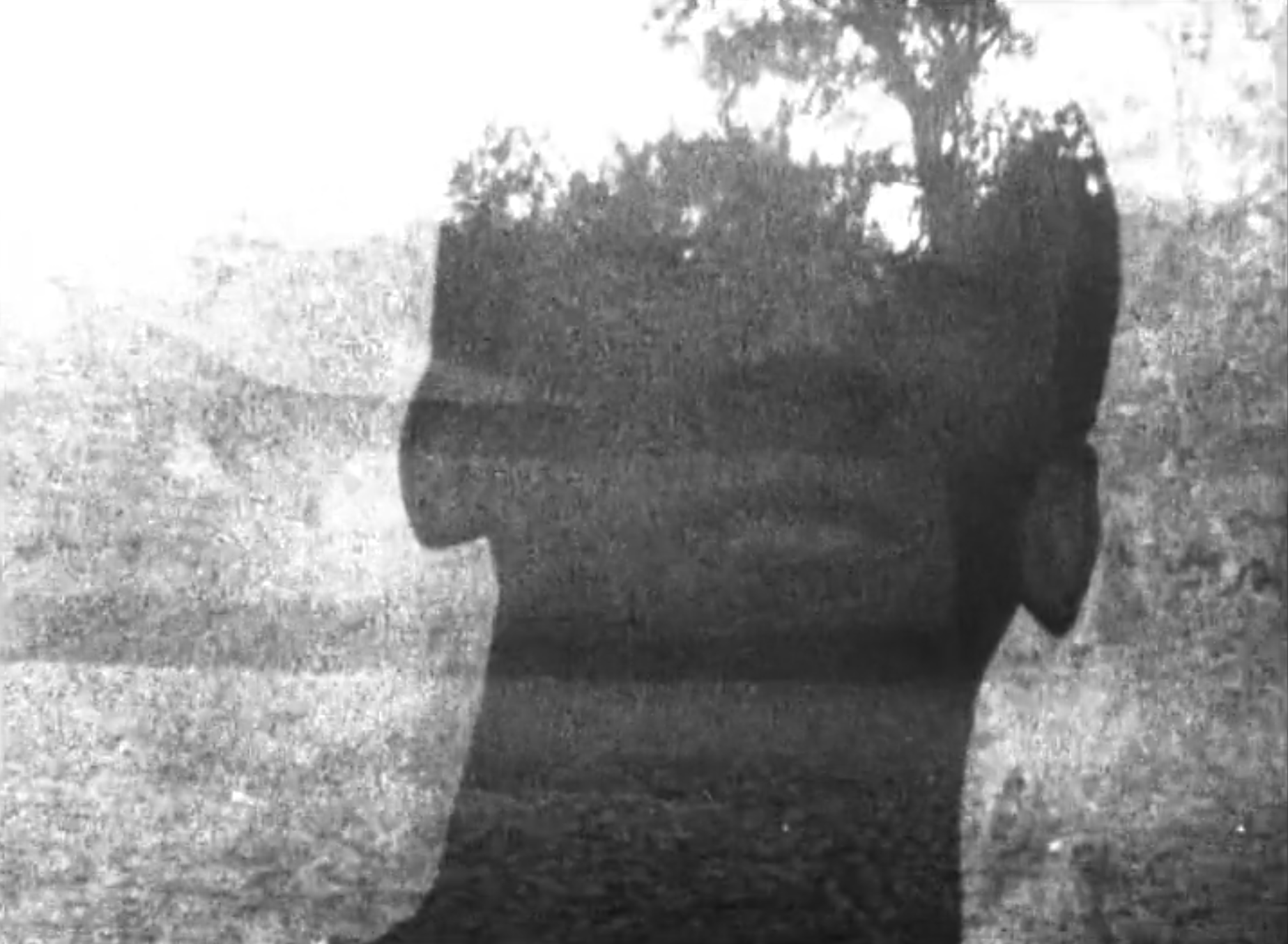
This tension between endurance and disappearance permeates the Dakar period of her filmmaking. 27.12.2013 St. Louis Senegal overlays faces and landscape in luminous double exposure so that fields seem to bloom from human interiors. Scars of European domination seep through sunlight. In Adama Diouf, the eponymous philosopher and teacher ambulates with extraordinary warmth, greeted by townspeople who clearly adore him. Kubelka follows him through markets crowded with fish, through streets layered in color and exhaustion, before drifting toward Papisto Boy’s murals and a worn Sartre paperback with a cracked spine adjusted carefully by hand. Madeleine Bernstorff describes Kubelka’s portraiture as balancing relations “with a touch behind the camera,” and nowhere is this clearer than here. Diouf’s gaze possesses immense vulnerability. He seems simultaneously present and already receding into memory.
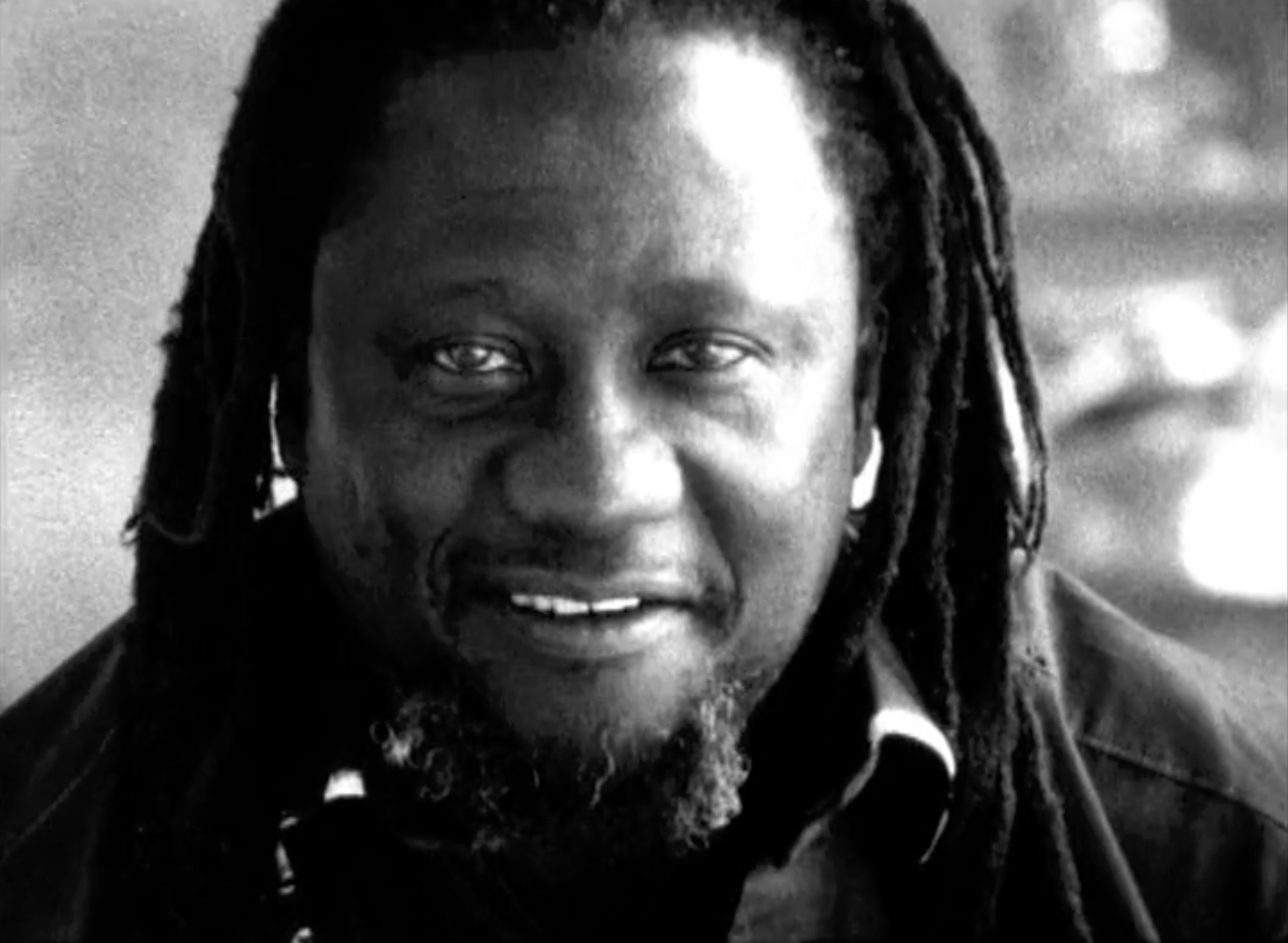
What strikes one immediately upon entering Kubelka’s spaces is their multiplicity. Her sequences do not narrow possibilities toward a definitive representation, as fashion contact sheets do. They proliferate uncertainty. A soul emerges through contradiction, through accumulation, through micro-expressions that undermine one another. Whether she turns toward towering creative figures such as Eric Rohmer, Kenneth Anger, or Shigeko Kubota, or toward anonymous strangers, everyone receives the same trembling attention. Her black-and-white studies carry an almost tactile grain, the faces emerging from darkness with the force of remembered dreams. Even singular works feel accompanied by invisible doubles, echoes reverberating behind the visible surface.

Eva, Bigi, Louise (1984) channels an earthy sensuality that recalls the physical candor of Sally Mann, while the Allegory montages from 2014 summon the spectral theatricality of Julia Margaret Cameron. Women draped in cloth and shadow drift through tableaux poised between myth and domesticity. Kubelka moves fluidly between registers without sacrificing coherence. She possesses a profoundly adaptive eye, capable of becoming severe, erotic, mournful, and mischievous within the span of a few pages.
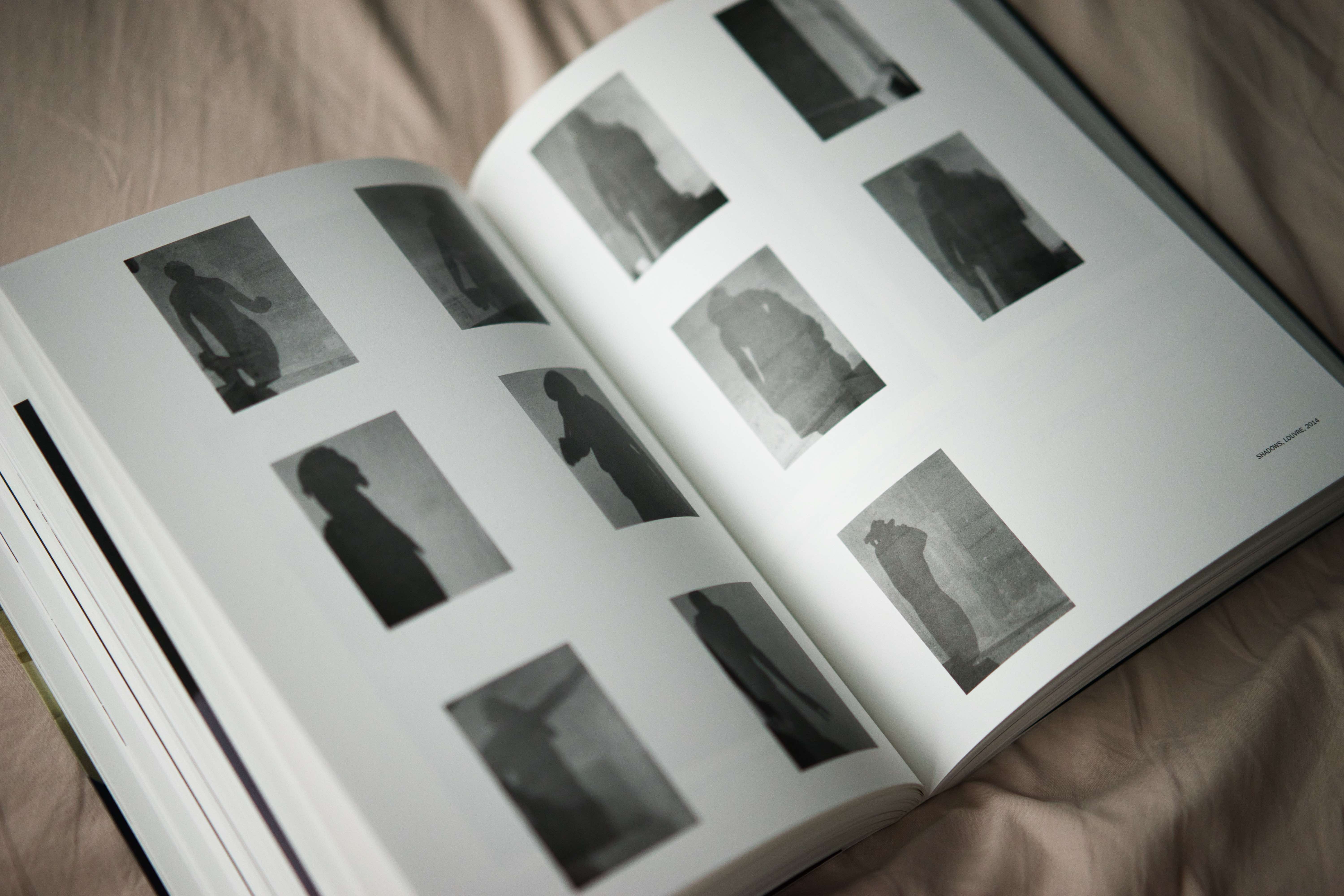
Shadows, Louvre from 2014 may be among her most distilled achievements. Rather than recording the sculptures themselves, she focuses entirely upon their shadows cast across museum walls by artificial light. Civilization survives as intangible residue. Form becomes absence. Presence flickers through disappearance. The world leaves behind silhouettes of itself.
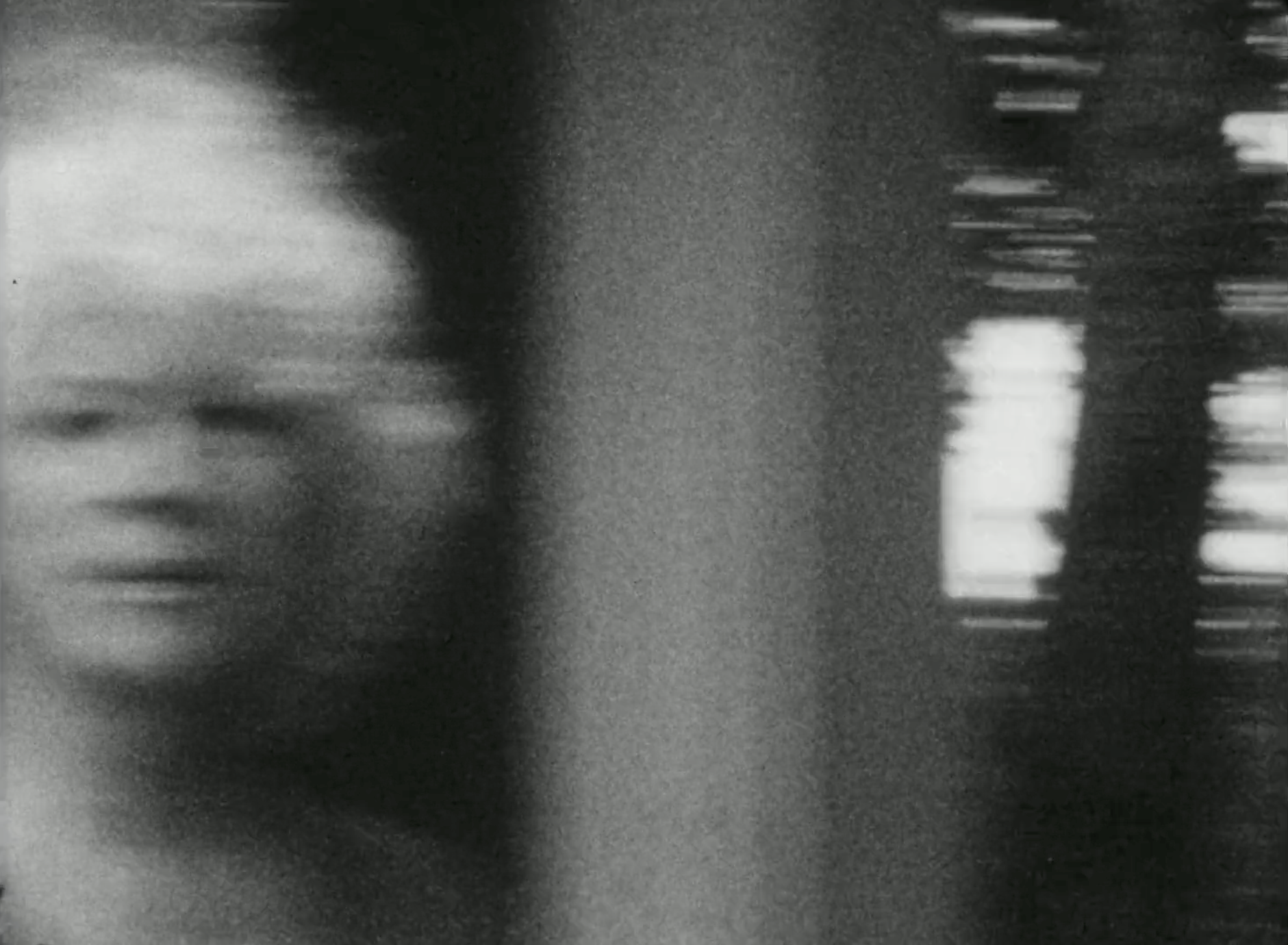
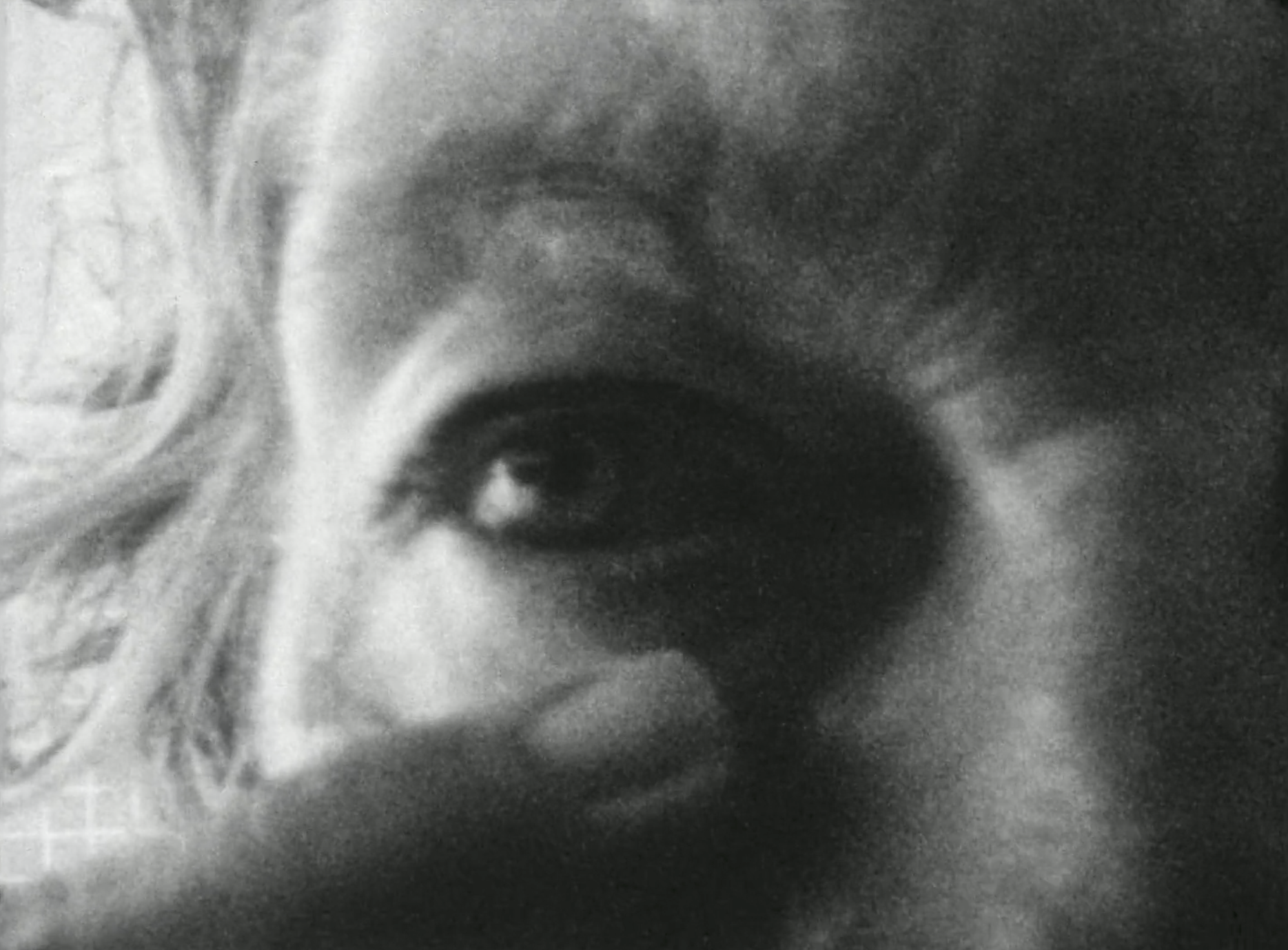
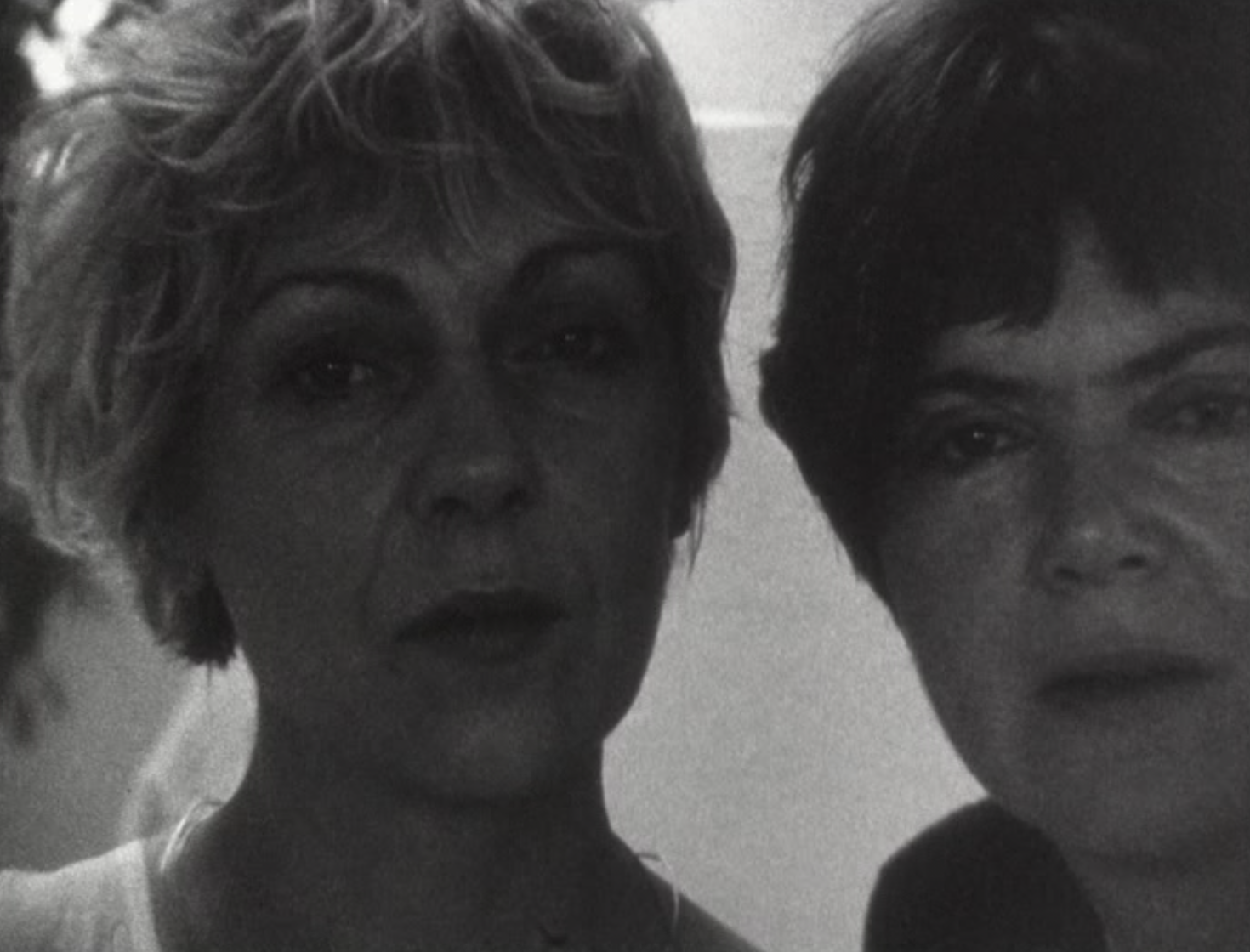
The moving works included in this INDEX edition deepen these obsessions while complicating them through duration and motion. Kubelka’s camera lingers where most directors would cut away. She gravitates toward moments usually discarded as transitional or awkward. In Ma peau précieuse (My Precious Skin), grainy black and white textures smear across the frame while two older women converse outside. Soon the lens presses brutally close to bathroom cosmetics and wrinkled flesh. Dian Turnheim massages products into her face with ritualistic concentration. The closer Kubelka moves toward the skin, the more absurd beauty culture becomes. After swimming in the ocean, the woman returns to her yard and silently mouths “Stop!” toward the camera, as though addressing both the act of filming and the erosion of time.
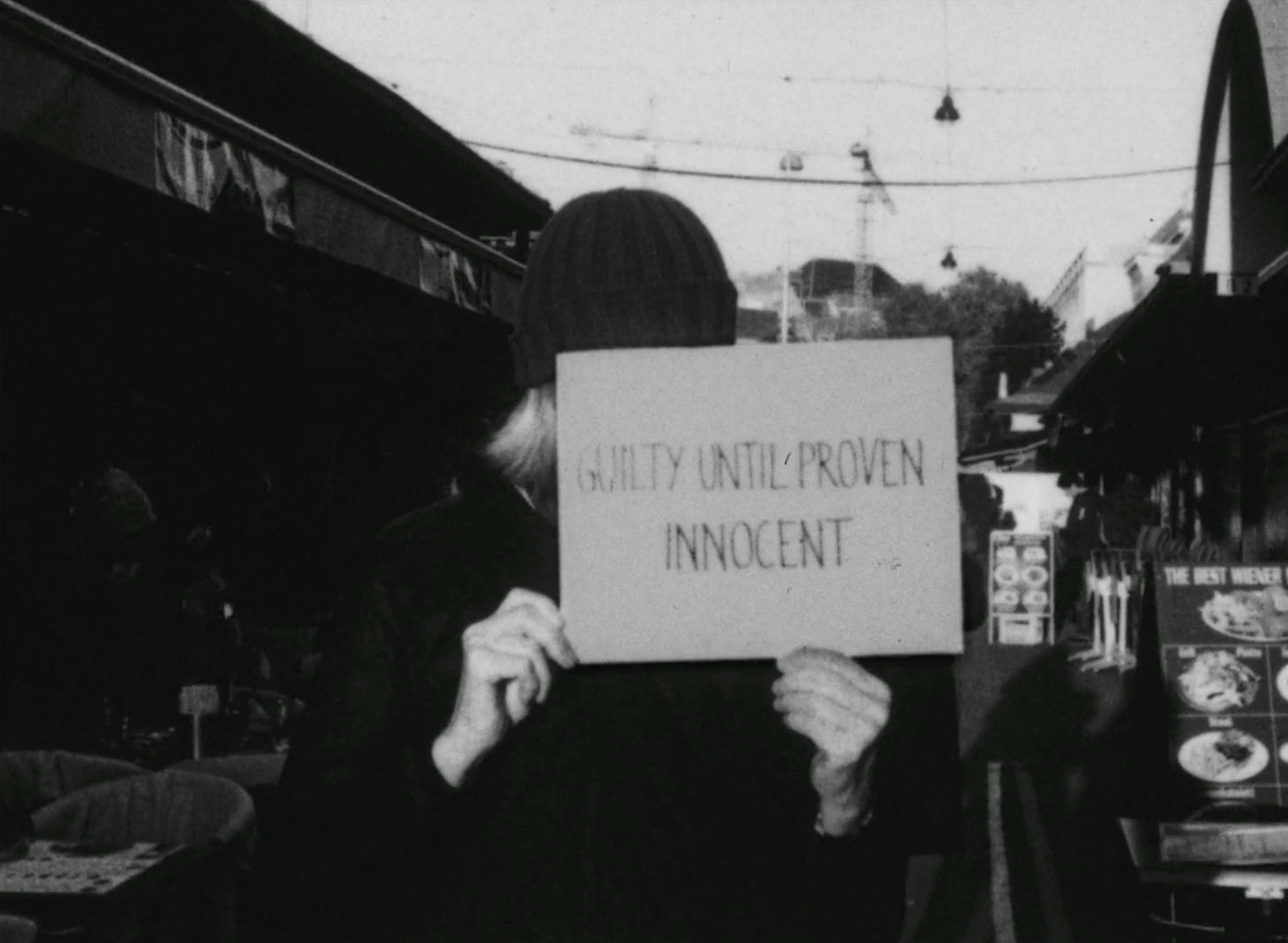
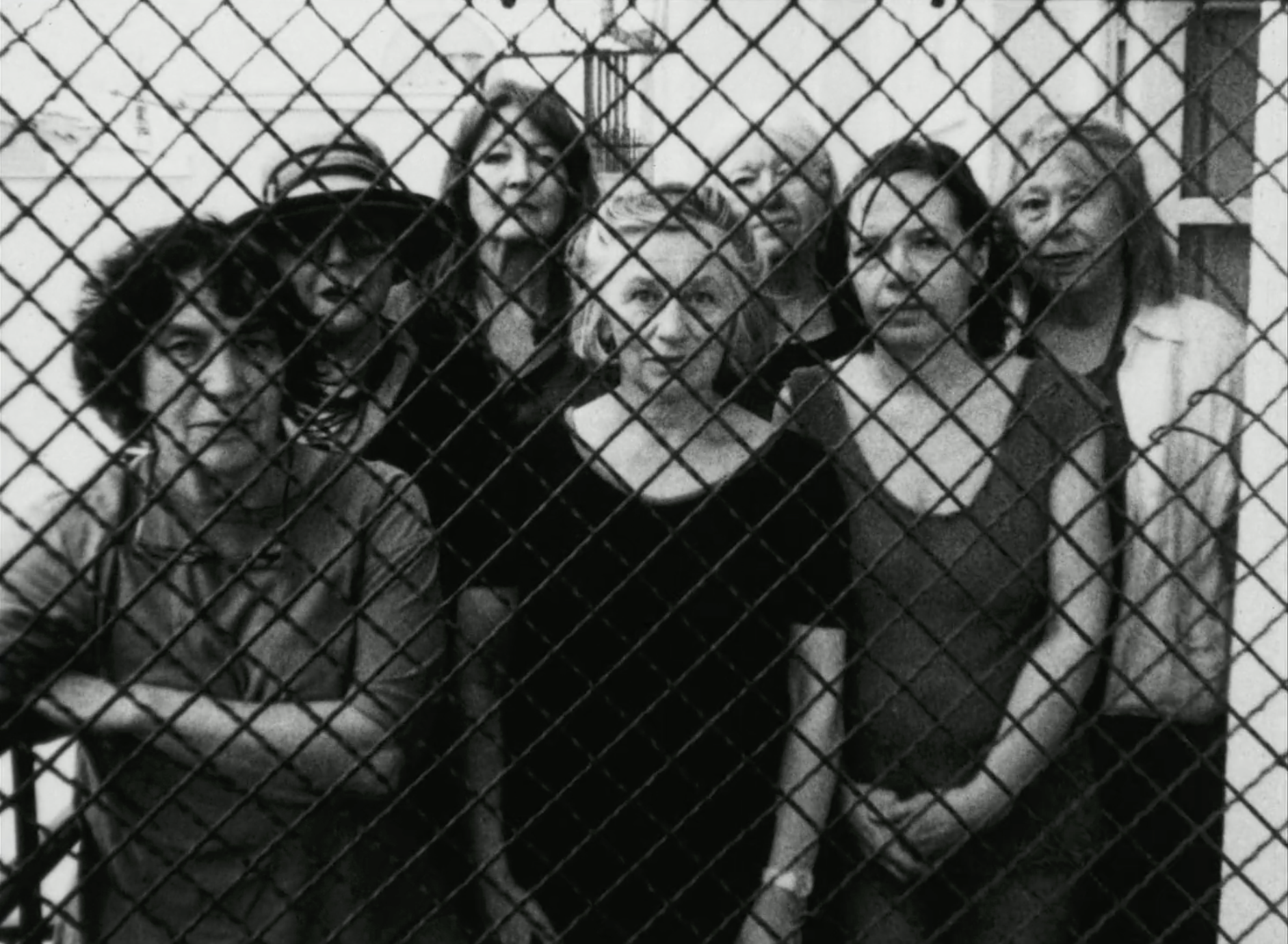
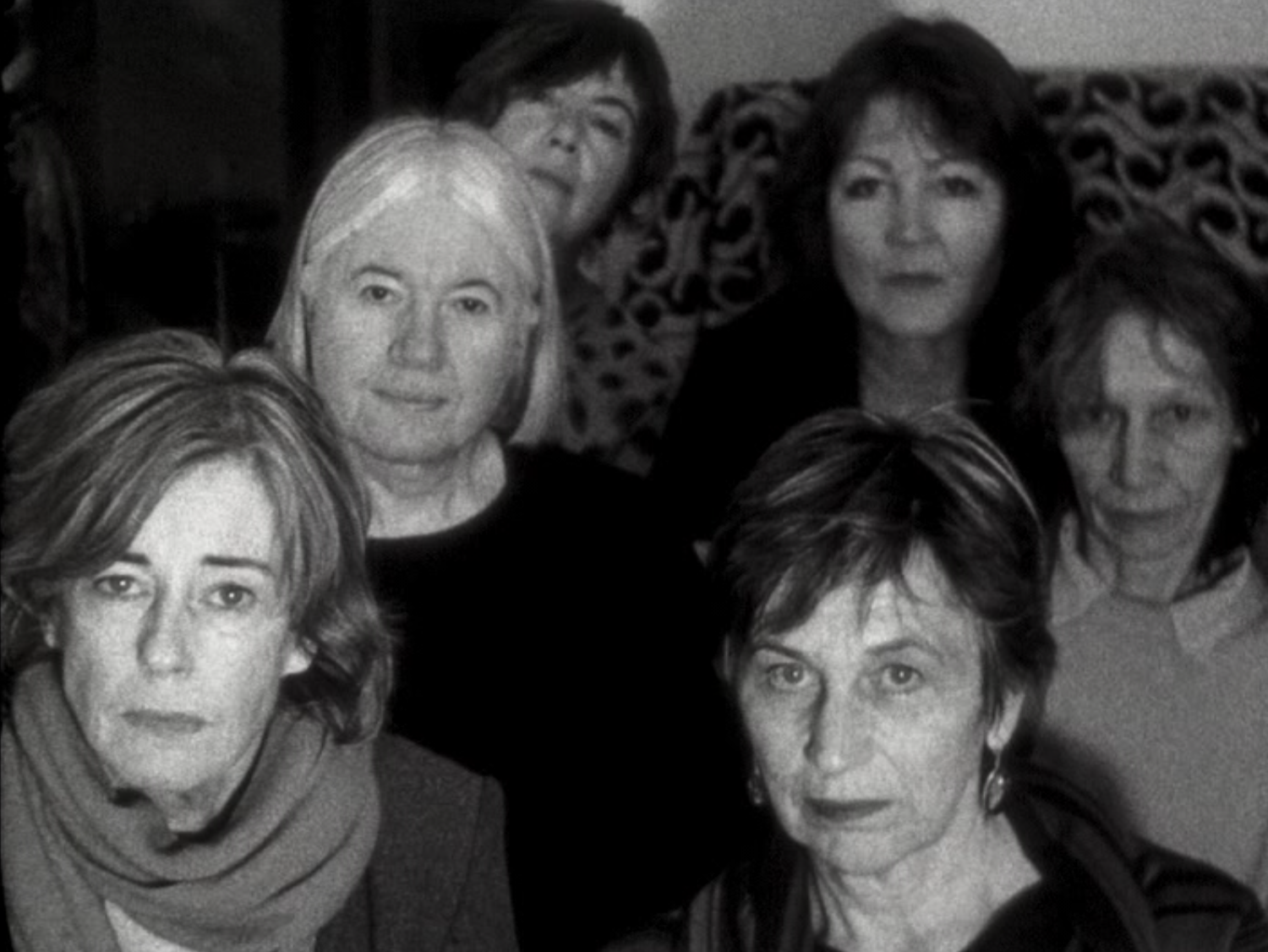
Guilty Until Proven Innocent transforms seven older women behind a chain link fence into an almost mythic collective presence. Their expressions remain unreadable, suspended somewhere between accusation and exhaustion. When Kubelka inserts herself among them and turns toward the others, the gesture feels startlingly intimate, a breach of invisible codes. The close-ups that follow allow the viewer to image lifetimes of sorrow, companionship, betrayal, and endurance. The absence of context enlarges the psychic field rather than diminishing it.
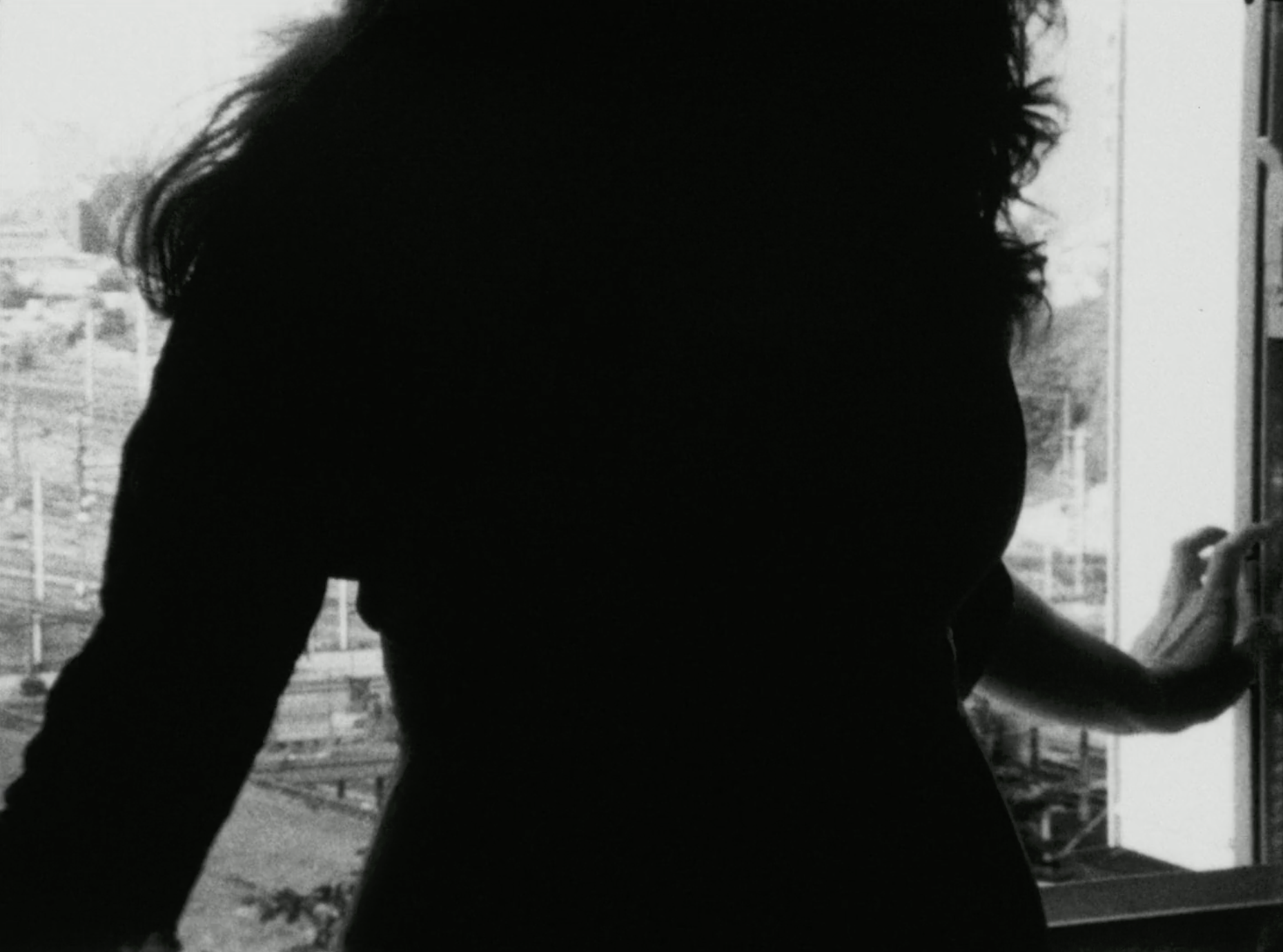
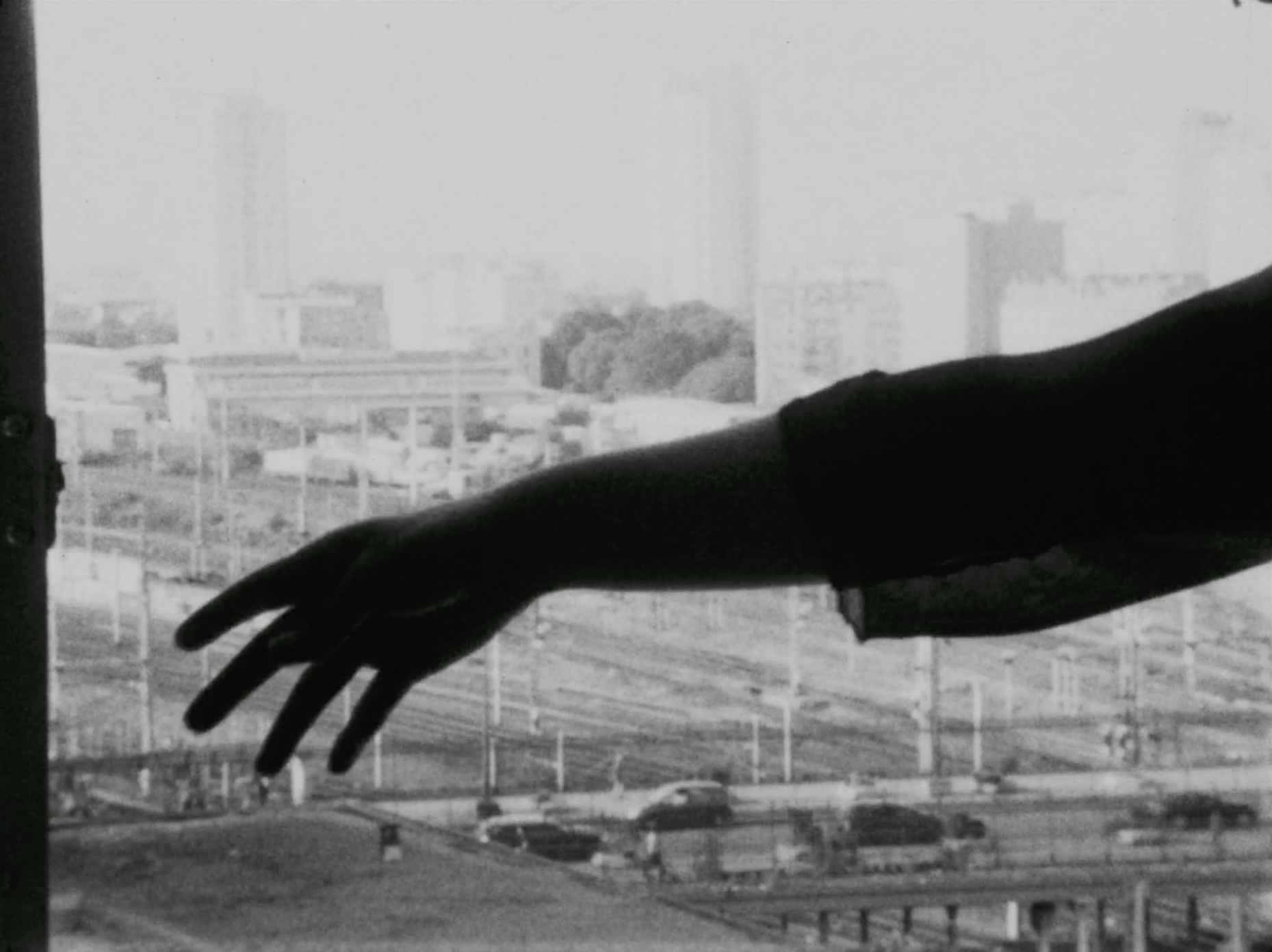
In 66, rue Stephenson, a young woman dances before an open window overlooking the noise of Paris below. Cars, trains, pedestrians pulse beneath her private joy. Exterior chaos gives way to interior refuge as Kubelka later explores the woman’s modest kitchen. The apartment becomes a temporary sanctuary against the world’s relentless machinery.
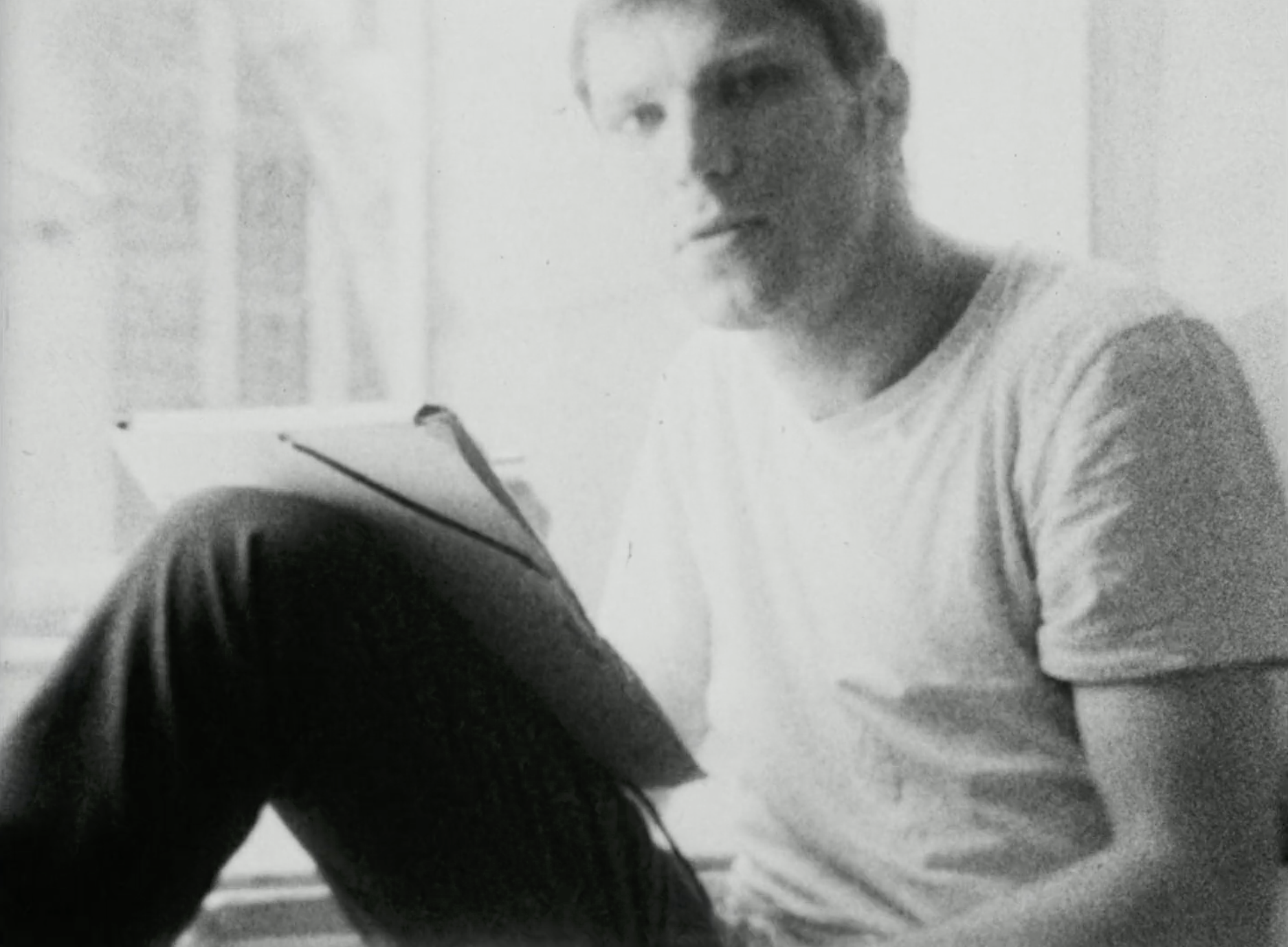
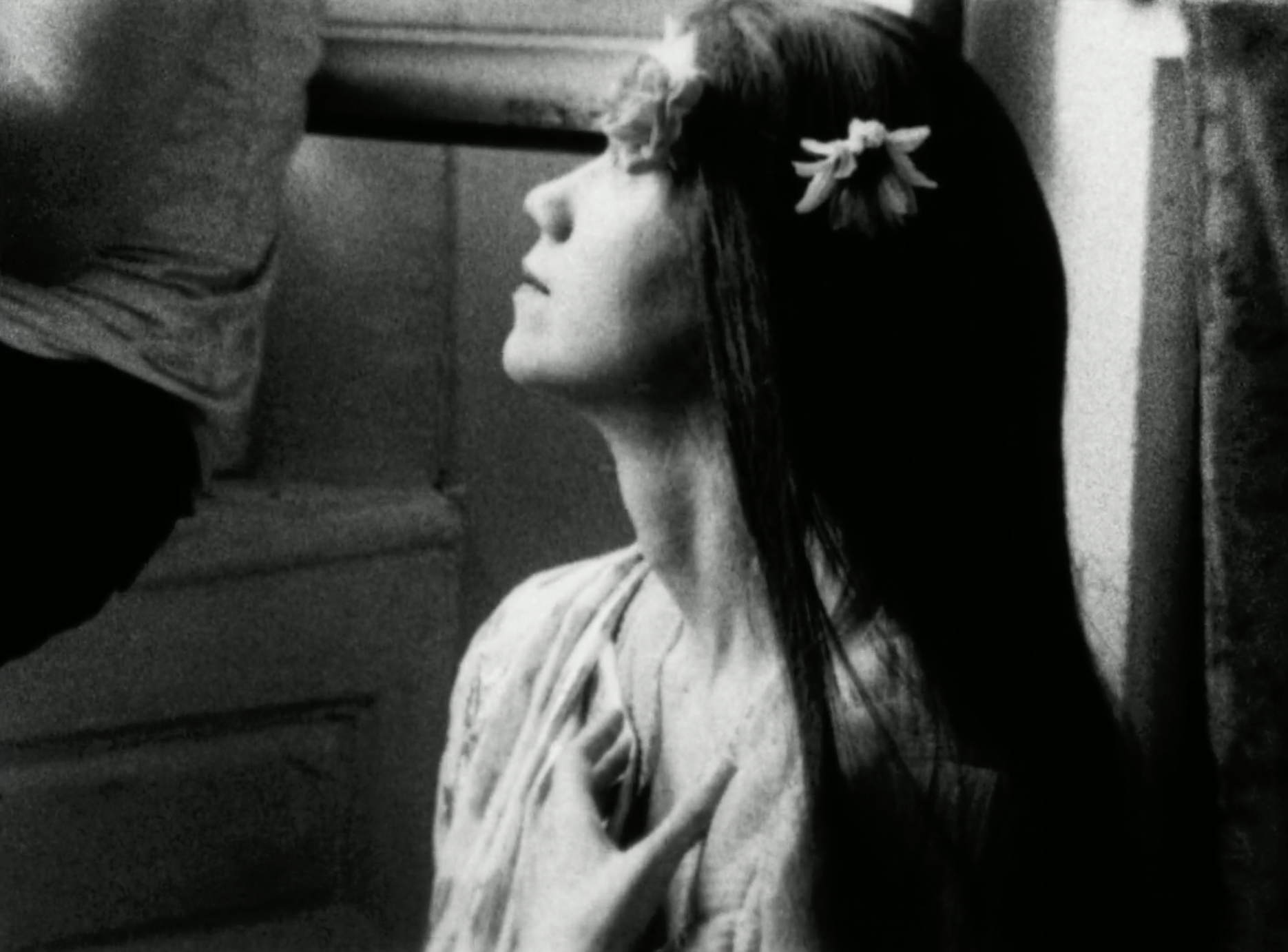
Poetry for Sale offers one of the collection’s sharpest meditations on artistic survival. Poet Mark Tapley writes beside an open window while attempts at seduction from his embodied muse irritate rather than entice him. Later, his rapid voice floods the Paris Métro as he hawks poems to indifferent passengers. The sudden eruption of sound after extended silence feels almost violent. Tapley’s desperation radiates through every gesture. Then comes a fleeting embrace from a young punk, and suddenly the entire emotional atmosphere shifts. Kubelka understands how fragile artistic affirmation can be, how entire lives hinge upon brief moments of recognition.
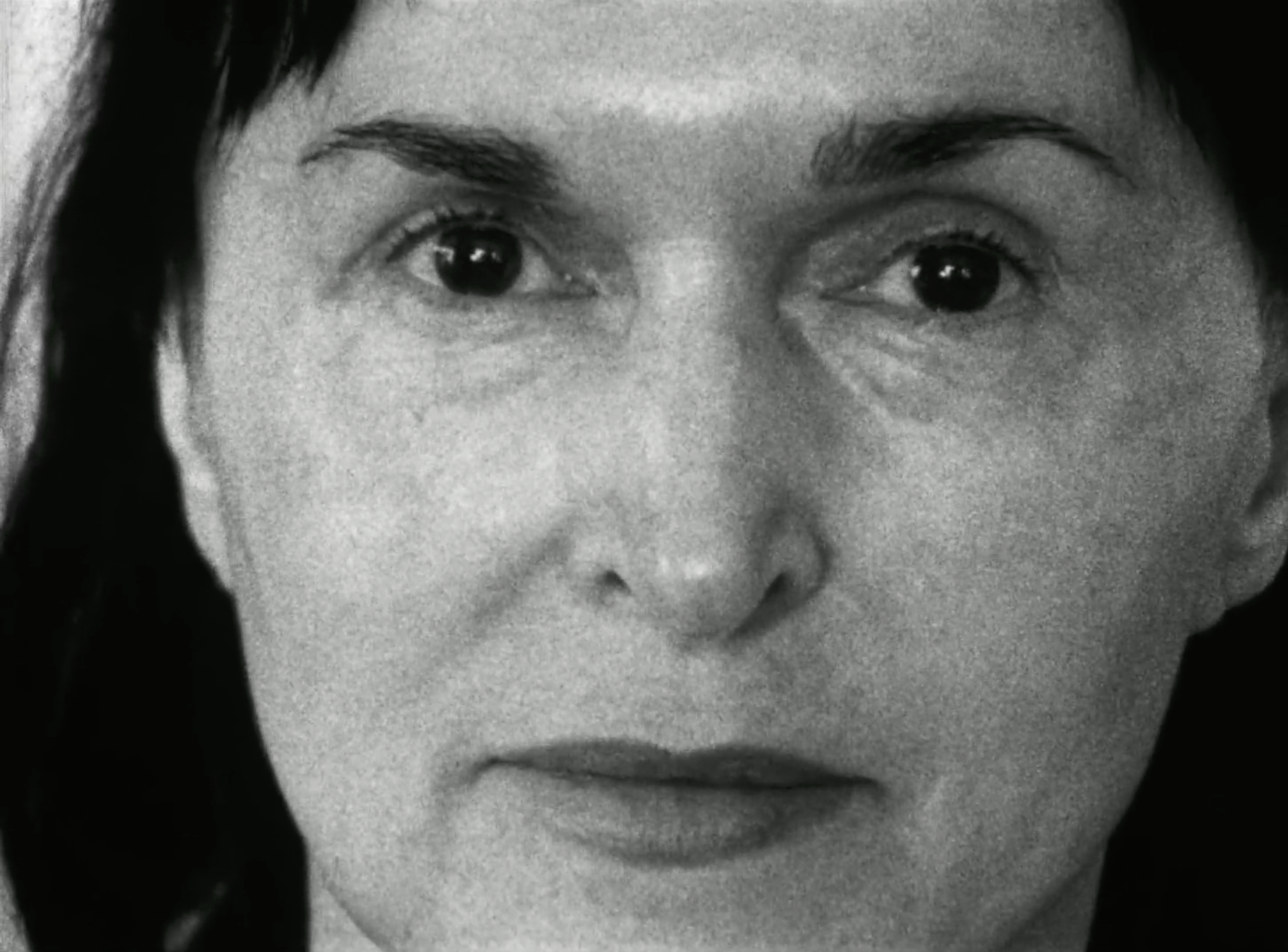
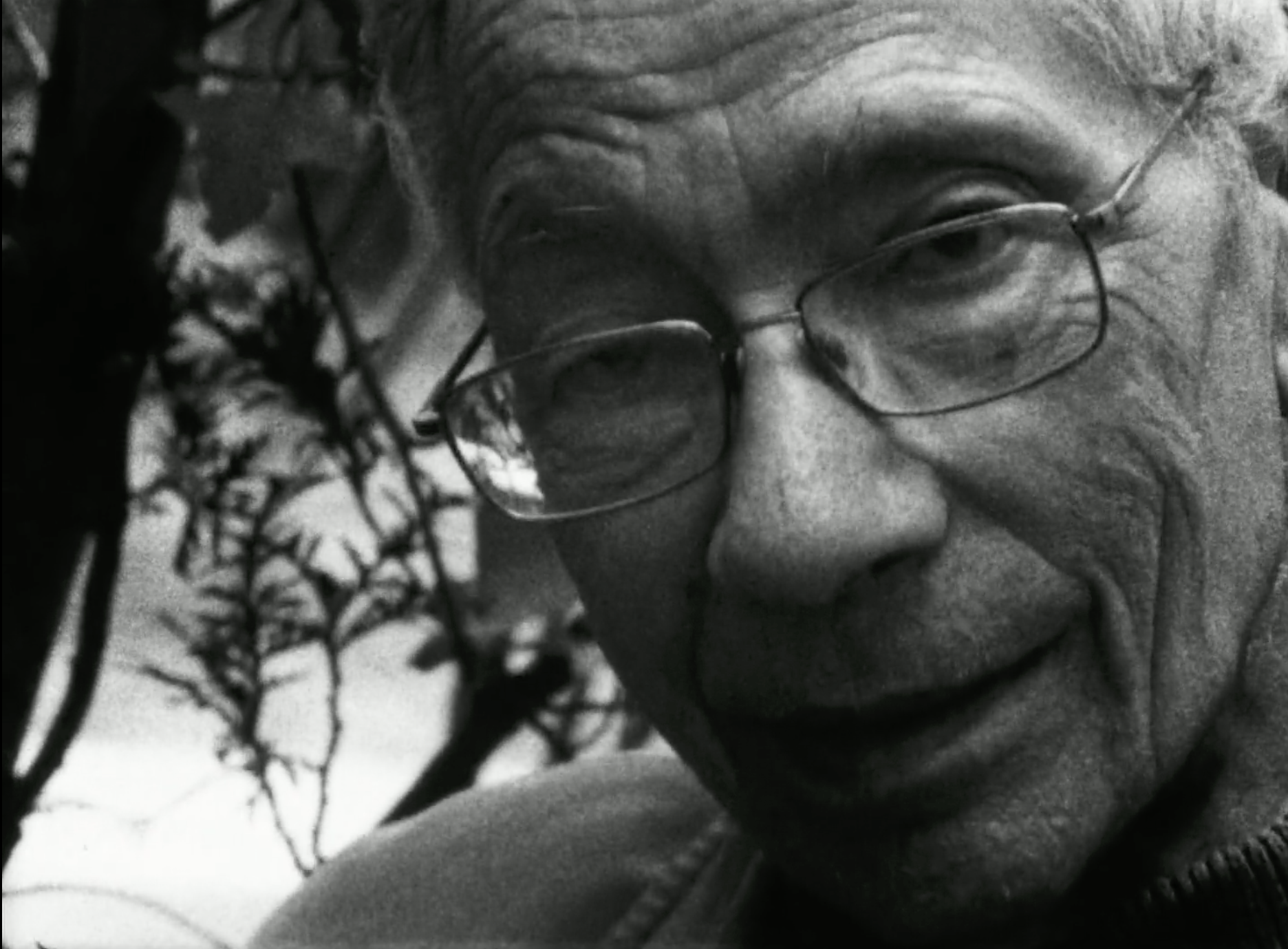
This melancholy deepens in THE PARIS POETRY CIRCLE, where poets gather to read aloud while Kubelka studies their faces with hypnotic patience. Voices emerge from bodies that appear isolated even in company. Rather than treating the face as psychological map, she transforms it into a conduit through which solitude passes between people.
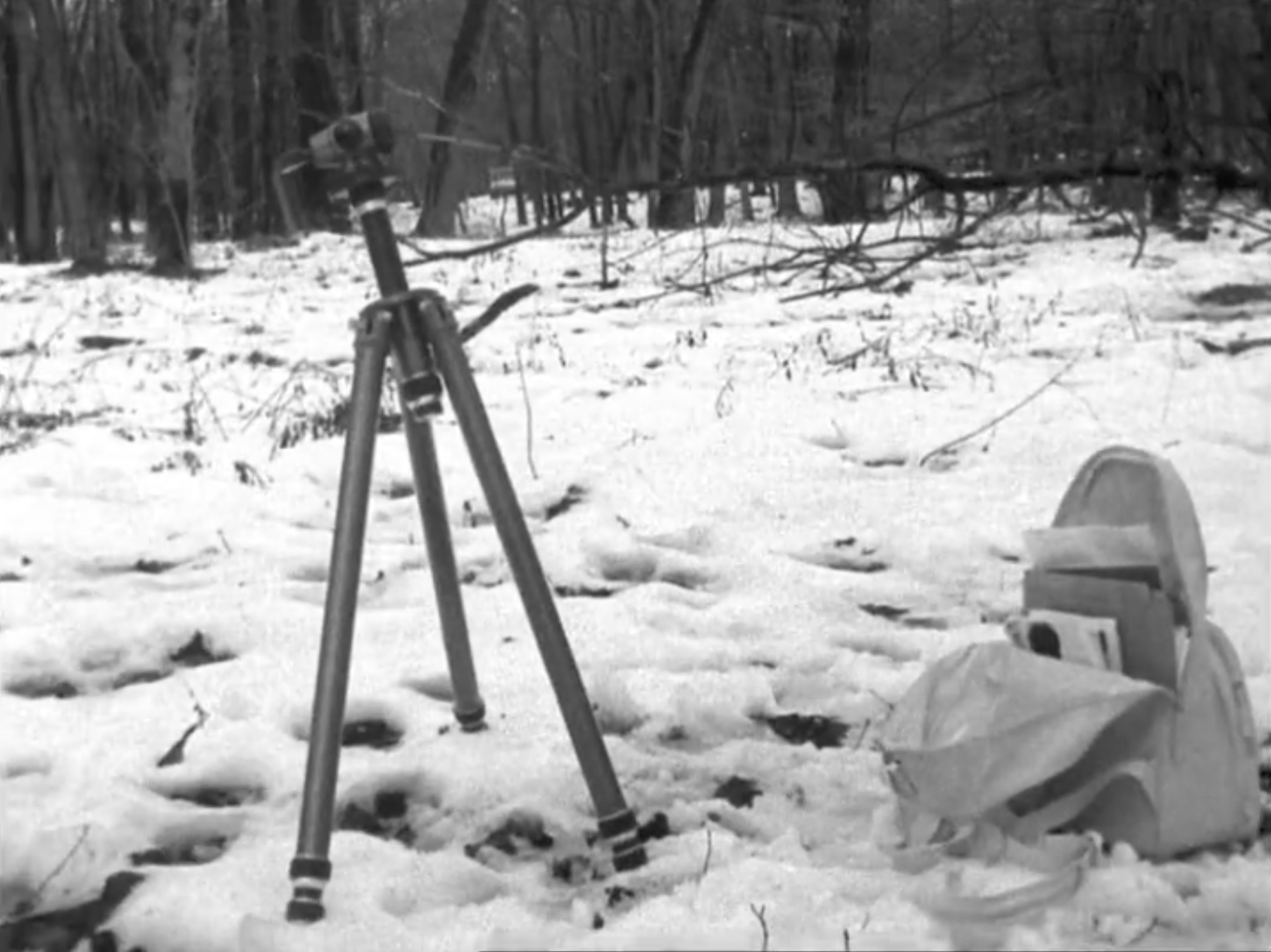
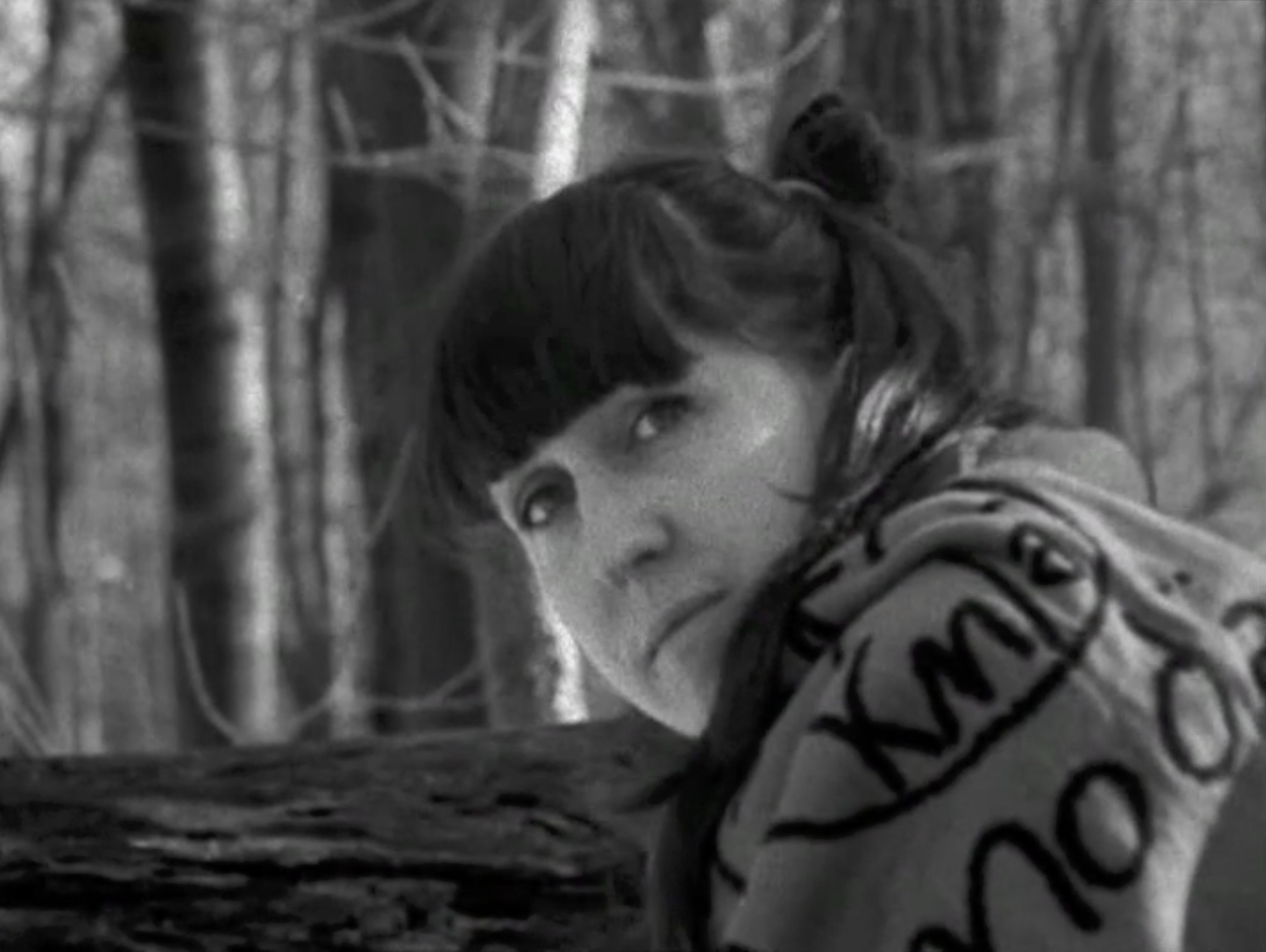
Several works confront voyeurism directly. Im Wiener Prater initially appears observational, following the artist Martina L. through snowy woods with restless anticipation. A tripod and backpack in the snow expose the apparatus behind image making itself. The camera’s desire becomes unmistakable, even predatory. When Martina urinates directly toward the lens, vision collapses into humiliation. The viewer’s voyeurism receives its answer materially. Kubelka contaminates the gaze with a byproduct of the very body it sought to master.
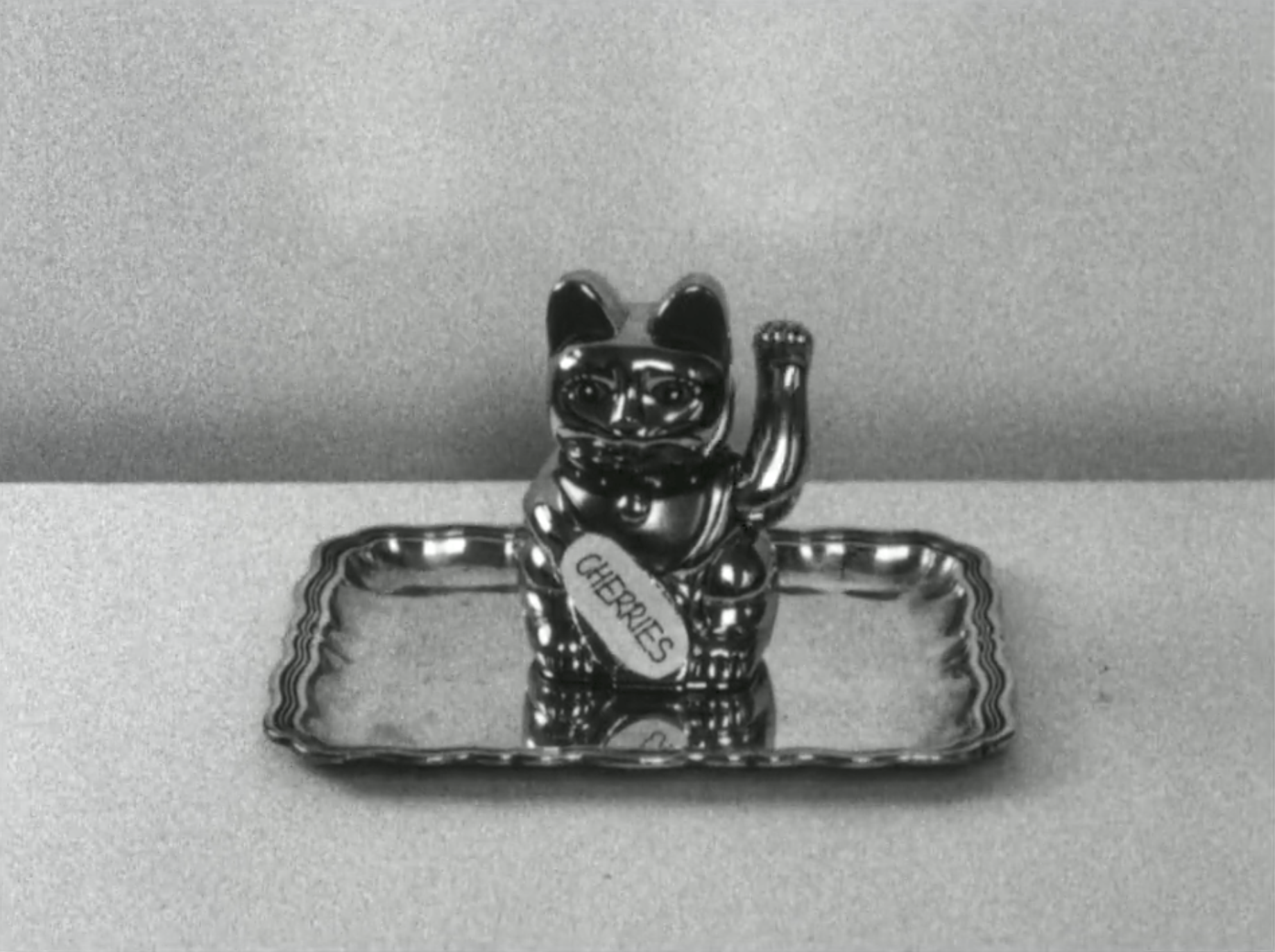
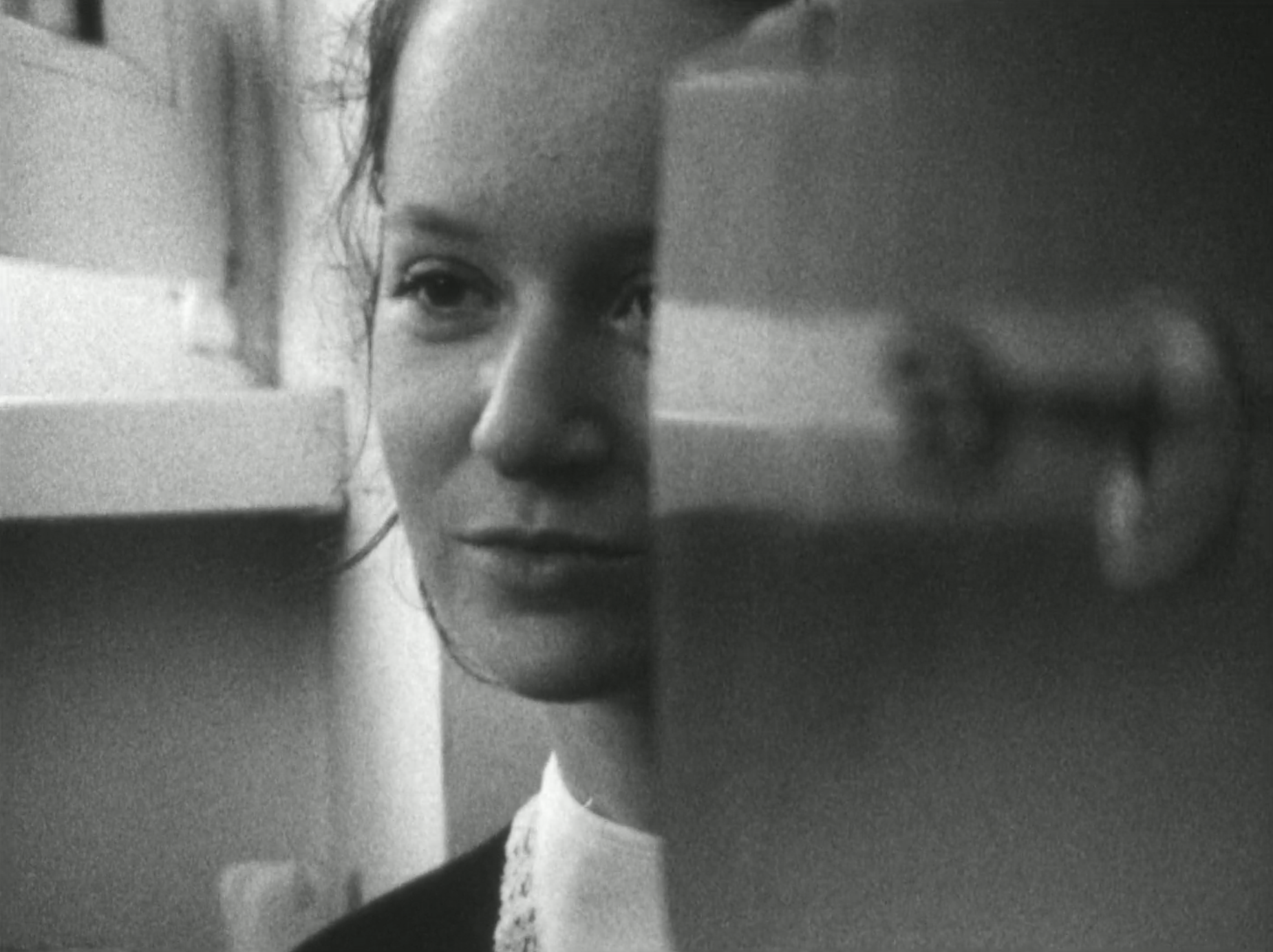
Kirschenzeit (Cherries) stages erotic intimacy with remarkable tonal complexity. A chambermaid watches a couple dressing in corsets and latex before serving them cherries during lovemaking. The atmosphere oscillates between tenderness, theatricality, absurd ritual. The bodies exist within a liminal state, no longer young yet not fully old, suspended at the threshold where eroticism acquires melancholy depth.
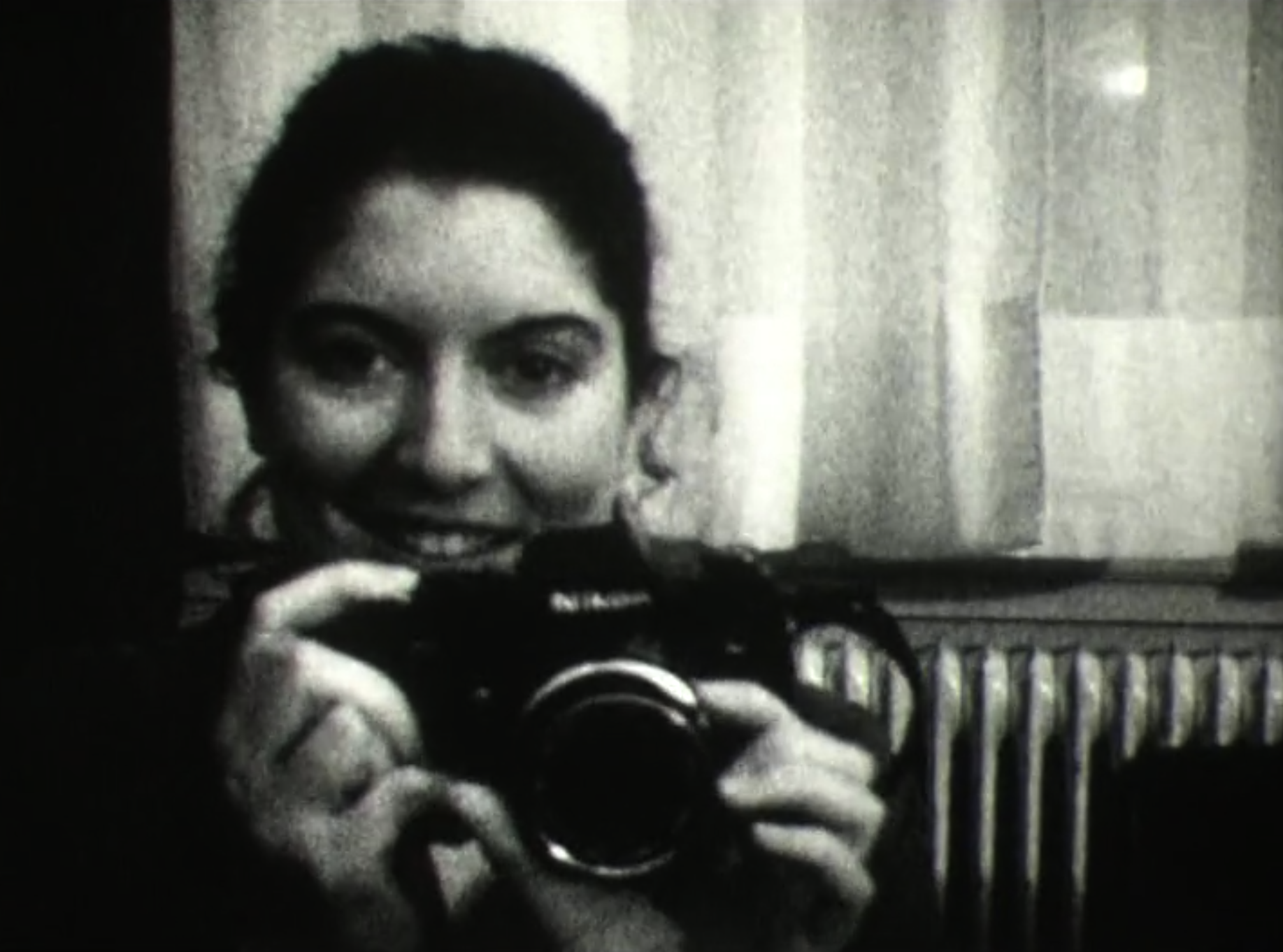
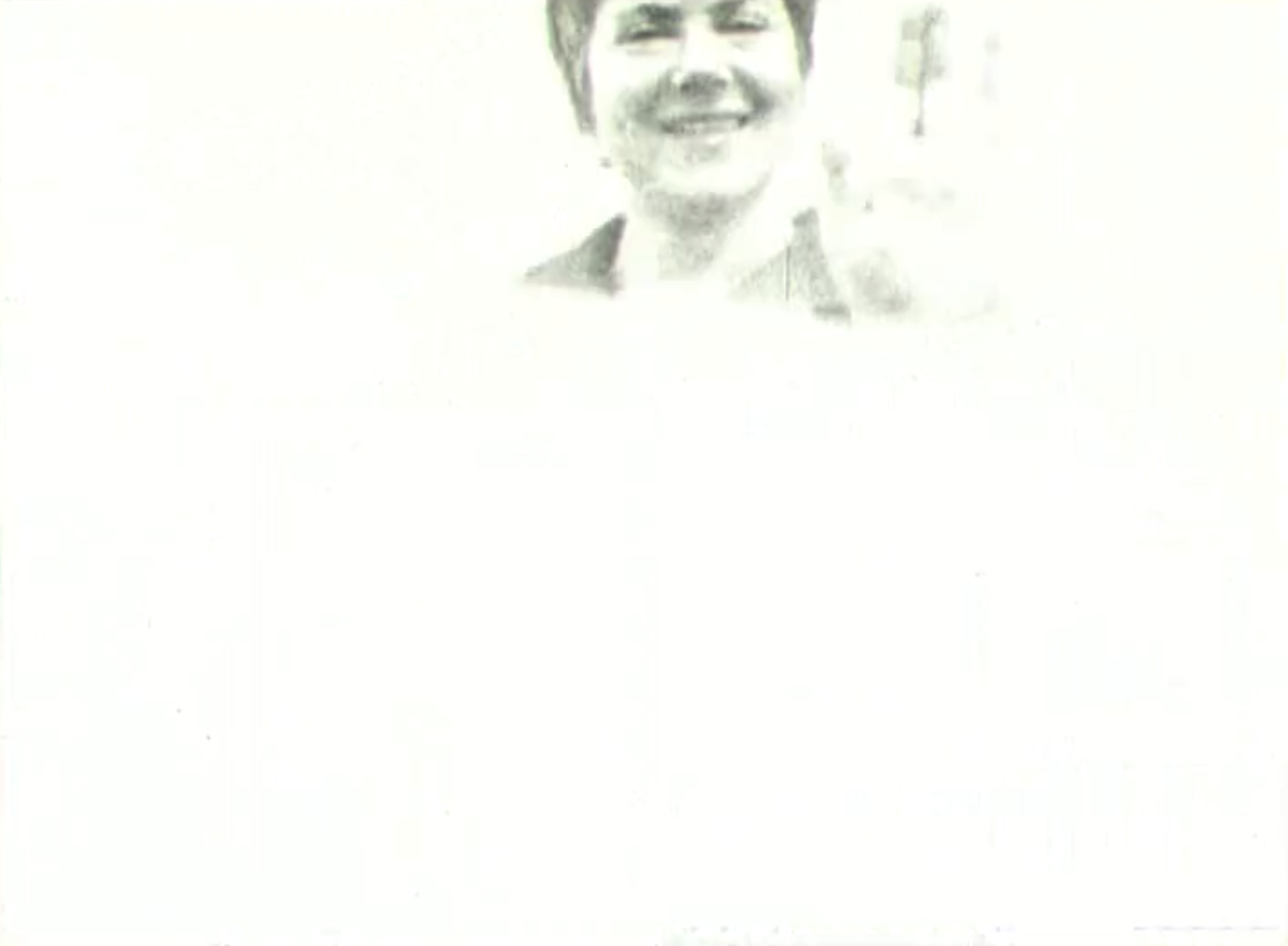
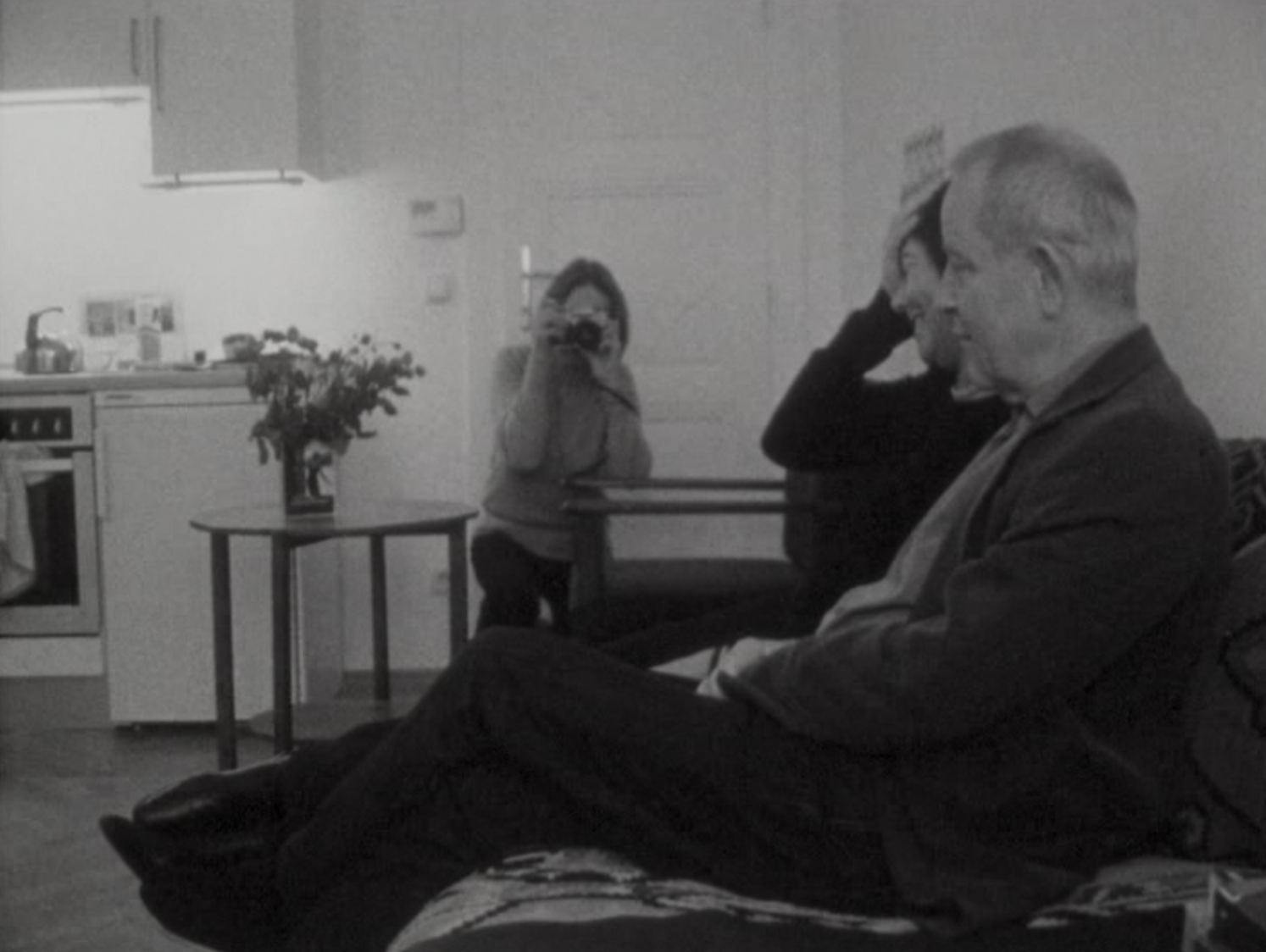
In Das neue Kostüm (The New Suit), Kubelka prepares for the Austrian State Prize for Photography while being fitted for clothing inside her psychoanalytic office. Family members drift through the space. Her daughter begins taking stills after the 16mm camera breaks. The accidental transition fragments time into isolated moments of charged domesticity. Nothing overtly dramatic occurs, yet the atmosphere feels profoundly intimate, almost forbidden in its ordinariness. Kubelka waving her hands to stop recording as light floods the frame becomes strangely moving, a reminder that privacy survives even within acts of sharing.
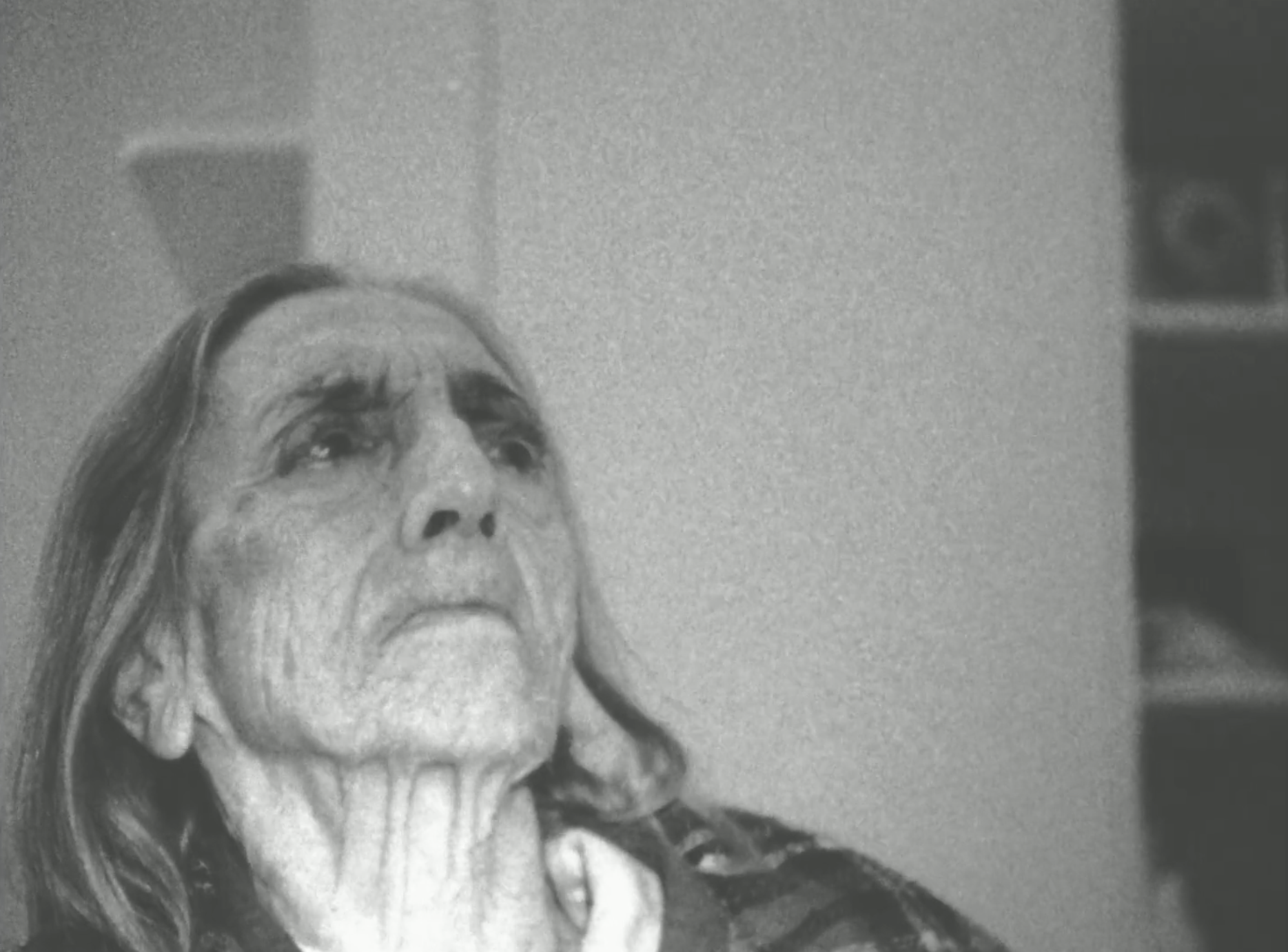
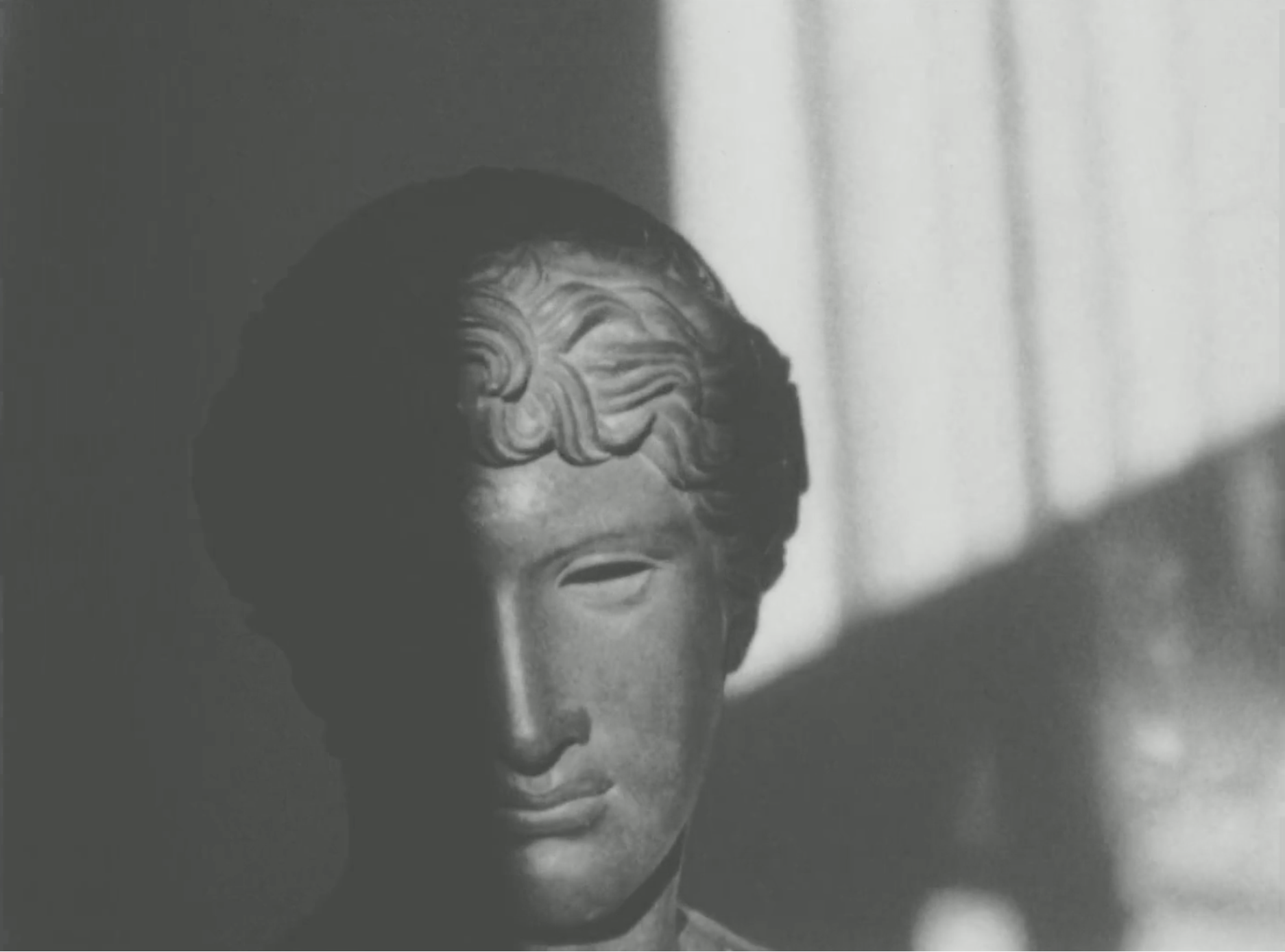
Aging and familial continuity reach devastating emotional force in NEC SPE, NEC METU. Kubelka revisits her mother in a nursing home where flashes of recognition emerge briefly through blankness. Distortions of light break across the frame unpredictably. A baby’s arm reaches toward the elderly woman’s face. The work closes on the head of a Greek statue, linking antiquity, bodily decline, memory, and inheritance, all of the coexisting inside one trembling continuum.
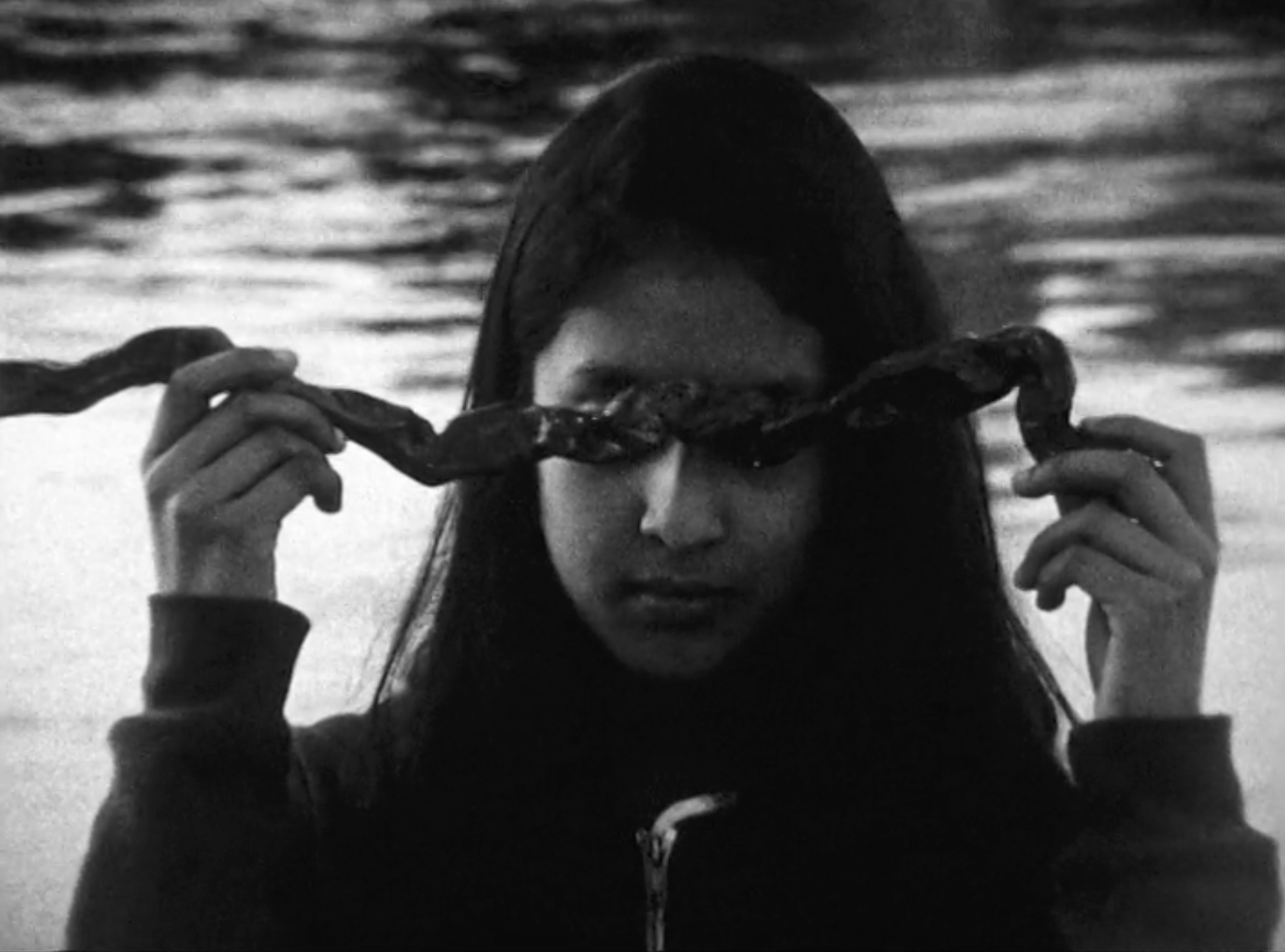
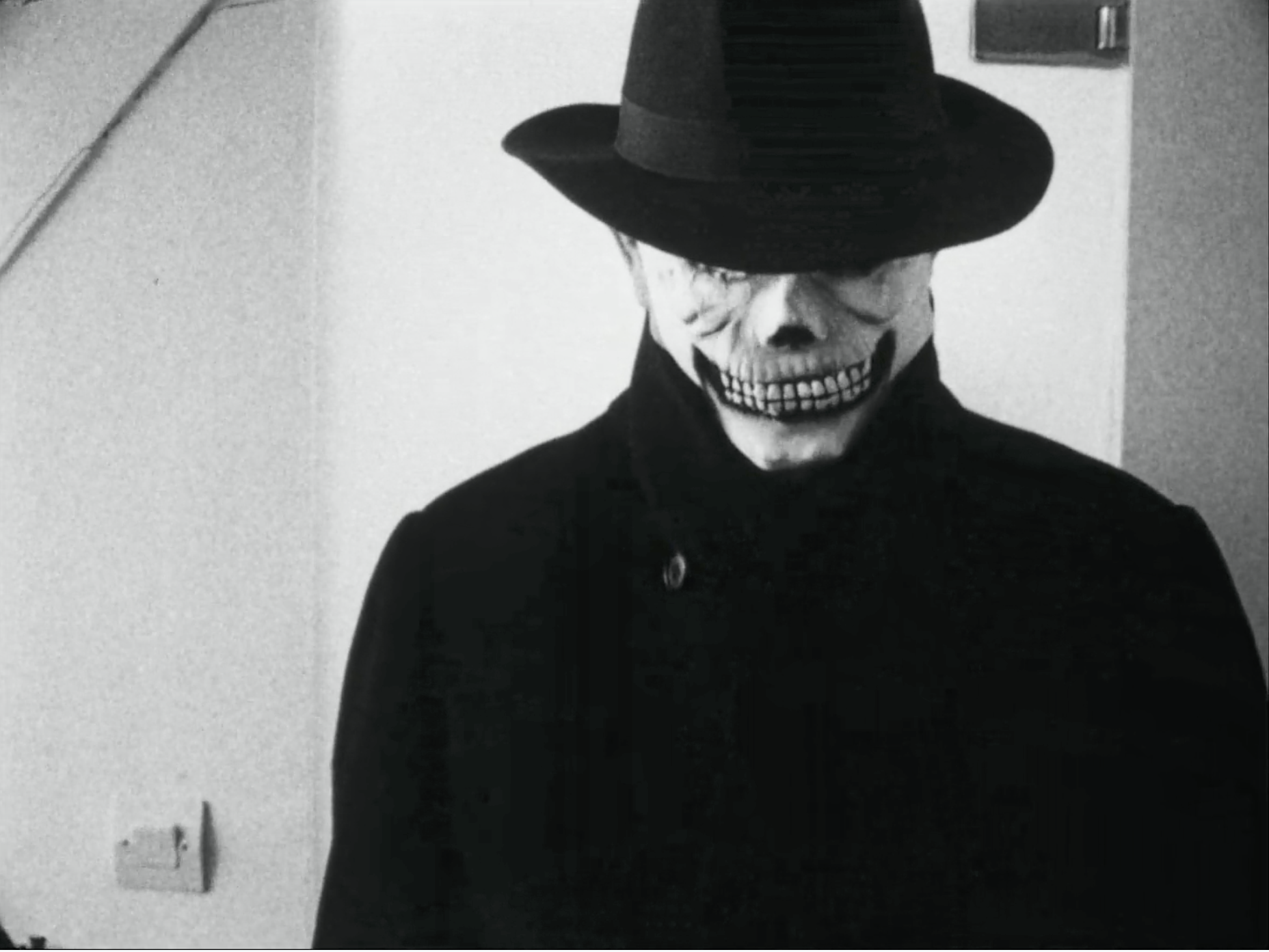
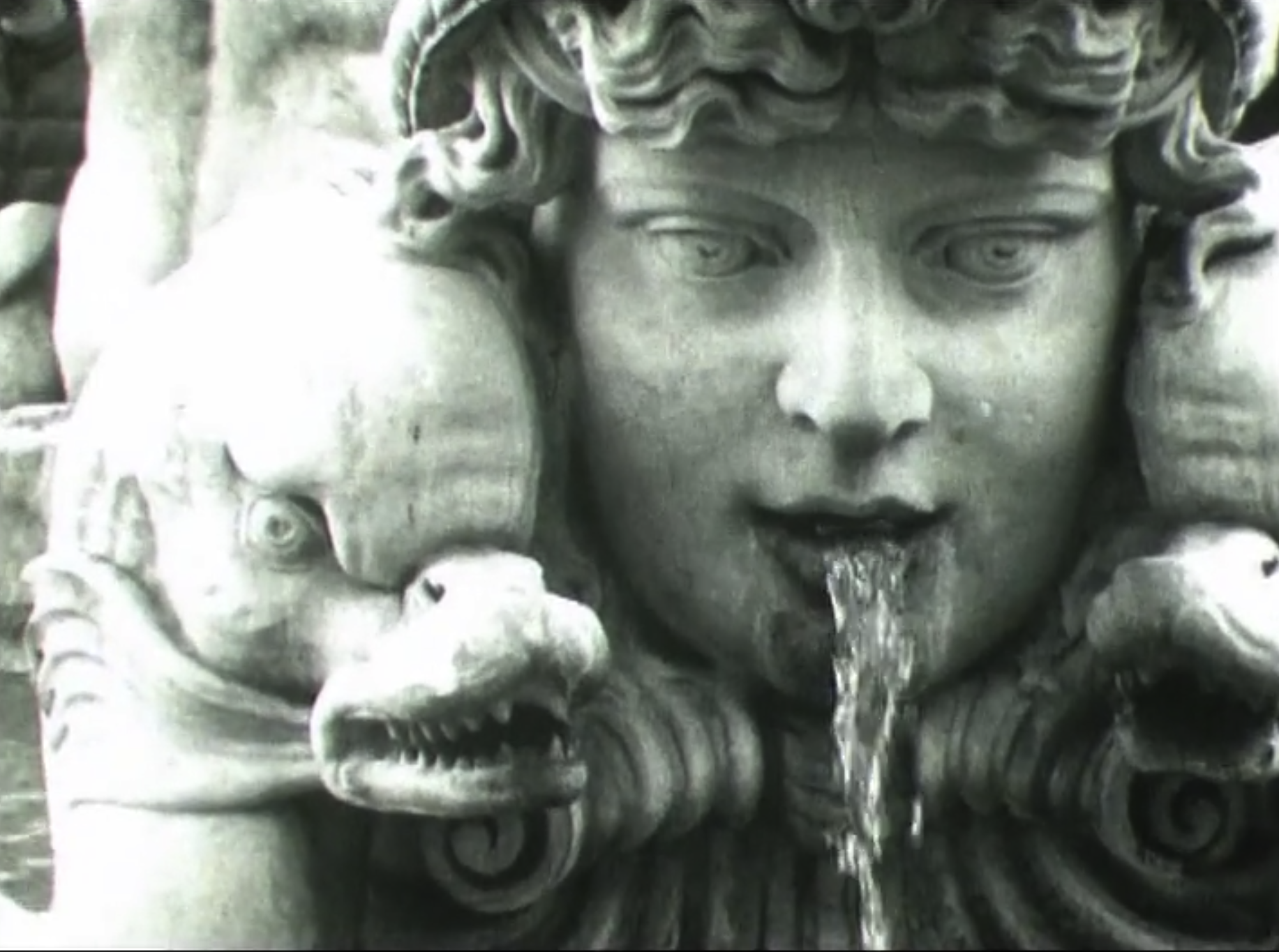
Elsewhere, Kubelka pursues entirely emotional registers without losing coherence. Ruhe auf der Leinwand (Silence on the Screen) studies a painted portrait by Otto Riedel until the act of looking becomes reciprocal. Empört Euch! (Time for Outrage!) traps a boa constrictor within mirrored enclosures, transforming capitalism into a suffocating serpent consuming both prey and spectator. Maschile. Roma moves across men’s faces from varying social classes before ending on a Roman fountain vomiting water endlessly into distortion. In Rome peers through the shooting slits of Castel Sant’Angelo at passing pedestrians, juxtaposing architecture with fragments of her husband’s aging body until the city itself feels voyeuristic. Ticino follows river worn driftwood gathered by children, turning nature into unconscious sculptor. Winter in Paris transforms scaffolding outside a window into fractured abstraction before revealing the muscular presence of a worker whose body becomes an object of fascination. Later, Kubelka embraces a figure wearing a hat and a grotesque mask, death and tenderness momentarily fused.
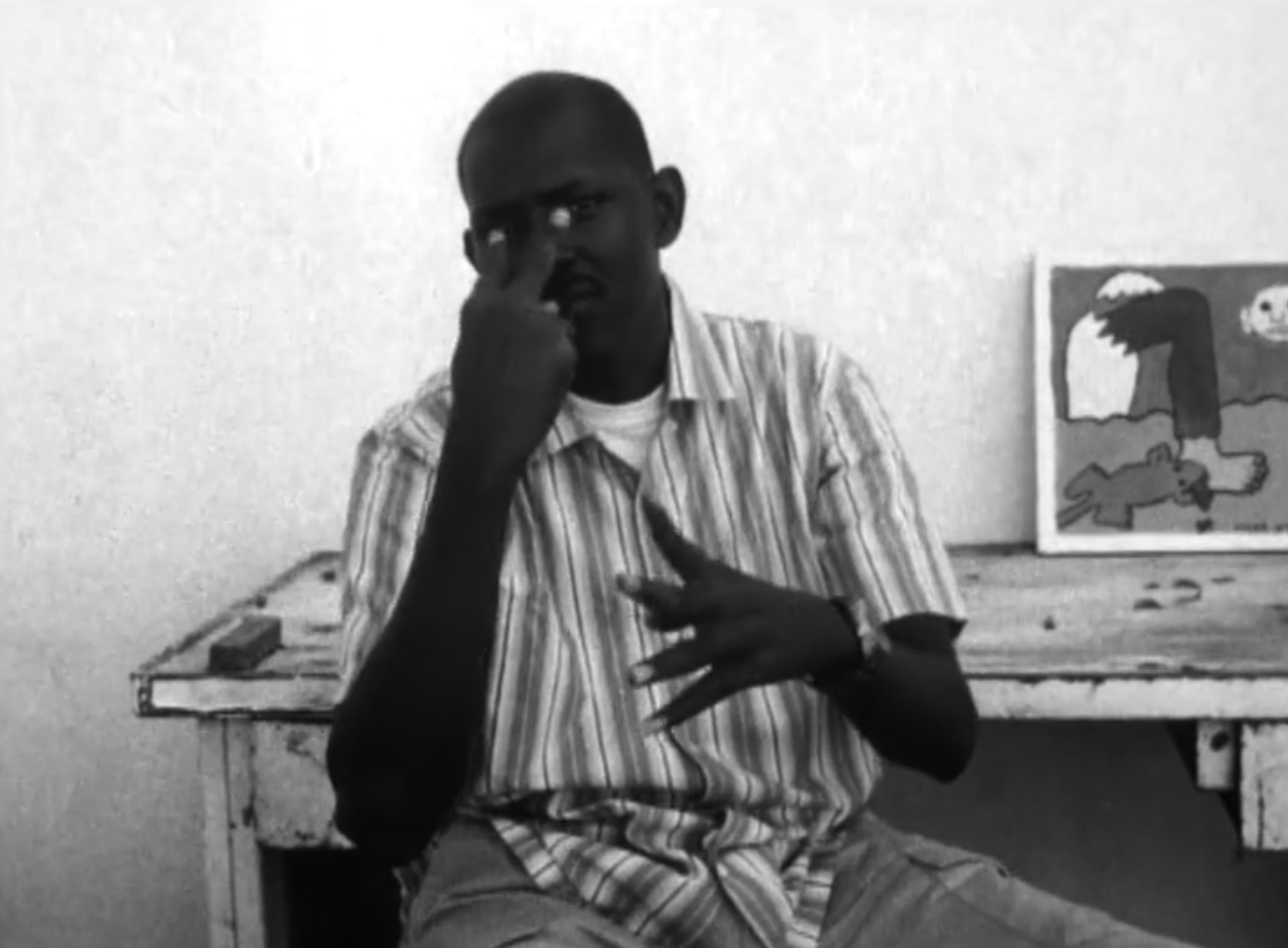
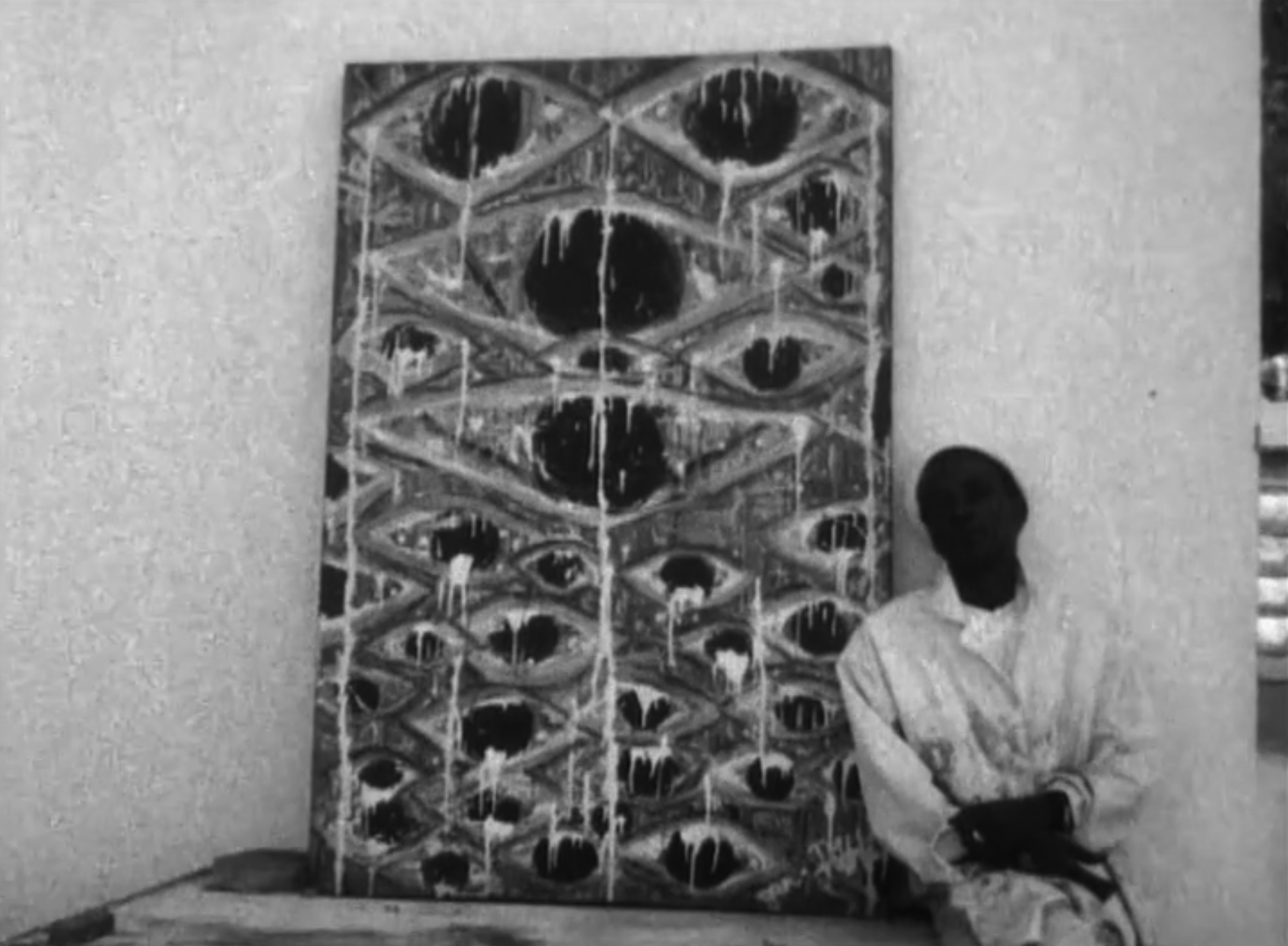
The longest piece here, Atelier d’Expression, may also be the collection’s emotional center. Set in a Dakar psychiatric workshop, it portrays seven artists alongside their creations with extraordinary patience and dignity. Omar N’Diaye, deaf and intensely expressive, explains one of his paintings in sign language: a bitten foot emerging from a cracked egg beneath a moon-faced witness. Other canvases teem with eyes, fragmented anatomy, dislocated times and places. Kubelka cuts between artworks, faces, and beach wrestlers tracing marks into sand, inner turmoil migrating outward into material form.
What ultimately distinguishes Kubelka is the ethical force of sustained attention. She keeps looking after most people would stop looking. Her work resists acceleration and the contemporary demand that visual culture deliver immediate legibility, resembling not an archive but an alternative system of timekeeping measured through intervals of attention. The central theme is clear: memory does not preserve us because preservation was never possible. We thrive instead through continual reappearance inside other people’s perceptions, becoming echoes carried unknowingly forward. Somewhere beyond every frame, after the shutter closes and the projector falls dark, the unfinished self continues wandering through the eyes of strangers.
Roberto Masotti: Keith Jarrett – A Portrait

Italian photographer Roberto Masotti (1947-2022) was among the most perceptive visual chroniclers of modern music, a figure whose work shaped the sensibility of ECM Records. His photographs graced nearly two hundred covers and booklets for the label, forming a parallel archive to the music itself. From the austere radiance of Officium to the quietly arresting portrait of John Cage that frames Herbert Henck’s recording of the composer’s early piano works, Masotti played a role in defining how this music would be seen, approached, and remembered. He was not merely a documentarian of studio sessions but a devoted listener whose camera functioned as a secondary instrument, tuned to the inner heartbeat of performance. Nowhere is this fusion of attention more evident than in Keith Jarrett: A Portrait, a volume that reads less as a record of appearances than as an extended act of listening rendered visible.

Masotti’s own words illuminate his method with uncommon clarity. “In this series of photographs that I observe with a retrospective gaze,” he writes, “I play with the concept of presence, that one of the body and the one of the instrument, which appear and disappear in the image.” He speaks not of capture but of exchange, of an intimacy grounded in restraint. These photographs arise from what he calls an “objective attention” shaped by long admiration, yet they are equally the result of Jarrett’s conscious acceptance and active participation. The images are thus collaborative in spirit, not imposed from without but allowed to unfold through mutual recognition. What remains is an archive that resonates with sound even in silence.

To move through the sequence so carefully composed in this book is to encounter a photographer who understands that an artist such as Jarrett cannot be approached through biography or chronology alone. Masotti storytells through a mode of looking that resembles ritual, one without a prescribed outcome, sustained only by attention. For him, photography does not consist of isolated instants but of moments, a distinction that carries ethical weight. Within a moment, an entire accumulation of experience can register itself through posture, gesture, or stillness. This understanding leads naturally to a deeper inquiry: what, after all, constitutes a portrait?

In Masotti’s hands, the portrait ceases to be an act of description. It becomes a site of encounter where identity is neither fixed nor fully disclosed. A portrait does not declare who its subject is; it asks how presence manifests, and under what conditions it withdraws. In this sense, the portrait is not a mirror but a threshold. It holds open the possibility that what is most essential about a person may resist total visibility. Masotti seems keenly aware of this tension. He recognizes the value of distance, of knowing when not to press closer, of allowing the subject’s aura to assemble itself without the insistence of the lens. This discipline is inseparable from his deep admiration for Jarrett, an admiration rooted not in fandom but in experiential listening. He does not set out to check off the pianist’s achievements so much as to dwell within their unfolding.

It was through Jarrett, in fact, that Masotti first came into ECM Records’ orbit. At the pianist’s recommendation, he traveled to Munich in 1973 to present a photo shoot to producer Manfred Eicher. The encounter proved decisive. The images were received enthusiastically and would soon be incorporated into the Bremen/Lausanne release of that same year, marking the beginning of a collaboration that would shape the label’s visual identity for decades to come.

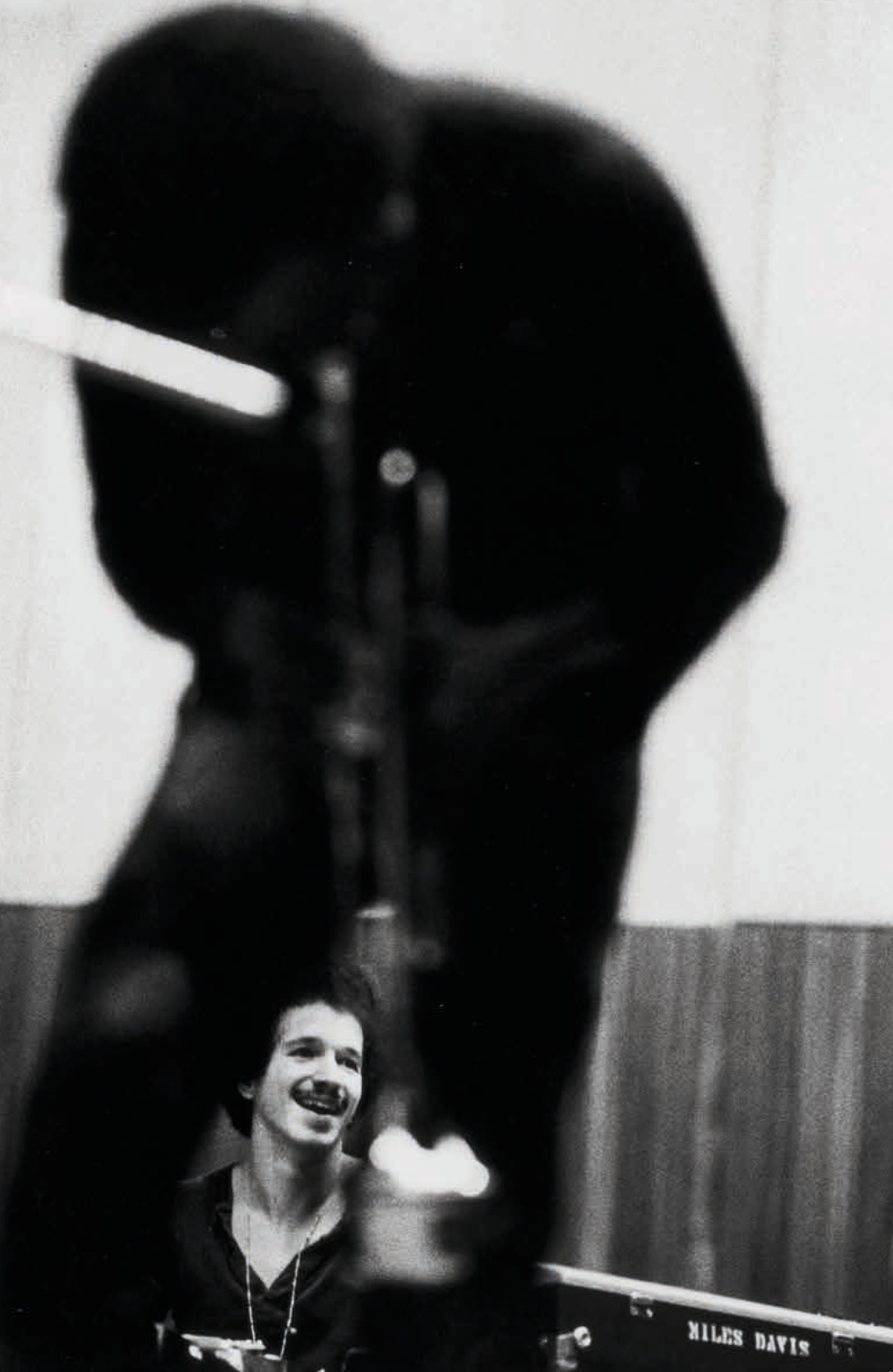
Jarrett’s well-known sensitivity to distraction during performance posed a particular challenge. To photograph him in action required not only technical skill but a form of empathy calibrated to the moment. Masotti met this challenge with a chameleonic tact, adapting himself to the environment rather than imposing upon it. The resulting images often unfold in a montage that feels almost cinematic, though they never lapse into spectacle. Their power lies in continuity, in the quiet accumulation of gestures and expressions that suggest movement beyond the frame.

1971, Miles Davis Group, Philarmonie di Berlino
1973, Monaco di Baviera, America Haus, soundcheck
1974, Pescara, Jazz Festival
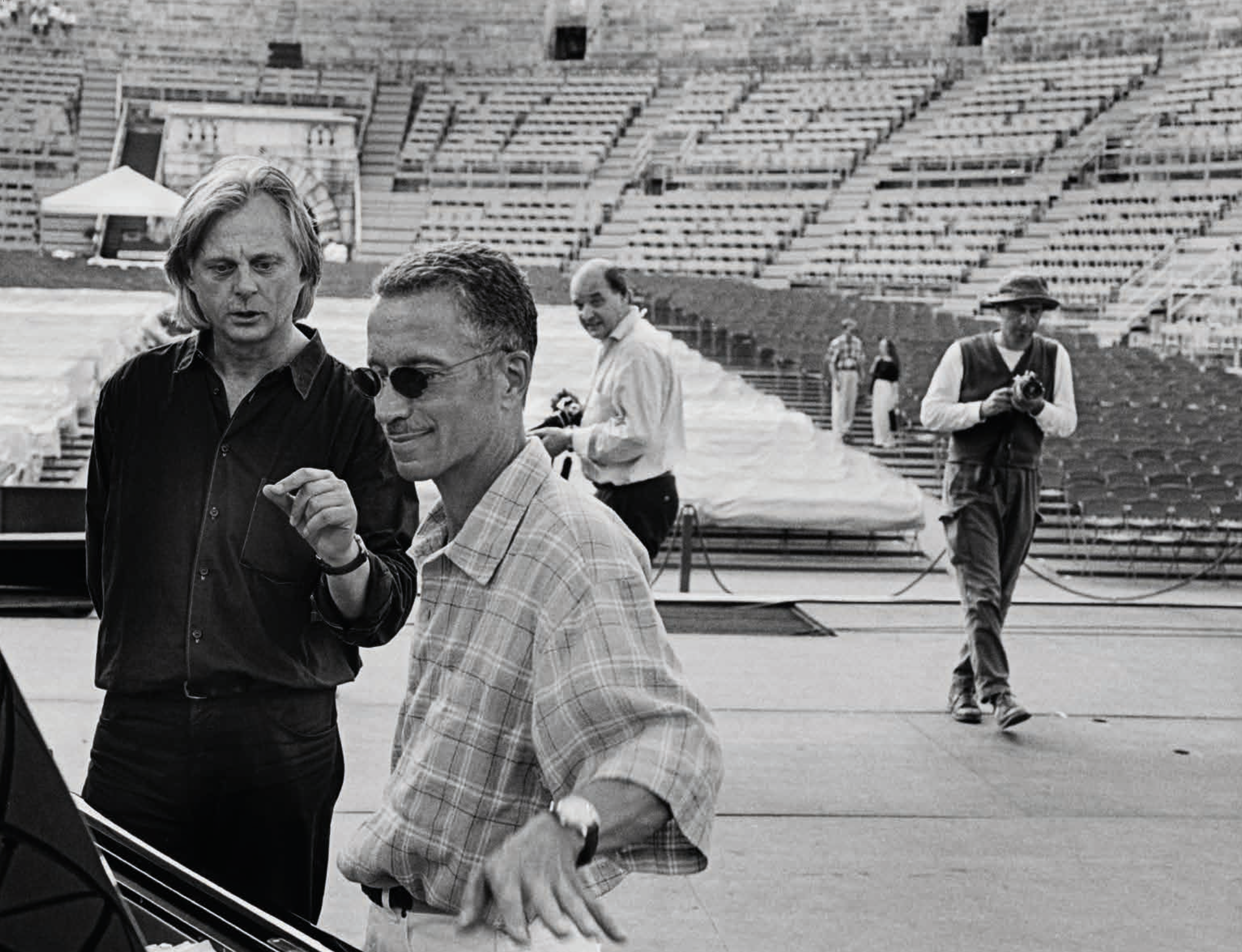
1999, Verona, Arena, Jazz Festival, with Manfred Eicher
2002, Lucca, Summer Festival

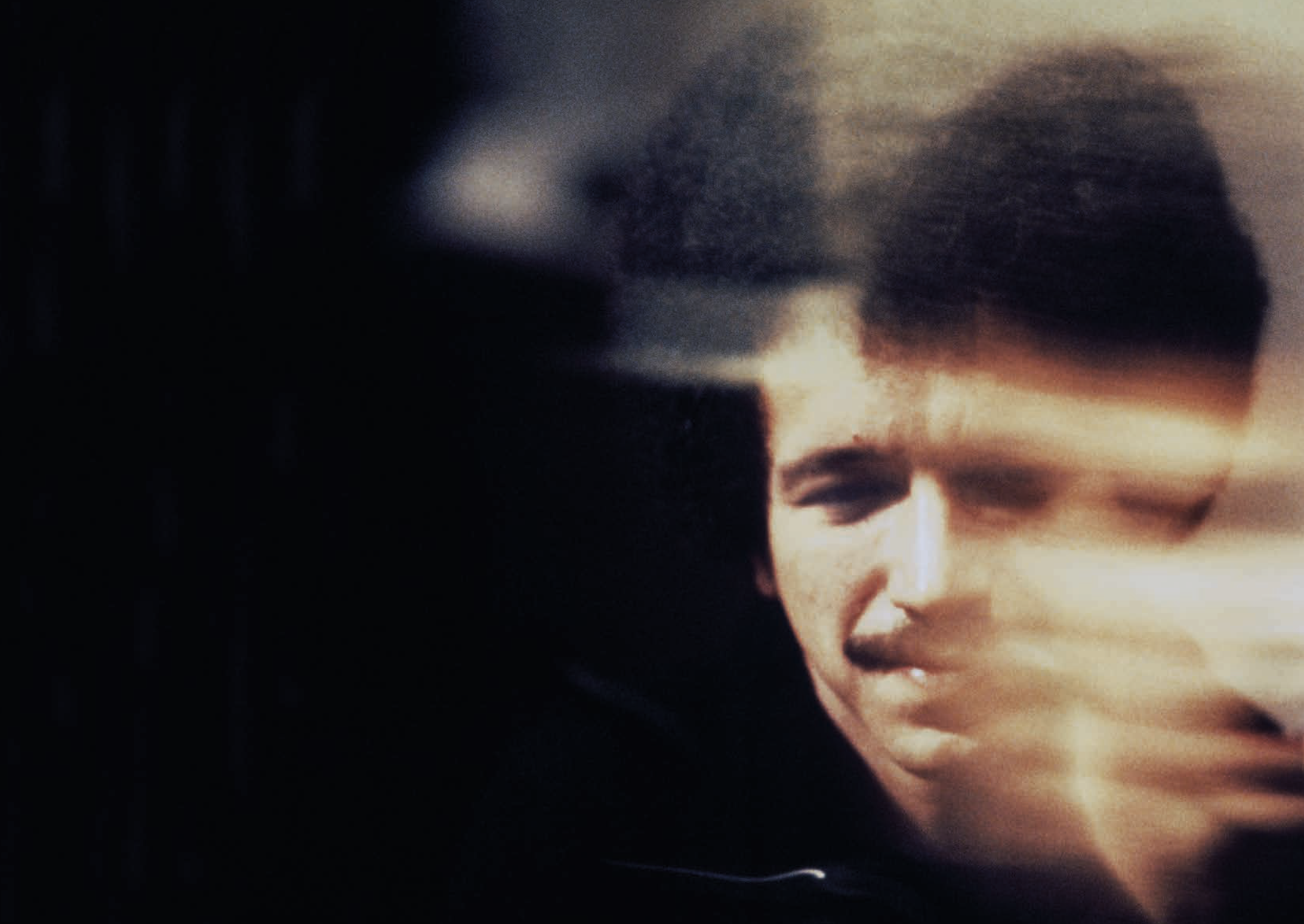
Taken together, the images chart Jarrett’s evolution from a fiercely expressive sideman in the orbit of Miles Davis to an increasingly enigmatic figure, and finally to a singular presence in solo improvisation. Yet the photographs resist narrative closure. They do not resolve into a story so much as a constellation of states. Among them, one image stands apart. It is the second one above, where Jarrett’s face appears refracted in soft color, suspended between clarity and dissolution. Masotti, a photographer of formidable technical command, rarely indulged in overt manipulation. Here, however, he allows the image to drift toward the spectral. The effect is restrained yet profound. It touches something central to Jarrett’s music, its simultaneous rootedness in the physical act of playing and its persistent reaching beyond the self. The photograph carries within it a residue of sound, an afterimage of music that seems to hover just beyond reach.

Keith Jarrett: A Portrait proposes a way of seeing that honors absence as much as presence. Masotti reminds us that the deepest forms of attention do not seek to possess their subject. They remain open, patient, and receptive. The book closes with a quiet suspension between composition and improvisation, as though the music has not ended but simply moved elsewhere. In that lingering space, photographer and musician meet on equal terms, each attentive to the other, and to the fragile, enduring moment they share.

Friedl Kubelka vom Gröller: Photography & Film (INDEX 039)

To approach Friedl Kubelka vom Gröller’s work is to enter a visual conversation in which portraiture reverses its usual direction. Instead of externalizing the internal in her subjects, she internalizes the external. The images behave less as windows than as mirrors, each a sobering reflection of our desire to read emotion, history, and truth into faces that refuse to perform. As Andréa Picard notes, Gröller is a practitioner of “intimate encounters” in which individuals are neither exposed nor captured but held in suspension at the threshold of recognition.

This suspension permeates the early pages of INDEX’s first book edition. The photographs therein, printed with honest lucidity by Christoph Keller Editions, show faces emerging mid-breath. Simultaneously present and withdrawn, they tremble between suffering and serenity. Her grid structures, most famously the Lebensportrait Louise Anna Kubelka series that documents her daughter weekly from birth through adolescence, unfold like a filmstrip. The blank squares where images are missing take on equal significance: temporal fractures, absences in maternal memory, interruptions in the fragile ritual of steady observation. These sequences echo the formal logic of cinema, built from illusions of continuity shaped by the cutting room.

The Jahresportraits, taken every five years from 1972 onward, chart not only the forward march of aging but also the atmosphere of an entire life-world. Melanie Ohnemus situates them within a feminist reclaiming of bodily autonomy. Within this context, the 1970s self-portraits, especially the Pin-Ups series, create a counter-archive. Saturated in color, refracted through ceiling mirrors or segmented by architectural lines, they mimic the vocabulary of glamour photography while disrupting it from within. Seductive yet confrontational, carefully staged yet emotionally exposed, they insist on a form of visibility that resists conventional consumption.

Even her fashion photography, an early professional pursuit, elicits shades of disobedience. Although commercially viable, the images perform what Ohnemus calls a “false copy” of the genre, “acting almost defiantly in the face of normative style conventions and countering obstinate references with consistent assertion of individual aesthetic autonomy.” They exhibit awkwardness, vulnerability, and small slippages where faces or bodies stutter against the camera’s demands. In her interview with Dietmar Schwärzler, Gröller explains this approach with disarming clarity: “For me, the psychological aspect was always important and also the creation of intimacy, even when I don’t know the person in front of the camera.” Said intimacy is never sentimental. It develops through exposure.

Her films, collected on the accompanying DVD, You. Me too., behave as “moving photographs,” as if time itself has begun to oxygenate the still image. Silence dominates, carrying a weight that spoken language cannot.

Erwin, Toni, Ilse (1968/69), her first film, contains the seeds of her entire creative approach. Among the three subjects, her friend Ilse is the most poignant arbiter of truth. Having been filmed after a suicide attempt, she oscillates between resilience and brokenness. The film neither diagnoses nor consoles; it waits, aware that the environment belongs to a person’s portrait as much as their features do.

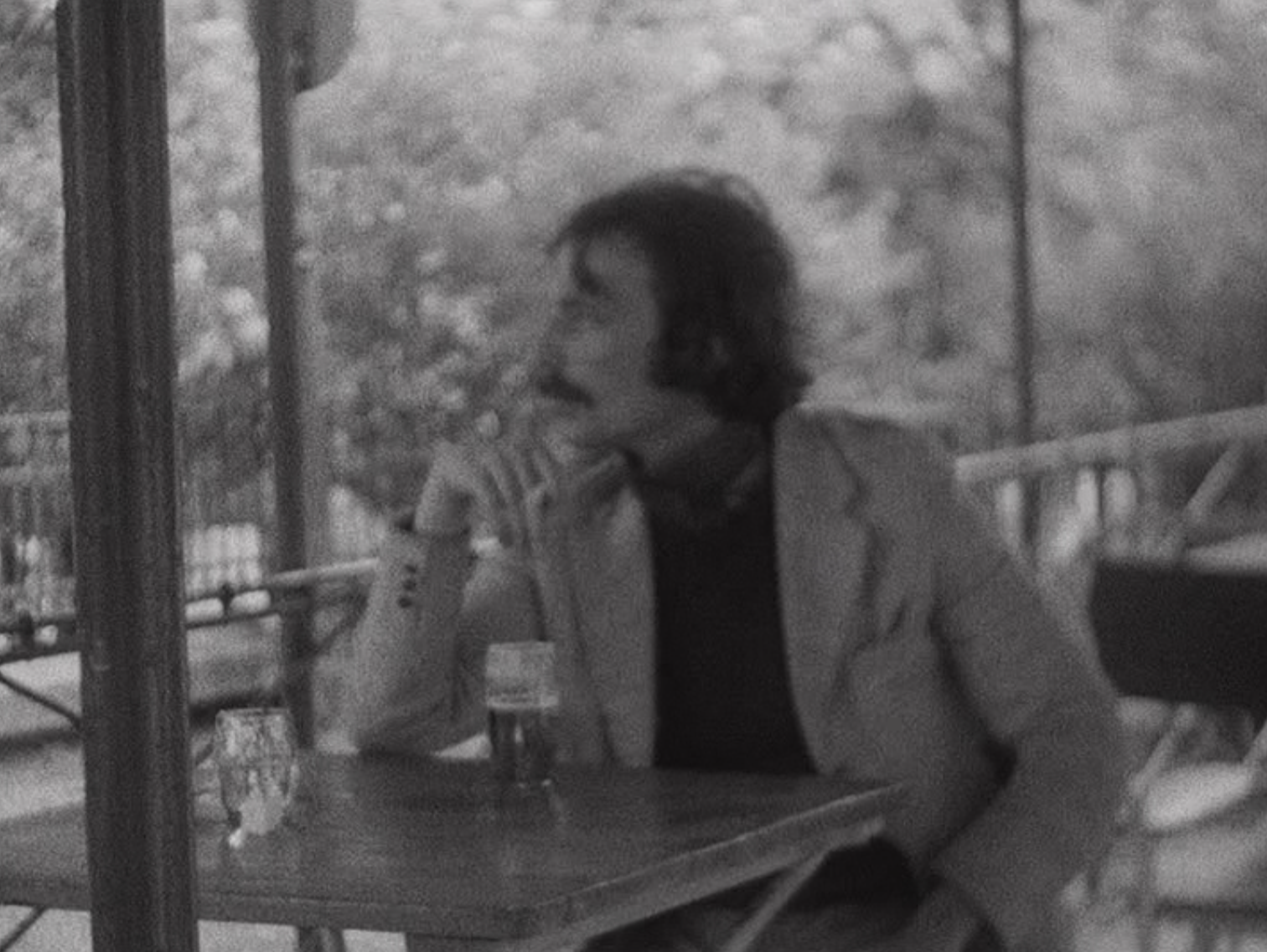
In Graf Zokan (Franz West) (1969), the celebrated artist squirms beneath the camera’s regard while banal elements such as a water spigot or an outdoor café table drift into view. The result is an exercise in worldly interruption.

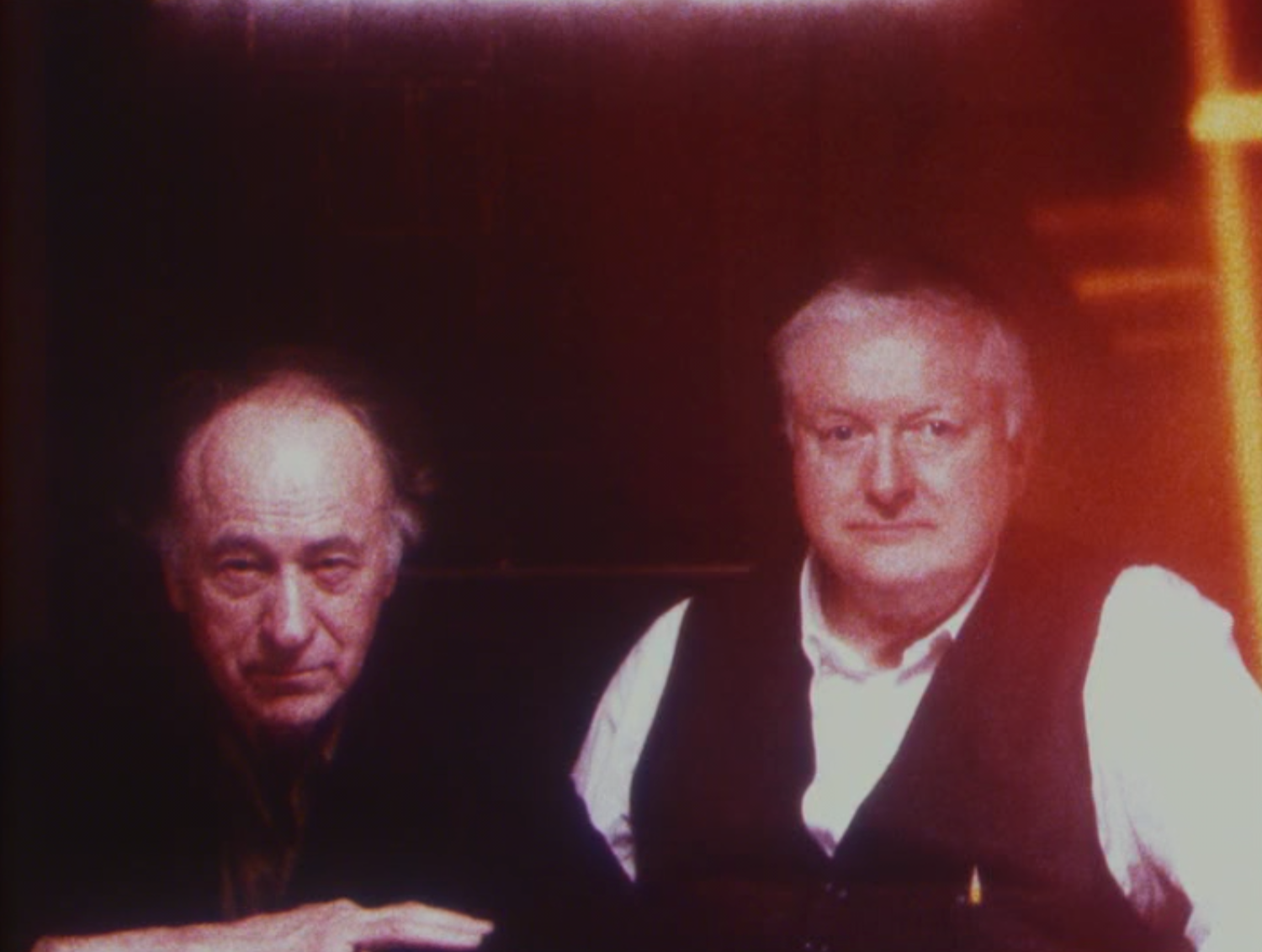
Peter Kubelka and Jonas Mekas (1994) incorporates Gröller’s own presence. The aftermath of an argument with Kubelka becomes embedded in the air, shaping tensions and micro-expressions. Reconciliation unfolds wordlessly in a choreography of glances and hesitations.

Eltern: Mutter, Vater (Parents: Mother, Father, 1997/99) confronts the difficulty of filming one’s parents. Her mother’s full-color restlessness and father’s monochrome indifference forge a valley between memory and attachment. Such are the asymmetries of familial bonds.

Lisa (2001) alternates between sternness and a sudden smile. Care and tension hover in unresolved harmony.

Polterabend (Hen Night, 2009), filmed the night before Gröller’s wedding, transforms a social ritual into a photographic event. The group portrait becomes a swarm of miniatures as guests step forward into the camera’s silent gaze.

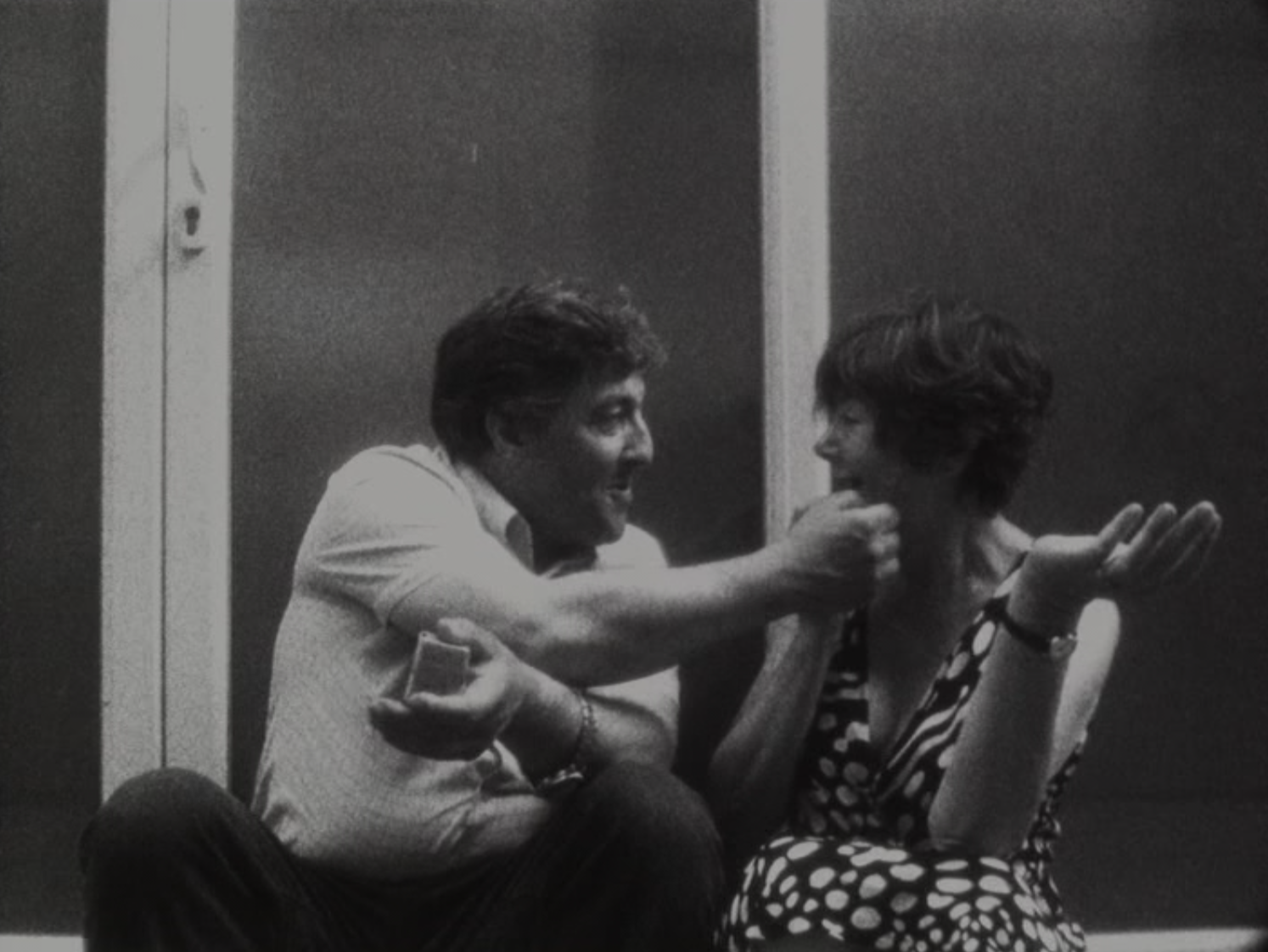
Der Phototermin (Photo session, 2009) offers a moment of joy: a man and woman laughing while still and motion cameras capture them. Their silent laughter overflows with unmistakable warmth. The final reveal of the photographs grounds their exuberance in physical trace.

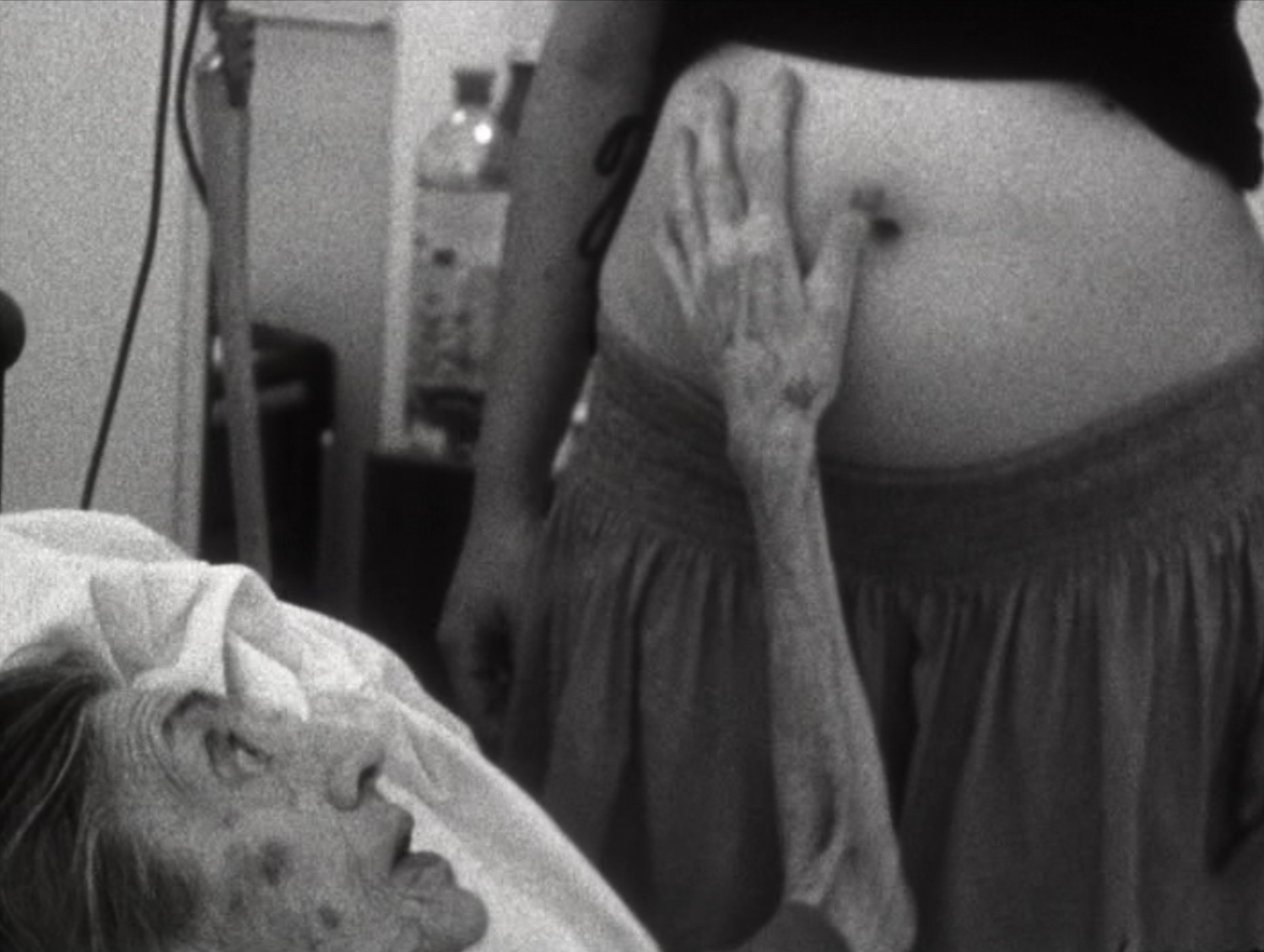
Gutes Ende (Bliss, 2011) devastates. Her mother, dying in a nursing home, can still sense her daughter’s presence. Gröller wipes the lens, an act of care that becomes part of the portrait, as if clearing the fog from the world’s surface so her mother can be seen. Another woman in the room is pregnant. Birth and death share the space without commentary.

Ich auch, auch, ich auch (Me too, too, me too, 2012) turns inward. The jaundiced color, trembling voice, and wandering monologue form a self-portrait of illness, a body on the verge of dissolving into its own fragility.

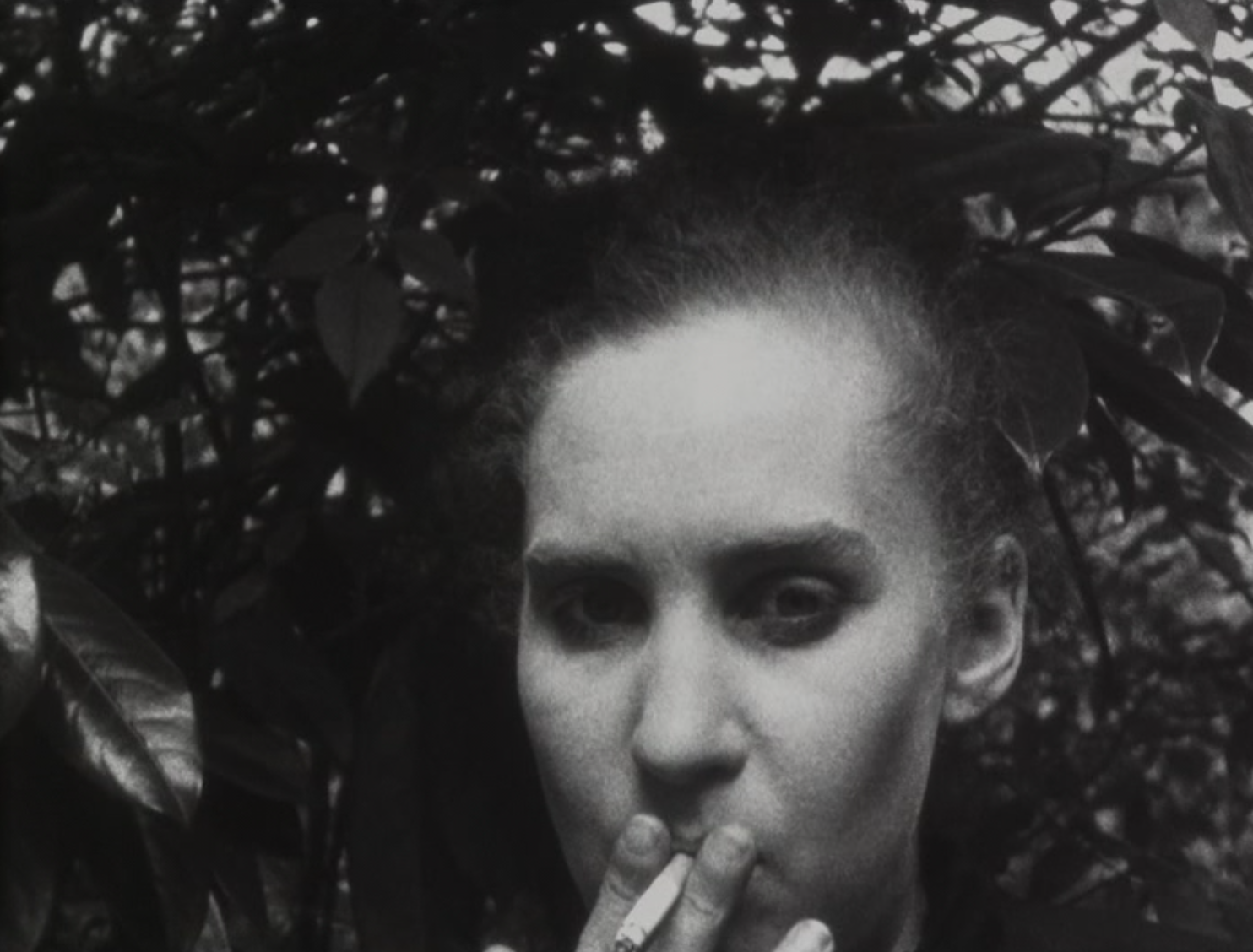
Delphine de Oliveira (2009) layers past and present in what Harry Tomicek calls a “[p]aradox of portraits that insist upon their right to stay a mystery.” Ilse’s early image appears projected on a wall before the frame shifts to Delphine, who smokes and moves with the same withheld despair. She accepts an apple and returns it, an anorexic refusal that resonates with Ilse’s remembered presence.

La Baromètre / Laurent / Herachian (2004/05/07) observes three men who enter Gröller’s Paris apartment to watch her perform a striptease. Their reactions, ranging from arousal to awkwardness, become the real subjects. Vulnerability and power trade places.

Psychoanalyse ohne Ethik (Psychoanalysis without Ethics, 2005) stages an analytic encounter devoid of sound. The viewer must listen with their eyes as Gröller quietly peels away a cast from her leg. Therapy becomes a double removal: of protection and of façade.

Passage Briare (2009) shows a tentative romantic encounter. Two older people negotiate the camera’s presence and their own hesitant intimacy.

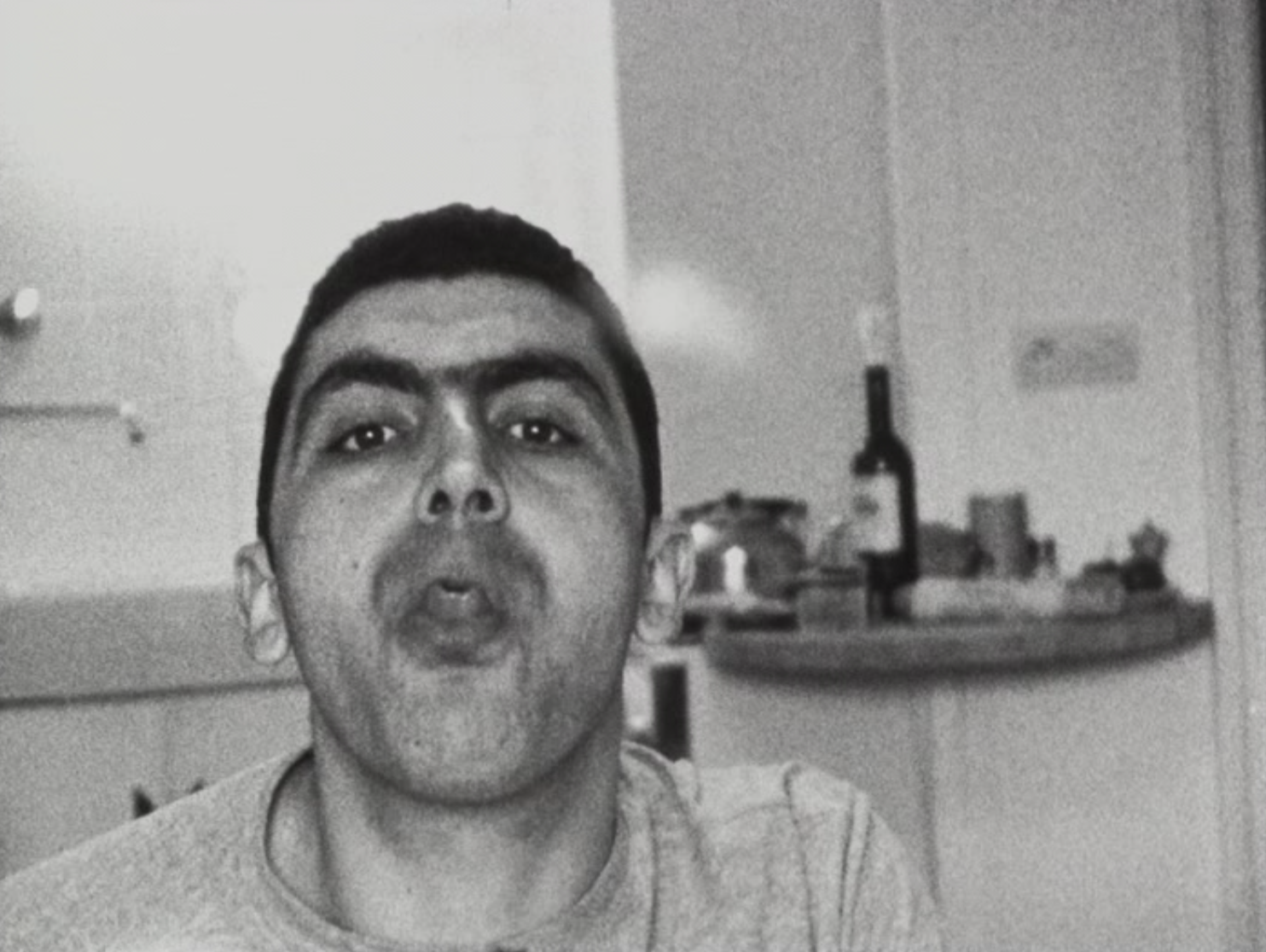
Spucken (Spitting, 2000) turns domestic mischief into portraiture. Gröller spits cherry pits at the camera. Childish, unruly, and undeniably endearing.

Boston Steamer (2009) moves into abjection. In a nod to Kurt Kren, defecation is filmed in extreme proximity through a cardboard aperture framing each anonymous anus. With each repetition, the grotesque takes on an unexpected tenderness.

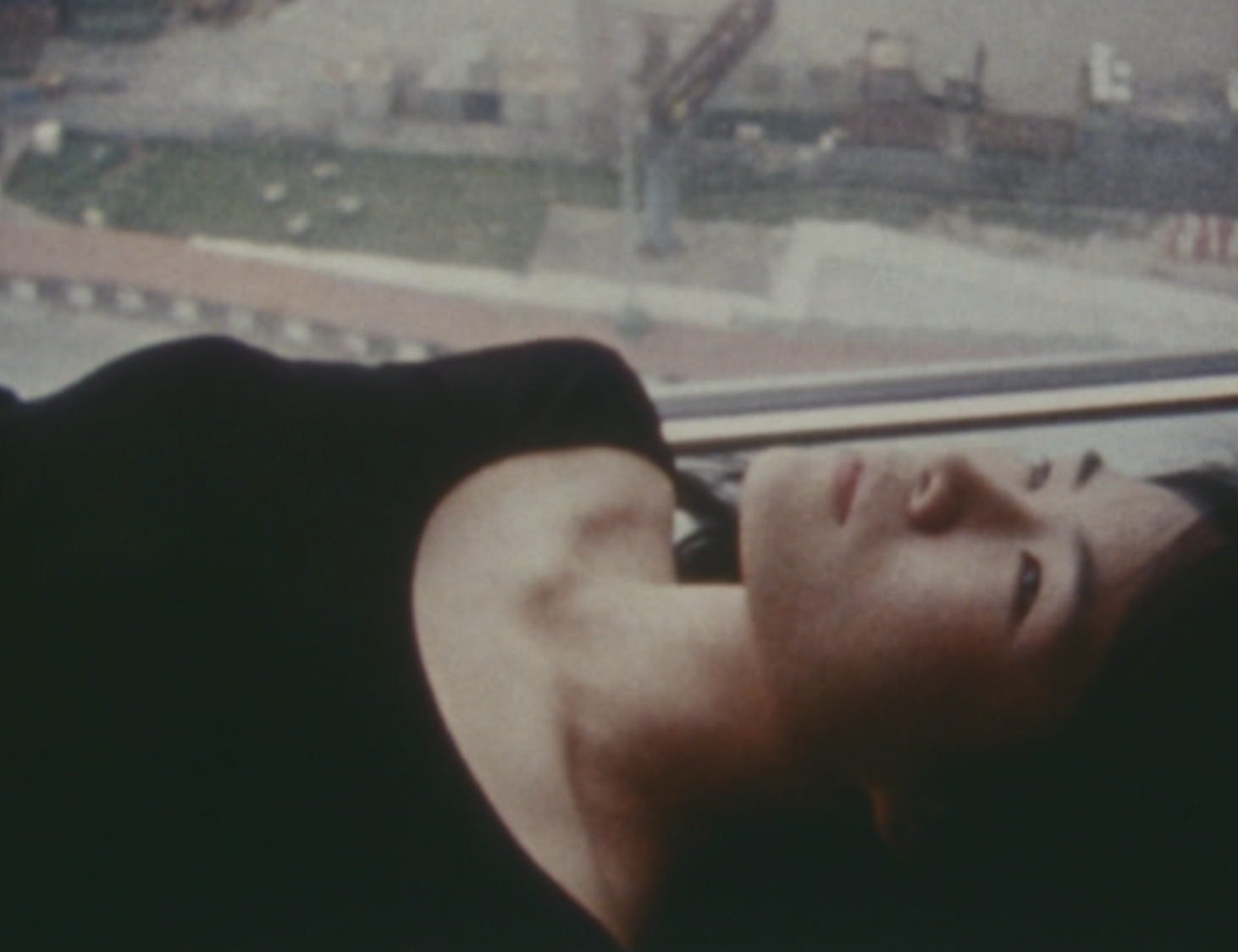
Heidi Kim at the W Hong Kong Hotel (2010) studies architectural vulnerability. A woman perched on a windowsill dwarfs herself before the city’s scale.

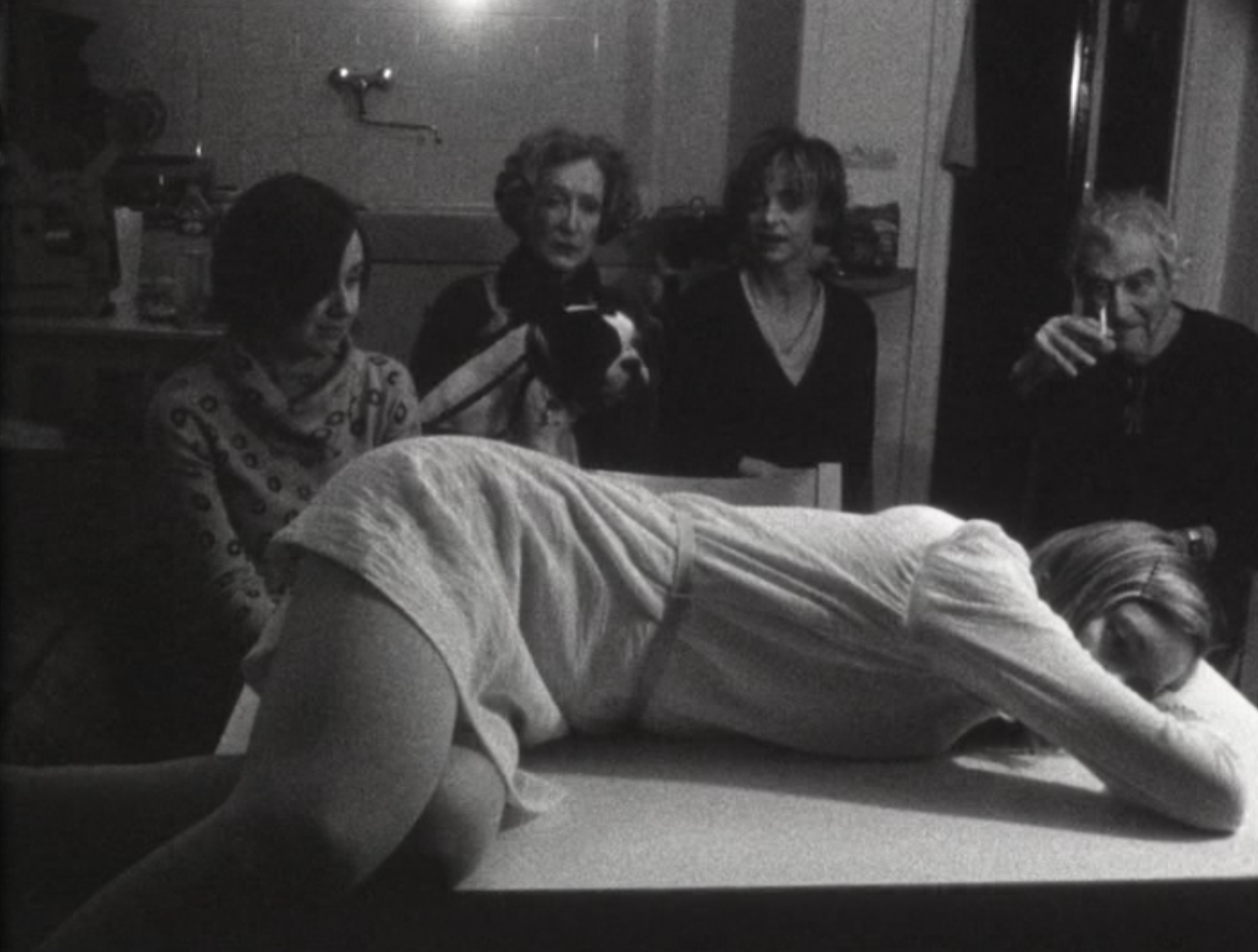
La Cigarette (2011) brings five people, including two actors from Godard’s Nouvelle Vague, into a small room. A cigarette circulates like a fragile talisman. The woman who smokes collapses onto the table, and an old man attempts to revive her by offering the cigarette again. The gesture feels both horrific and healing.

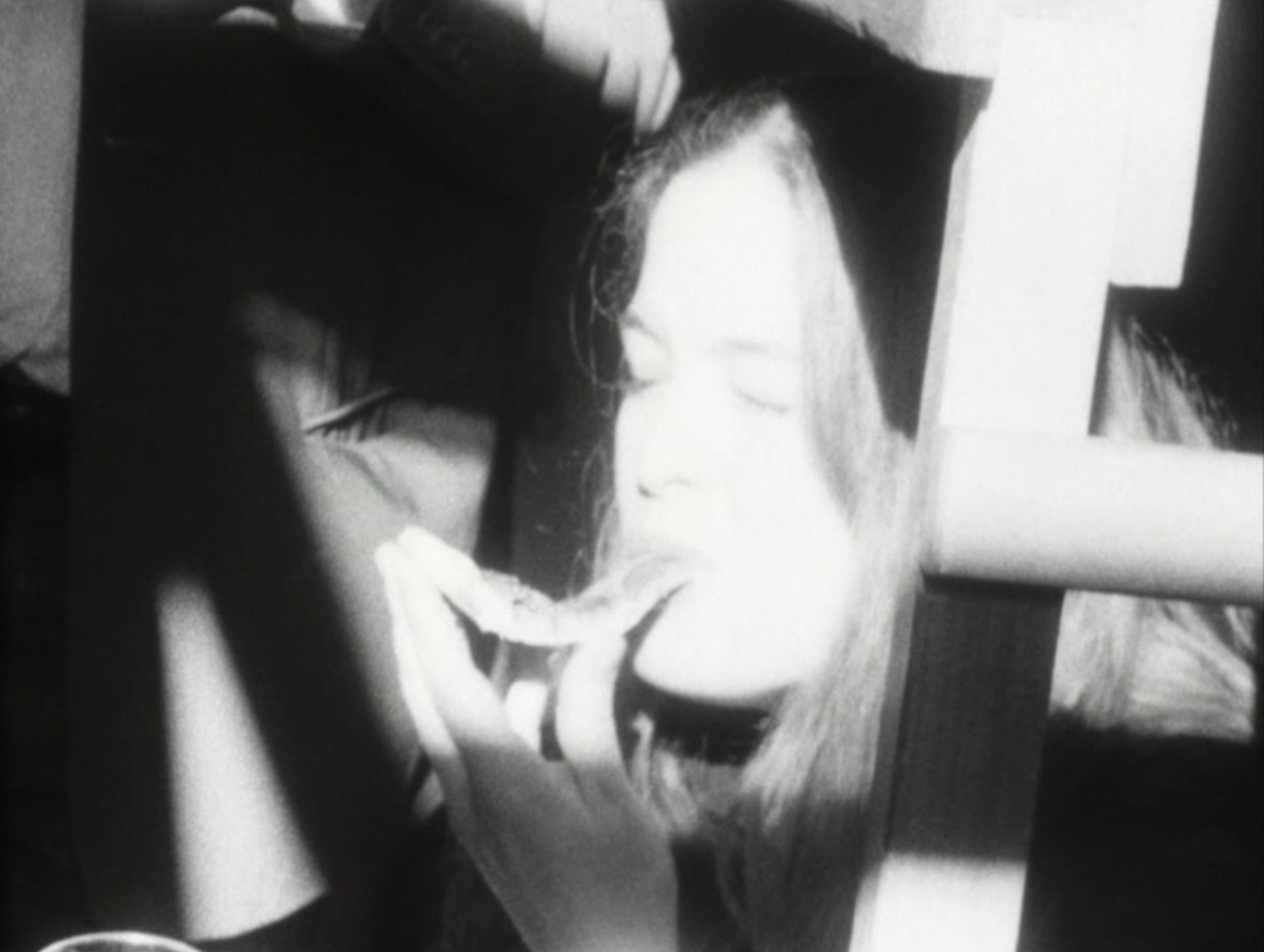
Menschen am Sonntag (People on Sunday, 2006/11) is unusually fluid for Gröller. A morning-after scene, with pizza slices and soft sunlight, becomes a quiet celebration of friendship in its least performative state. She captures the residue of the night with affectionate precision.

Wherever she is in space and time, Gröller resists any urge to pry open her subjects. Instead, she constructs situations in which the revelation speaks in the dialect of the individual. Having built something like a counter-history of human appearance in which faces shift, seasons change, and bodies falter or revive, her gaze nevertheless retains a peculiar steadiness in recognition of the fact that the self revealed at any given moment is only a temporary tenant. The psychological thread linking her work is an awareness that identity is never entirely ours but something that contradicts itself at every turn. Her portraits do not crystallize a person so much as follow the fault lines along which each becomes someone else. What they ultimately disclose is not hidden emotion or buried truth but the simple fact that we are all in continuous negotiation with time. In this sense, her oeuvre gestures toward a philosophy of the unclaimed self that lives not in fixed expressions but in the fragile spaces between them. Such art invites us to meet that self, not with certainty but with care.

Juan Hitters: Bar Italia (Book Review)

In his 1969 novella, Il castello dei destini incrociati (The Castle of Crossed Destinies), Italo Calvino presents a series of vignettes introduced by a nameless narrator who finds himself, after trials and tribulations, at the titular castle, which upon entering he realizes is a meeting place for wayward souls. Inside, a congregation sits around a table. Bound by a mysterious silence and with only a tarot deck at their disposal, these disembodied travelers proceed to lay down series of cards by means of which the protagonist interprets the life story of each. When at last comes time for Calvino’s alter-ego to tell his own story, he does so in a testimony concerned with space and time. He waxes expertly about mid-Renaissance hagiography, particularly St. Augustine in His Study. Painted in 1502 by Vittore Carpaccio, it depicts Augustine’s vision of St. Jerome:

“Also in the study where there reigns meditative serenity, concentration, ease,” our guide continues, “a high-tension current passes: the scattered books left open turn their pages on their own, the hanging sphere sways, the light falls obliquely through the window, the dog raises his nose. Within the interior space there hovers the announcement of an earthquake: the harmonious intellectual geometry grazes the borderline of paranoid obsession. Or is it the explosions outside that shake the windows? As only the city gives a meaning to the bleak landscape of the hermit, so the study, with its silence and its order, is simply the place where the oscillations of the seismographs are recorded.”

Calvino sets up a symbiotic relationship between what is visible and invisible in the painting through the final sentence quoted above. To make sense of it, one must be in two places at once. Both city and study are inhabitable manifestations of knowledge. The study is a storehouse of thought, a worldly archive in which the prominent thinker is but one of many animate tools. Whether the earthquake is imagined or actual, it is a failure of structural integrity, collapsing time into a measurable event.

Vittore Carpaccio, St. Augustine in His Study (1502)

The painting’s special affordance points to what Giorgio Agamben, lifting from Martin Heidegger, calls being “open to a closedness”—which is to say, knowing one’s finitude. Agamben frames this attainment of self-awareness not as something to which our species accedes but from which we distance ourselves. Where does that leave the artist? As Calvino avers, “the job of writing makes individual lives uniform”—another piece of bark to chew on.

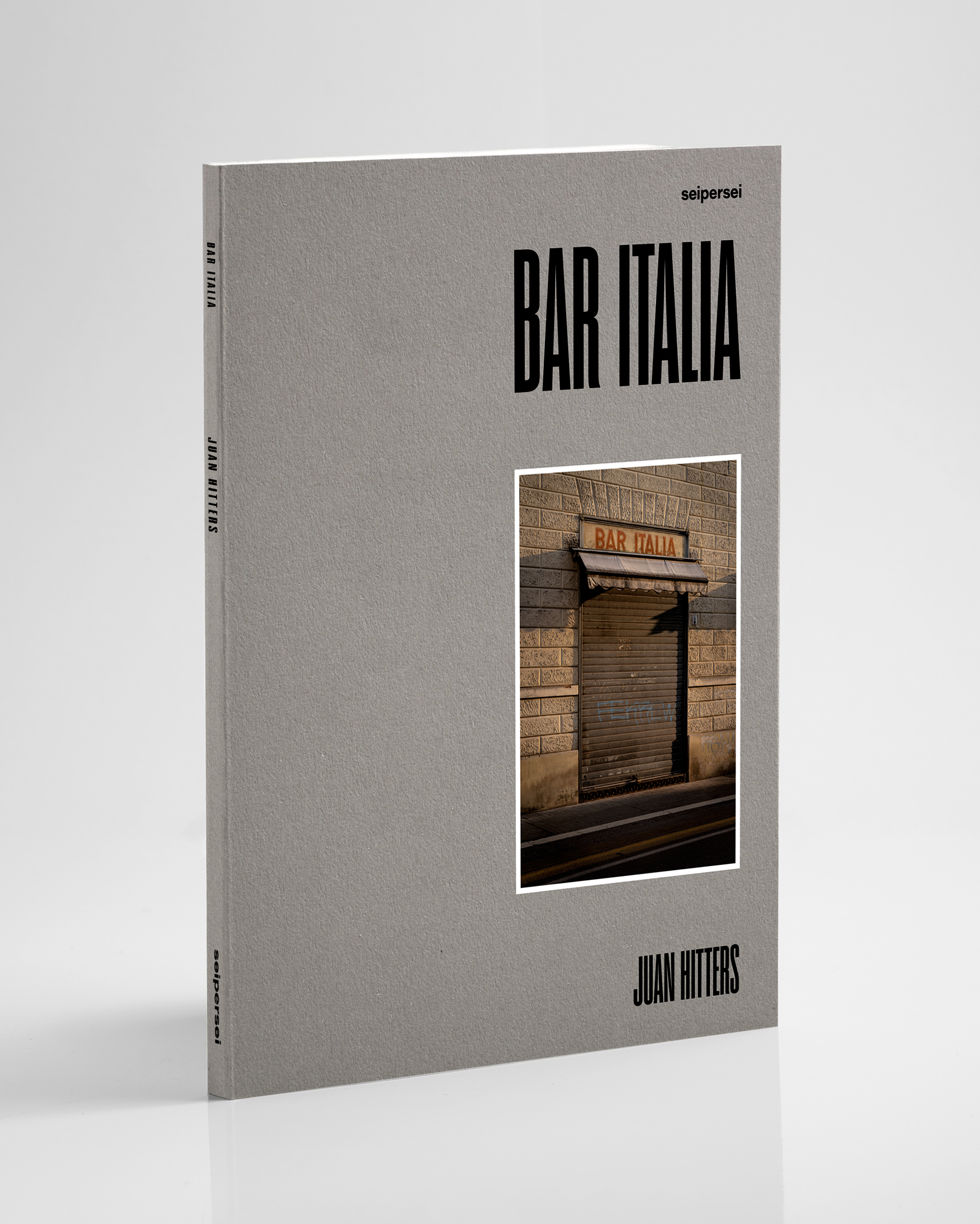
I stay with Calvino a bit longer, if only because in the same chunk of text he establishes the intellectual wager echoed throughout Bar Italia, the first monograph from Argentine-born photographer Juan Hitters. Calvino’s interest in the earthquake, an upsetting of the scene’s “harmonious intellectual geometry,” informs my approach as a viewer. When he wonders, for instance, “Or is it the explosions outside that shake the windows?” Calvino is questioning the very apparatuses of interpretation by bringing out the pulse of a nominally static scene. And just as his narrator can only infer the full story from selected images, we are left with a photographic trail of breadcrumbs that quietly acknowledges its own closedness. Any subsequent embellishment is our own.
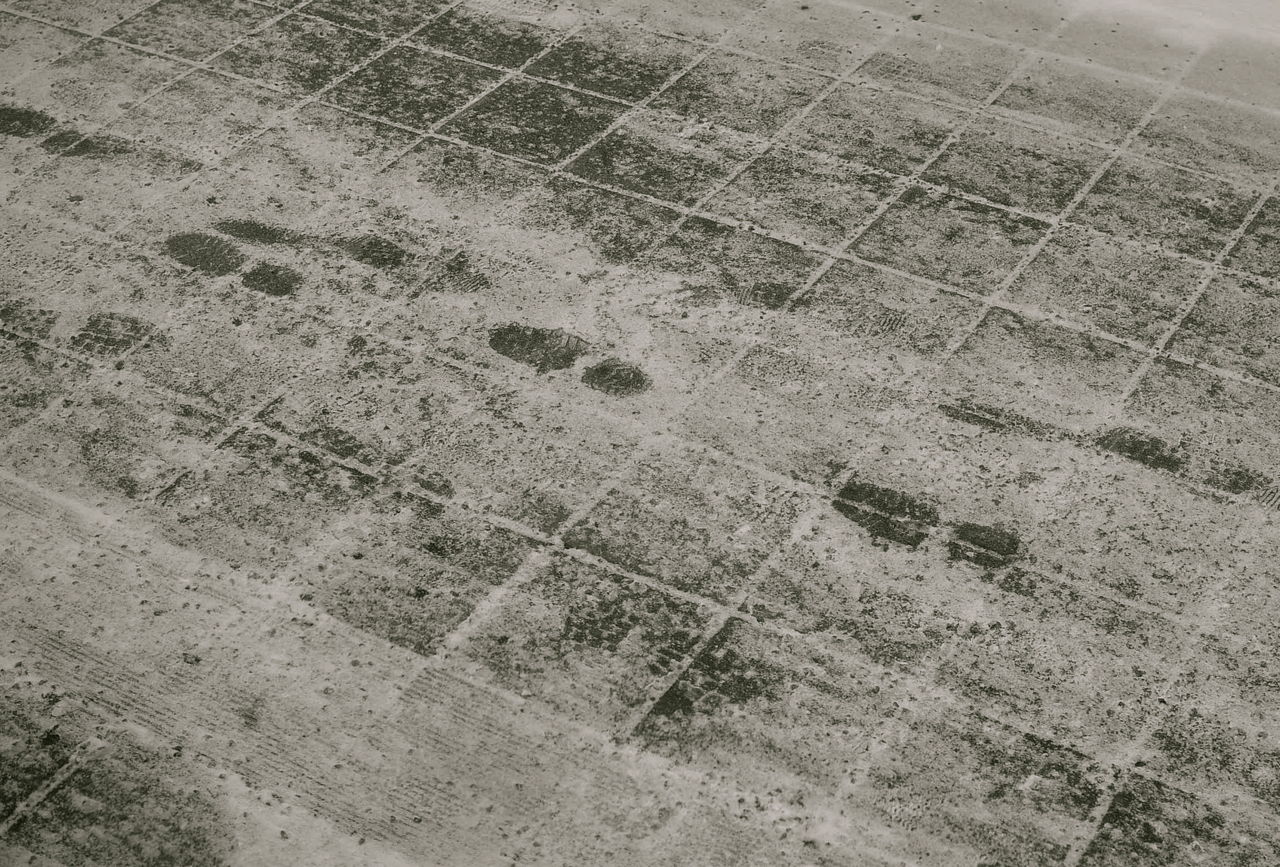
Is the camera that much different from the animal sitting stage right in Carpaccio’s painting, taking it all in emotionlessly yet with such grace as to render any reaction other than faith incomplete? Resting on an ever-present tripod to capture as much resolution as possible, and like the mind activating the shutter behind it in moments of captivation, Hitters’ instrument exists not to praise the wonders of the self but to show us the world by way of it. As for what that world contains, one need only flip to any page as one might spin a globe to land their finger on a land mass of interest. In the case of Bar Italia, that land mass is Emilia-Romagna, specifically the lesser-explored areas around its capital city of Bologna, which he has called home for the past four years. 

“What I’m trying to convey are experiences,” he tells me over Zoom. “Finding myself as I do in a new place, I have to inhabit it. Inhabiting is a very active process of understanding the logic behind a place, making yourself known to a small group of people so that you can smile at them every morning and vice versa. Adaptation is crucial. It is how you accept your surroundings and affect them. This book shows an active way of inhabiting this new land, where I felt completely at home from the very beginning.”

Taking the train almost daily to explore nearby towns, Hitters expanded his cartographic reach, the lens always in tow. Along the way, home became about more than finding himself enamored with quotidian comforts. It was something ineffable in the air, a spirit that welcomed rather than rejected this new pair of lungs sharing its breathing space. Having tapped the heart within, he wanted to know more about the veins and arteries feeding it from without. Settling in also gave him a sense of safety:
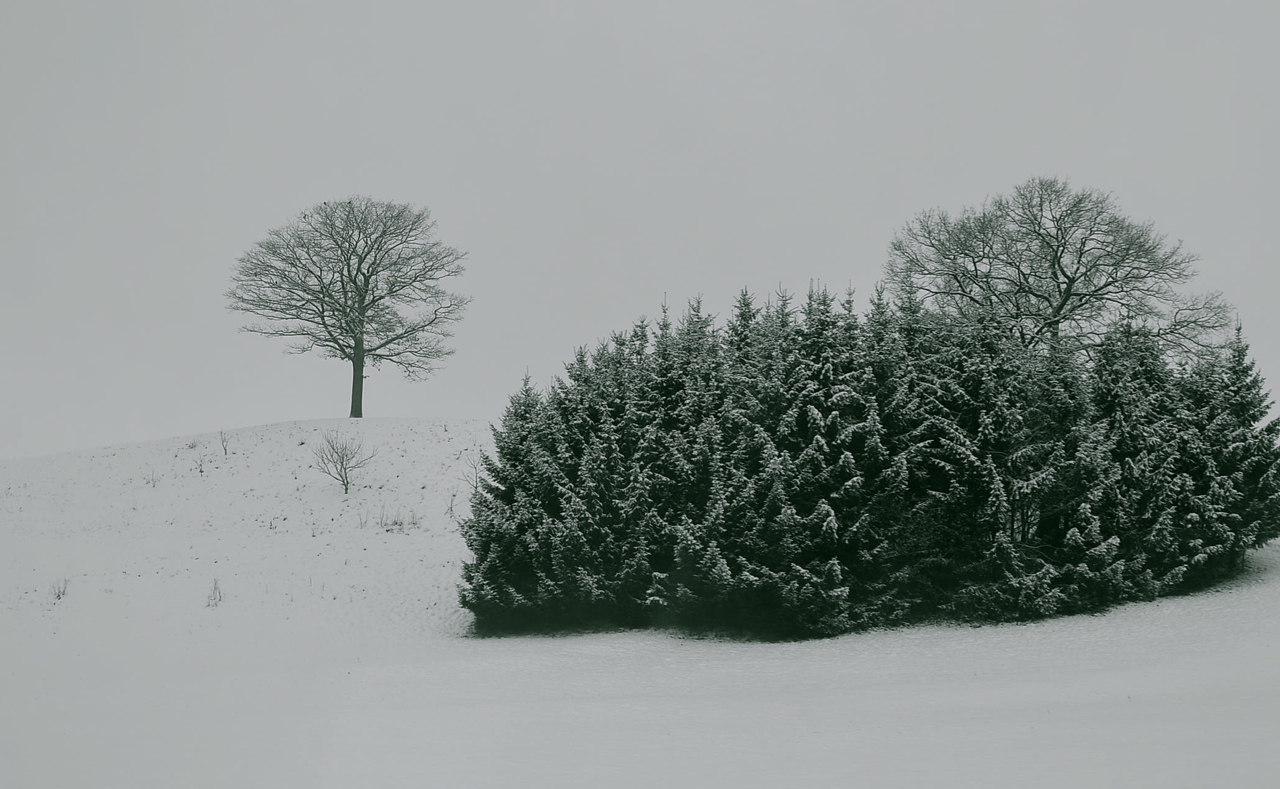
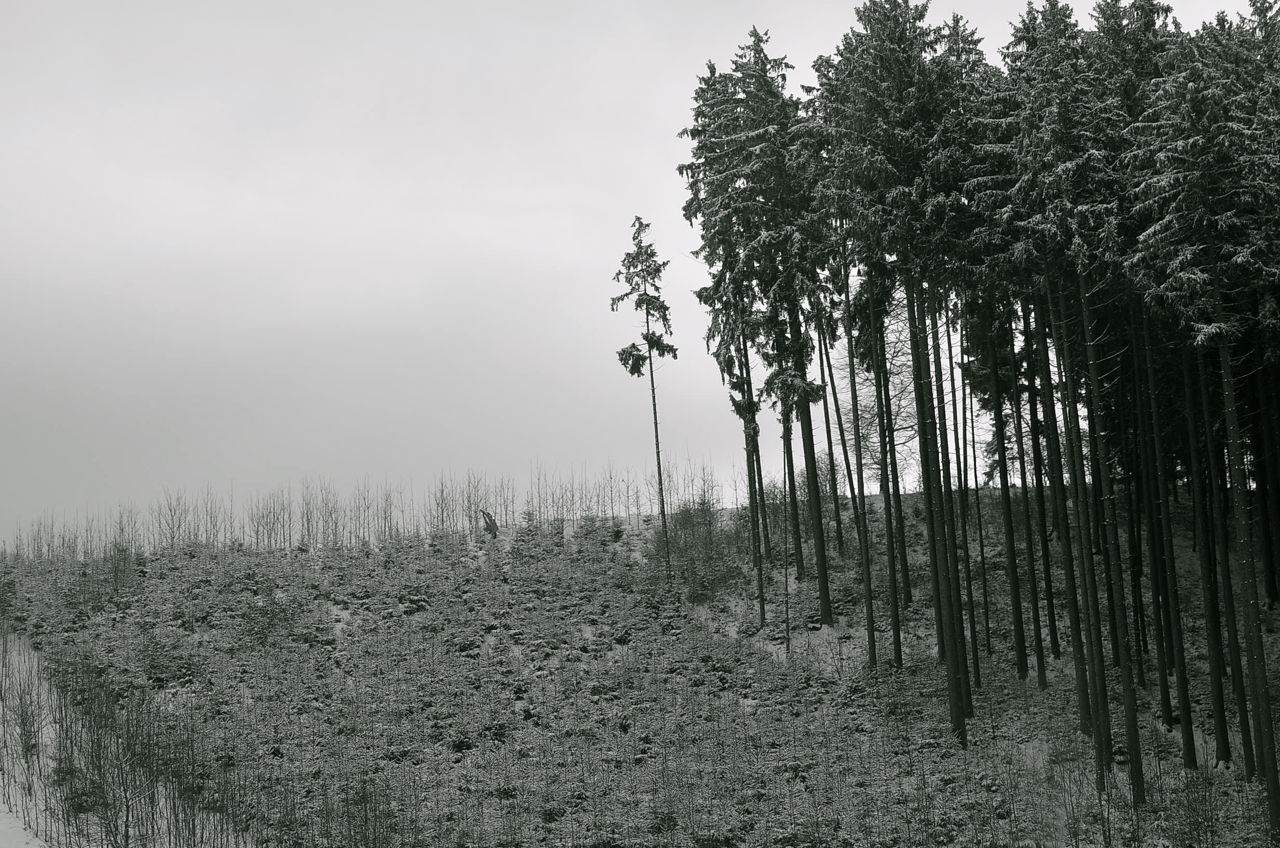
“Italy reminded me so much of my childhood. I felt myself going back in time, visiting the old Argentina. Living in a huge city like Buenos Aires, one learns to be alert. But in Bologna, a much smaller city, it’s easy to walk around, which helps me enjoy this process.”

It may be no coincidence that one can always feel Hitters standing somehow in every scene he photographs, not only because his fingertip activates the shutter but also because his mere presence gives the light undeniable quality. On that note, he was struck by the region’s many porticoes, where the sun produced a “magical chiaroscuro” amid variations of reds and yellows. Even then, the immediately discernible magic of this interplay was only the beginning of his testimony, every bit as hidden as Carpaccio’s:

“Photography is all about light. I use reality as an excuse to photograph light. Light doesn’t exist in itself; it has to be enveloping a three-dimensional piece of matter to be noticed.”

This insight echoes the introductory essay by Alessandro Curti, who speaks of the “intricate anthropological interconnection” found in this work that “allows us to get in touch with his soul and experience an unusual Italy.” The operative word here is “unusual.” In fact, the Old French root word usuel means “current.” Thus, unusual denotes “not current”—which is to say, out of time.

And while we may muse poetically about the origins of light, it touches things with an undeniable materiality. In the context of Bar Italia, said materiality splashes itself across dilapidating walls, obscured windows, cobblestone alleyways, and the soft song of afternoon transitions. Did I say song? Indeed, because the book is as much about sound as light. This is to be expected, given that Hitters has contributed to album covers for ECM Records and Deutsche Grammophon, among other legendary music labels: “The way light works on these surfaces is poetry, just as sheer sound is poetry for John Cage. If sound is light, then shadow is silence. Bar Italia is my first album, in the musical sense.”

Like any great piece of music, there are shifts in mood and focus. And just as the same musical score will sound different at the hands of every individual musician, so do these places echo with the gaze put upon them. Their symphony of cloth, textures, doorways, walls, and covered vehicles is the product of meticulously curated sequencing, arrangement, printing, paper selection, and file optimization. Even its color scheme—which opens with warm overtures, followed by a slow movement of cooler spectrums, and ends in near-black and white—suggests a concerto. Calvino’s earthquake has now become a quickening heartbeat born of discovery.

One cannot help but notice, too, the orientation of it all:

“I have discovered that vertical is an extremely arbitrary format that helps me make very tight compositions. We are getting rid of this big problem of the horizon. I always compose during the photo shoot, without cropping. I think this way of seeing is what impressed the editor Stefano Vigni from Seipersei Edizioni, who liked the severe presentation of elements.” 

In her foreword for the book, Luz Hitters talks about her father’s work in likeminded terms: “Harsh frames, somehow unforgiving, yet holding within them a compassionate gaze that unveils an improbable beauty.” This embrace of starkness lends the work a sense of integrity into which we are never intruders but rather co-observers. Just as Hitters lends himself to every scene, so are we invited to do the same…

In accepting that invitation, three moments stand out for their stoicism.

First is this image of an unoccupied seat:

Something about the sheer vacancy of its framing fills me with a sense of longing, motivated by no other desire than to be there if only to exist somewhere far removed. The composition speaks of a fascination with monochromatic color palettes, demonstrating how forthright Hitters is in showing things as they are: “It has to do with degradation, the discourse of what nature does to things over time. The more abstract it is, the more real it is. I am happy to tell small stories.” While these stories may be small, their impacts may live grandly in our minds.

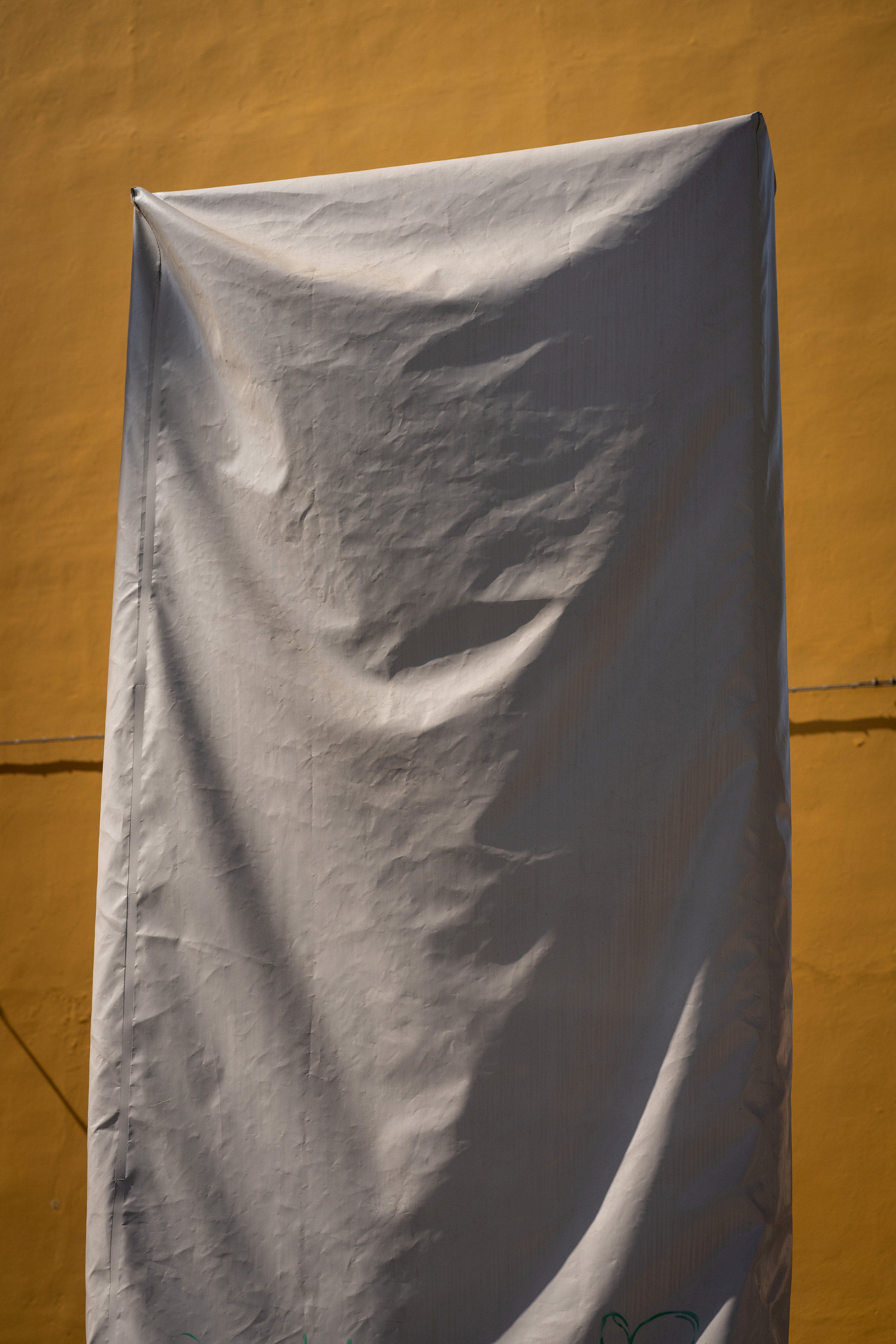
Second is the recurring theme of drapes, of which the following instance is a quintessential one for me:

For while we cannot see what is behind the curtain, we see everything we need to see. It is explicit in its obscurity, a portal only the imagination can open. I ask Hitters what attracts him to this motif. His response:

“I like the suggestive nature of never telling something directly. I am always looking for mystery. These drapes provide that idea. It’s the same with the doors that take you to strange settings you don’t know. I have no ethical problems with those who manufacture a certain reality (Gregory Crewdson, David LaChapelle, Marcos López), but being a photographer, it’s difficult for me not to see all the setup. I prefer to make the photos as direct as possible. Oscar Pintor, Humberto Rivas, William Eggleston, Luigi Ghirri, and Stephen Shore are more my cup of tea.”

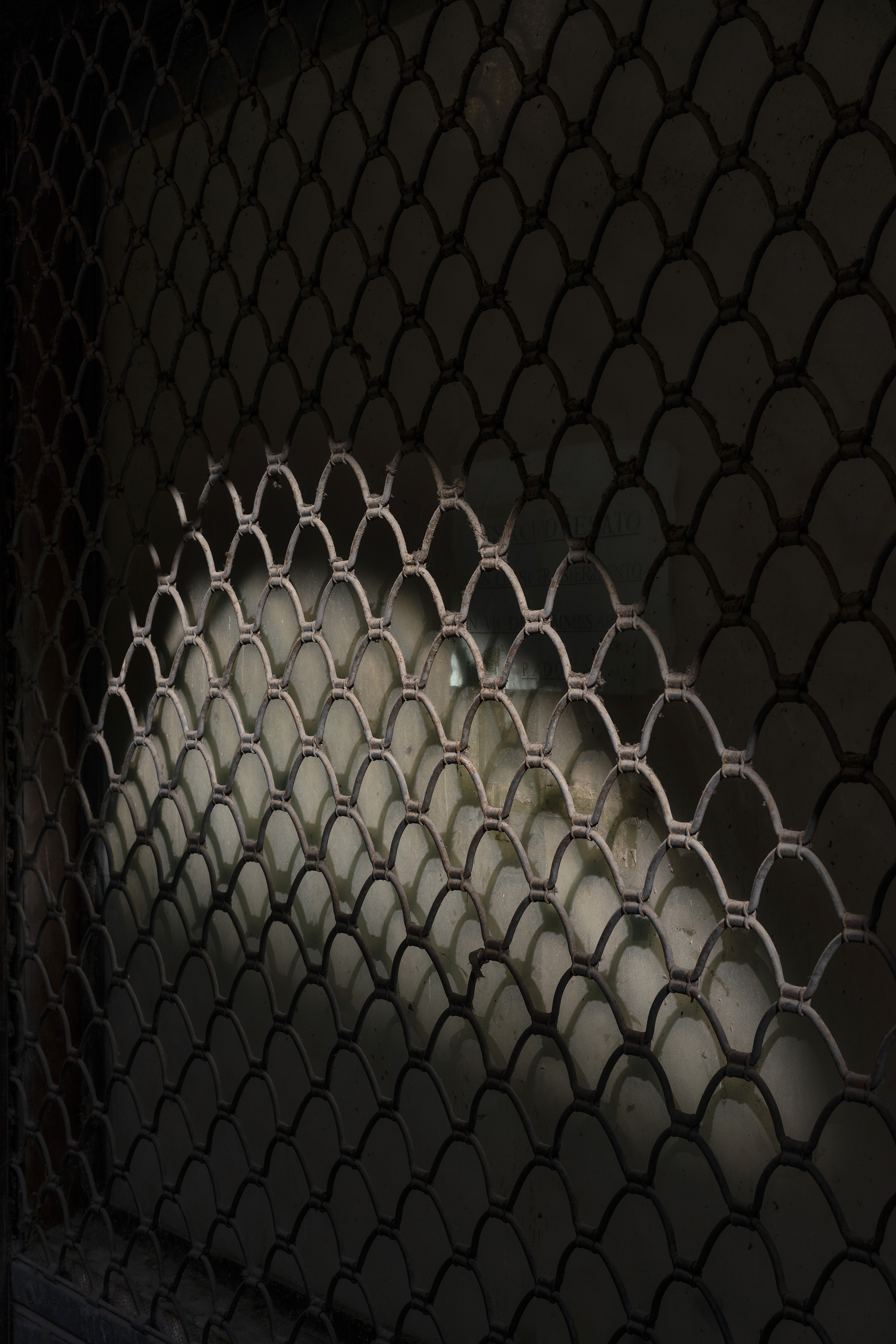
Third is the book’s final photo, which lends a hopeful air:

Here, the shadows aren’t so much silent as accompaniment to the light’s slow cadenza, working its way along every curve of metal fashioned in the image of security. So is it that he has come to see his own life.

And what of the book’s title?

“Every city in Italy has a Bar Italia. It’s something of a national cliché. The name has a strong relationship with pleasure and ordinary things that I find attractive. These are simple things—not beautiful, per se—but the way the sun hits them is special. Stefano and I didn’t want to make it romantic because many photographers have fallen into the Italy of the 50s and 60s, whereas we wanted to distance ourselves from that banality—which isn’t easy since Italy is so beautiful.”

Even so, Hitters has shown us there is beauty in the banal. Or maybe it’s because he has lost none of his passion for photography over a decades-long career. “I always pick up my camera with a smile,” he admits, also with a smile. In these photos, however, that smile often feels bittersweet, mourning a world ignoring the beauty of decay in favor of a streamlined here and now. In gifting us these slices of color, he opens a path forward because, ultimately, light is about time. It clutches our paltry chronologies like a handkerchief, wiping away tears over transient things, forever moving until it finds another place to land that we might never see with the naked eye.

Bar Italia is available in a beautifully printed edition from Seipersei Edizioni here. You may also purchase copies directly from Hitters by contacting him via his website or Instagram. The level of detail in this production, from the 150-gram GardaPat KLASSICA pages to the Fedrigoni Materica Clay cardstock binding that surrounds them, makes it worthy of the most discerning art enthusiasts. Stefano Vigni and the Seipersei team have handcrafted a unique work of art unto itself that belongs in your collection.

Juan Hitters signing copies of Bar Italia at the Fotografia Europea Festival, Reggio Emilia, April 28, 2024.
(Photo credit: Luz Hitters)

Jazz photography

As some of my readers may be aware, I’ve been photographing semi-professionally for a few years. Only recently, however, have I begun to photograph musicians. Below is a slideshow of recent images. Hope you enjoy them.

This slideshow requires JavaScript.

Photography update

As some of you newer readers might not be aware, I dabble in photography whenever I have the chance. I’ve recently updated my photography website, In a landscape, with images taken during recent trips to Japan, Scandinavia, and New York City. Click the photo below to see more.

DSC_8018

Sounding Salzburg: An Interlude

DSC_1773

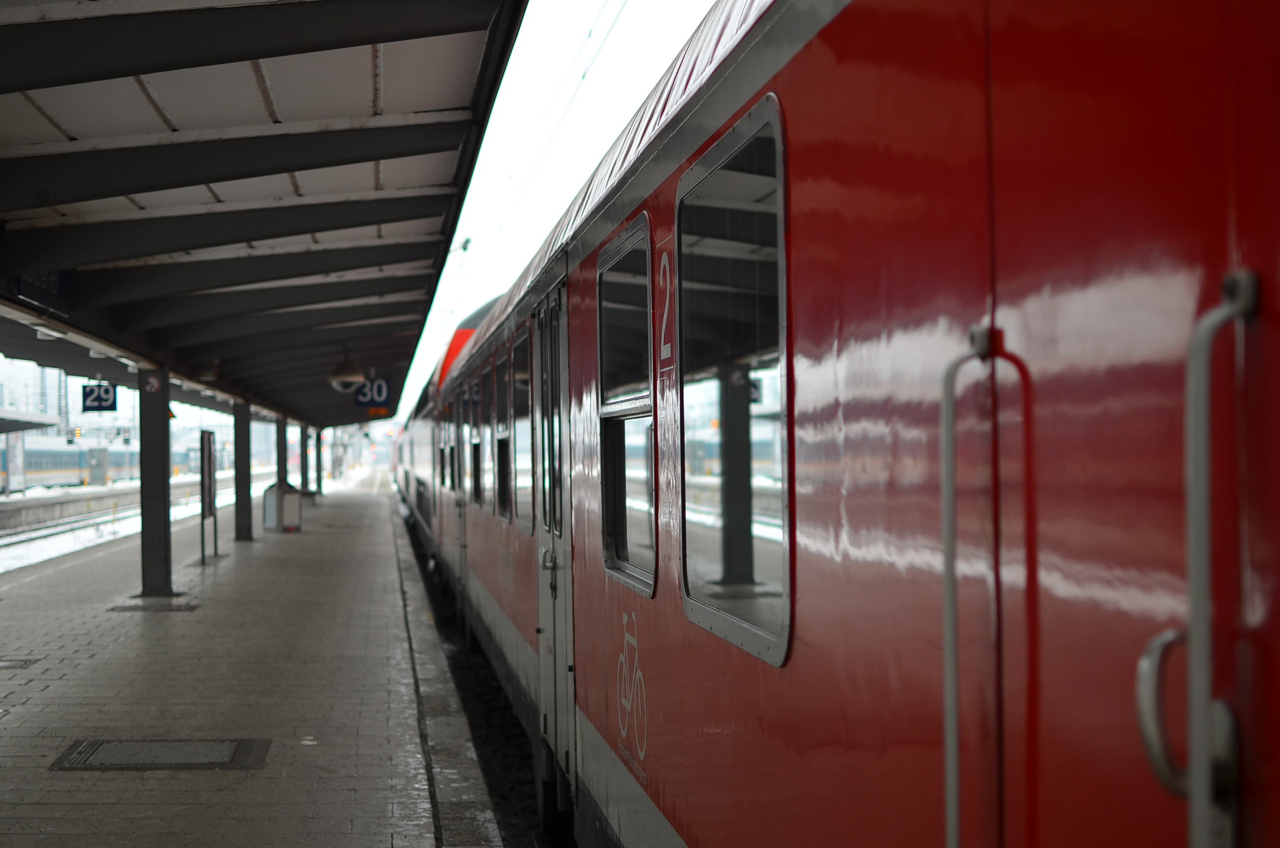
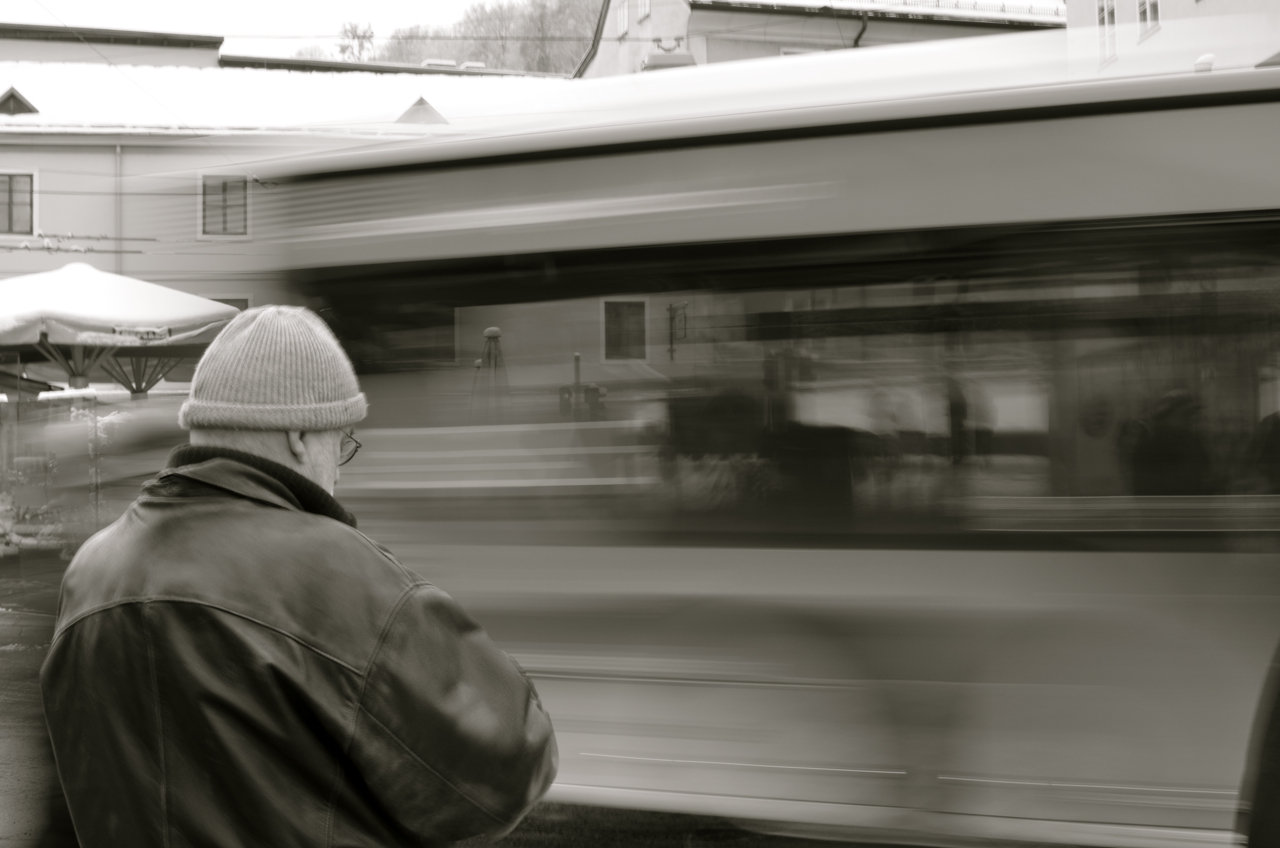
The train was blood red. It did not drip but flew across cracked skin, leaving a wound nonetheless, fresh and our own. The clink of tracks was muffled by expectation, by the polyglot snatches of conversation billowing around us, by the tour guide’s unerring attention to detail. Had any of us seen The Sound of Music, she asked. Some of us hadn’t. And as the story of the von Trapp family spun from her lips, I wondered what this sojourn in Salzburg must feel like to those who’d internalized its scenes and songs. Perhaps this was their pilgrimage, a chance to actualize fantasies spun in childhood. Every noise was itself music; we were its instruments.

DSC_1803

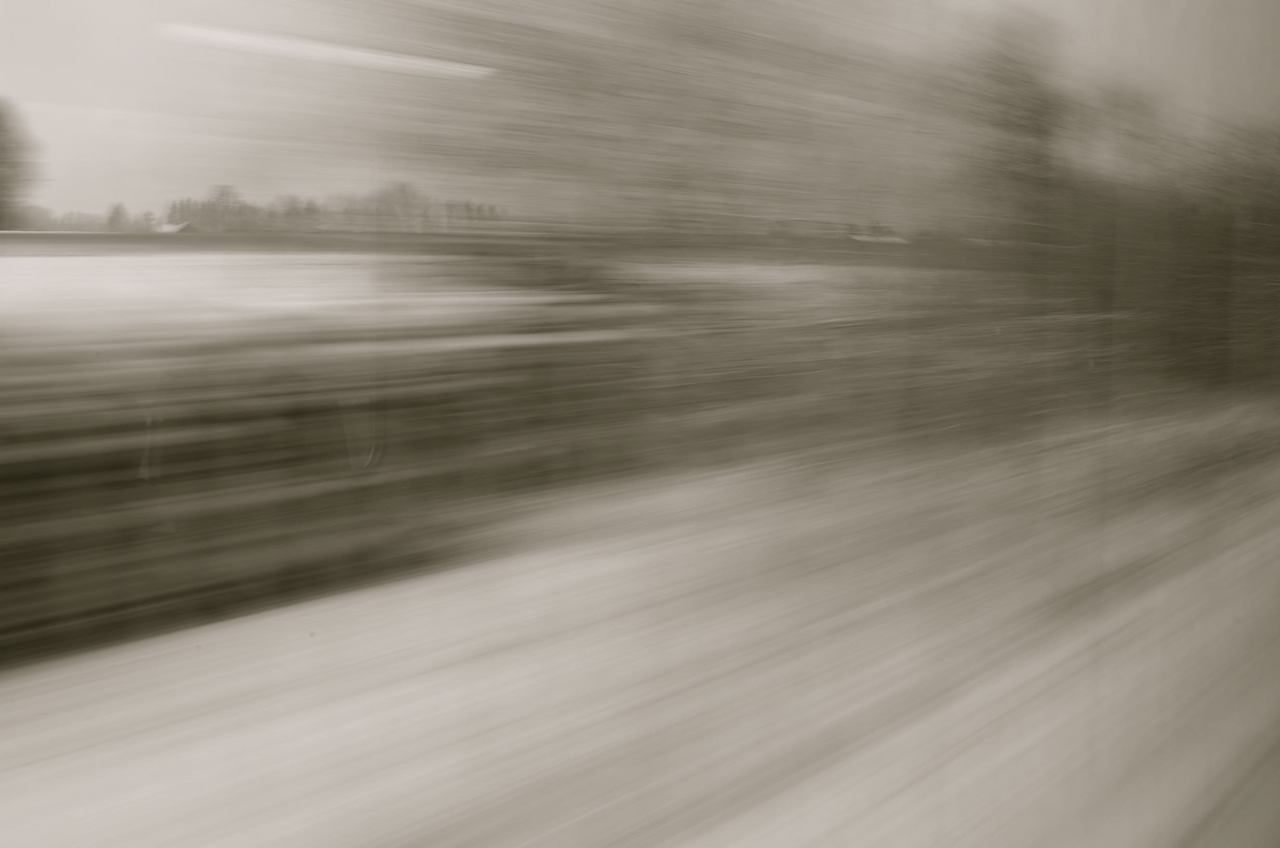
From the patter of winter boots to the beetle-wing click of camera shutters, the space thrummed with activity, which could only be painted as if it were moving beyond the screen it was printed on.

DSC_1816

Steps left their scuffmarks, leading to a family of three in deep discussion. I could only imagine the nature of their talk. I traced it toward the mountain villages nestled in pockets of telephone wires and thatched roofs. Those wires were my constant link from place to place. They drew jumps through foliage and wind, cutting the sky with gentle sags of communication.

DSC_1826

If ever there was an essence to the act of travel into which we’d all been inducted, it was epitomized in one bird whose wings were clipped by the brevity of my attention. That flight and its forever-unconsummated alighting marked the blur of our passage. Its song was blindness.

DSC_1859

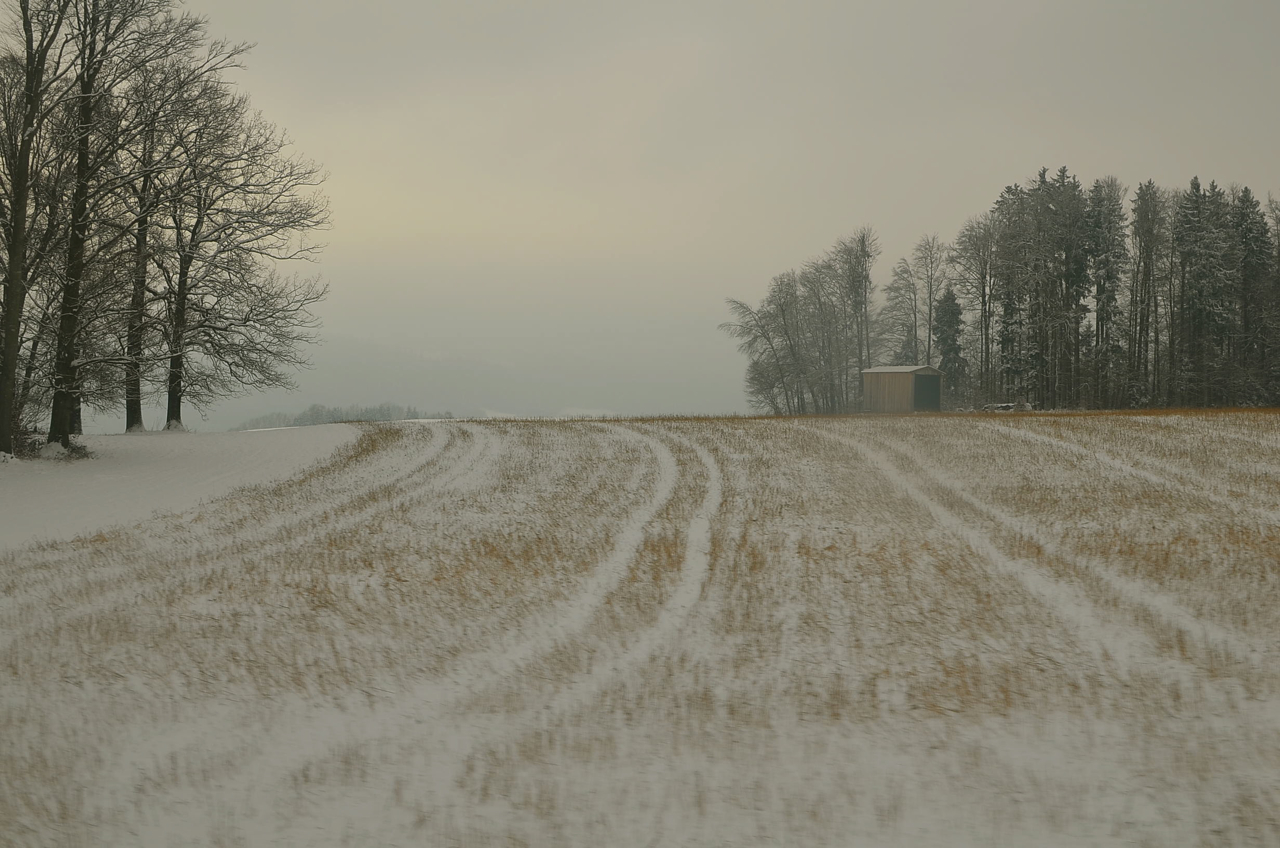
The landscape gave up no secrets, for there were none to be had. Though it held me by the collar and whispered into my brain, by then its speech had transformed into light. Only the trees were audible through the glass, congregating by virtue of their seeding, shrouded by the crisp vibrations of hillsides and the veil of my photographic eye.

DSC_1865

They granted these thoughts with naked bark but stood like bodies just the same, vulnerable to the same forces as we. Theirs was a social world. They needed one another, just as we needed them.

DSC_1871

I knew nothing of their scent from where I sat. They were framed in such a literal way that I couldn’t help but treat them as my page. They shook me: where there should’ve been silence I heard a distant roar, and where I expected an announcement there was stillness.

DSC_1888

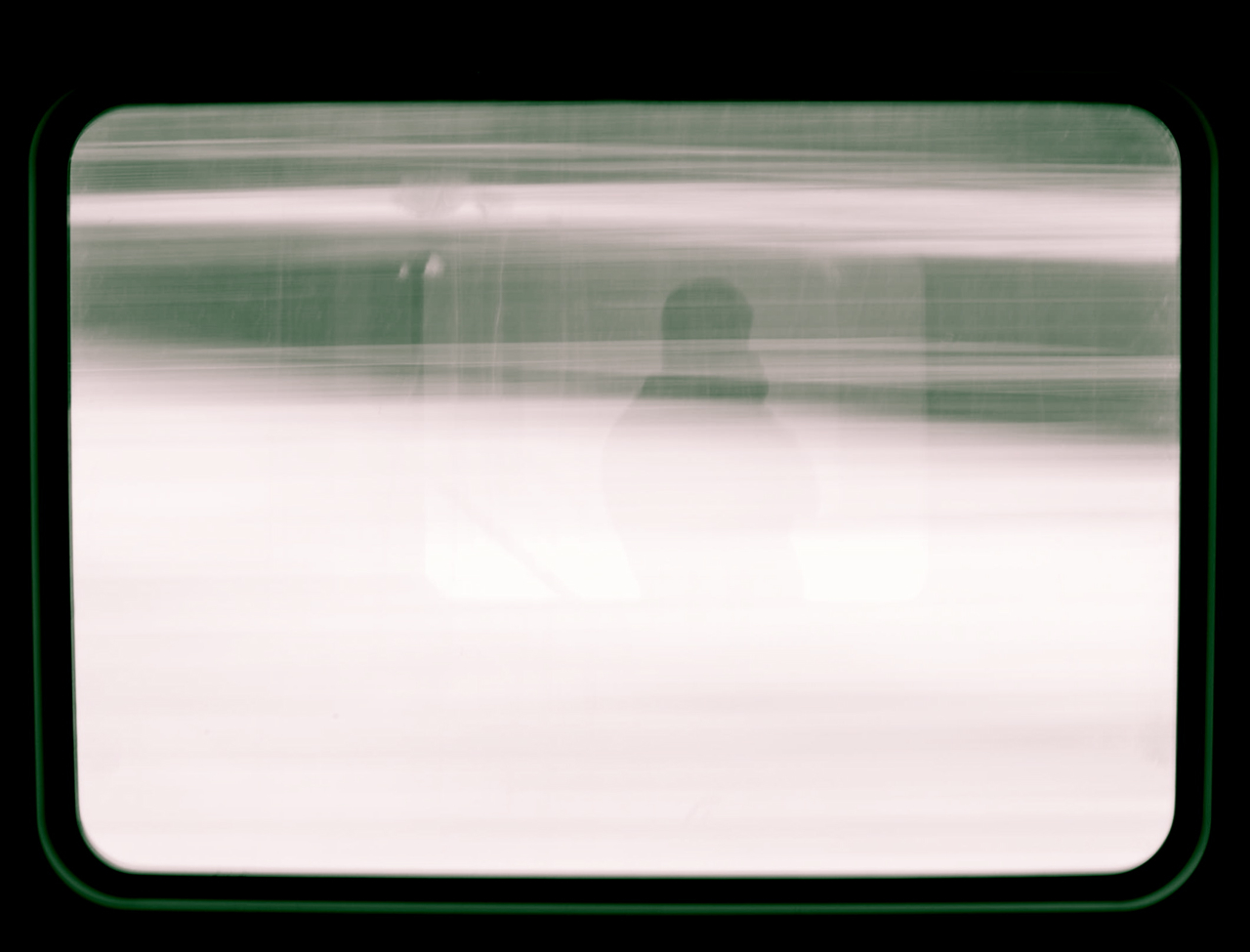
So humbled, I captured my portrait in the opposite window with the whistling season as my canvas. It was the only way to know I was alive, to reach beyond the possibility of dreaming and claw my way into weightiness.

DSC_1897

With vocabularies louder than all else, buildings with no apparent function sang a choir’s worth of antiphony in but a passing grace note. Along vanishing point diagrams of land I felt myself receding. Was this an illusion sent here to adore me, or had I been the illusion all along?

DSC_1898

Farther, farther toward the horizon I gazed, the lens my only assurance of memory. I’d already neglected the others and was now holding out a needle in the hopes that something might come along and thread it. In the gentle hill-slope I heard the rhythm of my father’s breathing; in the clouds, my mother’s. And I, the child with and without a voice, was the indefinable edge between them.

DSC_1922

With a turn of the ring, the edge drew a teardrop down the scrim. She was calling, she and the infant son.

DSC_1933

The sun hovered in silent prayer, flush with need in bony pale. We heard the ice cracking beneath its feet, felt the earth shifting beneath ours, and held close, prepared to fall.

DSC_1940

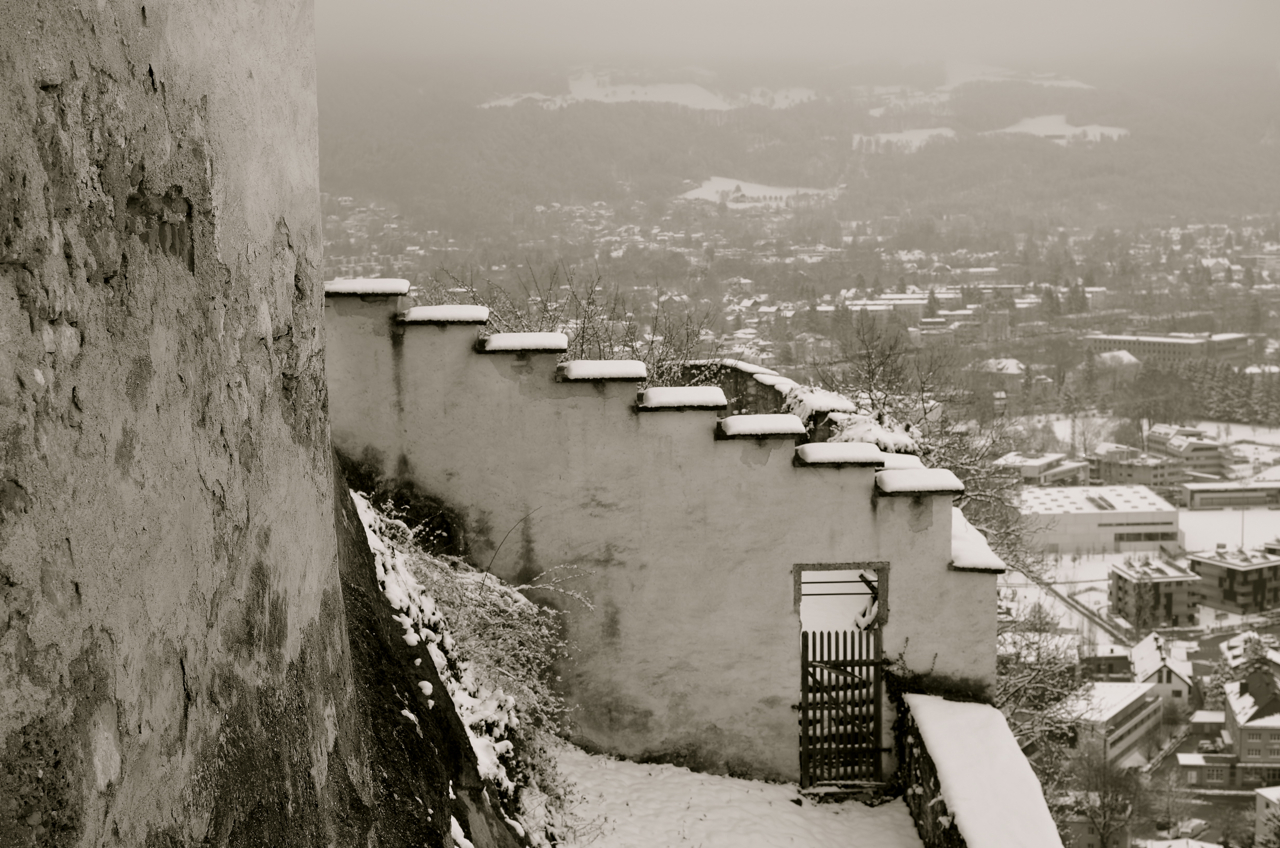
But when we opened our eyes, we were at the gate. A place where countless others had stood before, but for reasons not ours.

DSC_1952

Details narrated something familiar. The smell of stone and ice was potent enough to smack our minds together like two lips. A time during which we might have been important enough to dance, if not also to be heard.

DSC_1980

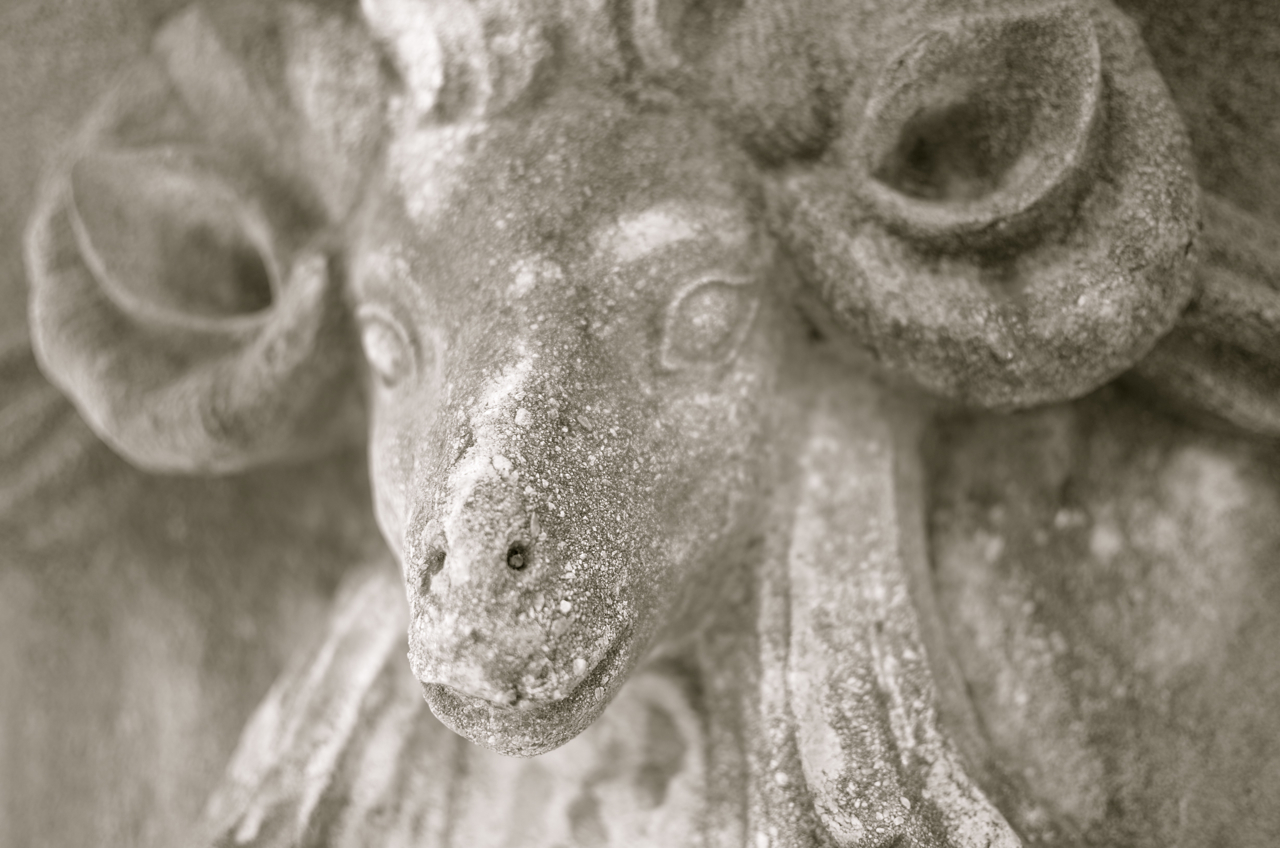
The face of a ram touched my shoulder: there before me was its sweetness. Not frozen, as they say, but ceaseless. It told me of things I must know:

DSC_1993

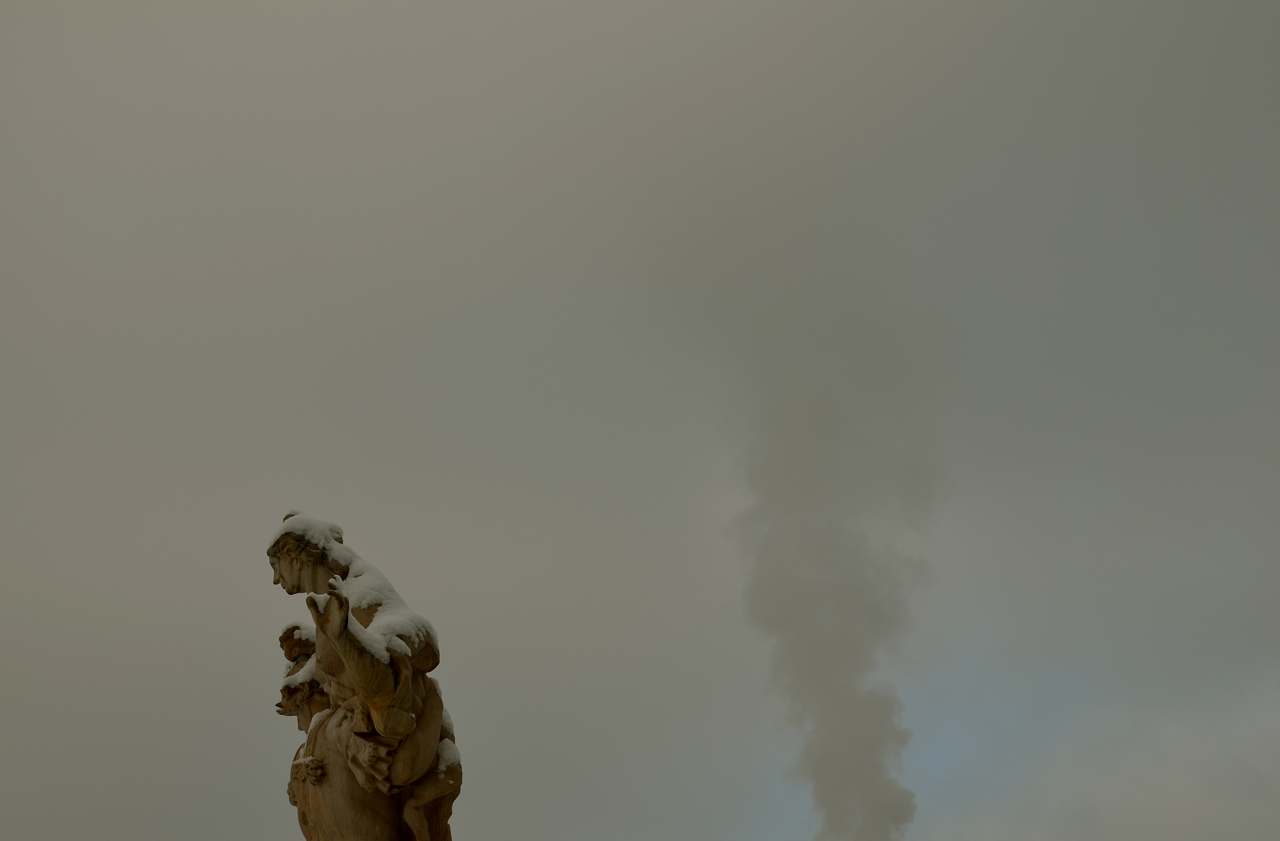
that in the sky statues and smoke were one and the same, that both would find their exit from the gray, and that…. Before I could complete the list, a different music found us.

DSC_1995

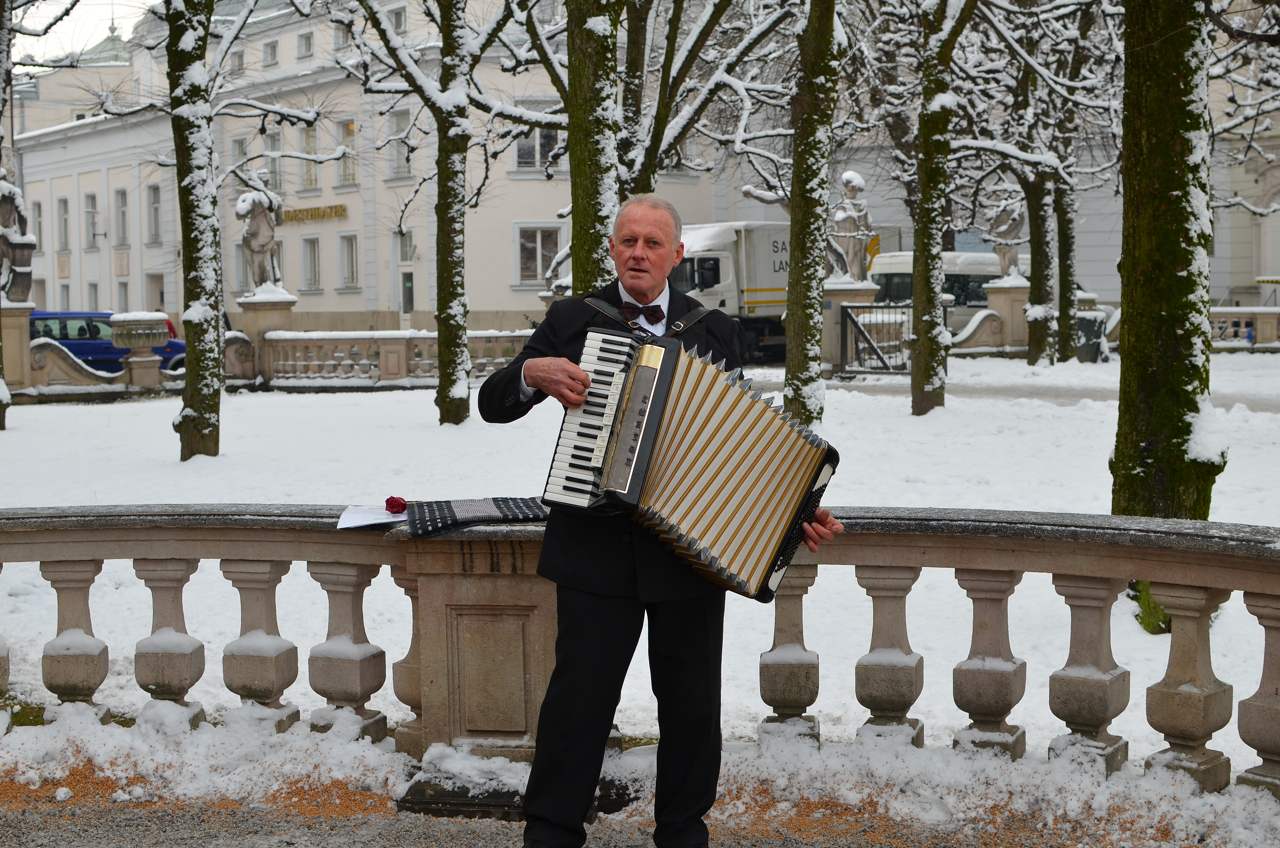
In a splash of color and personality, there he was: the composer behind this puppet show. The dawn had hinted at this reveal. With squeezebox poised at his chest like the many hearts he’d touched and a clef of chestnuts at his feet, he drew the curtain back.

DSC_2021

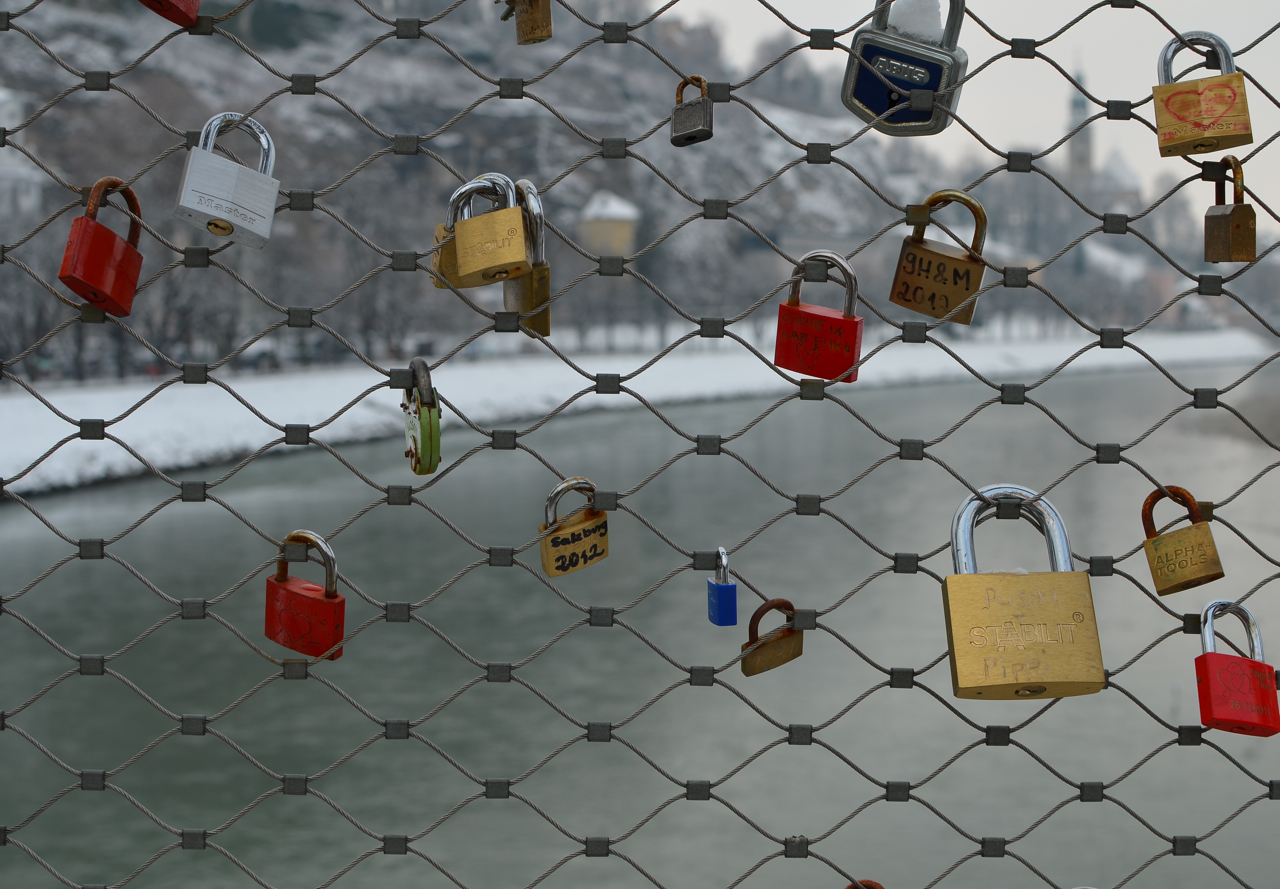
Over the river, his songbook tailed us, each note a key searching to unlock every love that had ever fulfilled itself here. In each of these was a promise left behind, a key thrown to the waters below.

DSC_2029

At the intersection, another man waited, uncaring of the erasure before him.

DSC_2035

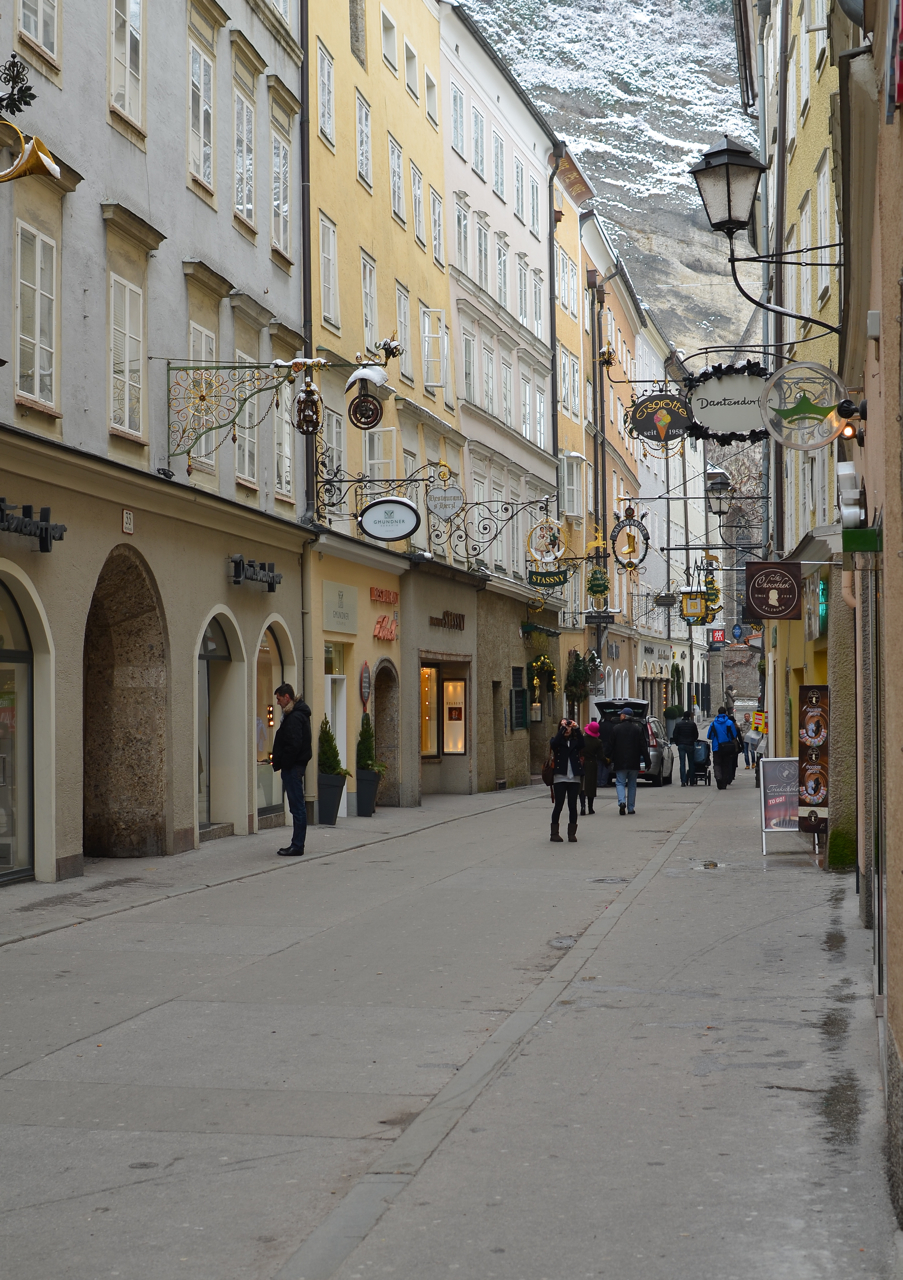
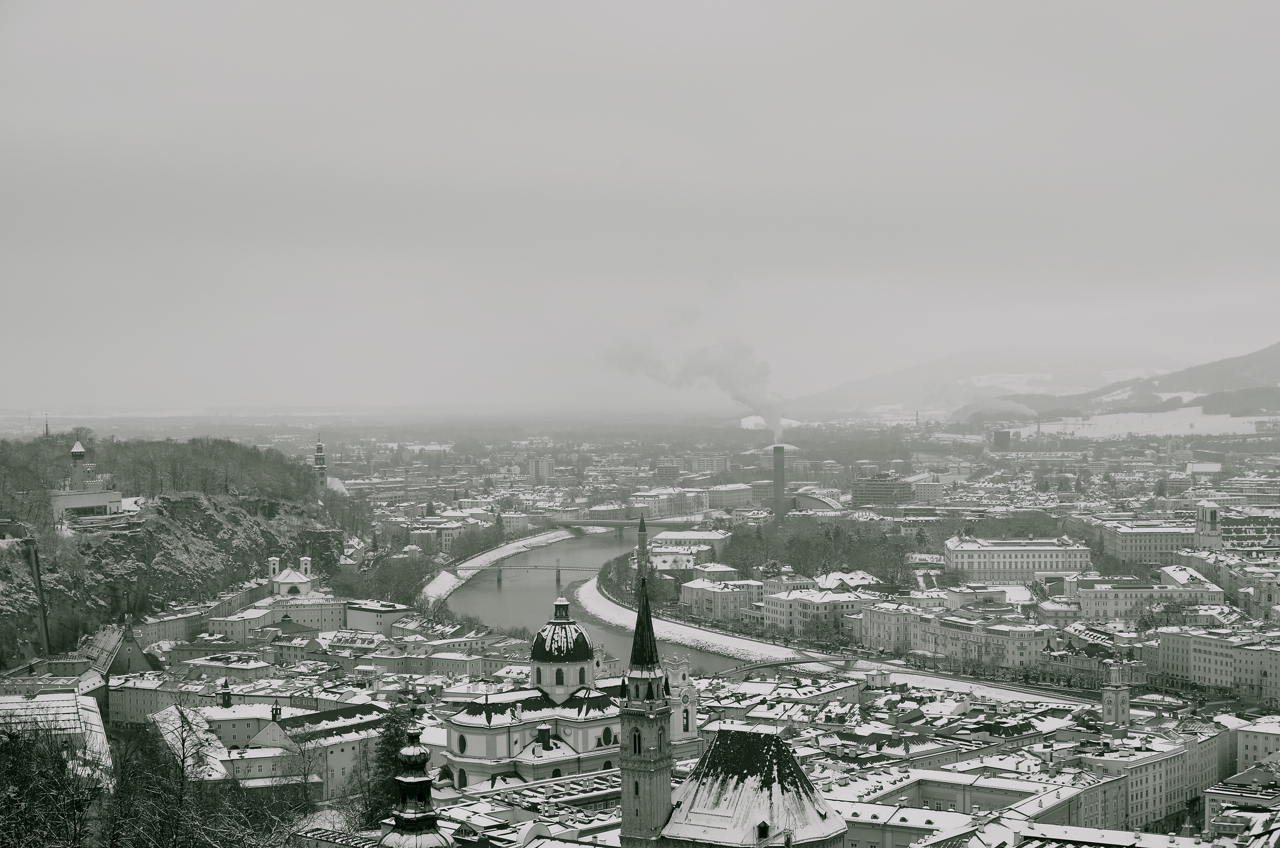
Salzburg’s main street was consolation in architectural form, a narrow embrace for the chilled. People wandered in and out of shops—some with bags, most without—and kept their eyes open to every color change.

DSC_2041

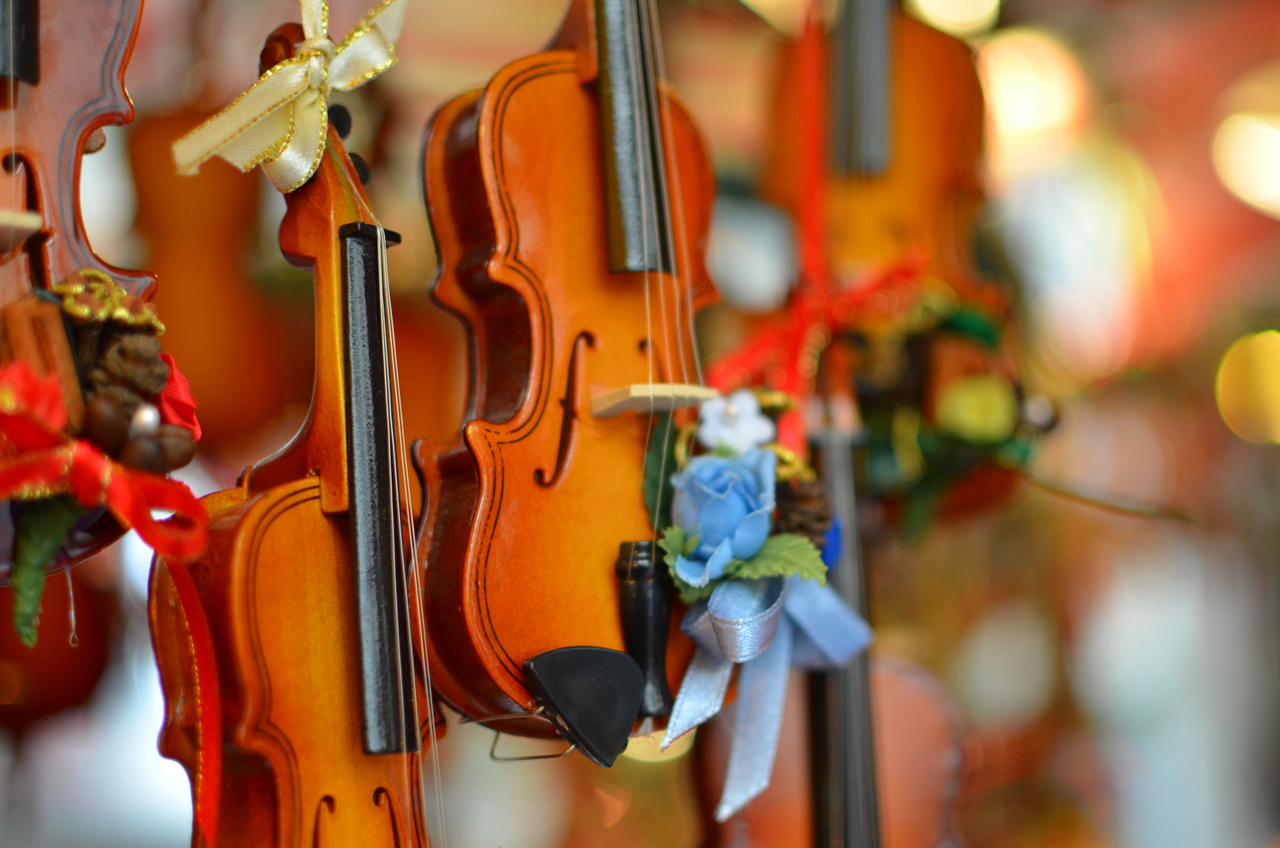
Of those changes, a stockpile of classical fetishism stepped out of my nightmares and into the nearest window display. Unexpected, but adorable enough to balance out the dubiousness of it all.

DSC_2051

Ornaments that would never know the touch of a bow hung in an alleyway display, each a memorial to the composer whose ghost remains locked behind every f-hole.

DSC_2053

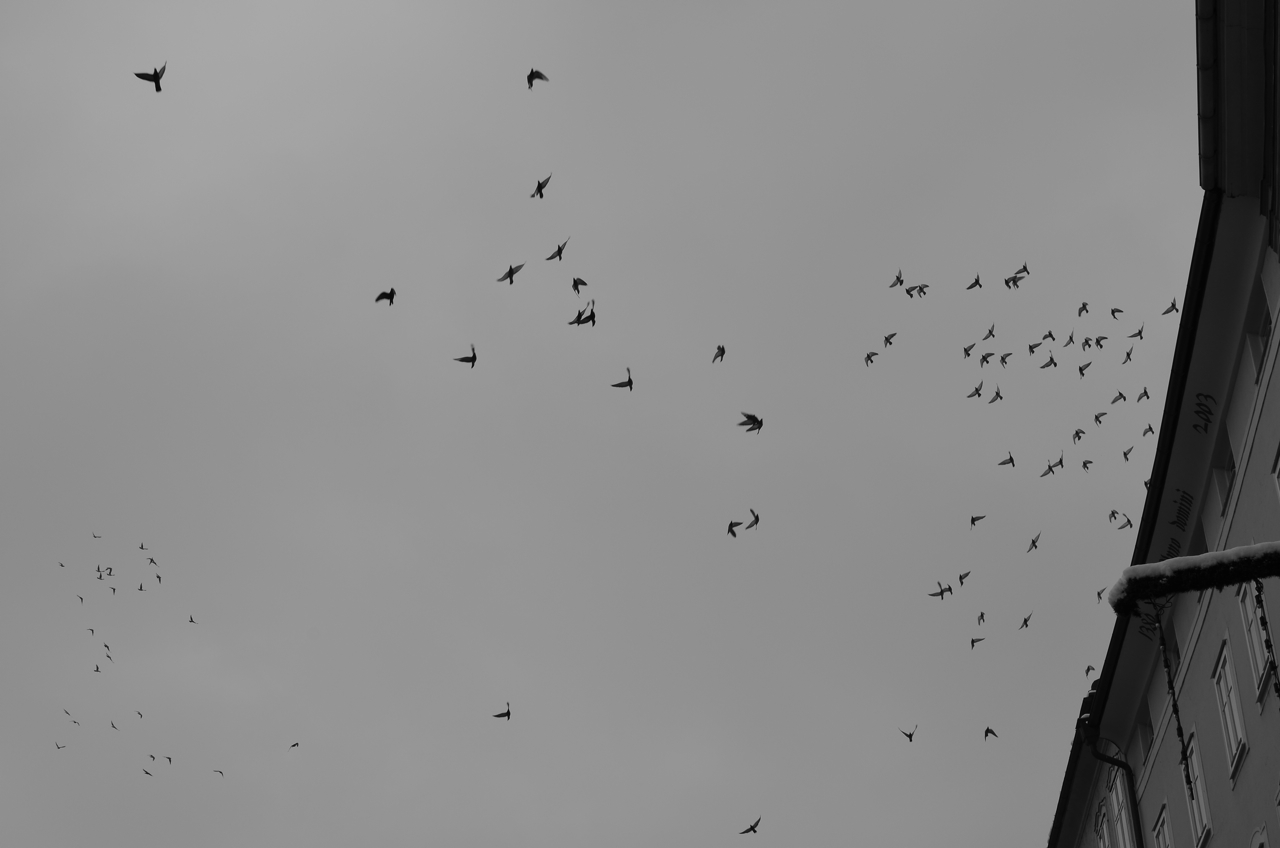
Overhead, a splash of wing beats.

DSC_2077

The birds know where we’re headed. They live where we’re headed. Their fortress looms, grins.

DSC_2115

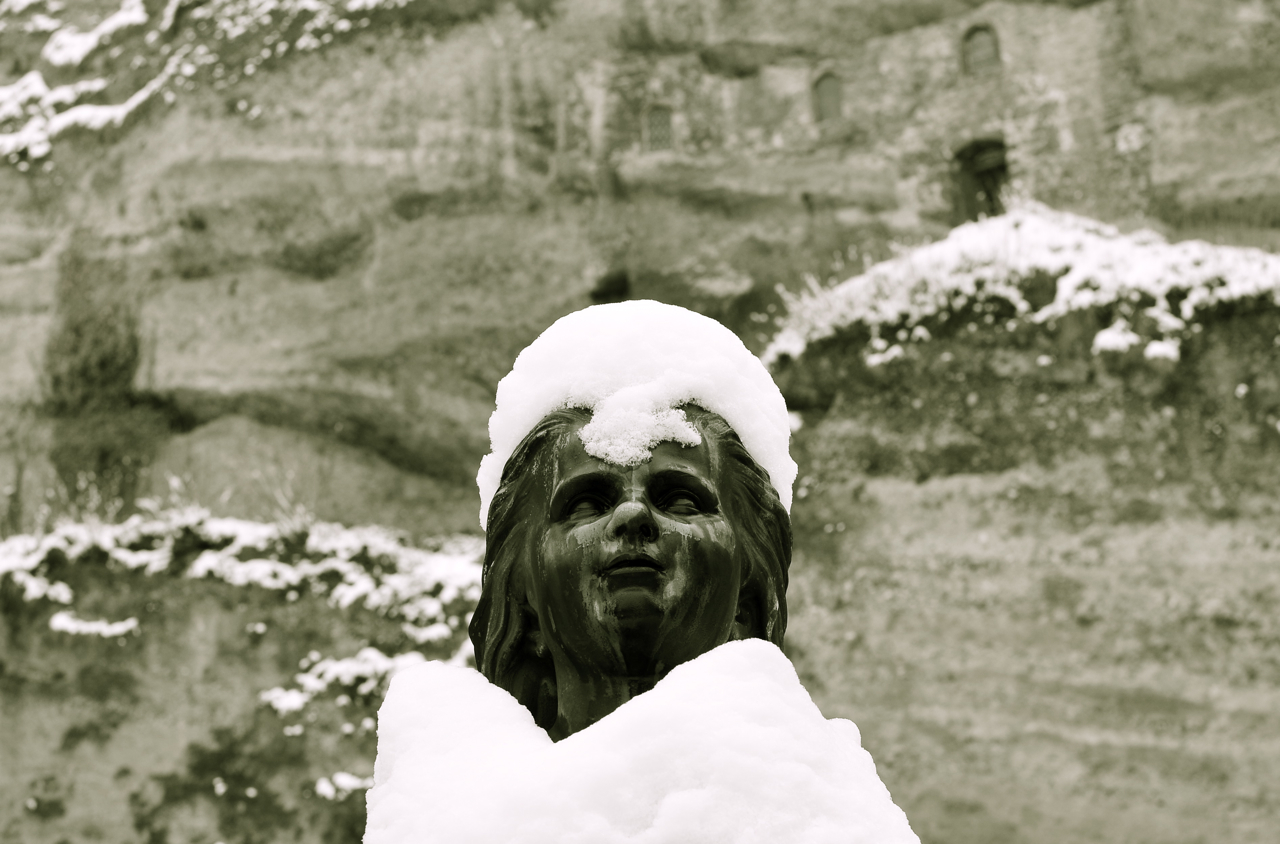
A snow-capped statue bids us welcome. We step into her hand.

DSC_2143

She launches us skyward.

DSC_2155

In the pause flowers our wonder, not only at the layers but also at those who nest within them.

DSC_2191

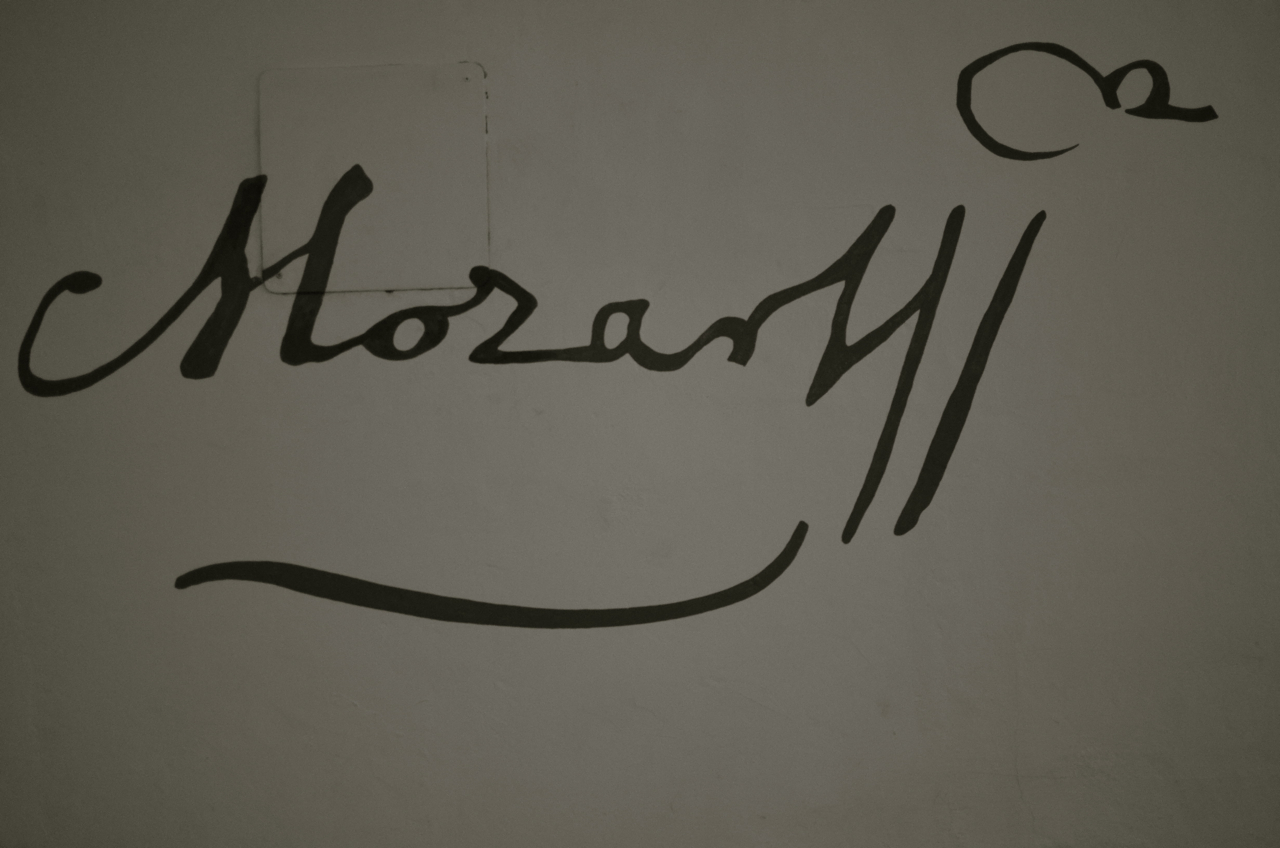
Our trip ends where another’s began: the house of Mozart’s birth. His notes haven’t once crossed our path since we arrived. Rather, we’ve composed our own, so that we might come spinning from the world and know that we’ve been in this one place, where music weeps from the cobblestones.