

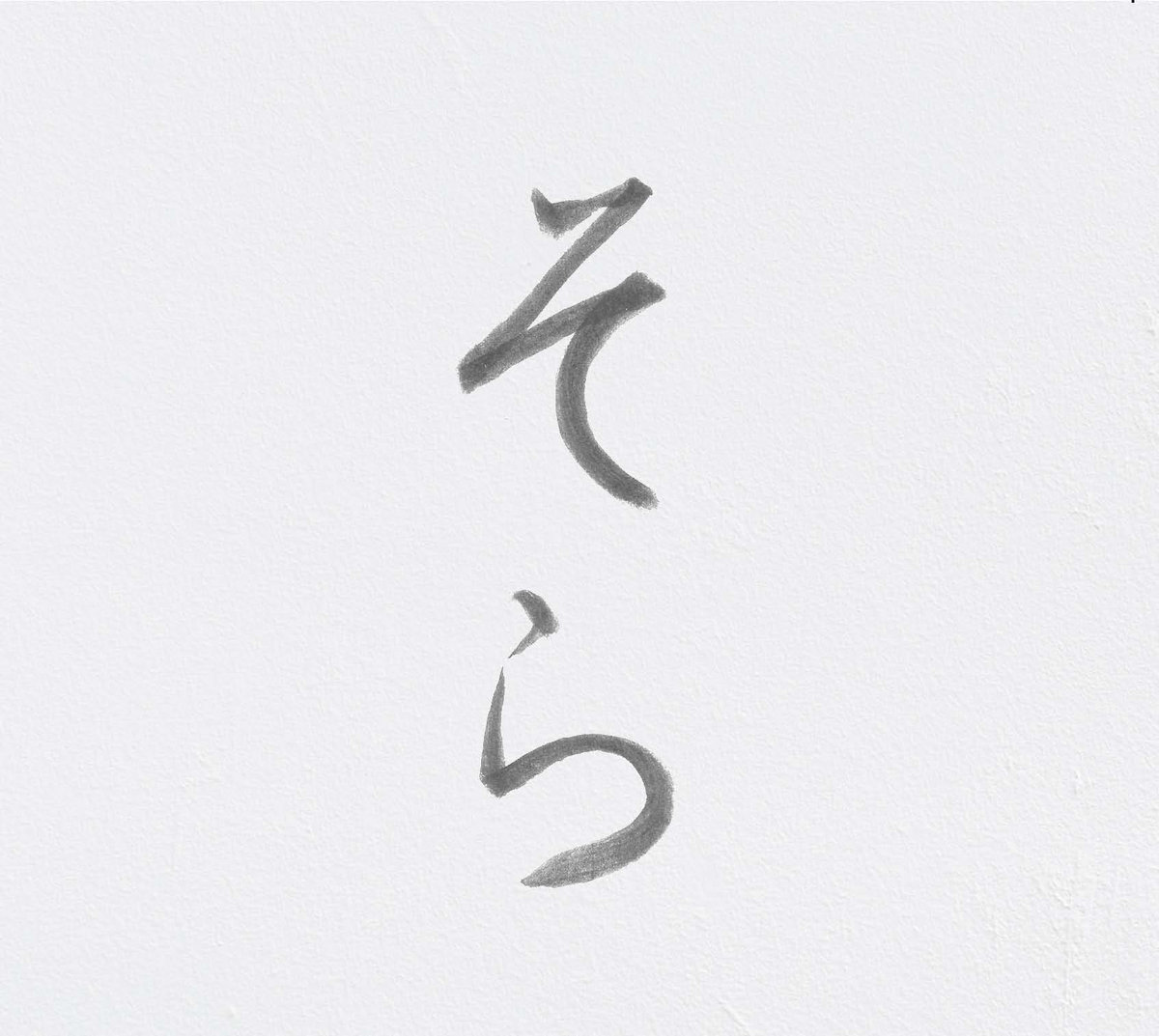
Sky, the sleeve insists. A promise of lift, blue, vapor, and horizon. Yet the sound arrives caked in soil, fingernails packed with loam, lungs full of iron filings. Sora speaks upward only to burrow downward. The heavens here feel subterranean, a firmament made of shale and pressure.
Seven pieces, titled with the Japanese equivalent of “A, B, C, D, E, F, G,” as if language has been stripped to scaffolding and left in a field to rust. Tamio Shiraishi treats the saxophone less as an instrument than excavation device. He does not play notes. He drills, siphons, and fractures. Two dialects coil around each other through the record, twin serpents sharing a single ribcage.
The opening shriek is a filament of sound stretched past mercy. It reads as violence at first contact, yet something in its extremity resembles benediction. A tear across the canvas of listening. One learns more about oneself in the flinch than in the pitch itself. Inside the cavern of ISSUE Project Room, Shiraishi lowers the bell into the dark and hoists up tones so narrow they resemble slivers of light under a locked door. Microintervals shimmer like insects trapped in amber. The saxophone forgets its lineage and becomes a wind tunnel lined with nerves.
These pieces graze the border of audibility. They do not ask to be heard in the usual sense. They haunt the periphery, collecting the chaff of abandoned frequencies, gleaning scraps from farms long since swallowed by dust. Listening turns agricultural. One reaps what the wind has misplaced.
Five subsequent tracks emerge from Thousand Caves in Queens, the studio name alone a premonition of the sonic ores being mined therein. Electronics enter as a brutal accomplice. Reverb collapses into something closer to bone. The altissimo still cuts deep, though now it presses against the ear with intimate insistence, breath fogging the glass between body and speaker. Interventions of wire, distortion, and circuitry feel extra-corporeal, as if the saxophone has grown a second spine made of copper.
There are moments that detonate in miniature, pocket-sized cataclysms recalling the scorched density of Merzbow yet compacted into pellets. They surge without regard for comfort. A geyser with no interest in its spectators. In response, Shiraishi dips into sub-tone murmurs, wind turned inward, a heat that grazes the skin from beneath. Air becomes flame, cheeks raw from its lick.
Even the brief shortest piece carries a gravitational pull, dense as a star imploding in private. It circles itself, a bird trapped inside its own dream of flight, wingbeats echoing until the sky folds and the ground rushes up like an answer.
The final track returns to reverberant space, though not as repetition. More like a figure tracing its outline in ash. A search for origin without nostalgia. The sound follows its own shadow, lengthening, thinning, until walking ceases to be possible. Where it falls dead is where it belongs.
Sora is available from Relative Pitch Records here.
 Between Sound and Space: ECM Records and Beyond