Tomasz Stanko: Litania (ECM 1636)

Litania

Tomasz Stanko
Litania – Music of Krzysztof Komeda

Tomasz Stanko trumpet
Bernt Rosengren tenor saxophone
Joakim Milder tenor and soprano saxophones
Terje Rypdal electric guitar
Bobo Stenson piano
Palle Danielsson double-bass
Jon Christensen drums
Recorded February 1997 at Rainbow Studio, Oslo
Engineer: Jan Erik Kongshaug
Produced by Manfred Eicher

Film composer and jazz pianist Krzysztof Komeda (1931-1969) is the subject of trumpeter Tomasz Stanko’s fourth ECM date as leader, following BalladynaLeosia, and Matka Joanna. The latter’s nod to cinema is further defined on Litania. Best known stateside for his collaborations with Roman Polanski, scoring such classics as Rosemary’s Baby and Knife in the Water, Komeda was more importantly one of the great pioneers of Polish jazz. Developing his music at a time when the Communist government condemned such “bourgeois” activity, Komeda—incidentally, a protective stage name—brought his fascinations into reality with the Komeda Sextet, whose performances paved the way for modern jazz in Poland and soon caught the attention of filmmakers. The festival circuit, however, was where his ideas truly fomented—so much so that a young Stanko would form the Komeda Quartet with saxophonist Zbigniew Namysłowski, bassist Roman Dyląg, and percussionist Rune Carlsson, each of whom took Komeda’s inspiration duly to heart. Before that, however, Stanko would collaborate with Komeda himself for the 1965 album Astigmatic, considered one of the most important in European jazz history. This record seeks to revive the Komeda of apartment jams and night club gigs, the Komeda who set the hearts of Stanko and so many of his generation aflame with a love of free expression, the Komeda both on and off the silver screen.

The Litania project is the result of producer Manfred Eicher’s abiding interest in music-cinema connections more broadly, in Komeda’s sound-world more specifically, and in seeing it realized by the composer’s closest musical associate. The fit couldn’t be better, as Komeda was one similarly interested in expanding the sound of jazz in ways typically reserved for classical music and its instruments.

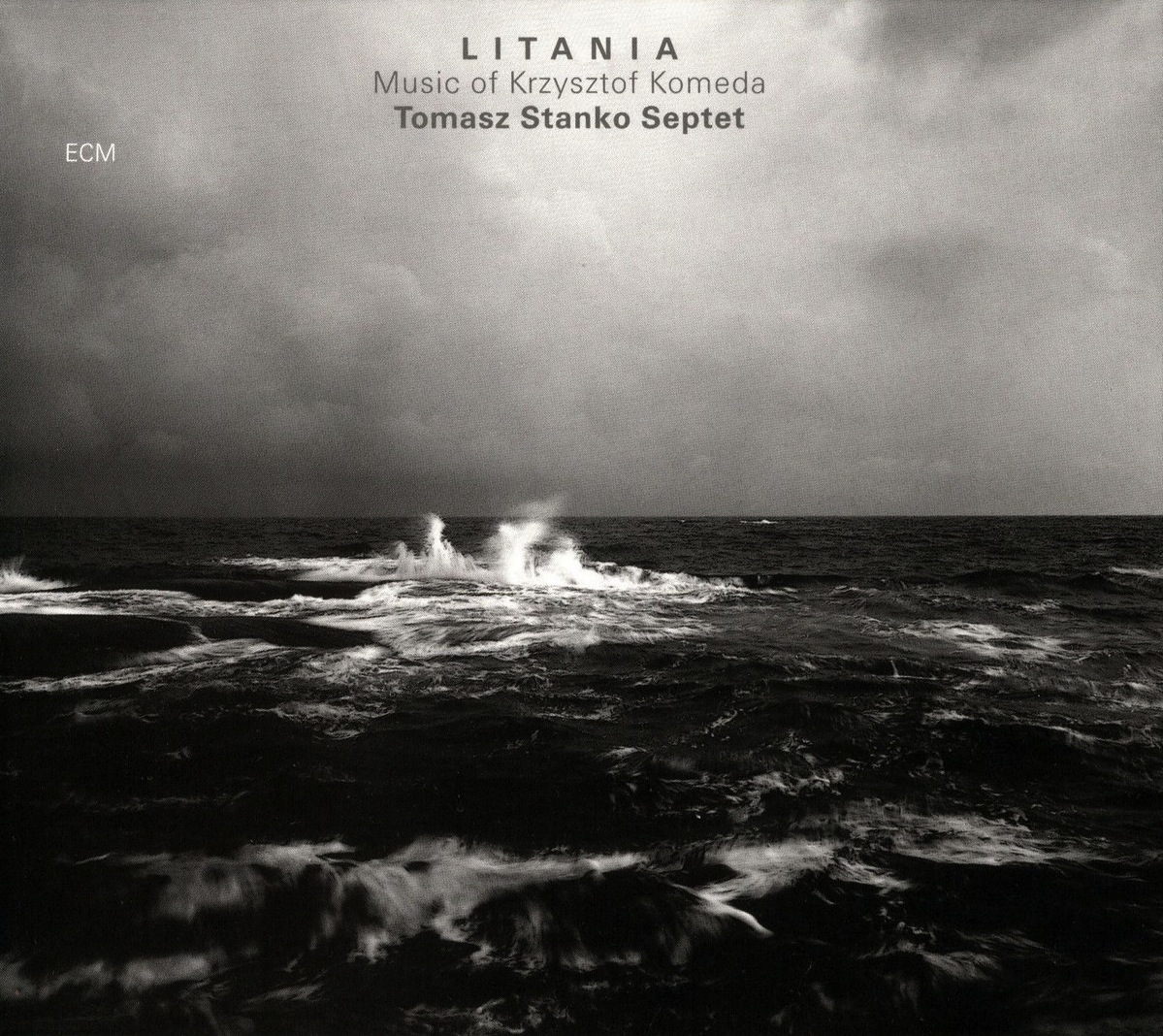
His compositions have the distinct quality of retaining a somber edge at their most upbeat and a sparkling hope at their most ponderous. Case in point: the heavy yet pliant theme of “Svantetic,” (dedicated to Svante Foerster, friend and Swedish poet) which opens the program with a flirtatious eye. The group’s legato nodes of thought speak through some healthy soloing on keys (Bobo Stenson) and tenors (Bernt Rosengren and Joakim Milder). An intimate drum solo from Jon Christensen engenders squealing final words from Stanko, who leads the band to a brighter, more tumultuous sea and establishes a palette for all to follow. After a viscous intro, “Night-Time, Daytime Requiem” (dedicated to John Coltrane) floats the piano down a river of its own resonance. Horns and drums to take up the call, wavering with dark urban energy before opening into a tenor solo that flicks like a lighter, a flint to stone. Notable here is the interaction between Stenson and bassist Palle Danielsson, their hearts aflutter with the dedication of their charge, if not the charge of their dedication. The album’s most cinematic moments come from Stenson, especially in the latter half of this epic track, dark and roiling yet somehow captured in stasis like the cover photograph. Stanko’s pointillist exchange with tenor foils a peaceful, ruminative finish. The breezy rhythm section of “Ballada” (Knife in the Water) makes for another memorable Stanko vehicle, while the title track, its edges tinted like the pages of a well-read book, features more powerful understatements from both tenors. But Stenson’s waves just keep returning and his breakers of “Repetition” dissolve on shores of stagnant memories, given voice through wind and reed. With Charles Lloyd-esque contemplation, “Ballad for Bernt” carries its melodies across fuzzy dreams and even fuzzier borders of intimation. This tune is dedicated to Bernt Rosengren, a pivotal figure in Sweden, where he and Don Cherry invigorated the local jazz scene.

Although the album header says “Tomasz Stanko Septet,” this is in fact a sextet album, with guitarist Terje Rypdal guesting only on the last two tracks. That being said, he adds a mosaic of haunt to “The Witch,” which begins like a Jan Garbarek excursion before Rypdal drizzles his electric in reams of sparkling shadow. He adds dedicatory color also to “Sleep Safe And Warm” (Rosemary’s Baby), the last of three versions that anchor these waters.

Stanko enters these waters not like a diver, but rather like a crocodile, sinking unawares and peeking above the surface only when necessary. Unblinking, alive, and considered, his heartfelt arrangements ensure that the Komeda legacy breathes afresh. The result is muscular jazz with a crystal-clear sense of direction. It knows exactly where it’s going, because it’s already been there. Says Stanko of Komeda, “He showed me how simplicity is vital, how to play the essential. He showed different approaches, using different harmonies, asymmetry, many details. I was very lucky that I started out with him. Would he have approved of this record? I hope so.”

As you will know once you listen to it, no hope is needed.

Tomasz Stanko Quartet: Leosia (ECM 1603)

Tomasz Stanko Quartet
Leosia

Tomasz Stanko trumpet
Bobo Stenson piano
Anders Jormin double-bass
Tony Oxley drums
Recorded January 1996 at Rainbow Studio
Engineer: Jan Erik Kongshaug
Produced by Manfred Eicher

“You shall sleep when you will,
to the strains of celestial music,
and you need not say your prayers.”
–Comte de Lautréamont, Maldoror

After the cinematic embroidery of Matka Joanna, where else was the Tomasz Stanko Quartet to go but farther inward? Building not so much on as under its shadowy predecessor, Leosia plants the Polish trumpeter in even darker soil with cohorts Bobo Stenson, Anders Jormin, and Tony Oxley. While everyone involved had by this point lit his fair share of lanterns, for this session the quartet trimmed those wicks to the barest of flames with no loss of intensity. The grace of “Morning Heavy Song” expresses all that follows in one slow sweep of the compass. Stanko embodies the spirit of its charcoal canvas, which comes to us naked and trembling. Yet we see that spirit by the light of something promising, a resolution that sparkles with the rhythm section’s deeply psychological entrance. It may be a story of harder things, but it grows new legs through the telling. Oxley is superb, here and beyond, marking trails with splashes of breadcrumbs in “Die Weisheit von Le comte Lautréamont” and bringing especial definition to “Trinity.” The latter is also a vivid example of Stanko’s singing qualities, qualities that melt his brass down in such crucibles as “A Farewell To Maria” and “Hungry Howl” to the shape of a creased page. In both we smell remorse on the wind, not least through Jormin’s humming presence. We wake to a new dawn in “Brace,” a freer chain that sets us on a “Forlorn Walk.” This is where the session decides to swing, in its twisted way, Stanko reaping some engaging highs against the delicate attunement of his band mates. Of Stenson’s skeletal wonders we hear plenty in “No Bass Trio” and “Euforila,” one rest to the other’s play. For the title track, all of these shards coalesce into a single mosaic, taking on the colors of whatever light passes through it, be it clear or swirling with ink. That light is undoubtedly Stanko, who shines to the end with a quiet and unpretentious conviction. His lyricism is diurnal, our guide along a horizon of melancholy that leaves us intact and well nourished.

Tomasz Stanko Quartet: Matka Joanna (ECM 1544)

Tomasz Stanko Quartet
Matka Joanna

Tomasz Stanko trumpet
Bobo Stenson piano
Anders Jormin bass
Tony Oxley drums
Recorded May 1994 at Rainbow Studio, Oslo
Engineer: Jan Erik Kongshaug
Produced by Manfred Eicher

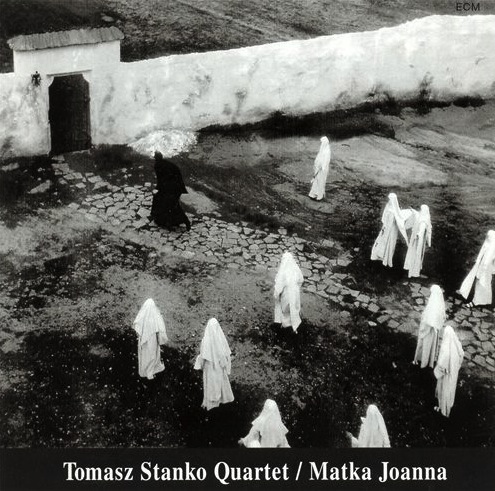
With a nearly two decades separating Polish trumpeter Tomasz Stanko’s ECM debut, Balladyna, and Matka Joanna, his label follow-up as leader, it’s no wonder the two are so different. Taking Jerzy Kawalerowicz’s 1961 film Matka Joanna od Aniołów as its inspiration, the second draws from a palette of possession and temptation as grittily as its namesake’s B&W canvas.


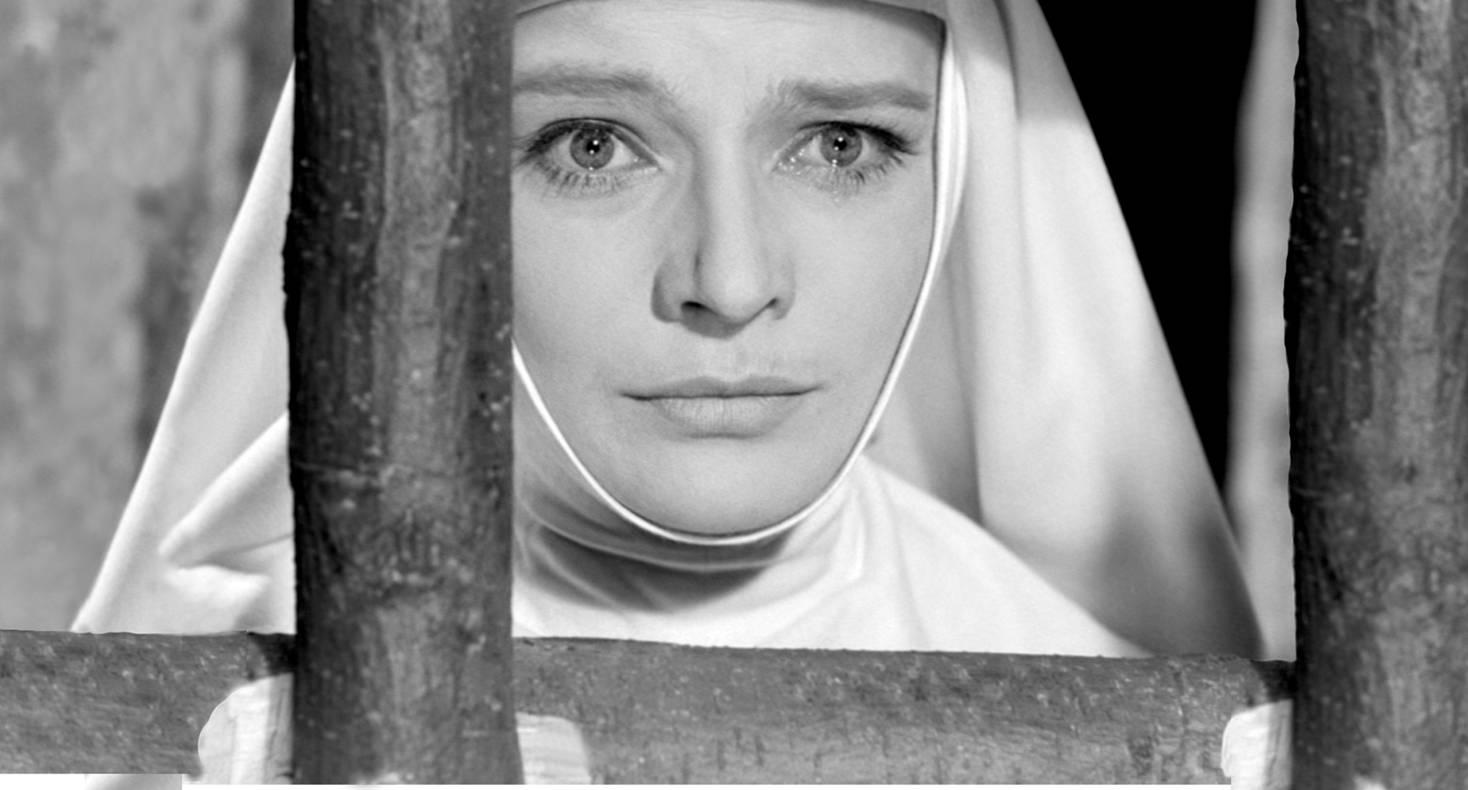
Still from Matka Joanna od Aniołów

Backed by pianist Bobo Stenson, bassist Anders Jormin, and drummer Tony Oxley (in a decidedly Christensenian mode), Stanko brings his pungent lyricism to bear across a swath of mountains and shadows that inhales cobwebs from a “Monastery In The Dark” and exhales the mummified sermons of its “Klostergeist.” Within those lungs mingle forgotten bells, vibrating between prayer and dreams, and chains of latent virtues. Jormin’s bass squeaks like a family of mice in the walls, Stenson the cat stalking them from every alcove. Stanko, meanwhile, lights votive candles with the tip of his every winded tongue, trailing mystery into the drowsy flower of a “Green Sky.” A complex track in spite of its recessive nature (the pianism alone is a maze of nuance), it sets bass adrift on a current of icy cymbals until the swinging “Maldoror’s War Song” sticks some feathers to Stanko’s skeletal wings. Amid this rosette of fire, Stenson connects the constellatory dots and hugs Jormin’s nebular blurs. Further highlights include the continuity of heaven and earth as heard through Stanko and Jormin’s relay in “Matka Joanna From The Angels” and the likeminded meditations of the superbly punned “Nun’s Mood.” Though but a brief excursion for trumpet and drums, the latter leaves us open to the cerebral fog of “Celina,” a sleeping face in sound whose eyes enchant before they ever open.

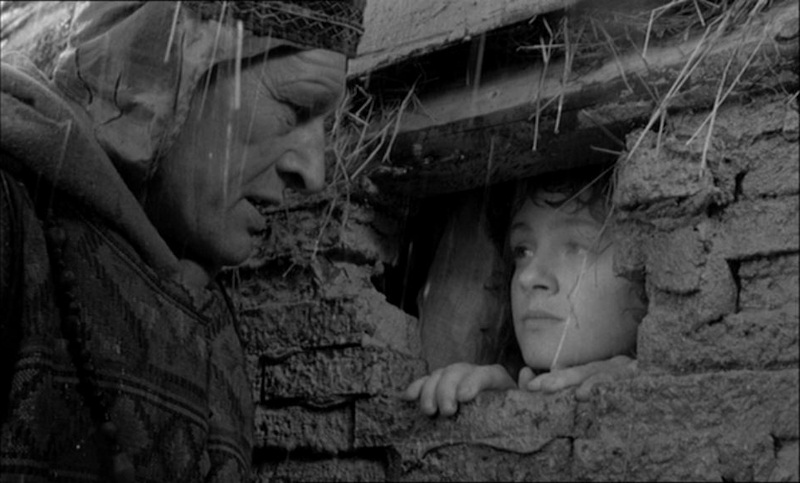
While Stanko’s economy of abandon (listen especially to “Cain’s Brand” in this regard) is something to marvel at, to these ears Jormin stands out from the rest in this soundtrack within a soundtrack. The depth of his grain holds the knots together, even as it dissolves that glue that keeps them from falling out. The result is a balance of style and effect that never wanes. Ironically enough, this album seems to recall another stark narrative of spiritual challenges: namely, Anchoress (1993, dir. Chris Newby). Ironic, because said film is utterly devoid of music, save for a passage of retribution at the end. So, too, with Stanko’s paean to an underrated picture, staring at us from beyond the celluloid in a straight line to our souls.


Still from Anchoress

<< Italian Instabile Orchestra: Skies Of Europe (ECM 1543)
>> Bjørnstad/Darling/Rypdal/Christensen: The Sea (ECM 1545)

Tomasz Stanko: Balladyna (ECM 1071)

Balladyna

Tomasz Stanko
Balladyna

Tomasz Stanko trumpet
Tomasz Szukalski tenor and soprano saxophones
Dave Holland bass
Edward Vesala drums
Recorded December 1975, Tonstudio Bauer, Ludwigsburg
Engineer: Martin Wieland
Produced by Manfred Eicher

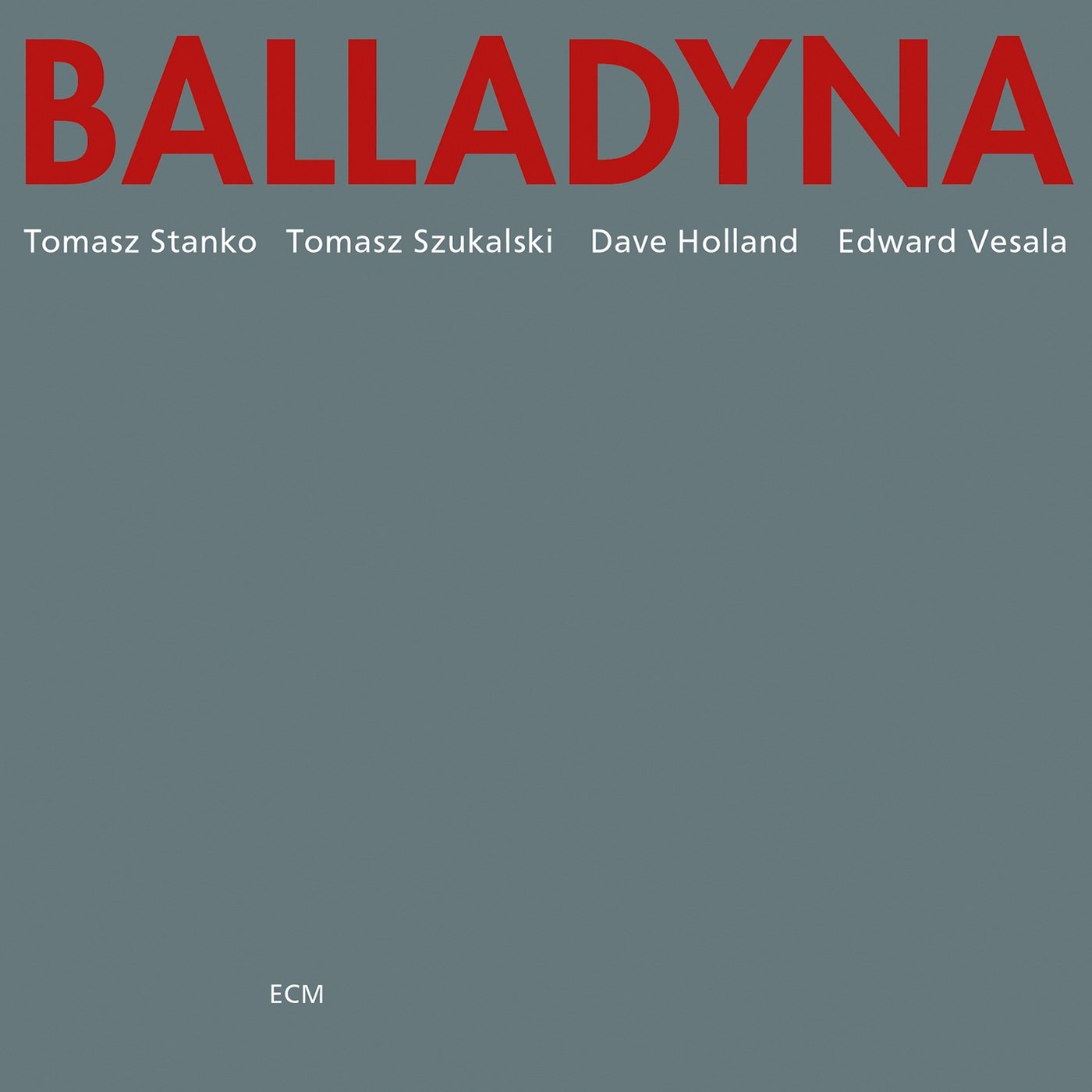
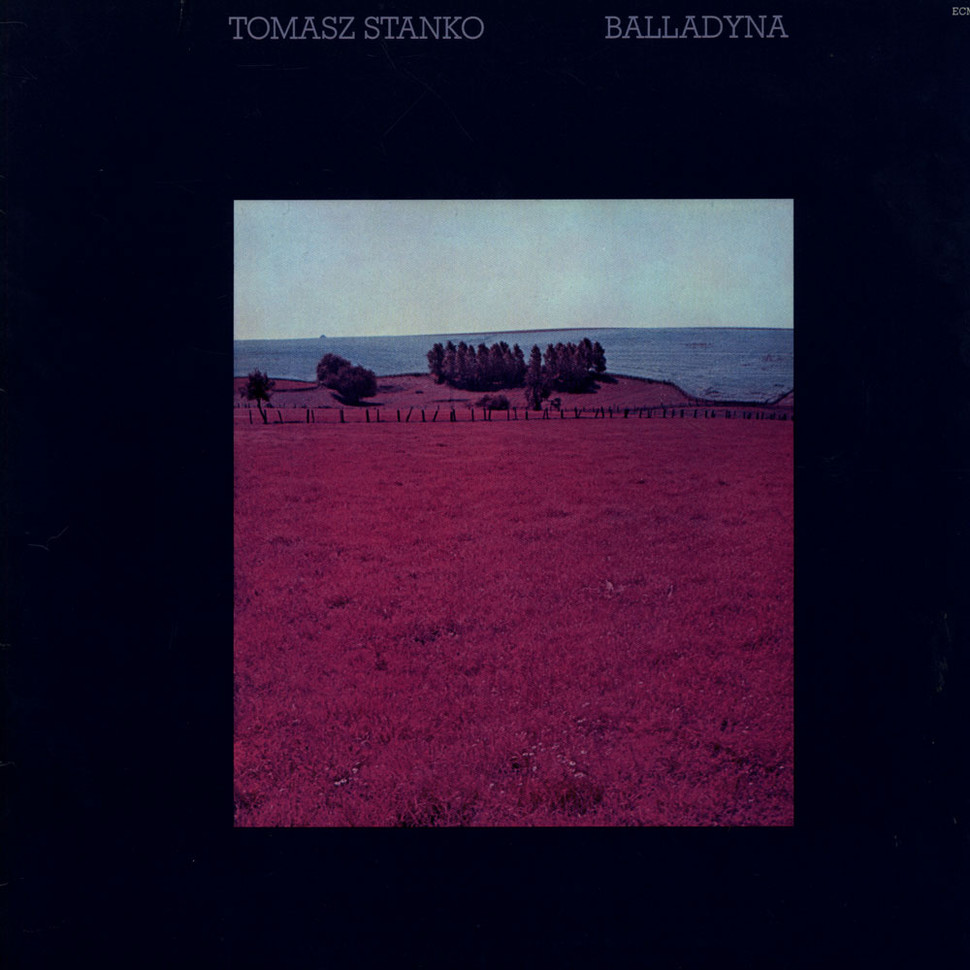
I can only imagine the reactions Tomasz Stanko garnered with Balladyna, his first recording for ECM. The no-holds-barred “First Song” jumps into action with that hard swing that can only come from Dave Holland. Add to this brew the wide-ranging percussion of Edward Vesala and the spicy solos of our frontman and Tomsaz Szukalski, and you have a jambalaya to savor and remember. After such a climactic opener, Stanko could play “Happy Birthday” for all I care. Thankfully (though who knows what this quartet might have done with such ubiquity?) we a get the Ornette Coleman-infused “Tale” that faithfully charts a key transition from raw to cooked jazz. One can feel the rapt attention with which each musician listens to the other.

Original Balladyna
Original cover

This live, interactive energy continues in “Num,” sustained by knitted cymbal work as the two Tomaszes go head to ecstatic head. A killer bass solo makes the cut complete. A lumbering Holland/Stanko interlude opens the door on the title number, anteing up in tutti before spreading its hand into a straight improvisatory flush. Stanko screeches above a pointillist rhythm section, Szukalski stepping into the footprints he leaves behind. A doleful, mocking tone returns in the tongue-in-cheekly titled “Last Song,” nodding like a head succumbing to sleep. The fine horn playing makes this one a standout. The actual last song, “Nenaliina,” is an effusive spring of percussion with a brassy tail.

After all these years, the teeth of Balladyna still make for quite a bite. Anyone wanting to hear the label’s heartbeat in its prime need place an ear to no other chest.

<< Keith Jarrett: Arbour Zena (ECM 1070)
>> Gary Burton Quintet: Dreams So Real (ECM 1072)

Manu Katché: Neighbourhood (ECM 1896)

Manu Katché
Neighbourhood

Jan Garbarek saxophones
Tomasz Stanko trumpet
Marcin Wasilewski piano
Slawomir Kurkiewicz double-bass
Manu Katché drums, percussion
Recorded March and November 2004, Rainbow Studio, Oslo
Engineer: Jan Erik Kongshaug
Produced by Manfred Eicher

Neighbourhood is an astounding, if subdued, meeting of minds. Like other ECM projects of its ilk, this congregation feels as if it arose out of a fundamental and inescapable desire to create music for the sheer enjoyment of it. There is no showing off here. This is laid back, burnished, melt-in-your-mouth jazz perfect for a quiet evening or a rainy afternoon. That being said, this is a far cry from what might elsewhere derogatorily pass for “smooth.” In spite of its overall delicacy the album is not without solid grooves (how can we not bob our heads to the piano-driven ride that is “Number One” or to the swinging horns of “Take Off And Land”?), effectively concise solos (cf. Garbarek’s gorgeous outburst in “Good Influence” and titillating turns from Wasilewski and Stanko in “Lovely Walk”), and enough stellar moments overall to turn any depressing day into a blissful mental excursion. The ensemble plays us out beautifully with “Rose.”

As the brainchild of Manu Katché and producer Manfred Eicher, Neighbourhood is essentially a rhythmic enterprise. Katché’s percussion work provides the crowning motifs to which his compatriots are each a shining jewel. Multiple listenings reveal new nuances of texture and interaction every time. A very fine but impermeable thread connects these musicians and Katché never dominates, waiting in the wings as his motifs take shape of their own volition. The title of the sixth cut says it all: “No Rush.” Take your time with this one and it will reward you greatly. Just press PLAY and you’re there.