

“On the one hand life, on the other hand descriptions.”
–Friedrich Nietzsche
In front of Michael Pilz’s lens, the world is both witness and companion. The camera does not stand apart; it attunes itself to movements of light across a street when no one cares to notice. Christa Blüminger is right to position Pilz outside the usual pantheon when she writes: “In Pilz two radical cinematographic tendencies merge: the belief in the realistic quality of the filmic image (film as a trace of reality) and that of knowing about the artificiality of the material (film as a way of creating reality.” His works reject monumentality and mastery, cultivating instead a fragile attentiveness that feels almost pre-modern in its patience. He gathers encounters the way some collect rocks, each one carrying a trace of the larger landscape. Nietzsche’s epigraph becomes a quiet challenge as Pilz traces the seam where life and description merge.
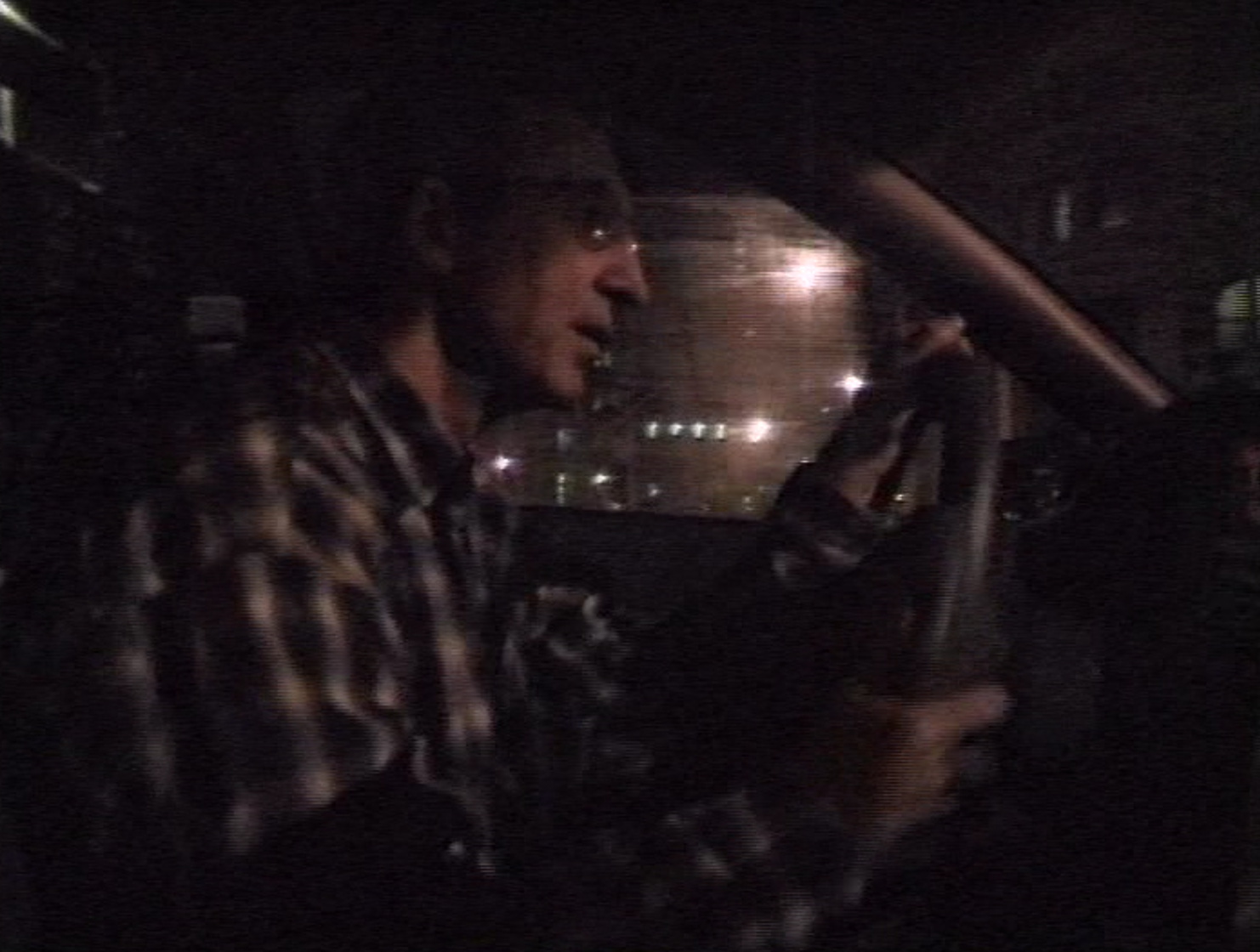
Was übersetzt ist noch nicht angekommen (Facts for Fiction, 1996) begins with the kind of mishap only the unscripted can supply. Jeff Perkins, the New York taxi driver Pilz intends to follow through a night, locks his keys inside the cab before they can even begin. This simple inconvenience becomes the gateway to the rhythm of life. Perkins must borrow another taxi to collect a spare key, and already the night fills with negotiations: the cost of the ride, the weight of the workday, the precarious intimacy of two men in the backseat sharing space before they share a story. They grumble about passengers who can afford generosity but withhold it, and they reflect on the strange proximity that arises when strangers climb into one’s moving workplace and either speak freely or retreat into silence.
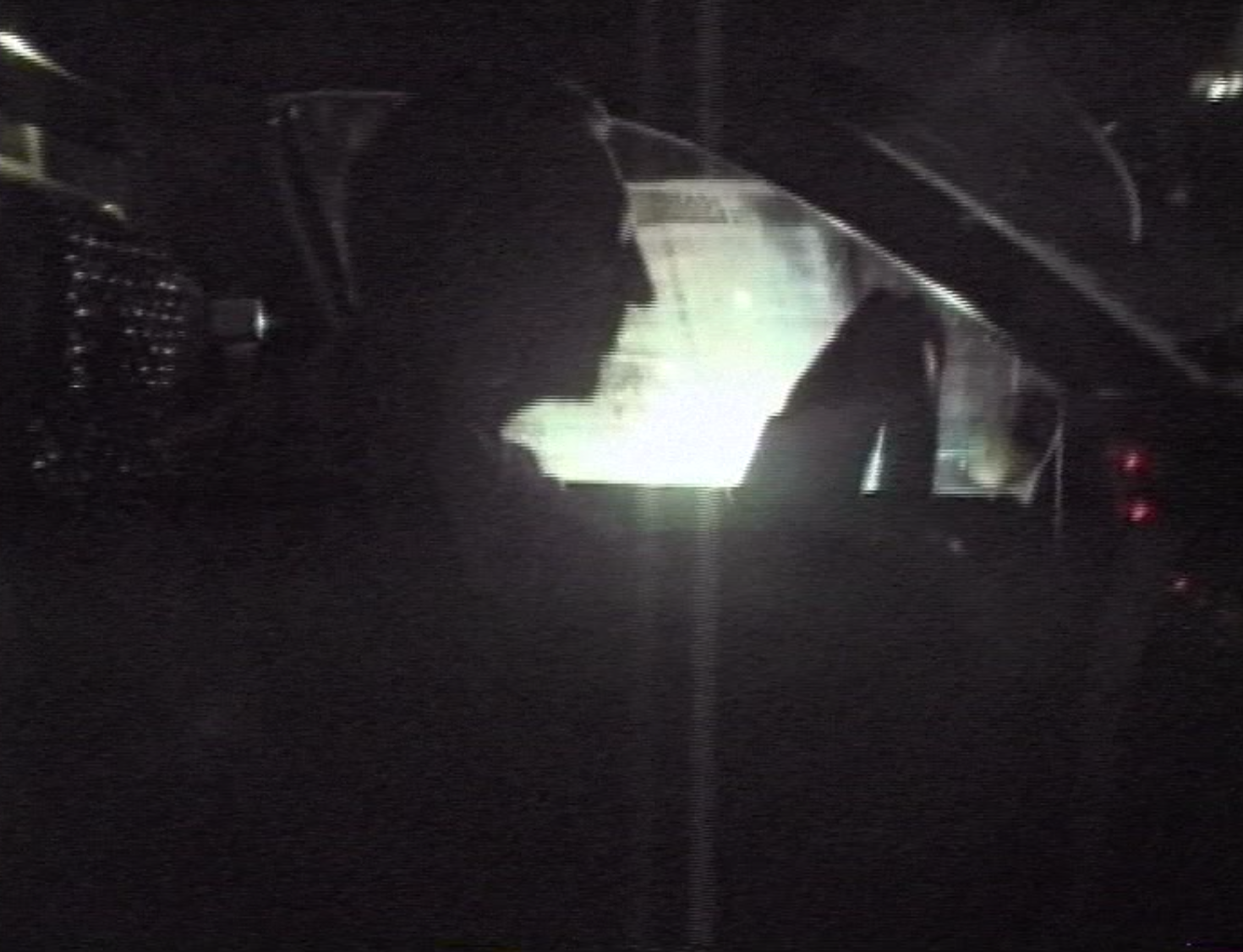
Once Perkins is back in his own cab, the film finds its heartbeat. Encounters pockmark the night, each one ordinary yet illuminated from within. Perkins has the temperament of a storyteller, although he never performs for the camera. He tells passengers he is curating a Cassavetes festival at the theater where he works part-time, offering such details as if they were incidental. He points out a corner where Billy the Kid once lived, calling him a “tough New Yorker,” dissolving the line between legend and geography. He remembers driving on New Year’s Eve with his ex-wife, both of them already fading from one another, when she asked how he could stand the endless procession of strangers. Perkins answers through memory rather than explanation. “When I first started driving,” he recalls, “I was sure that I’d remember every single person. It was so extraordinary to me.”

He muses about assembling a book of conversations, about the conceptual videos he once made, about Warhol’s house tucked quietly on a nearby block. He prefers things calm and uneventful, the steady cadence of an ordinary life. Driving becomes a way of being in the world. He has lived, traveled, fallen in love, drifted apart, and somehow the cab has been a conduit through which each phase passes. Pilz listens. He gathers the auras of storefronts sliding by, the brief lives of passengers entering and leaving, the throb of the city under cover of night. And before long, we can count ourselves among them.

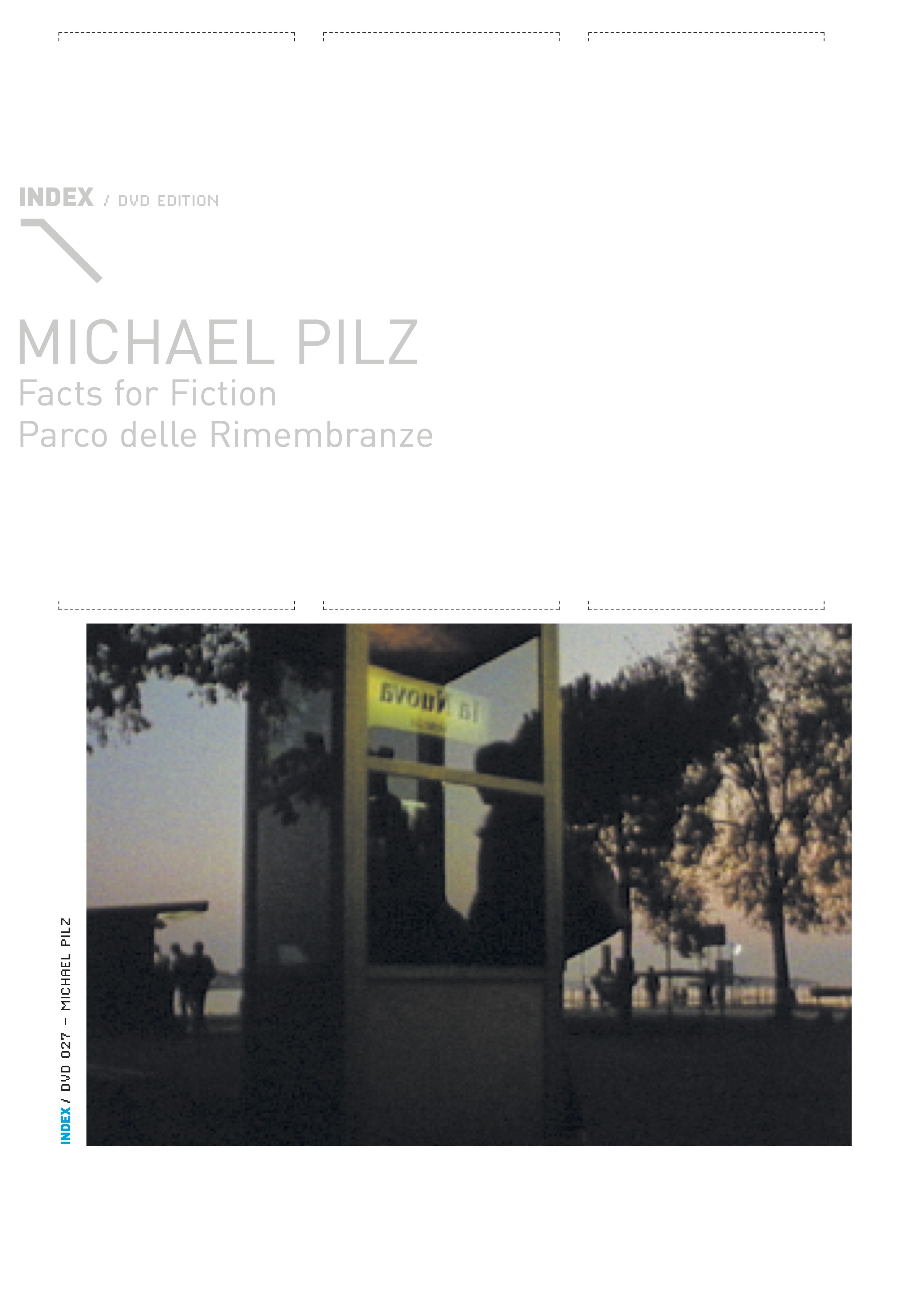
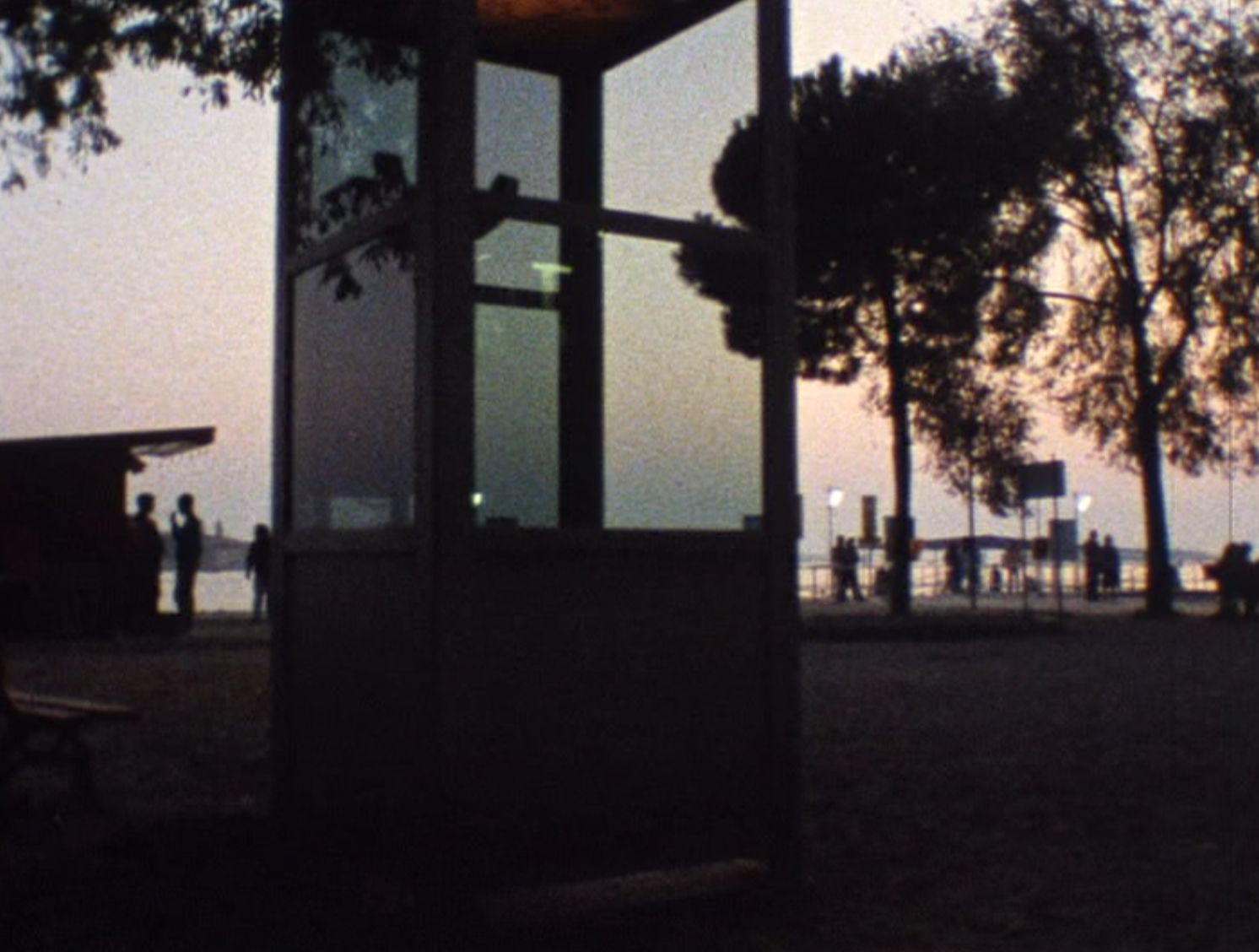
Parco delle Rimembranze (Part of Remembrance, 1987) distills Pilz’s sensibility into something close to essence. Shot on a fall evening in San Elena, Venice, it meditates on dusk, on the moment when daylight withdraws and the air thickens with the residue of finished labor. A telephone booth glows faintly, footsteps and distant voices unfastened from their sources. The camera lingers without insisting, and the world begins to reveal its own quiet meanings. Pilz films a bench, a path, the last shimmer of light on water, and these modest images assume a gentle tenor in which things feel slightly more themselves. There is humility in this unbroken chain. Nothing demands interpretation, yet everything invites contemplation. Pilz offers no argument, no thesis, only the shiver between presence and memory, between the external scene and the inner life it stirs.
Together, these two films articulate a distinct philosophy: that reality is too much to embrace yet too little to abandon. Pilz does not pin the world to meaning. Rather, he allows meaning to traverse the surface of things, the way the glow of a taxi meter slices through Manhattan streets.
 Between Sound and Space: ECM Records and Beyond