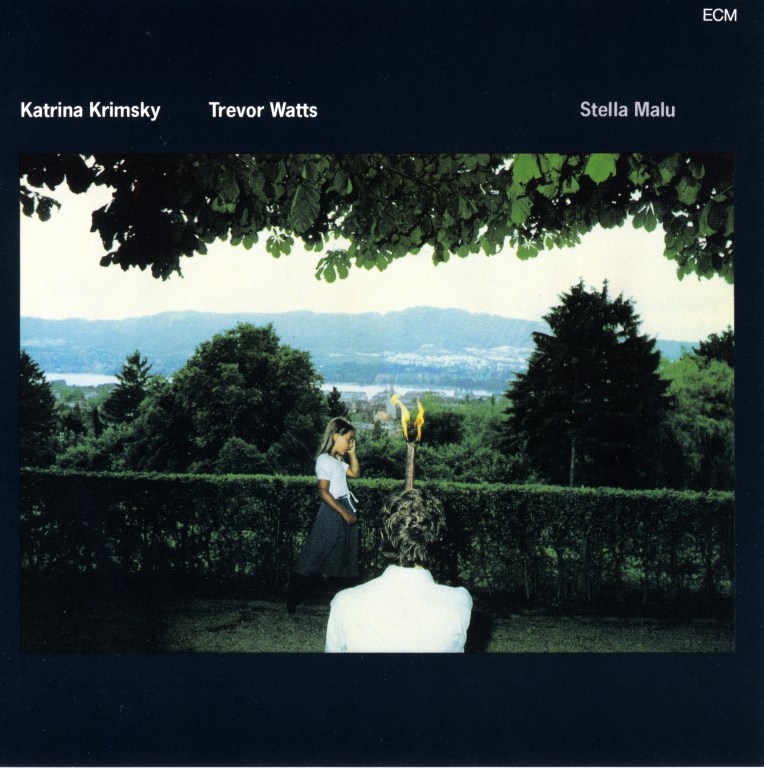
Katrina Krimsky
Trevor Watts
Stella Malu
Katrina Krimsky piano
Trevor Watts soprano and alto saxophones
Recorded March 1981 at Tonstudio Bauer, Ludwigsburg
Engineer: Martin Wieland
Produced by Manfred Eicher
Classically trained pianist and composer Katrina Krimsky began her distinctive musical career in 1968, when she joined Terry Riley and friends to record the world premiere of In C for Columbia Records. Since this momentous occasion, she has thrived as a commissioned performer, collaborator, and pedagogue. In this, her only album for ECM, she paired her venerable skills with those of English saxophonist Trevor Watts. These two voices, both pluralistic and utterly descriptive, coalesced into an unforgettable 38-minute contemplation of melody and space.
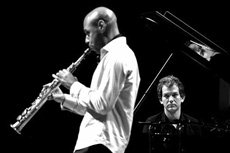
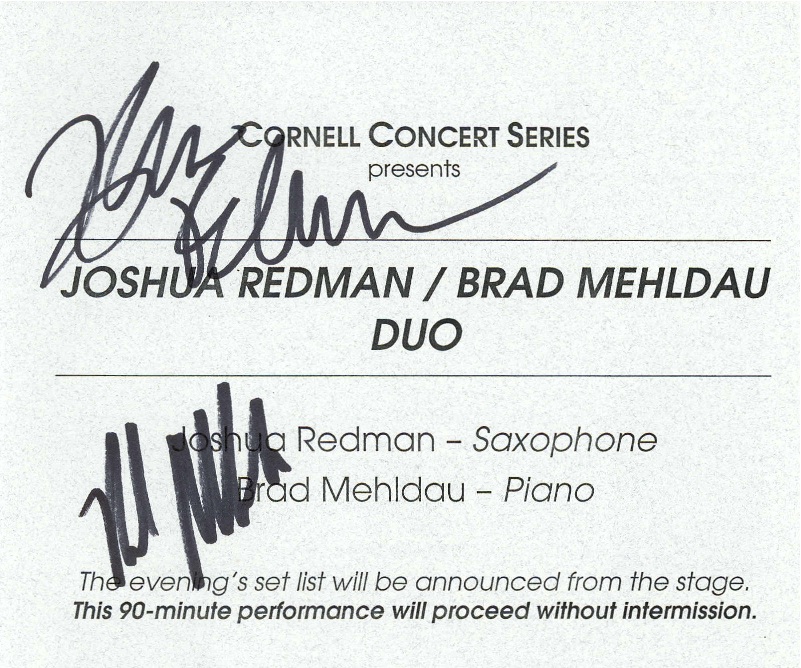
Having just recently seen Joshua Redman and Brad Mehldau in concert, the unique possibilities of saxophone and piano are fresh in my mind, and as I listen to this superb album anew I hope these possibilities continue to be explored (on that note, the more adventurous may want to check out Watts’s stimulating collaborations with Veryan Weston). Krimsky’s astrologically minded pianism is the heart of Stella Malu and so well engenders Watts’s free-flowing lines. Between the billowing vapors of “Mial” and the slice of exuberance that is “Villa In Brazil,” we find ourselves not so much caught as draped by the veils therein.
The reach of these two musicians stretches farthest in “Duogeny” and “Moonbeams.” The first is a stunner, rich in potent notecraft and development. It is also a fluid mixture of the mystic and the bluesy, pockmarked by a rain of reveries. The second breathes even more organically through the richly muted intonation of Watts’s alto. Beneath the latter’s solos, Krimsky leaves the sustain pedal down, allowing every breath to resonate in open strings.
Krimsky has two solo pieces, including the nostalgia-laden title track. But it is “Song For Hans” that captivates me most of all. It ripples with cinematic reality, sounding like an epilogue to a lost Theo Angelopoulos film. Watts enters the darkness alone in “Rhythm Circle.” This short but sweet soprano excursion swirls in its own afterimages. Along with the duet “Crystal Morning,” it steers into the album’s briskest territories, combing the fields like a persistent wind on its way to the sea.
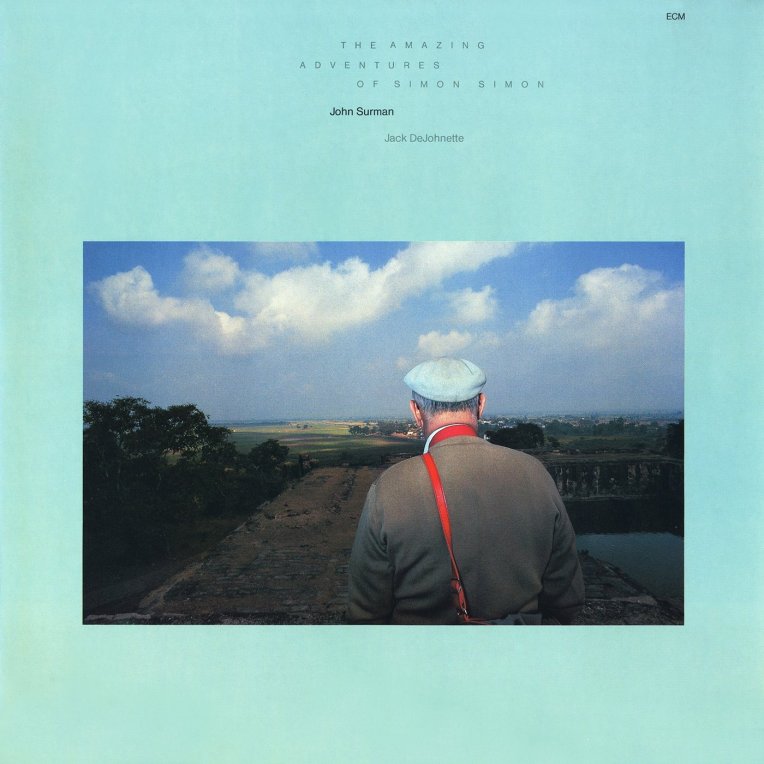
For lack of a better comparison, Stella Malu falls somewhere between Keith Jarrett’s Gurdjieff tribute and John Surman’s Upon Reflection. The outdated, even if haunting, echo applied throughout in postproduction may irk some listeners, even as it coats the music with an historic charm. Regardless, it stands as one of ECM’s finest and an album that reveals more to be thankful for with every listen.
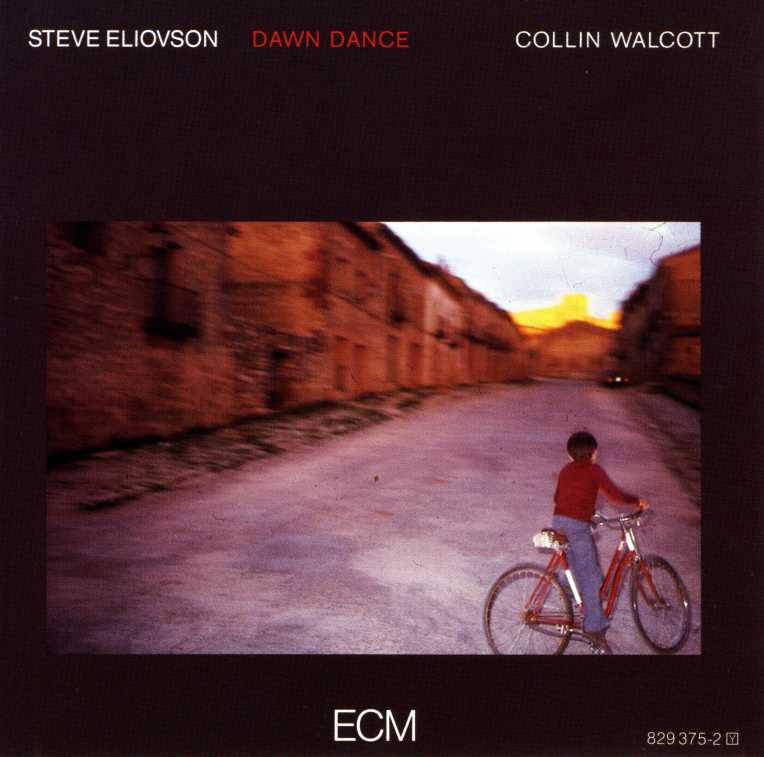
<< Steve Eliovson: Dawn Dance (ECM 1198)
>> Jan Garbarek: Eventyr (ECM 1200)
 Mehldau is in no greater need of introduction, having ploughed a fertile sonic path whose lush crops bear little resemblance to those of a world filled with wilting farmlands. Whereas his recent Birdland live joint for ECM with legends Lee Konitz, Charlie Haden, and Paul Motian showed a penchant for sparkling and open paths, tonight he detoured into far more secluded glens. His notable flipping—playing ostinatos in the right hand and providing “bottoms” with the left—worked its selective magic on a couple of tunes, but for the most part flitted comfortably through the back alleys of expectation.
 In the long run, however, one wonders just how significant these biographical details are, for perhaps the best communication we can offer is the listening ear—one that hangs, suspended in the darkness of the concert space, and gives in return the voice of its appreciation, not speculation. Take Mehldau, for example, who has been much praised for his eclectic palette, which includes healthy daubs of jazz, pop, and classical alike. Yet these idioms, too, seem arbitrary when caught in the throes of the music into which they are blended. What matters is not where these paints come from, but that they share the same canvas.