Rik Wright’s Fundamental Forces: Red

Red

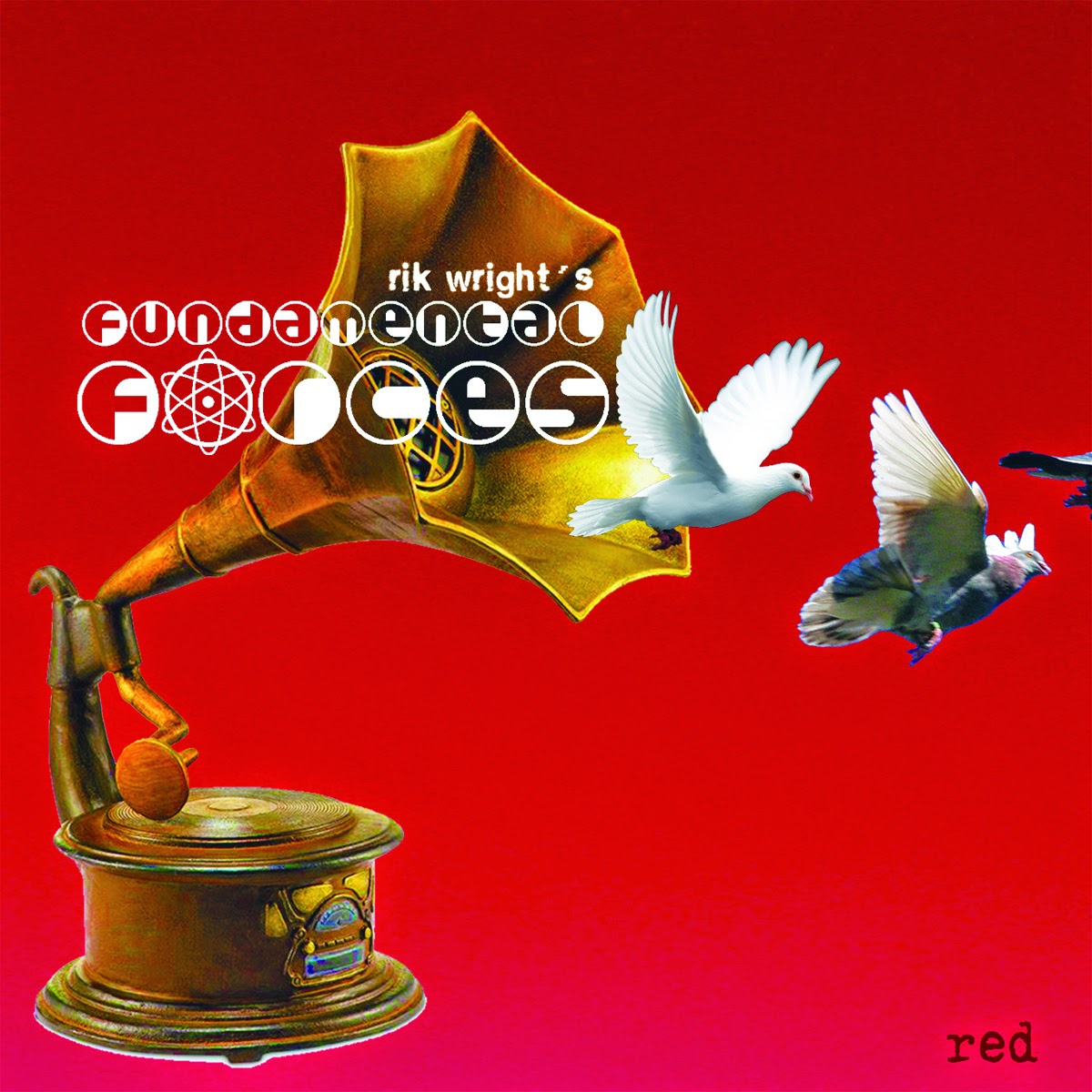
“Passion is an unstable molecule. A universe of energy itching to be released.” So says the foldout sleeve of Red, the second disc in a trilogy of colors by poet and guitarist Rik Wright. It’s an apt description of the relationship he has for years now shared with multi-instrumentalist James DeJoie (reeds and flute), bassist Geoff Harper, and drummer-percussionist Greg Campbell. As Fundamental Forces, this fearless foursome excavates the circle first drawn in Blue (released 2013 on Hipsync Records) with even finer tools in hand. Whereas that predecessor looked into the crystal ball of the future, this sequel dips into the font of the past and emerges baptized in new directions.

There’s almost nothing about the guitar-bass ostinato that begins “(She’s so) Fragmented” to indicate the itching universe about to unravel. But once the rhythm section takes over and allows for alto and guitar to carve out their groove, the album’s first of five deep cuts shows us just how much letting can be accomplished in 46 minutes of Earth time. DeJoie unhinges himself from the theme, plotting challenging geometries in contrast to Wright’s angelic beauties. This is where the pieces of the guitarist’s versifying fall formatively into place, not only laying the corner pieces but also gnawing at them until they begin to fray. Campbell shakes things up a bit, too, all the while remaining true to the core pulse.

After this nine-minute juggernaut, the skeletal geode that is “Yearning” veritably sparkles. Wrapped in Campbell’s loose timekeeping and Wright’s webbed guitar, it charts a detour along beauteous sonic paths. Although it is, at just over four minutes, the shortest track of the album, it is also its snaking heart, the chamber through which the surrounding tunes’ blood flows, from which it exits, and to which it returns. Next is “Subtle Energy,” which at 13 minutes reverts to the band’s epic comforts. Wright’s John Abercrombie-like intro casts a long, downtempo shadow and, like the album’s opener, spins from complacent beginnings a cosmic web of intrigue. Wright and his bandmates are so attuned to every shift of texture, proving their ascent to a new level of descriptive awareness.

The penultimate “Single Angularity” is a prime vehicle for DeJoie’s baritone. What seems an oxymoron in the title becomes organic in the music: what fails in language proliferates in art. The band journeys deepest for this one, rising and falling in unscripted fervor. If there is a particular immediacy of transmission here, it is because this and “Yearning” were both taken from a radio performance. Yet that same live presence thread pulls through the studio tracks as well, and especially in the concluding “Synesthesia,” a yielding vessel that drags its oars in a cinematic, David Lynchean stream of consciousness toward dreamy conclusions.

If Blue was a kaleidoscope, requiring light and vision for its patterns to thrive, then Red is a laser, boring into the earth, in need of darkness in order to glow, incisive and true. More than ever, Fundamental Forces is working like a team of archaeologists, brushing away the clinging dirt until their inspiration reveals an ancient heart.

(To preview and purchase Red, click here.)
Hristo Vitchev & Liubomir Krastev: Rhodopa

Rhodopa

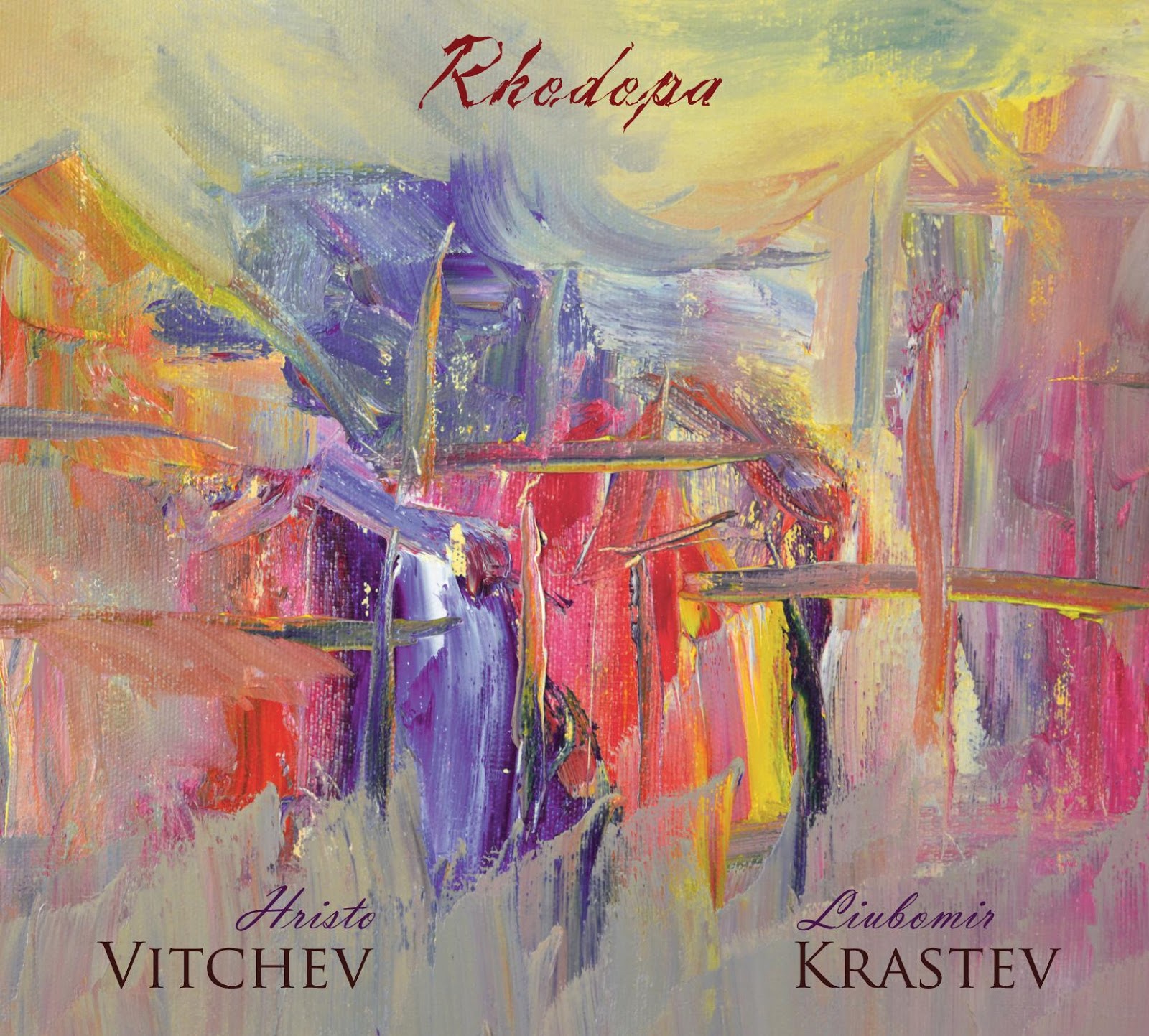
Bulgaria-born, Bay Area-based guitarist Hristo Vitchev, having firmly established himself as a gentle giant in the contemporary jazz scene, seems always willing and able to reinvent himself while holding true to the integrity of his artistry. For Rhodopa, one of a prolific string of new releases, he joins clarinetist Liubomir Krastev in a unique duo setting of original tunes and Eastern European folk songs. The result is unquestionably Vritchev’s finest project to date. Some of his most perennial compositions, including “Silent Prayer” and “Blues for Clever Peter,” encroach upon the album’s roots-oriented landscape like sprigs of autumn foliage ready to let go of their branches. The latter tune especially shows the potential of this duo to turn a skeleton into a fully-fleshed body, rendering as it does a fluttering guitar ostinato as launching pad for Krastev, whose clarinet darts, soars, and dives without a trace of inhibition. The dynamic contrasts of “Devoiko Mari Hubava” (Beautiful Young Lady) likewise delineate fundament and firmament with clarity of vision. Vitchev’s steel-stringed harmonics stretch a canvas for Krastev’s fluid brushstrokes, bringing the music to new levels with the addition of a second (classical) guitar.

[youtube+https://www.youtube.com/watch?v=092ZFKKCSrU]

This is the first of the album’s largely Bulgarian songbook, in which the upbeat virtuosity of “Polegnala e Todora” (Todora Took a Nap) fits snugly between the lyrical pages of “Lale Li Si, Zyumbiul Li Si” (Are You a Tulip, Are You a Hyacinth) and “Hubava Si Moia Goro” (You Are My Beautiful Forest), the last two brimming with heart and poise.

Track lengths on Rhodopa range from one to ten and a half minutes, shortest in the two “Improvisations” by which the musicians dig deepest to the layers of tradition that inform their souls. There is, then, something about this music that speaks heart to heart. It is ancient yet also blossoms with new interpretive subtleties, welcoming us to dance and reflect by turns, knowing that spring is never far away, regardless of the season outside your window.

Joe DeRose and Amici: Peace Streets

Peace Streets

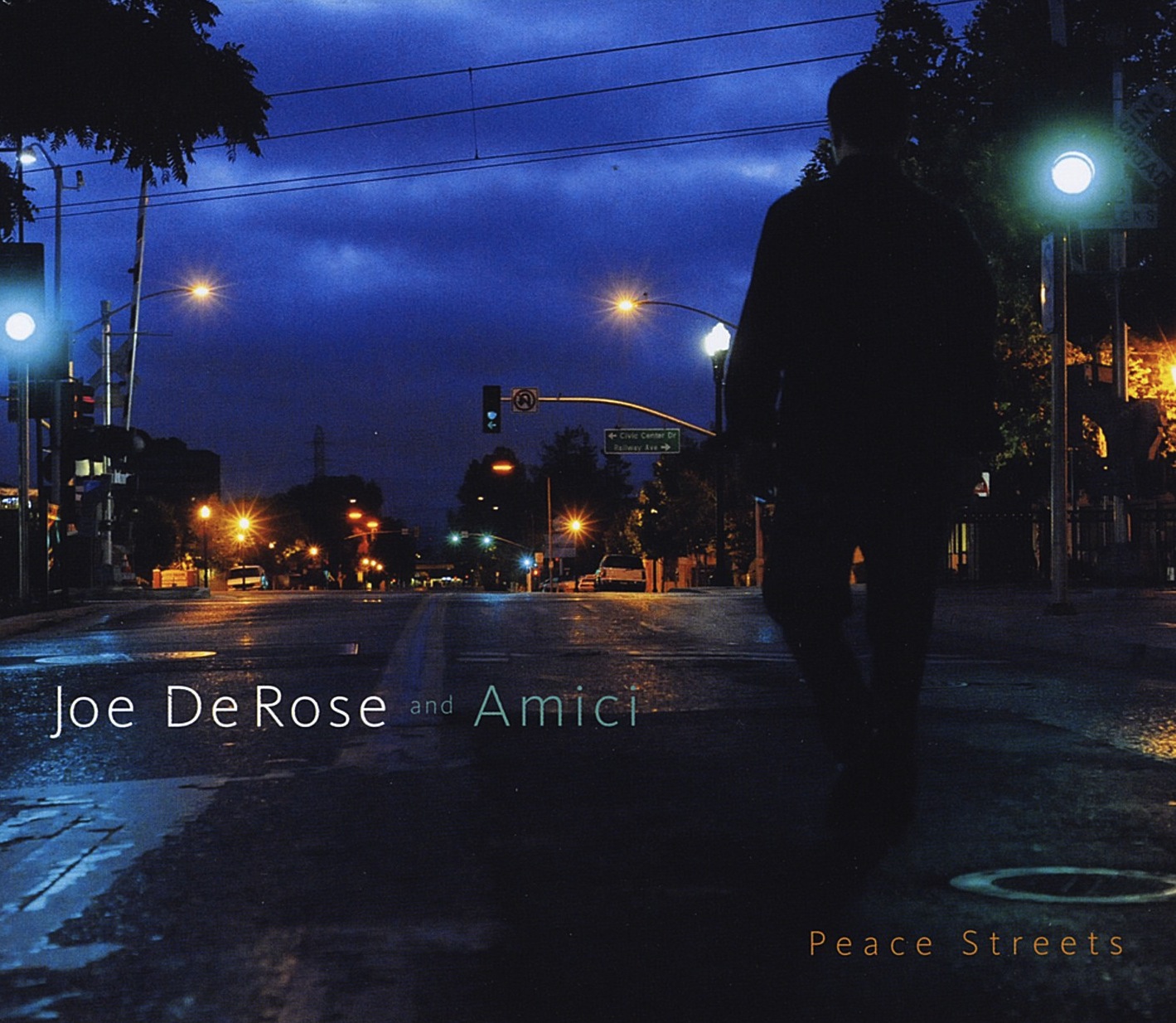
Following their 2010 debut, Sounds for the Soul, San Jose-based drummer Joe DeRose and his “amici” (friends) break out with their follow-up, Peace Streets. Fronted by guitarist Hristo Vitchev, saxophonist Dan Zinn, keyboardist Murray Low, and bassist Dan Robbins, DeRose presents an album of intelligence and nostalgia. Opener “New Frontiers,” in point of fact, establishes such an unmistakable Pat Metheny vibe that you may just want to start the car now so that you’re ready to hit the road once you press PLAY. Between Vitchev’s gentle voicings and Low’s synth textures, the music’s punctuations surround us with sunlight.

It’s a comfortable vantage point from which to survey the journey to come. With such memorable stops as the 70s-infused “Native Son” and the sweeping Latin groove of “The Spirit of the Room,” and from there the melodic stretches of highway laid by the funky “Smiles for Miles” and the gorgeously emphatic “In a Moment’s Time” (now entering the 80s), there’s much to admire along the way. Through all of it, DeRose’s bandmates make easy work of the changes. Vitchev emotes with virtuosic, snaking starlight, his constellations alive with an unwavering foreword gaze. Zinn commands with his remarkable tonal chops, knowing just when to lay back and when to turn up the heat. Low’s presence is as selective as it is integral. Like Vitchev, he is just as comfortable soloing as he is holding the front line. Robbins, for his part, digs deep, unearthing anchor after anchor. DeRose, too, continually switches places, flitting from side to side with finesse.

Zinn in particular proves himself a most chameleonic player. Whether donning his Lenny Pickett hat in the otherwise laid-back “So It Is!” or morphing into the Jan Garbarek-like register of “In a Single Breath,” he is careful to acclimate himself to the mood at hand. This full set of originals, all from DeRose and Vitchev, lends itself beautifully to this collective palette. Some of the most effective interactions, however, occur between Zinn and Vitchev, sparring playfully as they do in “Native Reprise.” Even the soft lighting of “After the Storm” does nothing to obscure their simpatico dialogues, which reach their most uninhibited levels on the concluding title track.

To be continued, I hope.

Ken Husbands Trio: Keepin’ It Going

Ken Husbands Trio

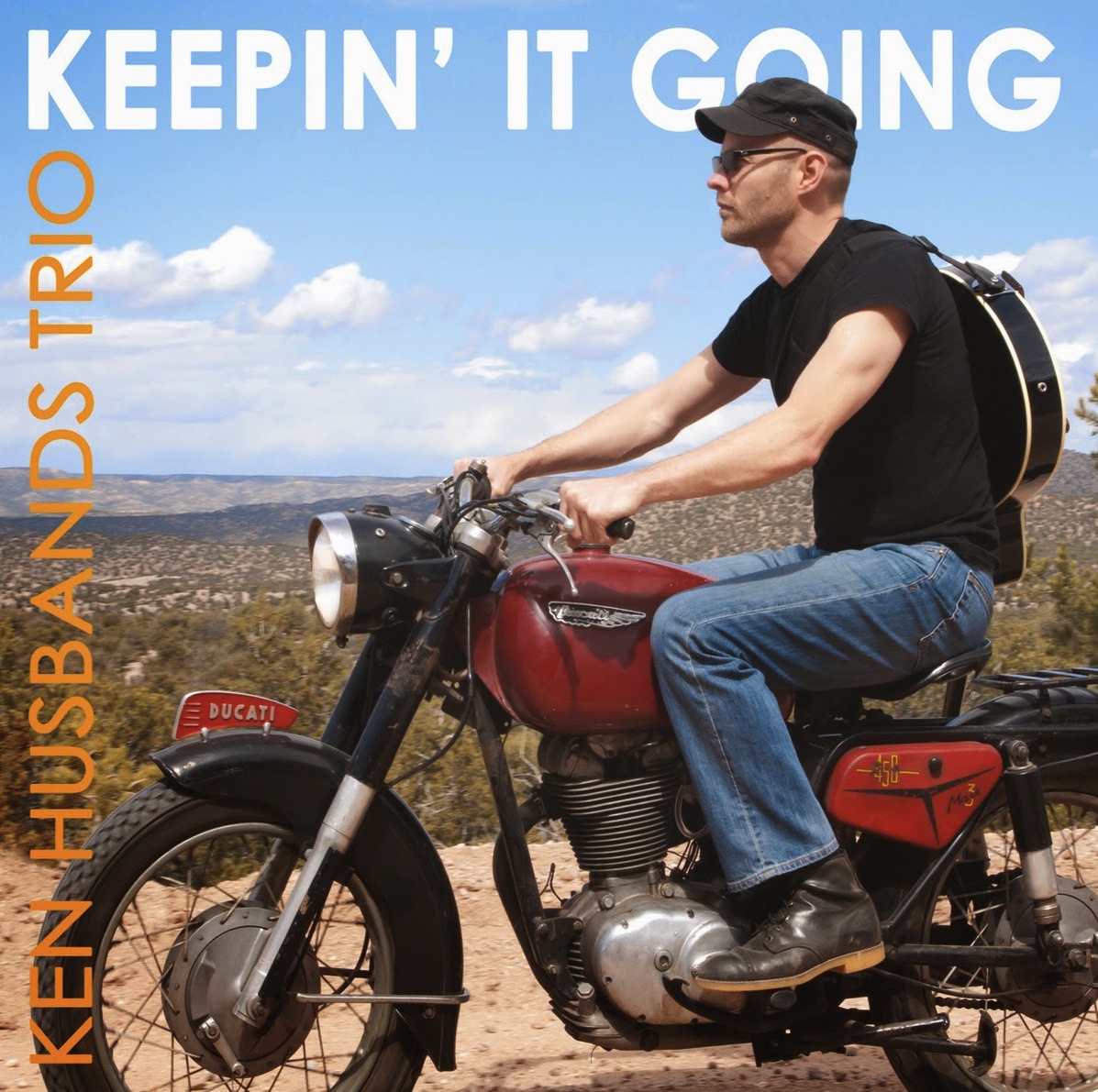
As a label mate of jazz guitarist Hristo Vitchev, Ken Husbands is in fine company. With bassist Aaron Germain and drummer Otto Huber, even finer. As the Ken Husbands Trio, they make sculptures of their music, smooth and chiseled to lifelike appearance. For its sophomore outing, the trio navigates a set of six originals, crisply recorded and played.

With a background in funk and a personal interest in fusion, Husbands harnesses many influences under one umbrella, but articulates them with an economy that is altogether refreshing. “East Coast Groupings” points to the guitarist’s Boston roots, dipping early into a pool of groove. There is here, as throughout the album, a feeling of the open road. Germain’s warped electric bass foils Huber’s pristine timekeeping with a hint of grunge. The drummer’s rhythmic slights of hand further dress the emerging groove of “Lucky Seven” in cathartic clothing. Here the trio works synergistically, Husbands working overtime to maintain a smooth exterior, stoking the flames by means of his stream-of-consciousness style. The title track proceeds along Huber’s skipping trail, while Germain switches to more direct amplification, augmented by a spacy echo effect. Husbands provides a circling backdrop for Germain’s initial forays before taking over the foreground with a non-invasive lyricism.

“Goodbye Eddie,” however, gives us the album’s biggest revelation in German’s less mitigated playing. The only non-Husbands original of the set (this one by way of the bassist’s pen), it evokes a slicker, more classic club vibe. Germain’s fast fingers give virtuosity a melodic sheen in this standout track. “Almost Eleven” returns us to the groove-oriented approach with which the album began and shows the trio at its tightest yet also its most liberated. Even amid all the hot action from the rhythm section here, Husbands manages to light a few fires of his own. Last is “But I Don’t,” another smooth and carefully interlocking ride. Husbands and Germain never cease to reinvent their own wheels along the way, Huber keeping toeing the line and throwing in a hard-edged solo for good measure.

At a mere 39 minutes, Keepin’ It Going might feel like a modest album were it not for the overt invitation of its playing. The band’s hallmark is a genuine desire to keep the listener engaged. This music is packed with ideas and expresses those ideas openly. This isn’t jazz that hits you over the head, but that takes you by the hand and shows you just how wide the world can be.

Możdżer/Danielsson/Fresco: The Time

The Time

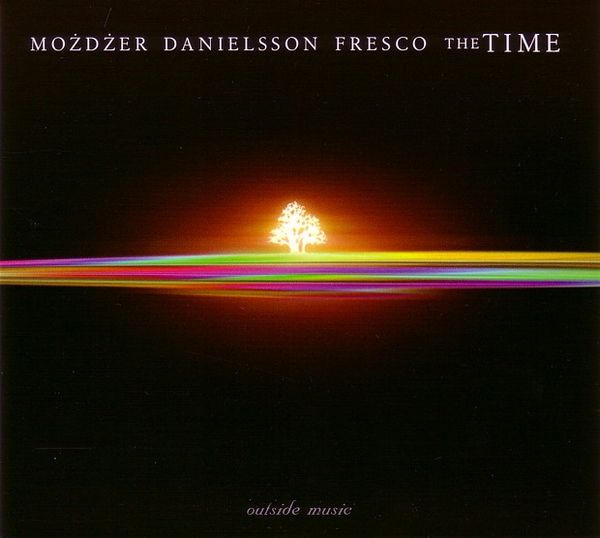
Polish pianist and composer Leszek Możdżer, best known for his solo re-imaginings of Chopin (released 1994 on Polonia Records), has since 2005 carved into the soil of jazz a significant river in trio with bassist Lars Danielsson and percussionist Zohar Fresco. The Time represents the group’s first studio outing, and the results are nothing short of enchanting. With a blend of lyricism and space that should appeal to fans of ECM’s many European traversals, Możdżer and Company put their all into every tune.

Among those tunes, Danielsson’s provide the skeleton. “Asta” opens the disc in David Darling-like reverie, Fresco’s wordless vocals floating in the spirit of Per Jørgensen, a swath of pollen fanning into open air. With a rare stillness of heart and transcendent core, the trio emotes without any discernible force of thought. Distillations of “Asta” appear twice more throughout the album, each a fantastic reflection, a film caught in repeat. “Suffering” laces muted pianism with cello pizzicati from the composer in a web of teardrops. The disc ends with an outtake of this same track, the laughter of which betrays a light and free spirit behind the shadows.

“Incognitor” is the first track by Możdżer. Along with “Easy Money,” it is among his best-known compositions, and pushes the trio paradigm into the wonders of letting go. Możdżer further displays great faculty for eclecticism, as in the tessellation of “Tsunami,” which twists gentle arcs and Byzantine touches in a helix of calm. The title track, co-written with Fresco, runs with scissors in one hand and, in the other, a page torn from the book of Nik Bärtsch’s Ronin. A likeminded jam aesthetic imbues the trio’s take on “Svantetic.” This one, by the great Krzysztof Komeda, reveals the influence of Tomasz Stanko, with whom Możdżer has worked in the past. It is notable proof of Fresco’s touch as he sets his planets around a sun-spotted center. Both tunes are puzzles of insight.

Also insightful is the band’s rendition of the Nirvana classic “Smells Like Teen Spirit.” What with the sonorous inner secrets from Danielsson and Możdżer’s deft tracings, the angst of the original melts into a shadow of its former self, even as Fresco’s hand percussion skirts the edges of seizure. Like the wave of clarity that follows a period of suffering, it turns tragedy into a triumph of the spirit.

Majamisty TriO: Mistyland

Mistyland

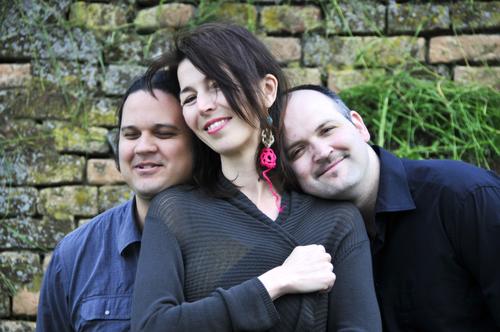
Pianist Maja Alvanovic, bassist Ervin Malina, and drummer Istvan Cik, known together as the Majamisty TriO, forge a path through the jazz landscape every bit as thoughtful as any of their European contemporaries. Alvanonic draws on her classical foundations—this debut was indeed reissued by Maple Grove Music Productions, a classical outfit out of the band’s native Serbia—for an intensely lyrical, at times somber, but ever-gorgeous sound.

All of the tunes on Mistyland owe origin to Alvanovic’s pen, except for the Brazilian-flavored “Happy Love Song” (by her father Blaza Alvanovic) and Errol Garner’s evergreen “Misty,” which at her fingertips becomes a piece of exponential crystal, with two beginnings for every ending. Crafting bright, optimistic melodies is Alvanovic’s strong suit, as is clear in “Landscape.” The album’s opener combines the gentle propulsions of her keyboarding with a wing-clipped rhythm section. Much of what follows is similarly evocative, throwing heads back in the revelry of clever rhythm changes and turns of phrase. Heartfelt ballads (“She Said…”) share breath with the minor-inflected curls of “The Tear” toward locomotive destinations (“Tuesday”), traversing airbrushed borders between waking and sleeping along the way. This emotional Rubik’s cube is at one moment sweeping and cinematic (“With You”), the next decidedly classical in scope, as in the Satie-esque “Waltz for Sofija.”

Majamisty
(Photo credit: Sinisa Ponjevic)

Alvanovic’s compositions, however, further allow the album’s only questionable inclusion: that of guest vocalist Aleksandra Drobac, who treats her voice like a fourth instrument, wordless and melodic, in tracks such as “Lullaby for Iva” and “Red Like.” As lovely as her voice is on its own, it adds little to the trio’s already-verdant sound, making it feel rather like an impressionist rendering every single leaf of a tree when only a few indicative strokes are needed. That said, after a few listens it becomes easier to feel Drobac’s colors blending into the rest, so that by then they begin to seem parts of the whole.

Improvisationally speaking, this is by no means a risky album, but in that respect provides vast comfort through its artful virtuosity. Alvanovic and her bandmates hold their own in an industry flooded with trios. Their vessel sails true with an attention to melodic detail known well by ECM listeners, for whom Mistyland might very well constitute a positive discovery.

(To preview the entire album, click on over to the band’s website here.)

Rim Banna review for RootsWorld

My latest review for RootsWorld online magazine is by Palestinian singer Rim Banna, who explores an all-inclusive message in delicate political times. This one boasts a couple of ECM connections. It is arranged and produced by Bugg e Wesseltoft, who has appeared on albums by Terje Rypdal, Jan Garbarek, Arild Andersen, and Sidsel Endresen. It also features guitarist Eivind Aarset in a characteristically atmospheric role. Click the cover to read my review and hear samples of the album.

Rim Banna