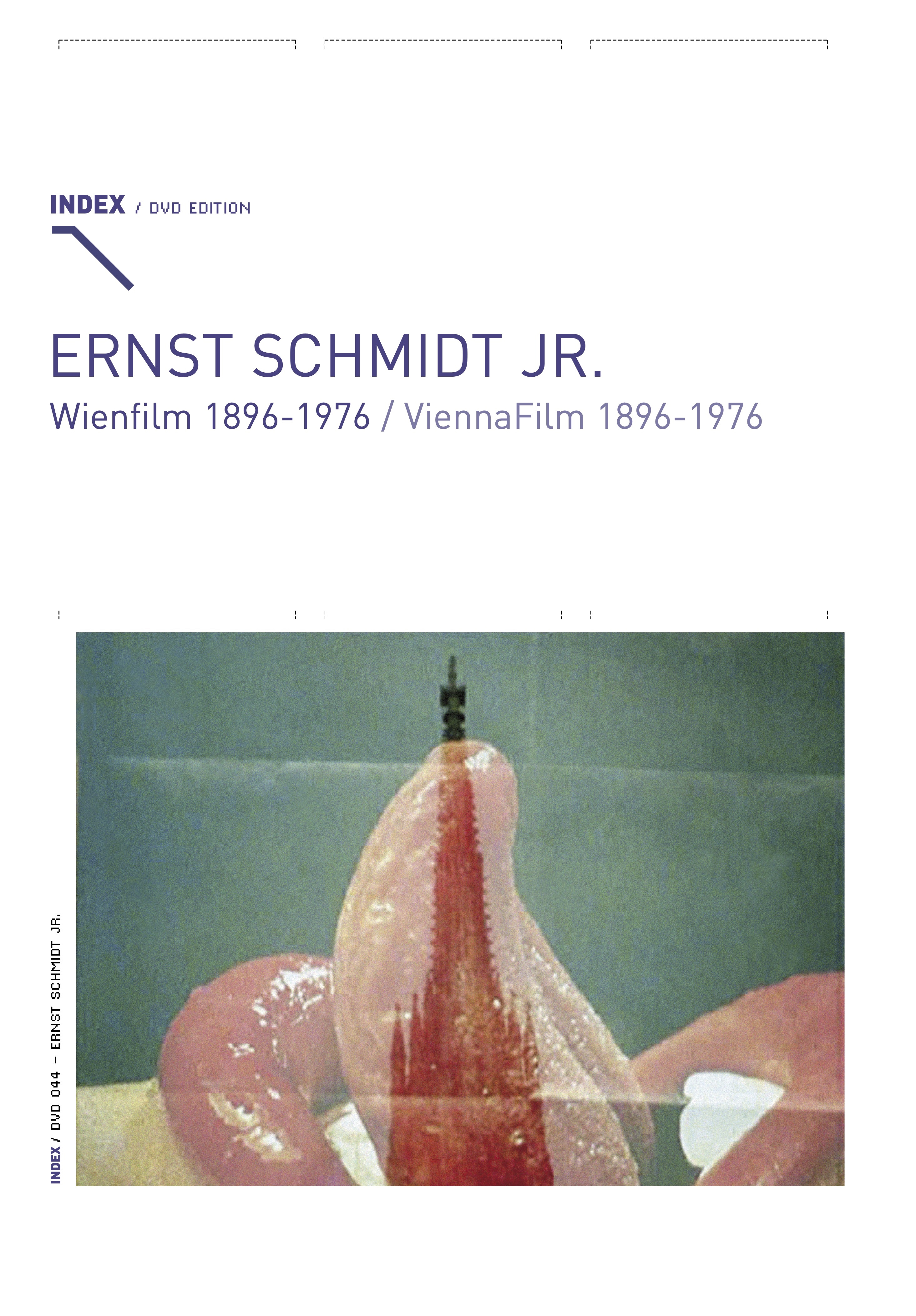
Ernst Schmidt Jr.: Wienfilm 1896-1976 (ViennaFilm 1896-1976) (INDEX 044)

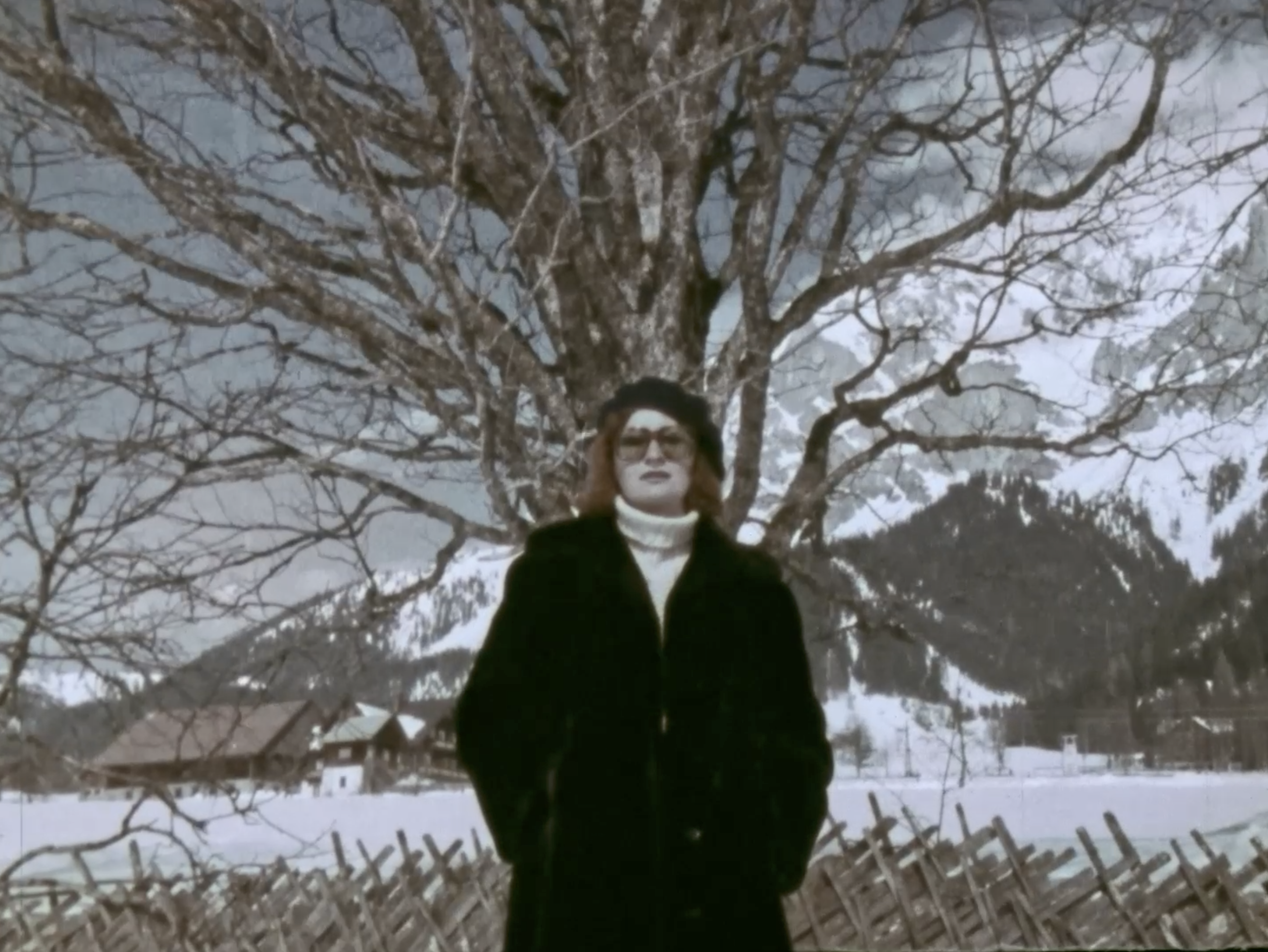
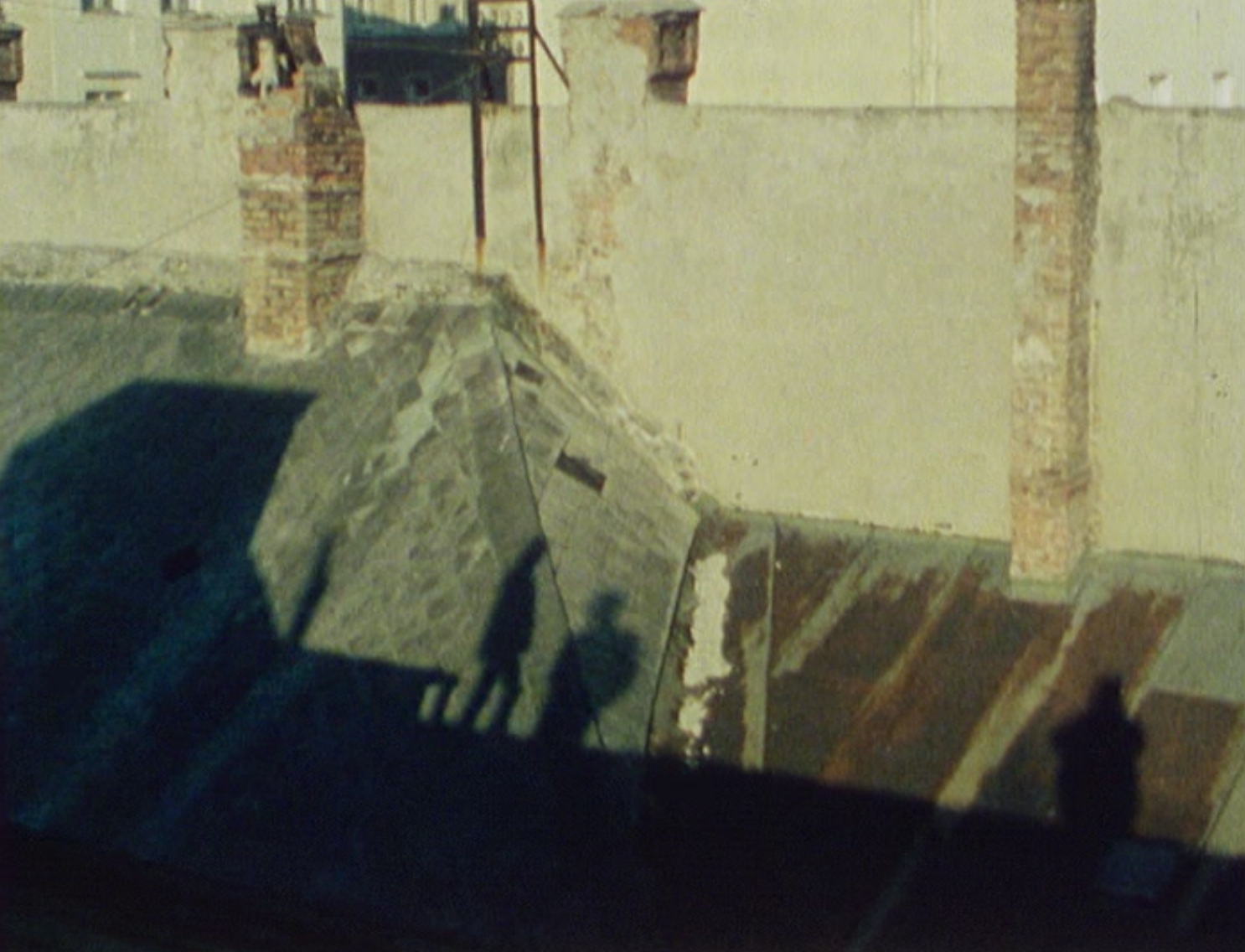
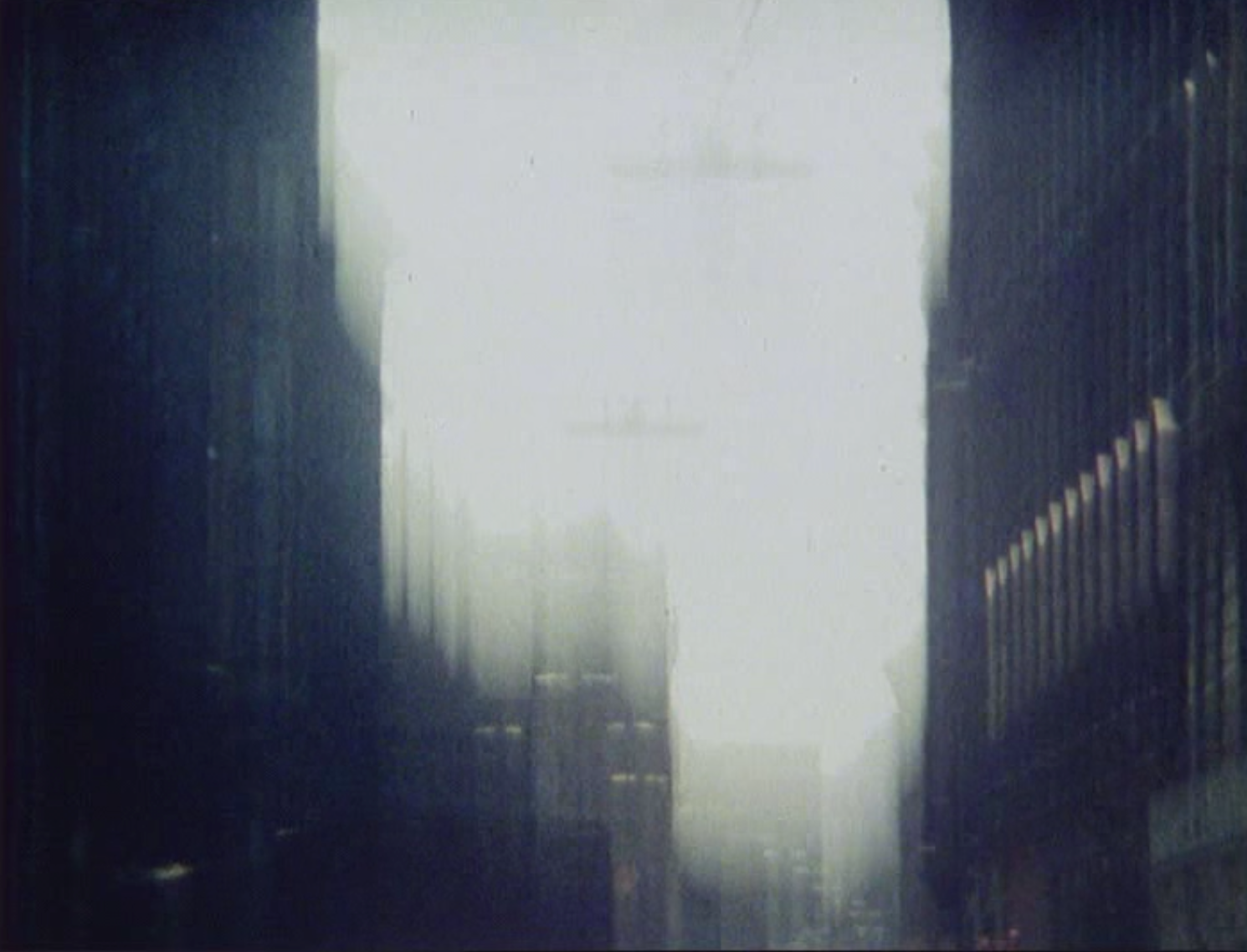
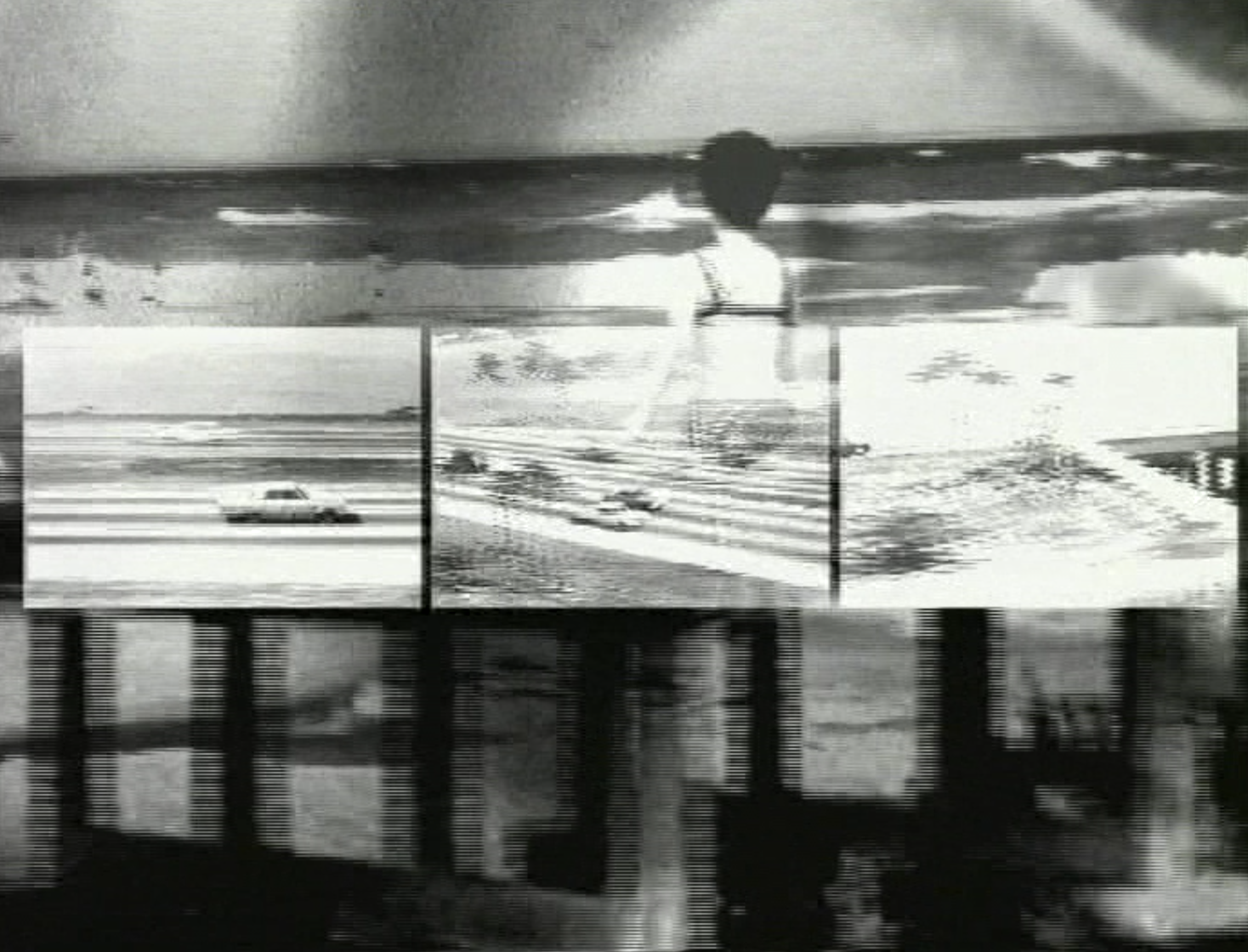
Ernst Schmidt Jr.’s Wienfilm 1896-1976 opens its subject the way a cadaver is splayed on a coroner’s table. It does not search for a beating heart but for the conditions that make Vienna both itself and something estranged from itself. Montage is now a diagnostic tool, less a method of assembling meaning than of measuring how it buckles under the weight of mortality. The filmmaker himself calls it “a collage of diverse materials aimed at conveying a distanced image of Vienna,” and this distance is the guiding principle: no seduction, no civic hagiography, only a long, unsettling look at a city that contradicts its own self-image at every turn. The result is almost two hours of historical consciousness unfurling at the pace of a slow-motion sea change.

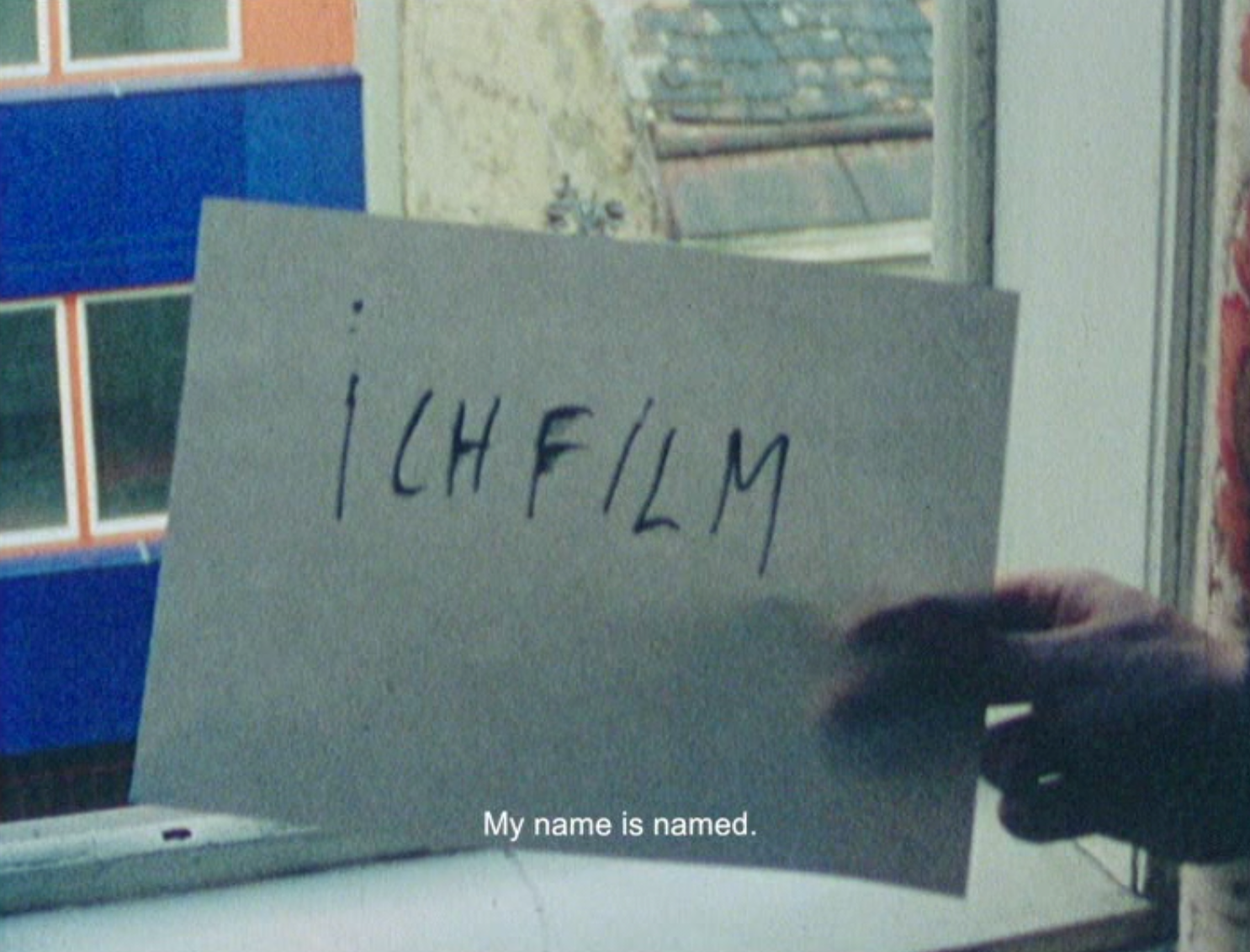
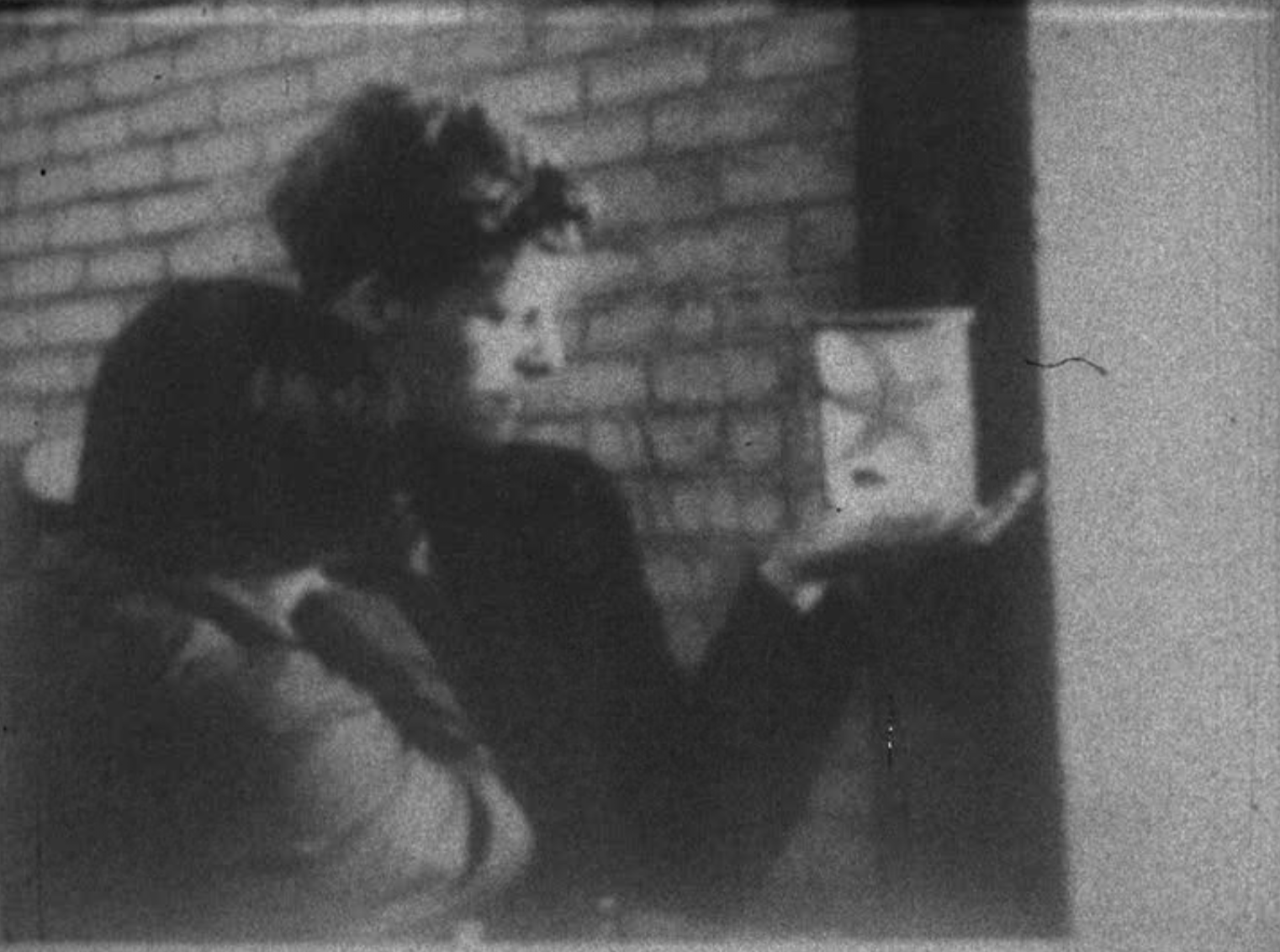
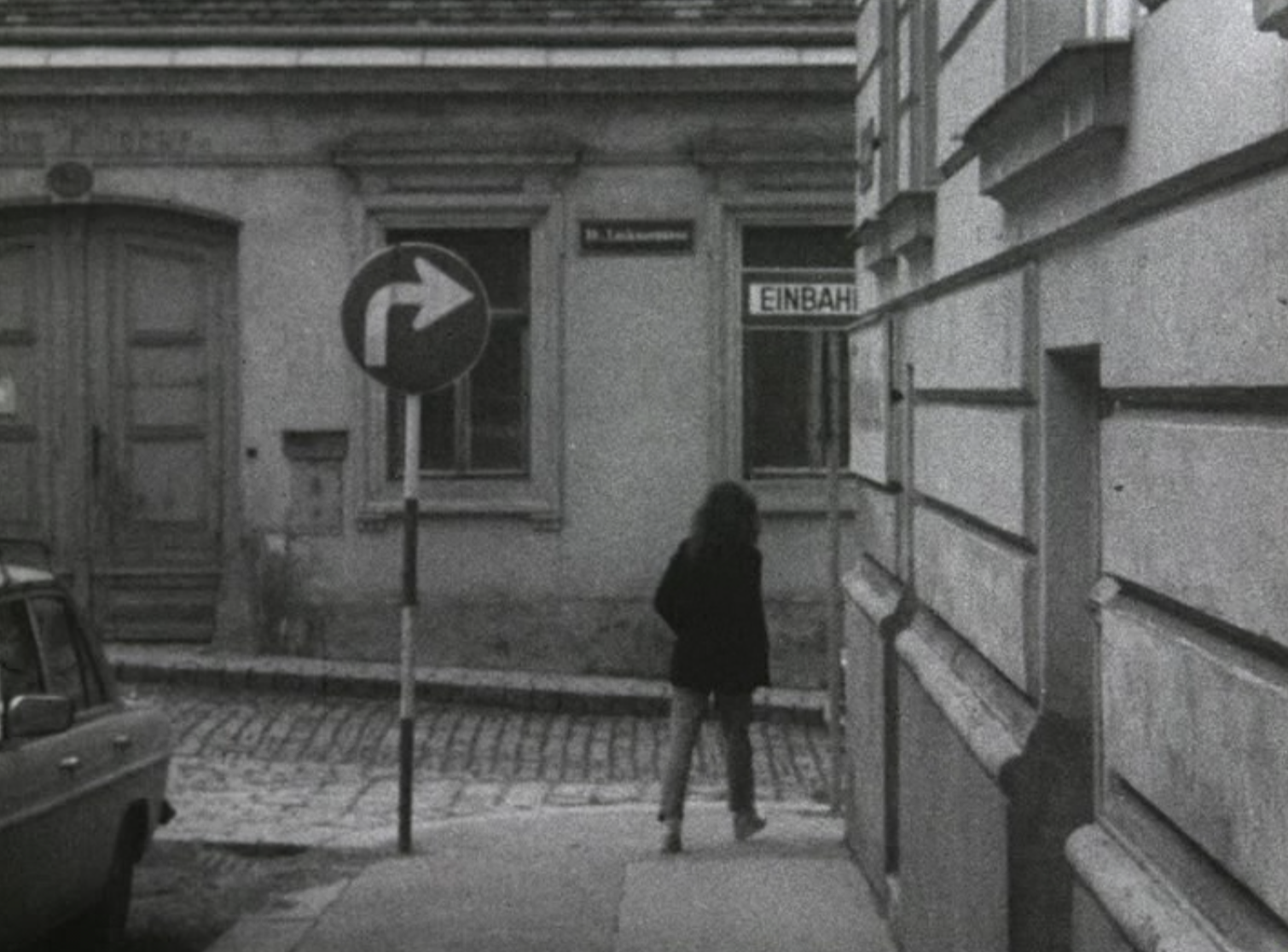
The project begins innocently enough. Two little girls draw and talk about photography, as if the film were briefly pausing to consider the act of looking before descending into its century-long excavation. Soon, Schmidt Jr. sends his camera wandering into the streets to locate the letters of his name. Thus, identity is something to be scavenged rather than inherited, pulled from signage, storefronts, and neglected typography. The artist reconstructs himself through urban residue, establishing an implicit kinship between detritus and personal (re)formation. Lumière footage from 1896 reminds us that Vienna’s filmed life began in the same mood of wonder that swept Europe. Yet here the vintage images register as a faint alarm, the first entries in an archive that will come to record both innocence and catastrophe, albeit in disproportionate amounts.

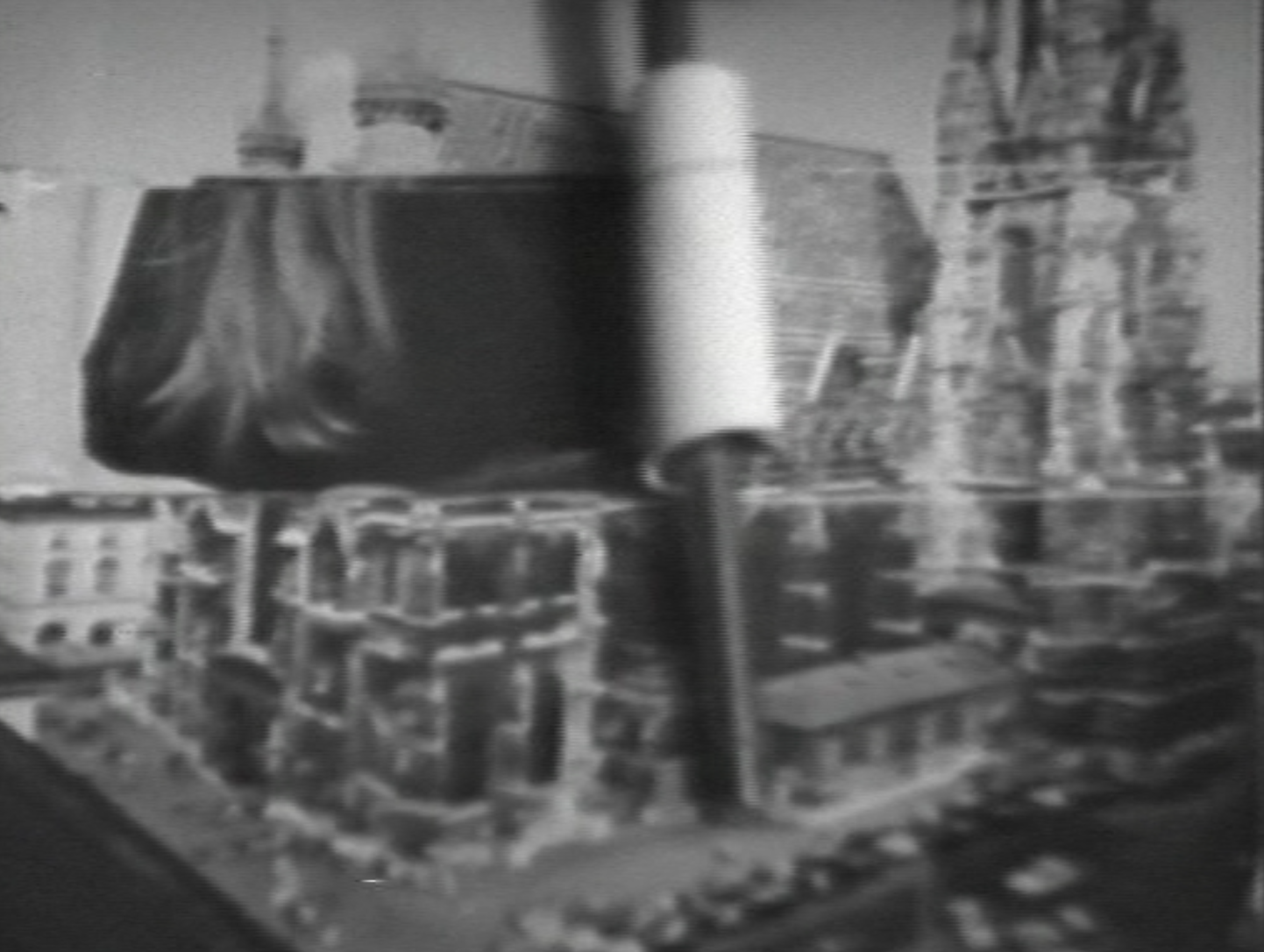
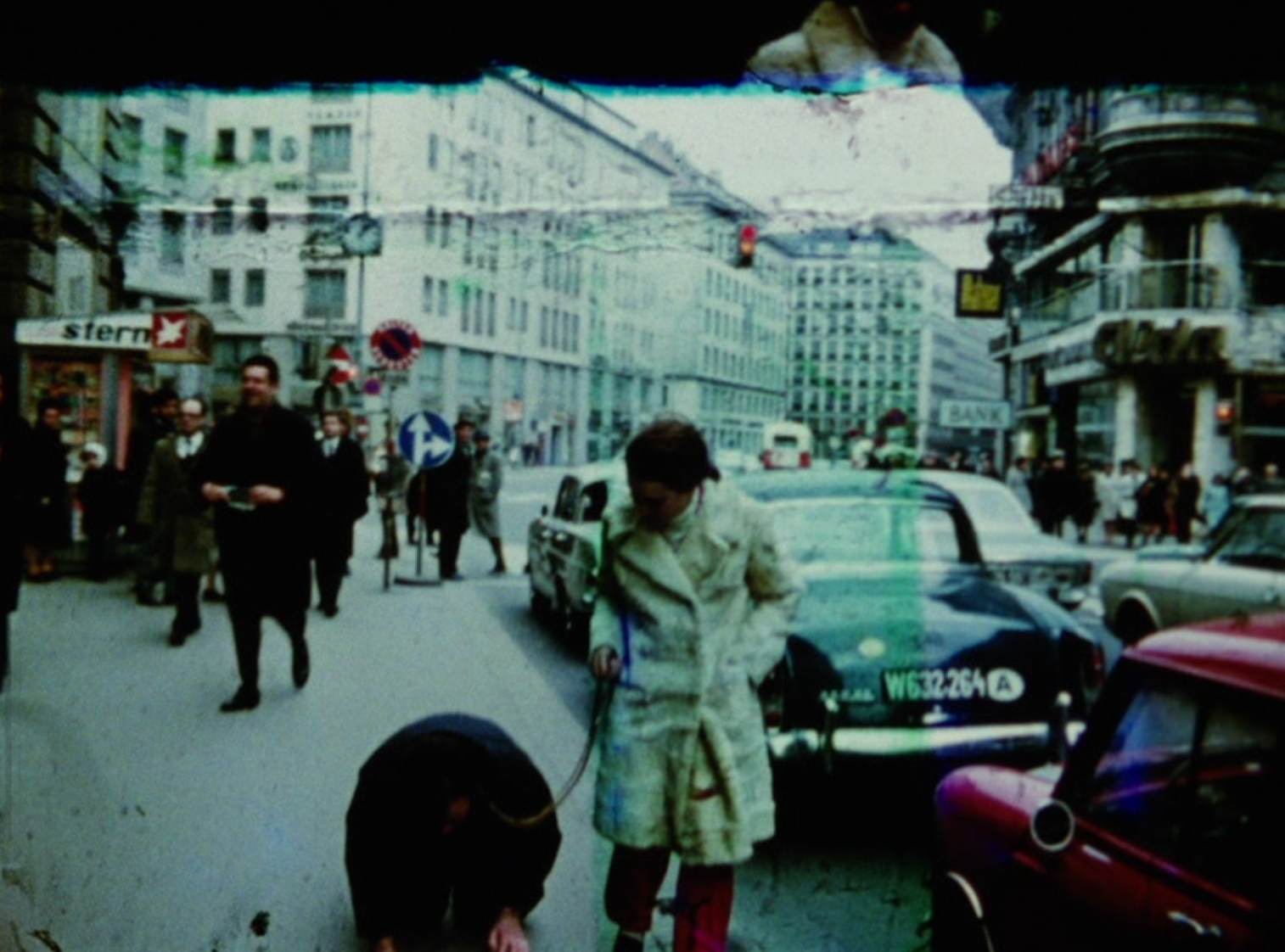
A montage of women walking follows, accompanied by a syrupy song about femininity. The sequence drifts uneasily between admiration and objectification, as if the soundtrack were trying to smooth over the very wounds it denies. And that’s when a Nazi parade cuts into frame, 1938 charging forth without commentary or warning. The simple adjacency of images does the work of showing how the bootmarks of the past can never be lifted from the present’s pavement. Peter Weibel appears interviewing passersby about who “owns” Vienna, a question that exposes civic pride as well as civic vacancy. Abandoned buildings and shuttered shops stand as ruins. Joe Berger’s remark, “You can be Viennese all over the world…just not in Vienna,” functions as a darkly comic proposition about belonging, exile, and the contradictory nature of borders.

When Chaplin arrives, mass adoration floods the screen. The crowds reveal a collective fervor that cinema alone seems able to provoke. Ecstatic public unity collides with the kitschy cheer of Wienerlieder, whose supposed affection grows sinister when paired with footage of marching columns, rubble, or muted political assemblies. Such sentimentality takes on a narcotic charge, a way of drowning out the psychic noise of its unresolved history. Freud drifts through as a spectral reference, less a person than a reminder that Vienna’s self-knowledge has always been bound to its neuroses. Dogmatic speeches rise and fall, promising clarity yet delivering only the musical rest of rhetoric. Actionists erupt briefly, warping from within. Ordinary people cross streets, ride trams, and enter buildings, each carrying a share of a saga that exceeds them.

As Wienfilm 1896-1976 nears its end, it no longer behaves like a documentary. It becomes a séance of stone. Schmidt Jr. summons imperial afterimages, post-war silences, and self-mythologizing refrains, letting their intercourse give way to an apparition built from incompatible truths. What remains is a portrait assembled from fragments that resist composition, vibrating with the discomfort of witnessing too much yet understanding too little. A city is not something to be summarized but confronted, piece by tactile piece, in all of its charm and violence, until a composite sketch is revealed that no one can fully bear to recognize as their own.

Peter Weibel: Körperaktionen Bodyworks 1967-2003 (INDEX 043)

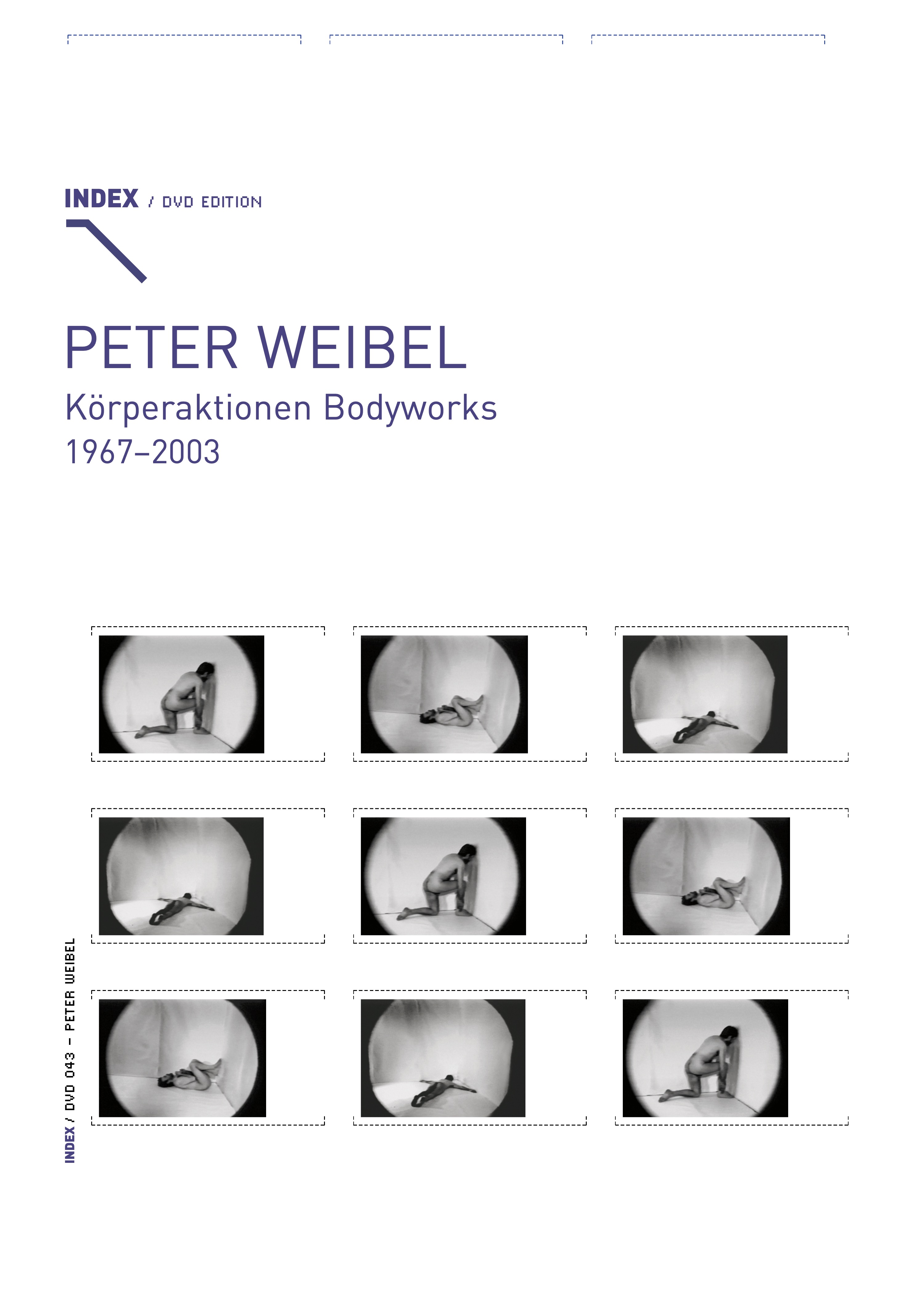
Peter Weibel’s Körperaktionen (Bodyworks) reveal him as the Actionist who refused the Actionists’ mythology. While others pushed inward toward abjection and self-wounding, Weibel turned outward toward media, politics, semiotics, and the body as a site where power writes its own grammar. His gestures are never self-contained eruptions. They are conceptual irritants that question whether an “action” is an event, an inscription, a perceptual trap, or an estrangement from social order. The body becomes the primary medium not because it grants access to primal truth but because it is the site where systems fray at the seams.

Lüstern

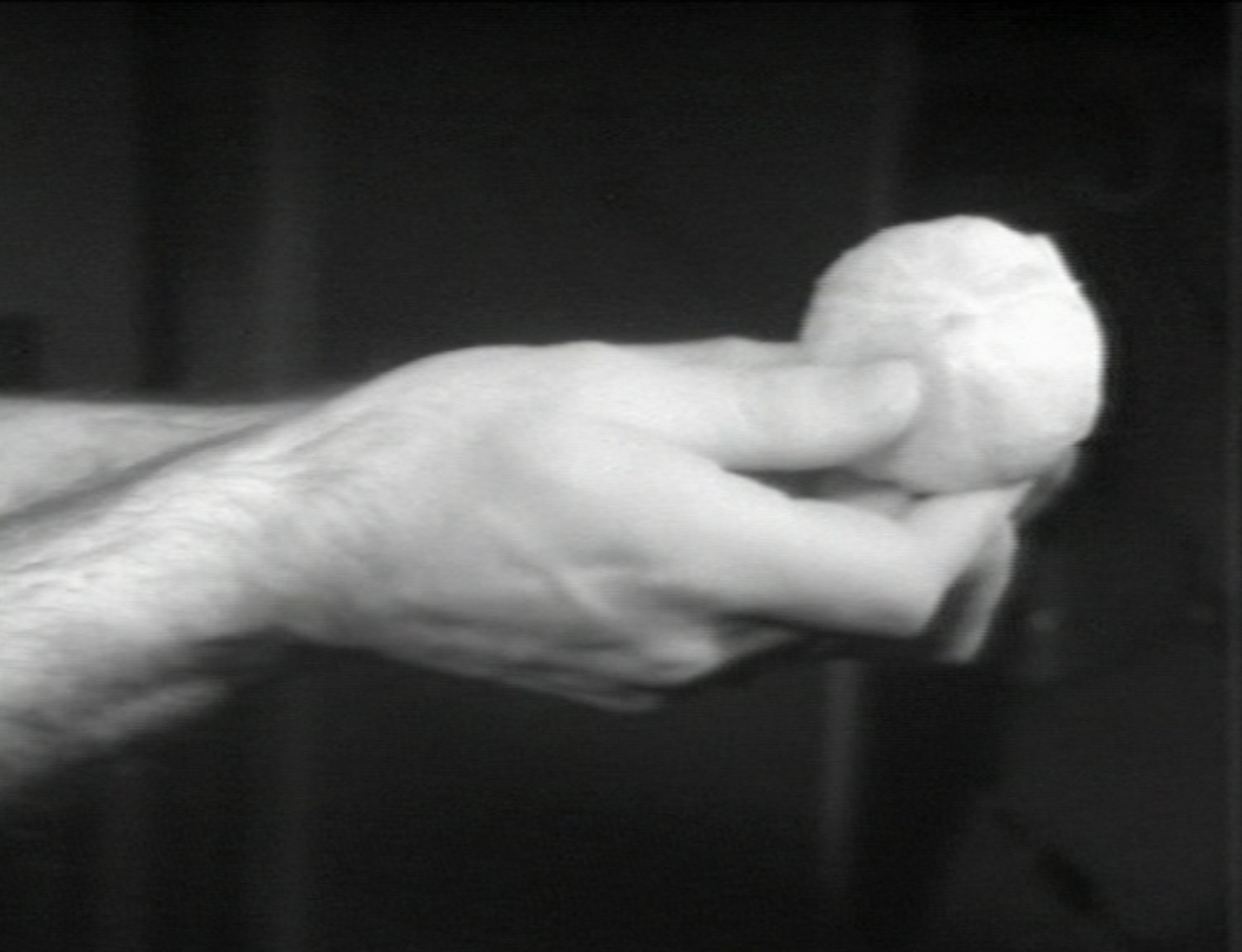
This appetite for estrangement is already present in Fingerprint (1968), which uses the film strip to produce sound, image, and a forensic poetics of identity. A print is an index of presence, a bureaucratic marker, a residue of control, and, finally, a reminder that the flesh leaves traces, whether we like it or not. Nüstern (Nostrils) and Lüstern (Lascivious) (both from 1969) push the close-up toward distortion until isolated members appear as media property rather than human attributes. A magnified nose, an eroticized massage revealed as nothing more than an orange, both dismantle the consumer industry’s habit of slicing us into marketable zones of sensation.

Das Recht mit Füßen treten

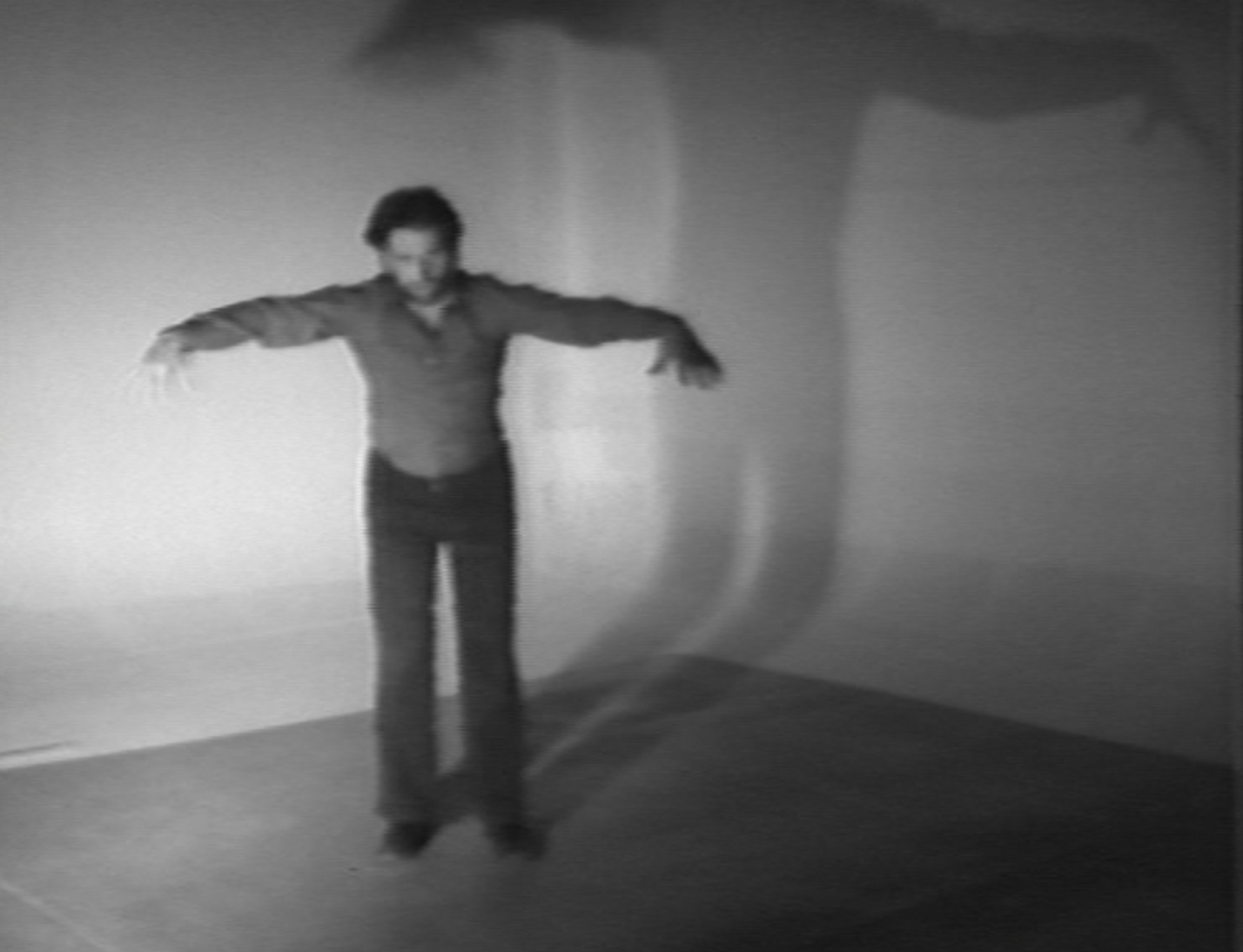
The Text films from 1974—AugentexteMundtextStirntext—literalize the notion that the body speaks. Yet the speech is stuttering, mechanical, self-consuming. The eye blinks words, the mouth utters “SCHEISSE” before swallowing it, the forehead writes until it throbs. Language contaminates skin and vice versa. In Das Recht mit Füßen treten (Trampling on Rights, 1967/68), museum visitors step on the word “recht” scattered across the floor in an unwitting political gait. Here, the act belongs to the public, hinting at what is perhaps Weibel’s most radical proposition: spectators are never neutral. Lösung der Phantasie (Solution of Fantasy, 1972) examines hair as a philosophical emblem, elegant when attached to the head and repulsive when shed, offering a small but potent meditation on beauty and decay sharing the same root.

Fluidum und Eigentum: Körperverhältnisse als Eigentumsmaße

Weibel often condenses his motifs of interest into crystalline forms. Wie hat sich aus den Fischen die Mathematik entwickelt? (How Did Mathematics Evolve From the Fish?, 1971) is a self-styled visual haiku centered on a typewritten iteration of “hand,” zooming until the word mutates into a pure visual pattern. Fluidum und Eigentum: Körperverhältnisse als Eigentumsmaße (Fluidum and Property: Body Relations as Measure of Property, 1971/72) examines the idea of property by asking at what scale ownership collapses: bread, chair, room, shadow. Each item passes through the body’s orbit of affordance and discards the illusion that possession is stable.

Kokain(e)

Such explorations of symbolic order continue in Grüß Gott (1967/72), where Weibel and Susanne Widl casually eat pretzel letters forming the titular greeting, turning Austrian piety into edible farce. Kokain(e) (1972) reveals a pornographic image hidden beneath a can of fish printed with St. Stephen’s Cathedral, suggesting that sacred and obscene imagery differ only by their packaging. His reconstruction of Duchamp’s Stoppages-étalon (1970/71) reenacts the dropping of a thread to show that randomness, not symmetry, is the geometry of modernity. Vulkanologie der Emotionen (Vulcanology of the Emotions, 1971/73) arranges bodily poses as geological layers of feeling, while whale-like moans push the human voice toward prelinguistic depths.

Venus im Pelz

Weibel’s inquiry into the politics of looking continues in Aktbesprechung oder Inverses Selbstporträt (Discussion of the Nude or Inverse Self-Portrait, 1975/76), which reverses the male gaze by showing male nudes through women’s descriptions. The men become mirrors without agency, their vulnerability revealed through shifting reactions. Switcher Sex (1972) overlays body parts into unstable configurations, turning gender into an assemblage that resists coherence. Venus im Pelz (Venus in Furs, 2003) uses morphing technology to blend centuries of painted Venuses into a single monstrous continuum, exposing the canon as an endlessly repeated, idealized submission. Vers und Vernunft (Rhyme and Reason, 1978) stages Weibel and Widl in a cage of television screens, grunting and breathing themselves into exhaustion until reason gives way to an animal rhythm. Zeitblut – Blutglocke (Timeblood – Bloodbell, 1972/79/83) completes this arc by spilling his own blood on national television. Through this action, every Austrian home was simultaneously filled with his life essence, as if the media had become a circulatory system carrying his interiority into the public domain.

Kunst und Revolution: Brandrede

Three films by Ernst Schmidt Jr., previously seen on INDEX 042, are also included among the selections curated on this DVD. Kunst und Revolution: Brandrede (Art and Revolution: Incendiary Speech, 1968) documents Weibel’s speech from his infamous June 7, 1968, performance at the University of Vienna. With one hand aflame, he quotes Lenin and Chernyshevsky in a powerful deconstruction of rhetoric. “The goal of the speech action,” he recalls, “was to inflame consciousness, to pass the flame of revolution and freedom to its listeners, and it was realized in the form of a body action.” Denkakt (1967) captures Weibel thinking aloud until the medium truncates his thought, proving that technological limits mediate cognition itself: “[F]ilmmaking meaning nothing other than the production, derivation of figures, events according to the possibilities of the formation film, for example with celluloid or the movie auditorium, screen, spectators.” The notorious Aus der Mappe der Hundigkeit (From the Portfolio of Doggedness, 1968/69), in which VALIE EXPORT walks Weibel as one would a dog, literalizes power inversion and makes the male body the site of disciplinary display. The title is a play on Aus der Mappe der Menschlichkeit (From the Portfolio of Humanity), a leaflet once distributed weekly by the Red Cross.

Across these projects, Weibel does not use the self to enact mysticism or sacrifice. He treats it as a contested field where authority, machinery, desire, and perception collide, and where every decision reveals the infrastructures attempting to constrict it. His Actions expose that the body, even in the absence of a camera, is already mediated by the lens of the human eye and that the screen is not a recording device but a palimpsest for sociopolitical fictions. Over decades, Weibel has pursued nothing less than a decolonization of the sensorium. He invites us to notice what we have been trained to ignore, to feel what we anesthetize, and to recognize how deeply the rules of visibility are written into these bags of bones we imagine as our own.

Ernst Schmidt Jr.: Stones & 20 Action and Destruction Films (INDEX 042)

Ernst Schmidt Jr. belongs to the incendiary second wave of the Austrian avant-garde that Peter Tscherkassky, in his liner notes, associates with transgression. By the same token, the force of Schmidt Jr.’s creations does not stem from crossing limits so much as eroding that very stubborn notion. His images resist symbolism at every turn. Rocks, scraps of emulsion, a curtain’s twitch, faces caught between expressions, even the jitter of spliced frames: all insist on their own existence before they signify anything at all. They become the raw elements of a practice that stitches itself together and tears itself apart in the same motion, revealing a paradox that has been the lifeblood of cinema since its inception. We try to liken filmmaking to cutting or pasting, to analogize its ruptures and assemblages to familiar actions, yet nothing quite matches the peculiar self-becoming of the strip itself. Celluloid behaves as if it possesses impulses of its own, and Schmidt Jr. is one of the few who ever allowed it to behave accordingly.

Steine

This sensibility is clear in Steine (Stones, 1964/65), ostensibly a documentary on sculptors in St. Margarethen but more accurately a study of the negotiation between labor and matter. The jazz score by Dieter Glawischnig and Ewald Oberleitner syncs with the staccato rhythms of chisels, while texts by Gunter Falk and Harald Seuter counterbalance the bemused commentary of passersby. A visitor admits that anyone capable of making something from stone “can’t be normal,” seemingly unaware that shaping stone is not domination over but a surrender to a material whose history predates the sculptor. Schmidt Jr.’s camera lunges, drifts, and waits until the quarry becomes a primordial studio where sculpture resembles an act of listening. Superimpositions remind us that stone contains layers and sediments, ghosts of earlier states in a syncopated duet between imagination and the ancestral depth of matter.

Schnippschnapp

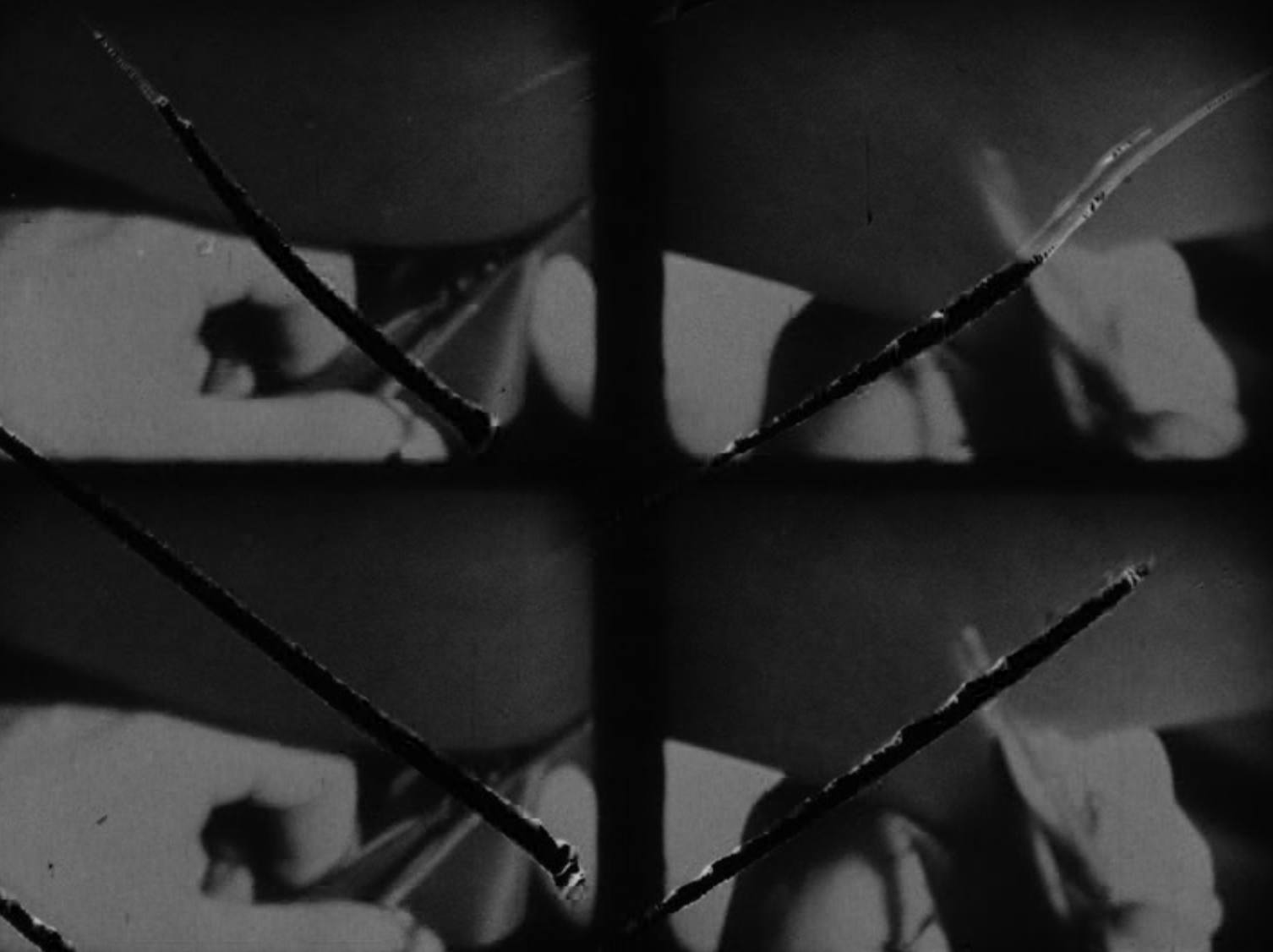
This principle expands in the 20 Aktions- und Destruktionsfilme 1965-1979 (20 Action and Destruction Films, 1965–1979), which treat attention, dismantling, and impulse as structural devices. Ja/Nein (Yes/No, 1968) positions a theater curtain as protagonist, converting a transitional object into an enigmatic presence that behaves independently of spectatorship. Weiß (White, 1968) reduces cinema to flickering circles that hang in midair as portals leading nowhere. Prost (Cheers, 1968) invites participation by challenging viewers to shout “Cheers!” when a line touches the frame, only to reveal how futile synchronized response becomes when the apparatus refuses cooperation. In Rotweißrot (Red-white-red, 1967), the Austrian flag is rendered as pure abstraction, perhaps the most honest way to depict an emblem too often leveraged for false unity. Schnippschnapp (Snip, 1968), made with Peter Weibel, uses scissors to slice the reel until the strip begins consuming itself, culminating in the absurd reduction of paper to its smallest fragment.

Eine Subgeschichte des Films

Reduction continues in Filmisches Alphabet (Film Alphabet, 1971), which compresses the entire medium into twenty-six frames, each a letter that becomes a cipher of visual genesis. Burgtheater (Imperial Theatre, 1970) drains sketches from a commemorative book of their theatrical grandeur, leaving them to hover between documentation and exorcism. Gesammelt von Wendy (Collected by Wendy, 1978/79) quietly records the debris of a party—photographs, stray video fragments, traces of interaction—until social life appears as an archaeology of residual presence. Yet Eine Subgeschichte des Films (A Subhistory of Film, 1974) may be Schmidt Jr.’s most spectral construction. Drawing images from the 1300-page encyclopedia of the same name by Schmidt Jr. and Hans Scheugl, it arranges them as an apparition. Moving through its catalogue feels like wandering a museum where history refuses to settle.

Gertrude Stein…

His portrait works sustain this sense of volatility. Denkakt (The Act of Thinking, 1968) captures Peter Weibel thinking aloud, treating thought itself as an unstable field. Mein Bergräbnis ein Erlebnis (My Funeral an Experience, 1977) and 12 Uhr Mittags (High Noon, 1977) modulate tempo and expression until faces mutate into shifting topographies. The Merry Widow (1977) converts expression into something uncanny and grotesque. Sara Suranyi’s features flutter into new registers, showing how emotion never coalesces into a fixed state. Gertrude Stein hätte Chaplin gerne in einem Film gesehn, in dem dieser nichts anderes zu tun hätte, als eine Straße entlang und dann um eine Ecke zu gehen, darauf die nächste Ecke zu umwandern und so weiter von Ecke zu Ecke (Gertrude Stein would have liked to have seen Chaplin in a film where he would have nothing other to do than walk on the street and then go around a corner, and then around the next corner, etc. from corner to corner, 1979) literalizes Stein’s fascination with repetitive motion as a woman walks corner to corner until a staircase interrupts her circuit.

Einszweidrei

Schmidt Jr.’s more extreme explorations, including N (1978), which documents Hermann Nitsch’s actions, and Kunst & Revolution (Art & Revolution, 1968), plunge into spaces where ritual, violence, and provocation collide. The latter film features a group Action by Otto Mühl, Günter Brus, Peter Weibel, and Oswald Wiener, plus a disguised stranger for good measure. Their taboo interactions, performed on an Austrian national flag on June 7, 1968, at the University of Vienna, would lead to three arrests and the ousting of the Viennese Actions from the city. Bodybuilding (1965/66) and Einszweidrei (Onetwothree, 1965-68) inhabit the Actionist milieu with both fascination and critique, letting the body become instrument and message while Dixieland music and dissonant voices form a carnival of collapse. (VALIE EXPORT walking Weibel like a dog is an especially memorable highlight.) These are not documents but exposures, the camera registering cultural nerve endings without mediation.

Filmreste

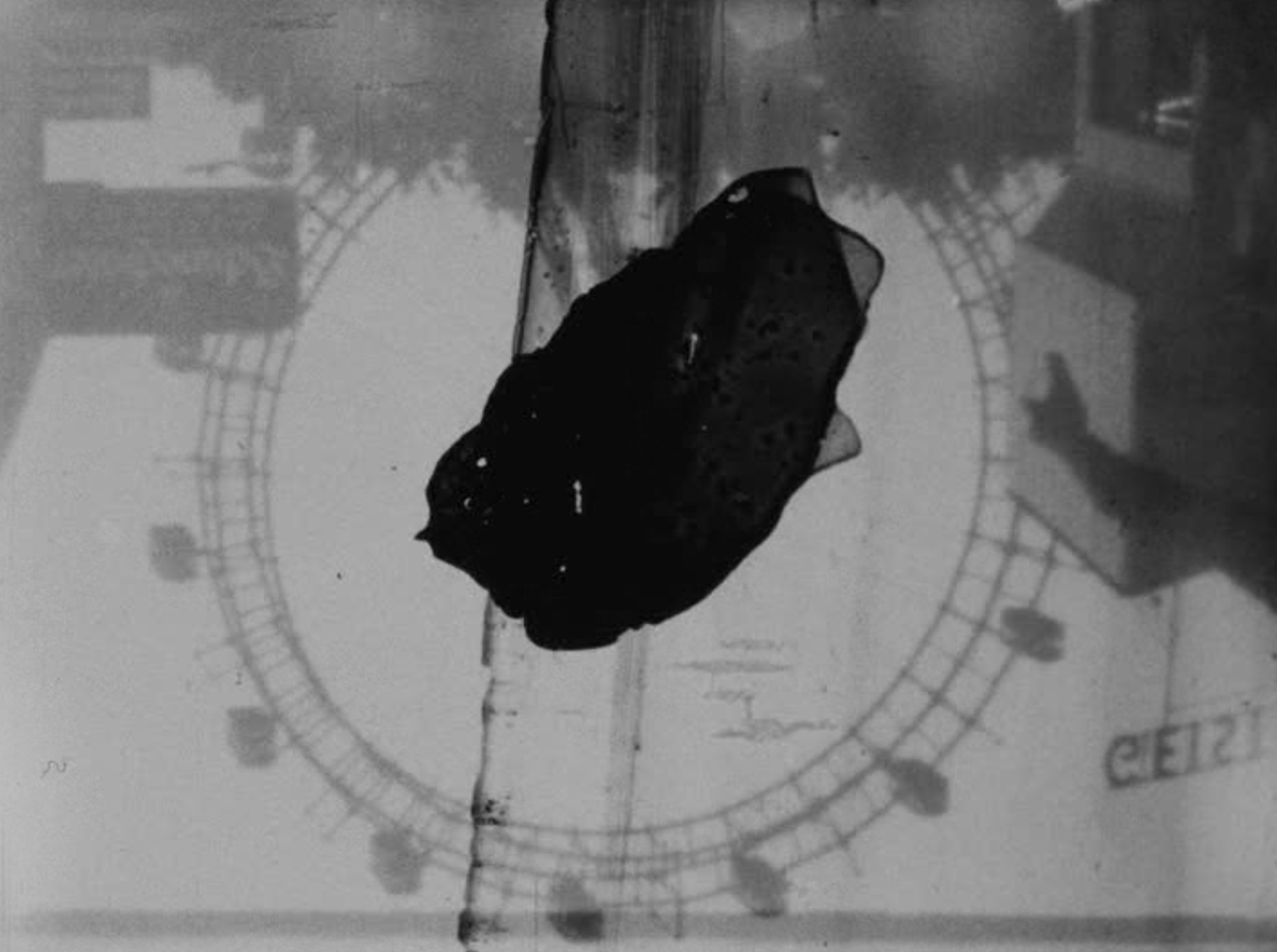
In Filmreste (Film Scraps, 1966), his philosophy condenses into a single gesture: scraps arranged into a mosaic where smears, gospel phrases, bumper cars, lovers, city fragments, and bursts of color create a vitality that feels mischievous and irreducible. With this film, says Tscherkassky, “Schmidt Jr. reduces the base and emulsion of film to its status as material, film as a physical object.” Farbfilm (Color Film, 1967) names colors over blinking fields of hue yet never finds “blue,” as if the spectrum itself were resisting resolution.

Across these works, Schmidt Jr. remains focused on matter, vibration, interruption, and impulse. Representation defers to sheer presence. Accidents, ruptures, and material insistence generate the energy that drives the images. In treating the medium at its most elemental, he confirms a deep avant-garde intuition: that cinema is not a window onto the world but a substance within it and that its vitality is inseparable from the matter of which it is composed.

VISIONary: Contemporary Short Documentaries and Experimental Films from Austria (INDEX 034)

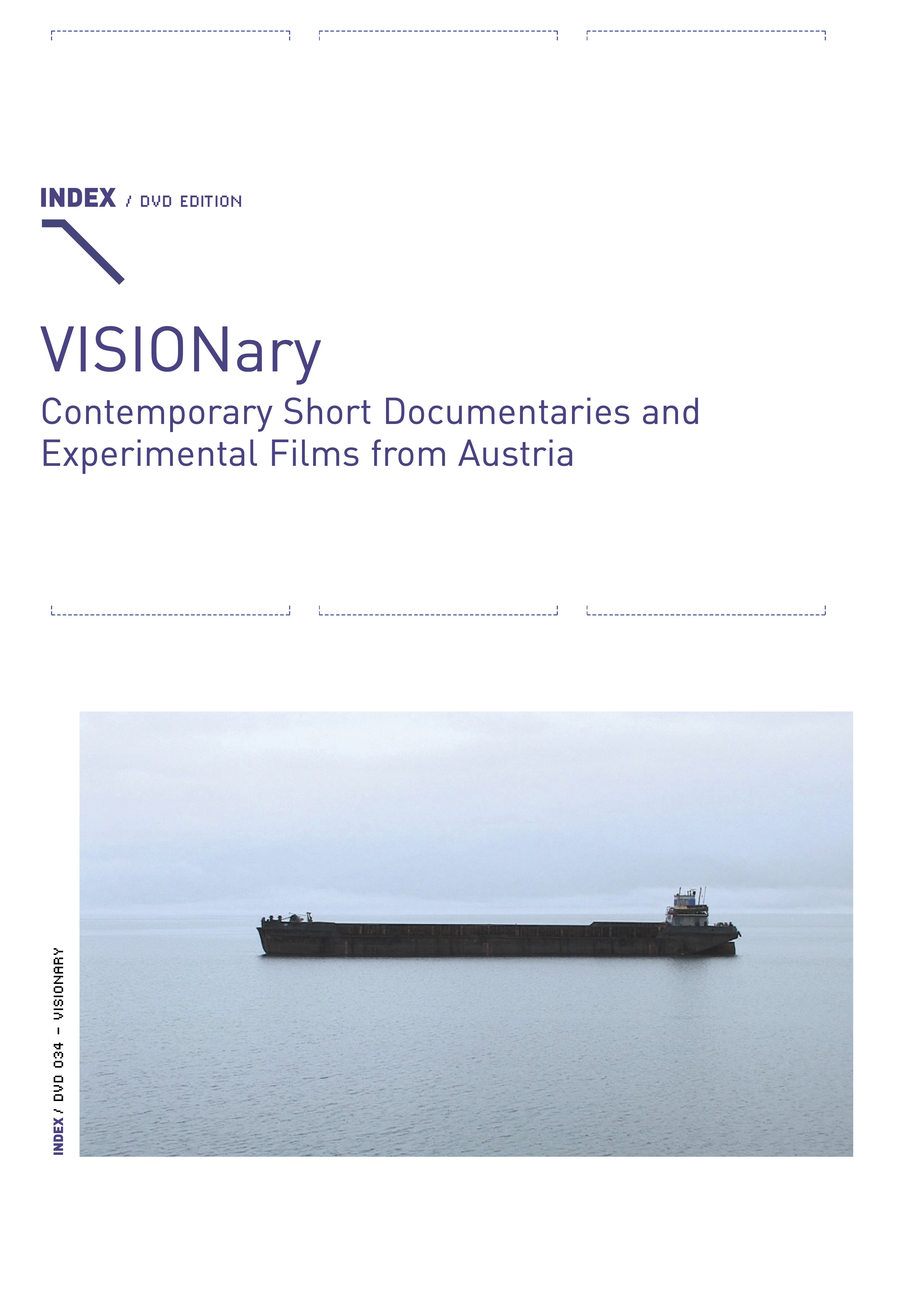
VISIONary, the first two-disc anthology to make an appearance on the INDEX imprint, unfolds as a cartography of attention, an attempt to map the outer zones where Austrian documentary and experimental cinema probe the limits of seeing in the early 21st century. Curated by Michael Loebenstein and Norbert Pfaffenbichler, the set demonstrates how short-form filmmaking can bear witness to urgencies and absences, to architectures of power and of memory, to the world as lived and as imagined. How might images carry experience without embalming it, and how might sound reveal structures that narrative alone refuses to name?

Marine und Sascha, Kohleschiffer

Disc 1 begins by grounding these inquiries in the raw textures of endurance, displacement, and historical rupture. Ivette Löcker’s Marine und Sascha, Kohleschiffer (Marina and Sasha, Coal Shippers, 2008) introduces Lake Baikal’s frozen expanse as a site where labor and longing intermingle. Marina and Sasha wait for the ice to break so they can resume the work that both sustains and confines them. Their conversations drift between dreams and aphorisms, between faith in work and the sense that waiting for God and waiting for employment follow the same spiritual logic. Löcker’s camera listens as their voices echo across a landscape that offers neither comfort nor judgment. When Marina later writes that she and Sasha have left their profession, it resonates with the quiet force of two lives liberated from the time loop that once defined them.

Frauentag

Johannes Holzhausen’s Frauentag (Woman’s Day, 2008) turns from Siberia to the borderlands between Bavaria and the Czech Republic, revealing another kind of stasis. The border becomes a scar that is visible on maps yet continually reopens within remembrance. Through stories of displaced Germans, of lovers separated by territorial chess, and of families caught in the churn of postwar geopolitics, identity becomes a negotiation between inherited pasts and future uncertainties. August 15, Assumption Day, emerges as a memorial in which the land sponges the trauma that language often avoids. What might appear to be a minor observance serves as a reminder of our selective daily amnesia.

Eines Tages, nachts…

Moral clarity rings forth in Maria Arlamovsky’s Eines Tages, nachts… (A White Substance, 2008). A decade after the First Congo War, survivors speak on rape as a tactic of coercion, even as perpetrators offer evasions, officials shift responsibility, and UN peacekeepers are exposed as yet another predatory force. Lush landscapes collide with testimony that reveals the gulf between surface beauty and lived horror. As doctors describe children violated beyond comprehension, and how those treating them become collateral victims of their trauma, the film refuses to resolve such disorder, holding the viewer in a space where no disclosure can redeem the damage and no political rhetoric can soften its weight.

The disc closes with Klub Zwei’s Phaidon – Verlage im Exil (Phaidon – Publishers in Exile, 2007), which widens the frame to consider diaspora, cultural loss, and the ungraspable residue of ostracism. The story of Phaidon Press, founded in Vienna and driven into exile under National Socialism, becomes a parable of what happens when a country expels its intellectuals and artists. As Karin Gludovatz observes, “Phaidon is an example of the loss of people and of cultural resources that cannot be replaced through ‘reparations’—the voids Austria and Germany caused by National Socialism that must be made apparent.” Thus, the ruins of political upheaval are delineated as broken altars of restoration.

NightStill

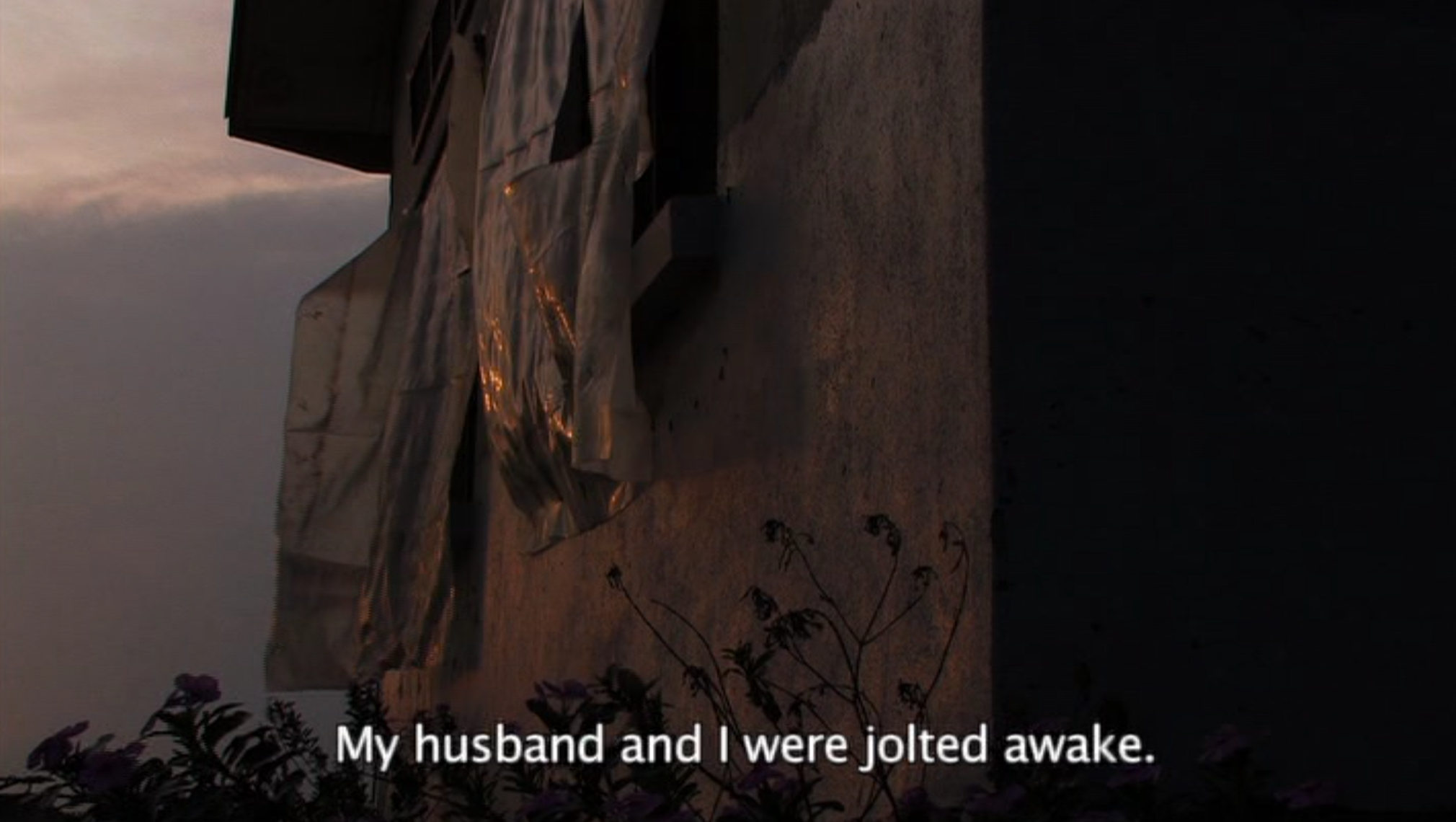
Disc 2 offers some escape through abstraction. Michaela Schwentner’s la petite illusion (2006) opens with a cubist shattering of intimacy, portraying a couple through splintered interactions. In contrast, Elke Groen’s NightStill (2007) slows perception to a near-halt within the Dachstein mountains, where light and fog breathe through the landscape, and an electronic hum signals the presence of time itself. Unlike the work of Dariusz Kowalski, to which it might be compared, it has no feeling of menace but of a comforting progression that moves without intervention.

Minot, North Dakota

These shifts in tempo lay the groundwork for Angelika Brudniak and Cynthia Madansky’s Minot, North Dakota (2008), a study of a town sitting above 150 nuclear missiles once built to attack the Russians but which now lay slumbering beneath it. Children’s voices, testimonies from Air Force personnel, and the blank gaze of surveillance cameras mesh in quiet negotiation with catastrophe. The wonderful soundtrack from Zeena Parkins adds an unsettling undercurrent.

In the Mix

Jan Machacek’s In the Mix (2008) offers kinetic release, attaching a camera to a blender so the room becomes a spinning environment through which a dancer moves in playful resistance. The experiment pivots sharply into Siegfried Fruhauf’s Night Sweat (2007), a concentration on dread through lunar silhouettes and throbbing tones, evoking cosmic terror. Dietmar Offenhuber’s paths of g (2006) transforms Stanley Kubrick’s Paths of Glory into pure geometry, maintaining the original sound while turning the tracking shot into a bare-motion trace. War is reduced to a choreography of pixels stripped (but not robbed) of their humanity.

Borgate

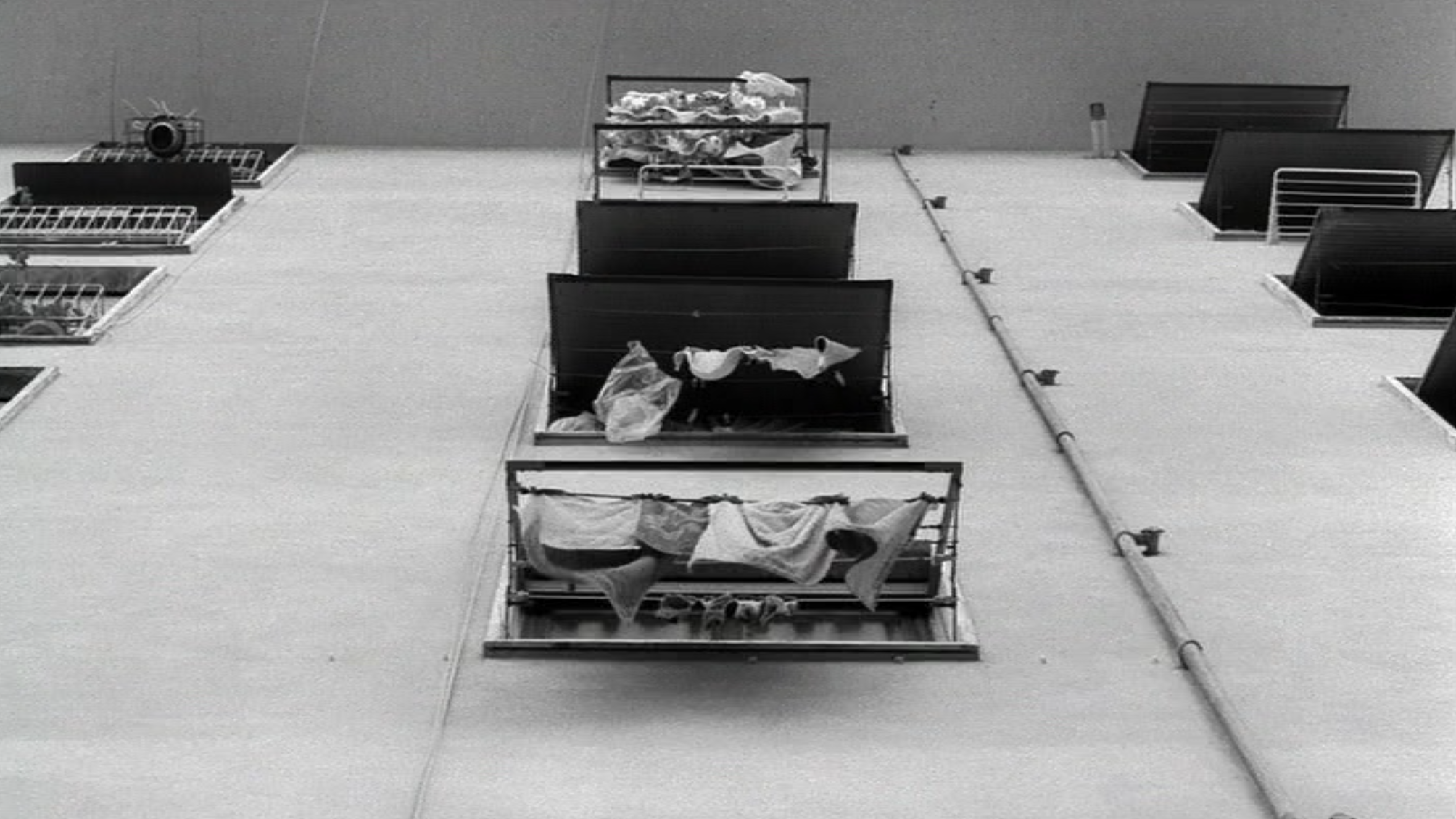
Lotte Schreiber’s Borgate (2008) turns its attention to modernist Italian housing projects now stranded in their own saga. Fascist architecture, appropriated dialogue from Fellini and Pasolini, and crumbling structures combine into a palimpsest of utopian failure. billy roisz’s not still (2008) cuts across the grain with audiovisual glitch in a battle between screens and faces before Josef Dabernig and Isabella Hollauf’s Aquarena (2007) shifts the mode of inquiry toward infrastructure, revealing water systems as choreographies of law, design, and hidden logic. Michaela Grill and Martin Siewert’s cityscapes (2007) refashion archival photographs of Vienna into trembling proto-memories, suggesting that cities sustain themselves in glimpses, not foundations.

visibility of interim~

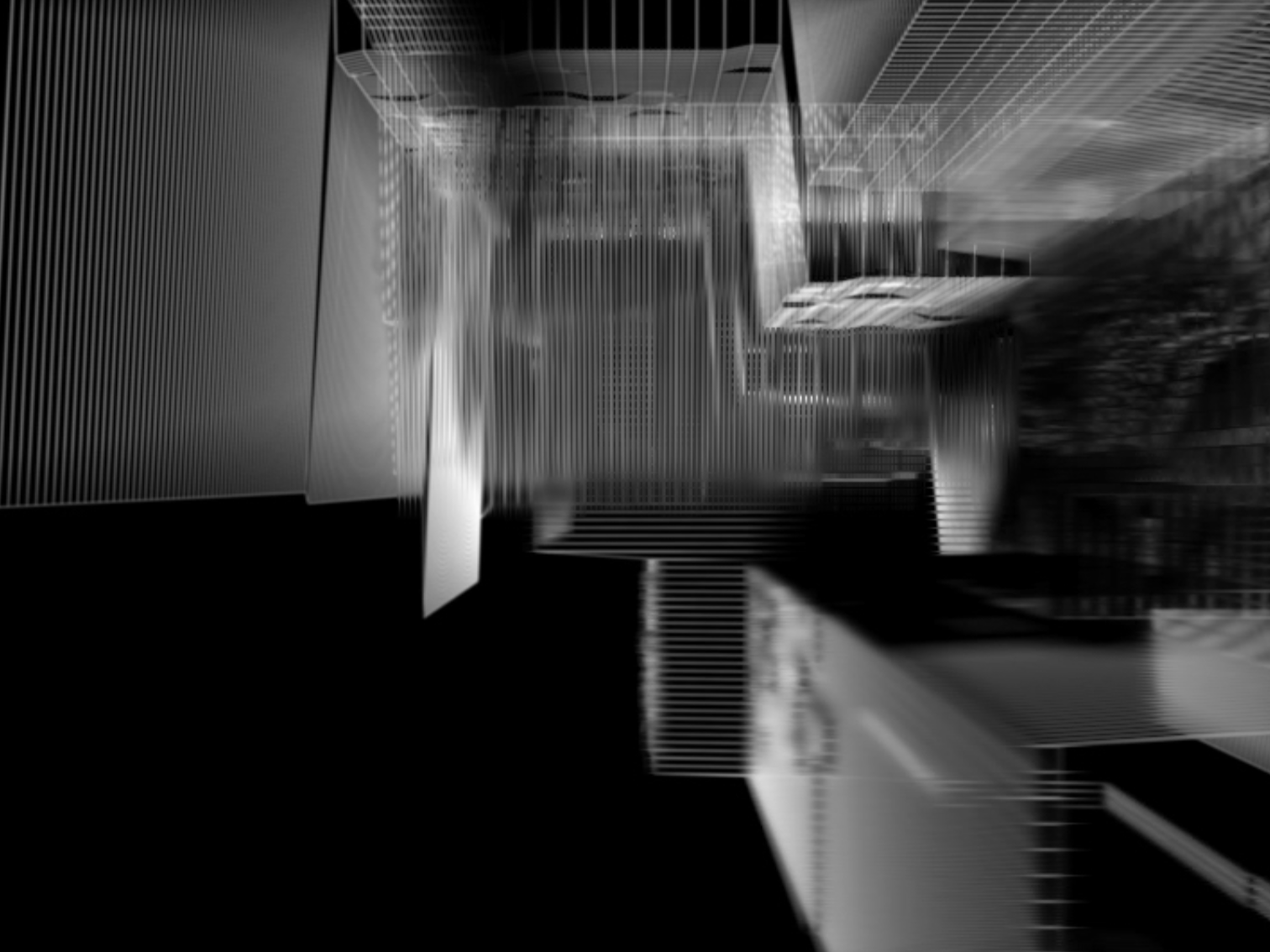
dextro’s 43 (2008) continues this interrogation of form by generating algorithmic white shapes that feel both biological and digital. Martin Bruch and Reinhilde Condin’s home.movie (2008) contrasts with deep intimacy as a camera travels along a track system designed by Bruch for his own mobility. Manuel Knapp’s visibility of interim~ (2007) conjures wireframe architectures that arise and collapse in the same breath, and Barbara Doser’s evolverevolve 01 (2008) concludes the anthology with pulsing neon synaesthesia where light and color find consonance in a kind of primordial signal.

Taken together, the works in VISIONary reveal cinema as a way of diving into the waves of experience. The documentary films remind us that truth is always situated within structures that sustain or wound. The experimental films remind us that vision itself is an invention, a means of producing what reality alone cannot yield. Through both modalities, portraits come to matter not because they are accurate but because they allow the visible to resonate with what we cannot see. In this sense, the anthology lives up to its name, offering not merely a record of the world but a proposition for how it might be perceived anew.

As She Likes It: Female Performance Art from Austria (INDEX 023)

As She Likes It: Female Performance Art from Austria gathers a constellation of works that respond—sometimes gently, sometimes ferociously—to the long shadow of Viennese Actionism, a movement historically dominated by men and their bodies. Here, however, women reclaim the camera, the gesture, the wound, and the joke. The title insists that these artists act not in reaction to but in accordance with interior tempos. Their works are by turns tender, wickedly funny, uncomfortable, ecstatic, pathos-ridden, furious, and quiet. And in their variety, they refuse the narrowness of being “women artists.” They are simply those who take the body as a proving ground and who understand performance as a way of thinking through.

Maria Lassnig and Hubert Sielecki open the compilation with Maria Lassnig Kantate (1992), a jubilant elegy to self sung at age 73. Lassnig dresses herself in religious, painterly, and folkloric symbols, parading them in front of her own paintings while Sielecki’s hurdy-gurdy churns with medieval charm. She compresses her life into stanzas: violent parents, nuns at school, battling with beauty standards, the struggle for artistic legitimacy. “I painted far better than any man,” she proclaims, and she does so not with resentment but with the grin of someone who has finally learned to embrace her own stubbornness. Her lovers betray her, Paris confuses her, America liberates her, Vienna calls her home: notes composing a symphony in the key of play.

Miriam Bajtala’s Im Leo (2003) burns the eye rather than the ego. A woman stands in a doorway, tilting a mirror so sunlight lashes the camera. Each flare triggers a short electronic beep, like a Morse code sent by the sun. The act is simple but devastating: the woman, refusing visibility, weaponizes reflection. She makes herself illegible by blinding the apparatus meant to record her.

Carola Dertnig makes two appearances. Strangers (2003) stages a chain of embarrassments as a passenger disembarks from a train only to discover that a man’s shoe has trapped a strip of red cloth emerging from her pants. As she walks, it stretches across the station like a lifeline or a humiliating tether. The absurdity recalls Karl Valentin and Liesl Karlstadt’s titular 1940 performance, suggesting that embarrassment is universal—even communal—but always gendered in its consequences.

In byketrouble (1998), from her slapstick series True Stories, a woman tries repeatedly to enter and exit an elevator with a bicycle. Each attempt compounds the farce. A businessman intervenes with civility that only makes the scene more excruciating. Dertnig exposes the fragility of female public presence—the fear of being in the way, the desire to disappear.

Kerstin Cmelka’s Neurodermitis (1998) offers intimacy that feels illicit. The artist applies cortisone salve to her eczema while the camera watches impassively. Voyeurism is found not in what is shown but in how long the viewer must sit with it.

Barbara Musil and Karo Szmit respond to pain with the joy of SW–NÖ 04 (2004), a highlight. The two artists wander through the Austrian village of Reinsberg, stepping into postcard-like paintings, stealing a snack from a farm, picnicking, and playfully resisting the distance that tourism usually demands. When a man films them, their battery dies, as if the camera itself refuses to cooperate with the picturesque.

Ulrike Müller’s Mock Rock (2004) finds the artist on a stone mound in Queens, singing, “I am a rock, I am an island…” Müller echoes VALIE EXPORT, affixing herself to the rock as a geological artifact left behind in an urban environment of speed and noise.

Fiona Rukschcio’s schminki 1, 2 + 3 (1998) documents the construction of the feminine face—foundation, lipstick, eyelash curler—interrupted by jump cuts and sound skips. The film ends with a handful of pills and a yawn in a curtain call of exasperation.

The centerpiece of the compilation is Legal Errorist (2004) by Mara Mattuschka and choreographer Chris Haring. It is also one of the most astonishing works in the INDEX catalog. Stephanie Cumming elicits a trance-like disintegration of language and body. She echoes banal conversations, but every phrase catches in her throat. Her limbs jerk as if fighting against the grammar of being gazed upon. She sings “Close to You” with eerie clarity—her one slip into fluency, borrowed from the heterosexual fantasy machine. She speaks of aging, rejection, and the broken machinery of romance. At one point, she stares straight into the camera and says, “What? See?” before thrusting her body toward the lens. “Can you see me?” she reiterates, less a plea than an accusation. The film ends with her receding into darkness, leaving behind the echo of a figure refusing to be reduced.

Finally, Michaela Pöschl’s Der Schlaf der Vernunft (The Sleep of Reason, 1999) is almost unbearable: a single shot of the artist’s face while she is whipped for 14 minutes off camera until she faints. The film is not about pain but about endurance under the pressure of the world’s unseen blows.

The bonus tracks offer various self-presentations, including an unforgettable performance by Mattuschka as “Queen of the Night,” but the compilation as a whole forms the truest chorus in its feminist counter-archive. By shifting its axis inward, it recontextualizes pain beyond the reach of systems that profit from female silence.

Sonic Fiction: Synaesthetic Videos from Austria (INDEX 014)

Sonic Fiction presents a cross-section of Austrian audiovisual experimentation at the turn of the 21st century. It emerges from Vienna’s fertile avant-garde electronic music scene, a milieu where glitch, microsound, live electronics, and improvisation shaped not only what artists heard but how they learned to see. These works do not illustrate music. They poke holes in hierarchies of the cinematic, creating what Christian Höller calls a “sound/image coagulation,” a convergence so intimate that neither medium precedes the other. Perception acts as the substrate across which their interaction unfolds.

In this collection, the early digital moment is not approached as emancipation from materiality but as its reconfiguration. Image becomes particulate, granular, and flickering; sound is subjected to a sculptural pressure. These videos share a fascination with reduction and abstraction, yet each arrives there through different processes, including algorithmic play, photographic reprocessing, digital mutation, and the reanimation of everyday materials. The result is a corpus that privileges meditation over spectacle. The cumulative effect is an ecology of cohabitation experiments.

Lia’s hardVideo/G.S.I.L. XIX (2003), with sound by @c, stages this microtemporal sensibility with particular clarity. On dense black grounds, geometric shards loop through cycles of emergence and self-erasure, as if devouring the traces of their own movement. Their fallibility arises from the same molecular field as the sound itself. The piece evokes a logic of survival in hostile terrain—shapes feeding on their own remnants—even as musicality softens its austerity. Erosion as lullaby.

This fascination with elemental processes continues in neon (2003) by Nik Thoenen and Timo Novotny, with Wolfgang Schloegl’s droning soundscape merging into the photographic traces of fluorescent tubes. Filmed installations offer a study of gases igniting and fading, captured on Super 8 at various speeds. The visual beats feel both corporeal and machinic, as though watching electricity remember its birth. A potential industrial detritus transforms into a quiet riff on activation and aftermath.

The shadows of Micaela Grill and Martin Siewert’s trans (2003) imply trees or architecture without ever resolving into legible forms. The viewer is suspended between recognition and disorientation. Siewert’s restrained but incisive soundtrack anchors the images while refusing to explain them, creating a delicate balance between clarity and dissolution. What we are left with is a threshold between the coherent and the barely remembered.

In Thomas Aigelsreiter’s Key West (2002), with sound by Rudi Aigelsreiter, sun-soaked beach footage offers a surface where utopia frays. Vrääth Öhner notes the “persistent fascination of images long succumbed to sound reasoning,” and the video stages this tension of cheerful scenes made uncanny by drones and distortions. The idyllic vision curdles into something fantastic and quietly menacing. Beauty glimmers, then trembles. A Lynchian undertone seeps through the brightness.

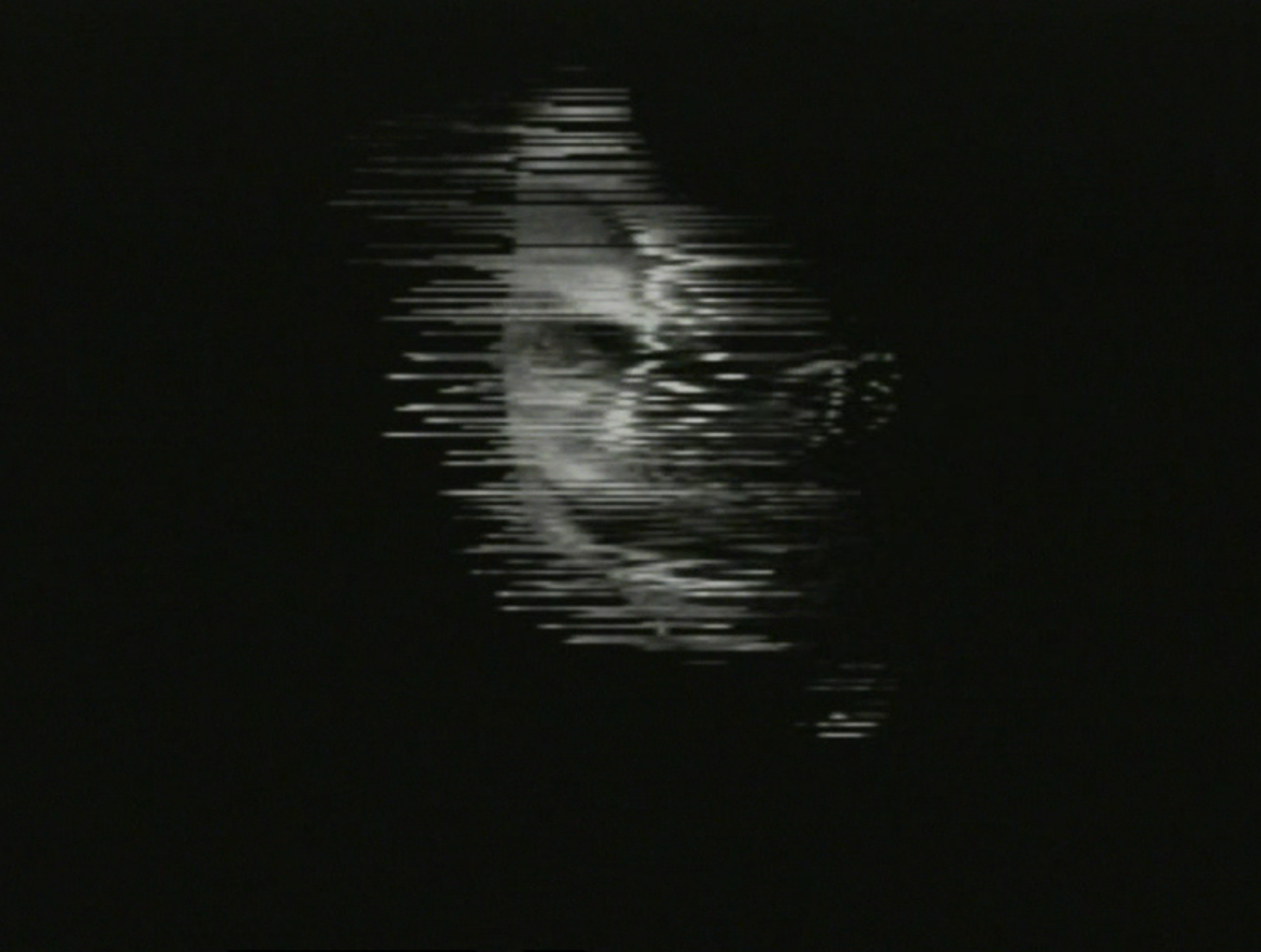
Didi Bruckmayr and Michael Strohmann’s ich bin traurig (i am sad) (2004), with sound by F*ckhead, approaches perception from the inside out. A face mutates through 3D software, unable to settle into a legible expression. Sadness appears as an unstable artifact—never captured, always sliding into new contortions. Subjectivity is fluid, vulnerable to the software’s restless grammar.

Karø Goldt’s falcon (2003), with sound by Rashim, begins with a photograph of a Falcon aircraft but pushes it through waves of chromatic transformation. Garish colors flood the contours until the aircraft lays a field of shifting gradients. Power and mobility dissolve into pure chromatic excess. Each retains a ghostly hint of its origin, but the meaning leaks away, replaced by color in motion.

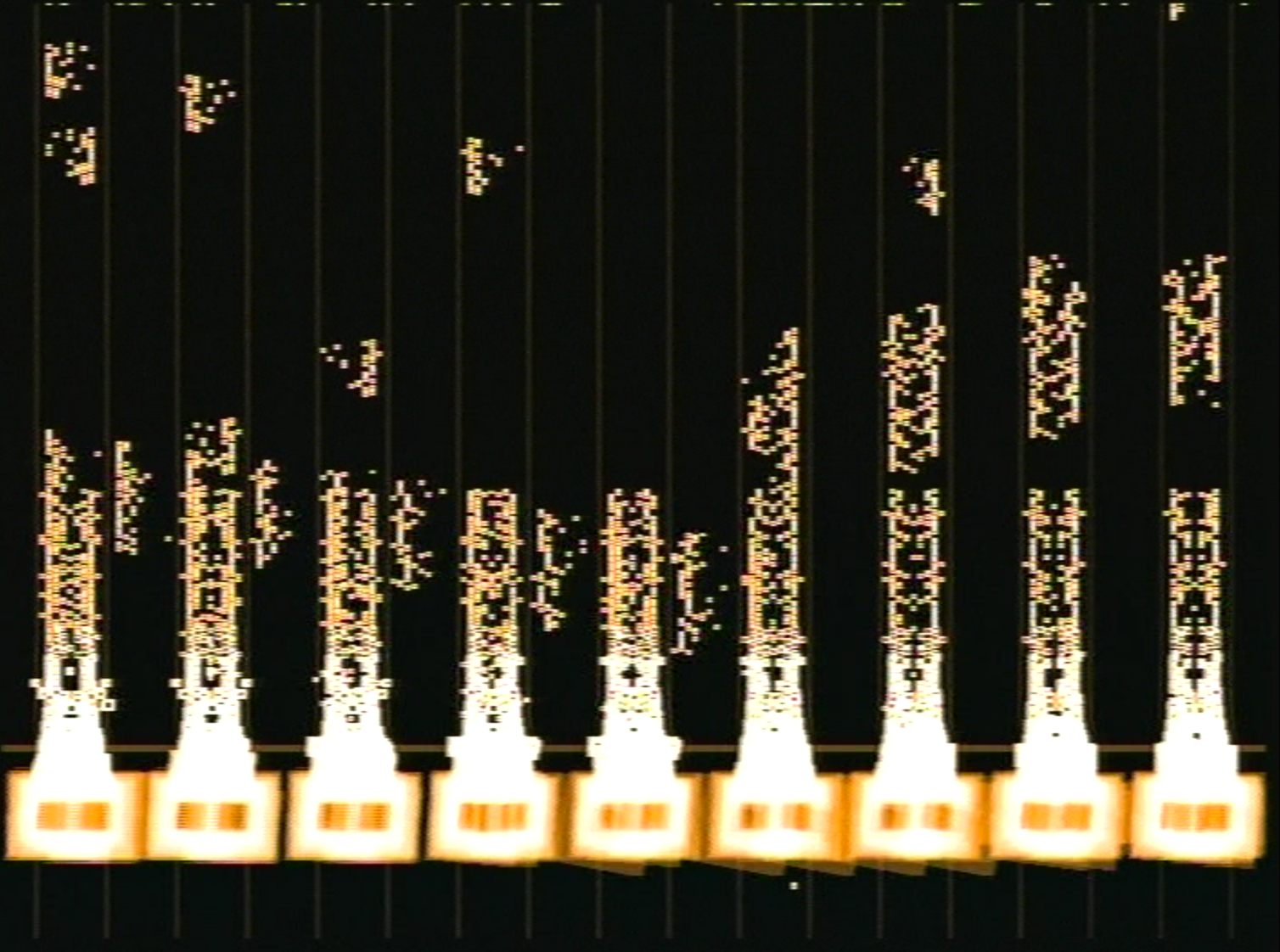
Billy Roisz’s blinq (2002), with contributions from ten musicians (Burkhard Stangl, Akoasma, Boris Hauf, Dieb13, Sachiko M., Martin Siewert, Christof Kurzmann, Toshimaru Nakamura, Werner Dafeldecker, and el), enacts synaesthesia in structural terms. Roisz translates sound files into visual miniatures. The result is a series of geometries that behave not as illustrations but as co-generated events, coalescing into one of the collection’s most conceptually integrated works. In this small chamber, signals revel in each other’s oxygen deprivation.

In cubica (2002), m.ash and sound artist Chris Janka harness the logic of the classic game Snake, unleashing an autonomous cube-snake system that draws paths through three-dimensional space. The music, recalling the resonant intensities of Zbigniew Karkowski or Z’EV, complements the algorithmic wanderings beautifully.

[n:ja]’s frame (2002), with sound by Radian, turns travel into drift. The work resembles the view from a car window moving through a world of processed lights and blurred structures. The soundtrack’s precision shapes the journey as motion without arrival.

Siegfried A. Fruhauf’s SUN (2003), with Attwenger’s sound, dismantles our nearest star through static shots and associative montage. The sun appears green, stripped of expectation. Isabella Reicher describes the effect as “looking the sun in the eye.” The piece constitutes a folk abstraction, a playful yet uncanny engagement with an object that resists representation.

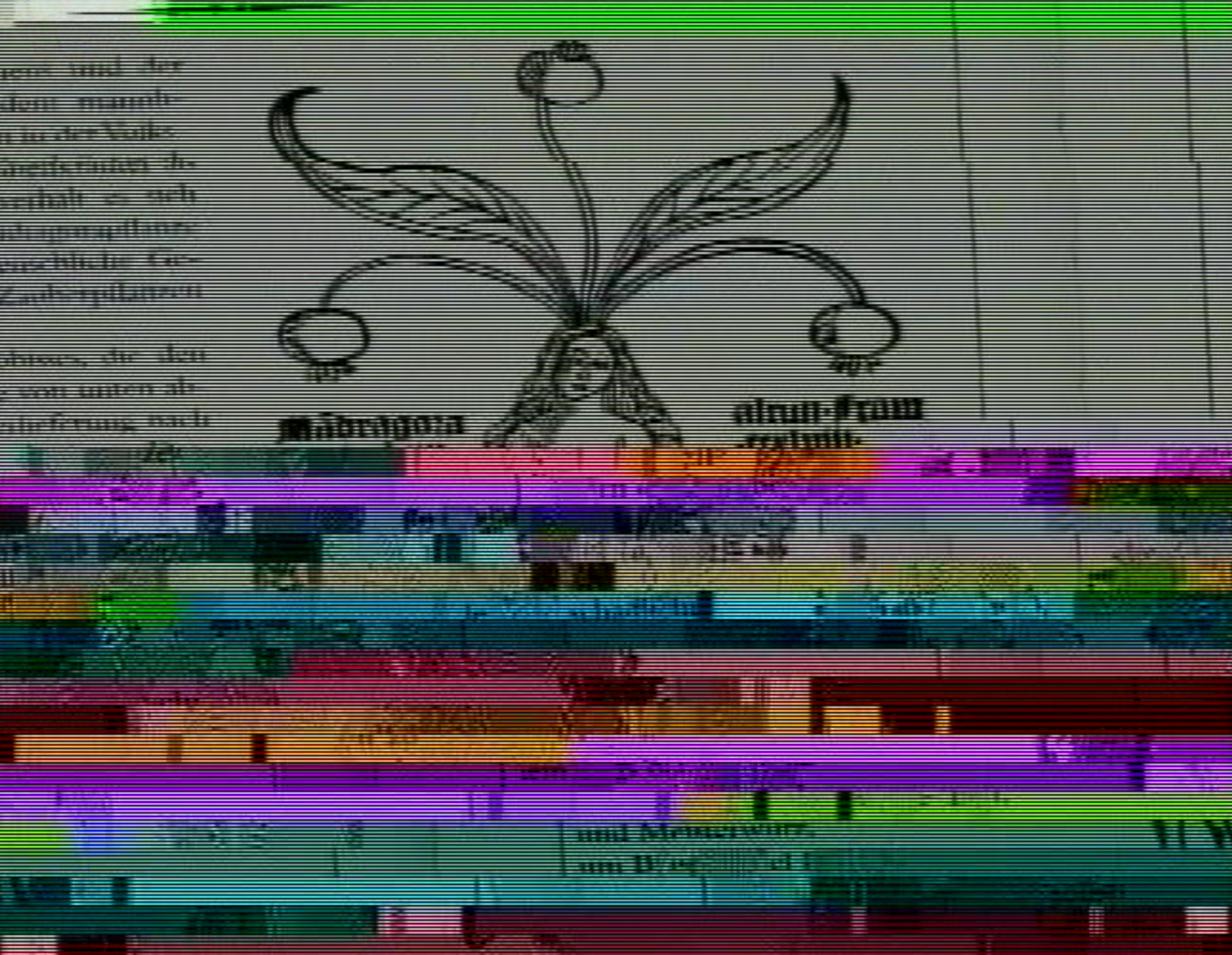
reMI’s zijkfijergijok (2003) turns religious instruction into flashes, softening doctrine with corrupted impulses. Iconography collapses under the weight of technological instability. The churn is frightening: faith rendered as glitch, belief as a system buckling under its own mediation.

Michaela Schwentner’s Jet (2003), with Radian’s soundtrack, closes the circle by dismantling an object of military power. A fighter jet appears only in fragments—tail, cloud, edge—before pixelation consumes it. A struggle for coherence yields to entropy, resulting in a powerful rumination on the fragility of representation in the digital era.

Sonic Fiction is neither exclusively music video nor visual art. Rather, it occupies a diurnal terrain where media co-produce perceptual events. Through reduction, repetition, mutation, and delay, the artists discover a mode that is anything but dematerialized. It is not fiction in the narrative sense but in the perceptual one, a way of imagining through frequency over representation. What it asks of us is minimal. What it gives in return for lack of expectation is incalculable.