

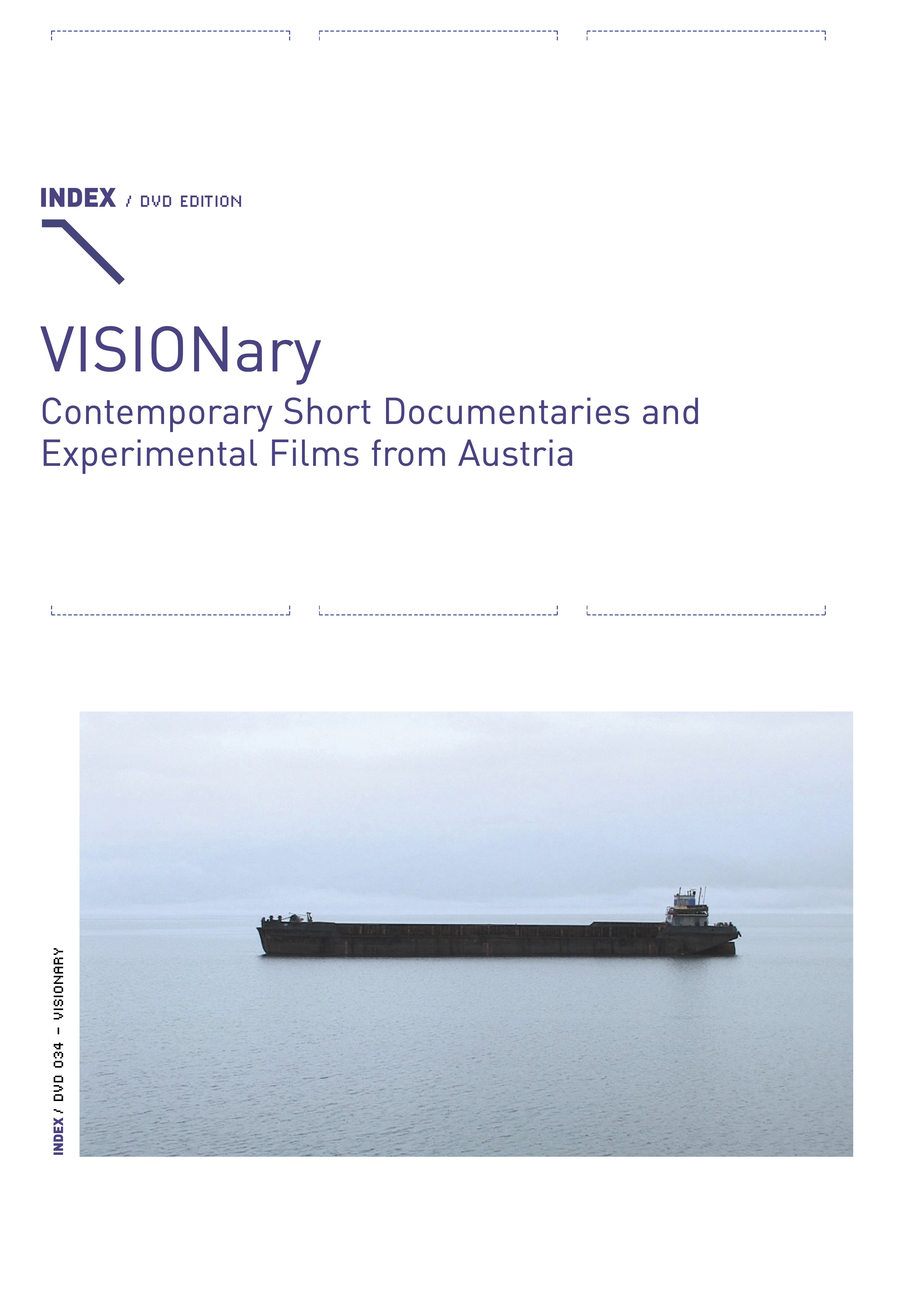
VISIONary, the first two-disc anthology to make an appearance on the INDEX imprint, unfolds as a cartography of attention, an attempt to map the outer zones where Austrian documentary and experimental cinema probe the limits of seeing in the early 21st century. Curated by Michael Loebenstein and Norbert Pfaffenbichler, the set demonstrates how short-form filmmaking can bear witness to urgencies and absences, to architectures of power and of memory, to the world as lived and as imagined. How might images carry experience without embalming it, and how might sound reveal structures that narrative alone refuses to name?
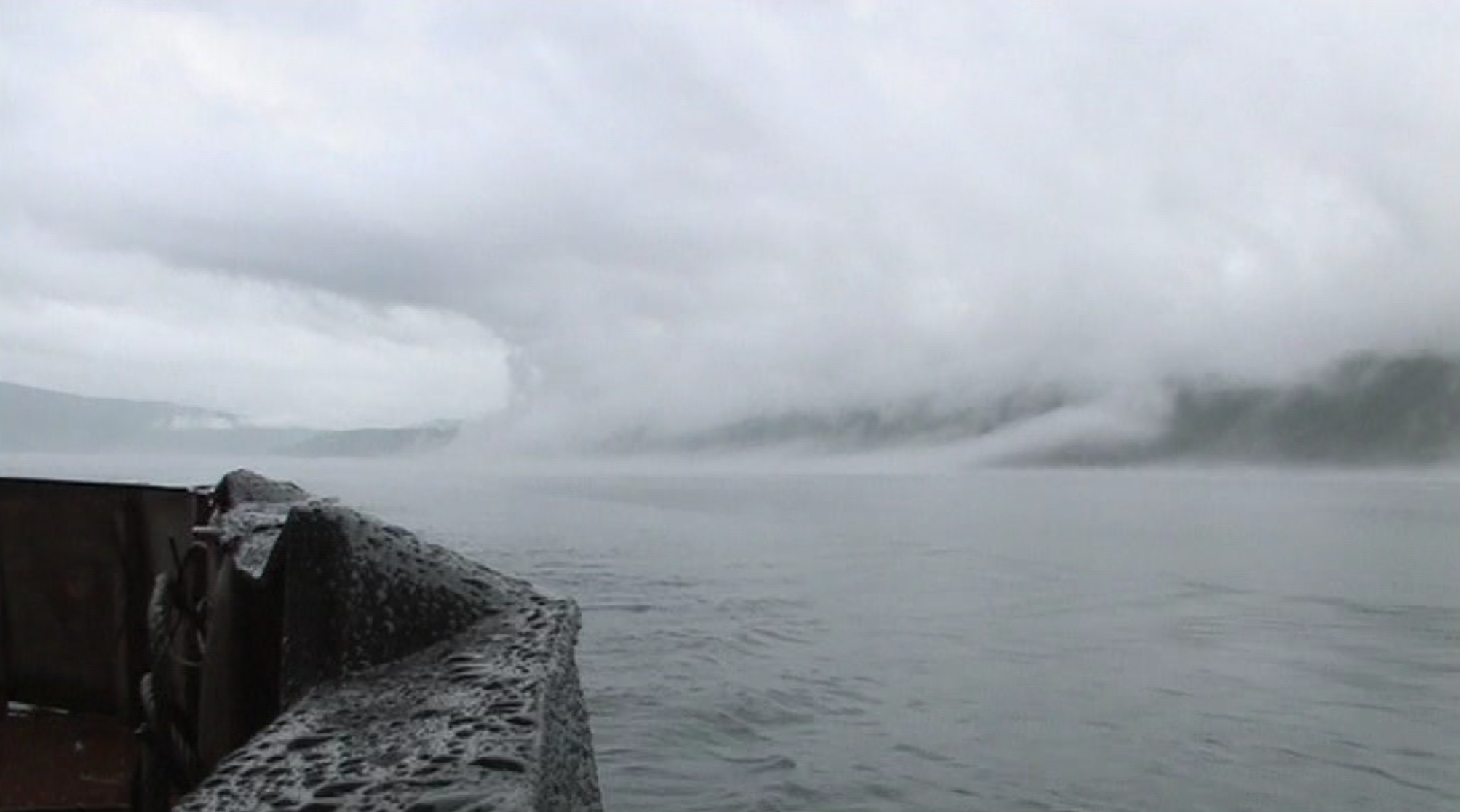
Disc 1 begins by grounding these inquiries in the raw textures of endurance, displacement, and historical rupture. Ivette Löcker’s Marine und Sascha, Kohleschiffer (Marina and Sasha, Coal Shippers, 2008) introduces Lake Baikal’s frozen expanse as a site where labor and longing intermingle. Marina and Sasha wait for the ice to break so they can resume the work that both sustains and confines them. Their conversations drift between dreams and aphorisms, between faith in work and the sense that waiting for God and waiting for employment follow the same spiritual logic. Löcker’s camera listens as their voices echo across a landscape that offers neither comfort nor judgment. When Marina later writes that she and Sasha have left their profession, it resonates with the quiet force of two lives liberated from the time loop that once defined them.

Johannes Holzhausen’s Frauentag (Woman’s Day, 2008) turns from Siberia to the borderlands between Bavaria and the Czech Republic, revealing another kind of stasis. The border becomes a scar that is visible on maps yet continually reopens within remembrance. Through stories of displaced Germans, of lovers separated by territorial chess, and of families caught in the churn of postwar geopolitics, identity becomes a negotiation between inherited pasts and future uncertainties. August 15, Assumption Day, emerges as a memorial in which the land sponges the trauma that language often avoids. What might appear to be a minor observance serves as a reminder of our selective daily amnesia.
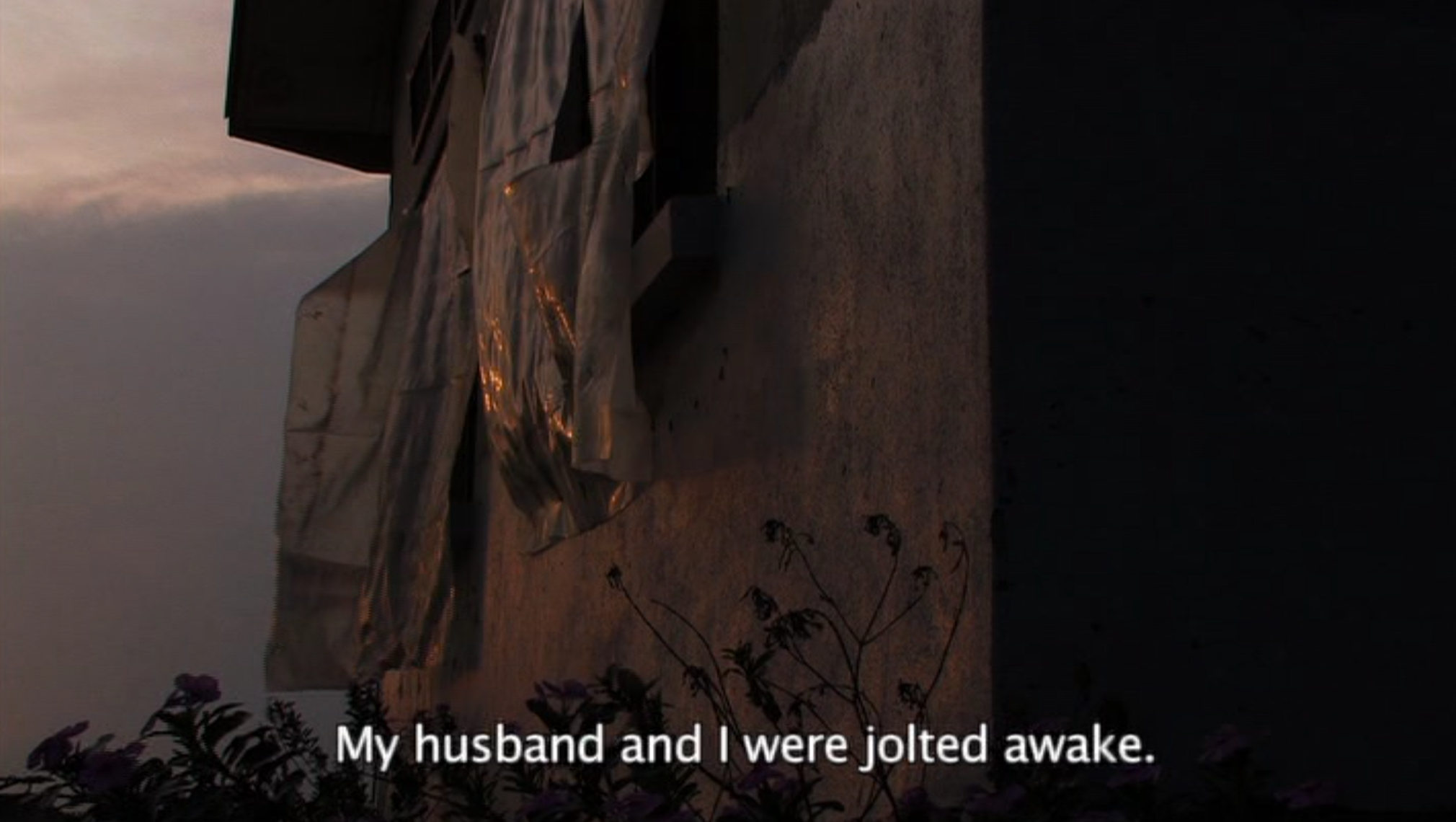
Moral clarity rings forth in Maria Arlamovsky’s Eines Tages, nachts… (A White Substance, 2008). A decade after the First Congo War, survivors speak on rape as a tactic of coercion, even as perpetrators offer evasions, officials shift responsibility, and UN peacekeepers are exposed as yet another predatory force. Lush landscapes collide with testimony that reveals the gulf between surface beauty and lived horror. As doctors describe children violated beyond comprehension, and how those treating them become collateral victims of their trauma, the film refuses to resolve such disorder, holding the viewer in a space where no disclosure can redeem the damage and no political rhetoric can soften its weight.
The disc closes with Klub Zwei’s Phaidon – Verlage im Exil (Phaidon – Publishers in Exile, 2007), which widens the frame to consider diaspora, cultural loss, and the ungraspable residue of ostracism. The story of Phaidon Press, founded in Vienna and driven into exile under National Socialism, becomes a parable of what happens when a country expels its intellectuals and artists. As Karin Gludovatz observes, “Phaidon is an example of the loss of people and of cultural resources that cannot be replaced through ‘reparations’—the voids Austria and Germany caused by National Socialism that must be made apparent.” Thus, the ruins of political upheaval are delineated as broken altars of restoration.

Disc 2 offers some escape through abstraction. Michaela Schwentner’s la petite illusion (2006) opens with a cubist shattering of intimacy, portraying a couple through splintered interactions. In contrast, Elke Groen’s NightStill (2007) slows perception to a near-halt within the Dachstein mountains, where light and fog breathe through the landscape, and an electronic hum signals the presence of time itself. Unlike the work of Dariusz Kowalski, to which it might be compared, it has no feeling of menace but of a comforting progression that moves without intervention.

These shifts in tempo lay the groundwork for Angelika Brudniak and Cynthia Madansky’s Minot, North Dakota (2008), a study of a town sitting above 150 nuclear missiles once built to attack the Russians but which now lay slumbering beneath it. Children’s voices, testimonies from Air Force personnel, and the blank gaze of surveillance cameras mesh in quiet negotiation with catastrophe. The wonderful soundtrack from Zeena Parkins adds an unsettling undercurrent.

Jan Machacek’s In the Mix (2008) offers kinetic release, attaching a camera to a blender so the room becomes a spinning environment through which a dancer moves in playful resistance. The experiment pivots sharply into Siegfried Fruhauf’s Night Sweat (2007), a concentration on dread through lunar silhouettes and throbbing tones, evoking cosmic terror. Dietmar Offenhuber’s paths of g (2006) transforms Stanley Kubrick’s Paths of Glory into pure geometry, maintaining the original sound while turning the tracking shot into a bare-motion trace. War is reduced to a choreography of pixels stripped (but not robbed) of their humanity.
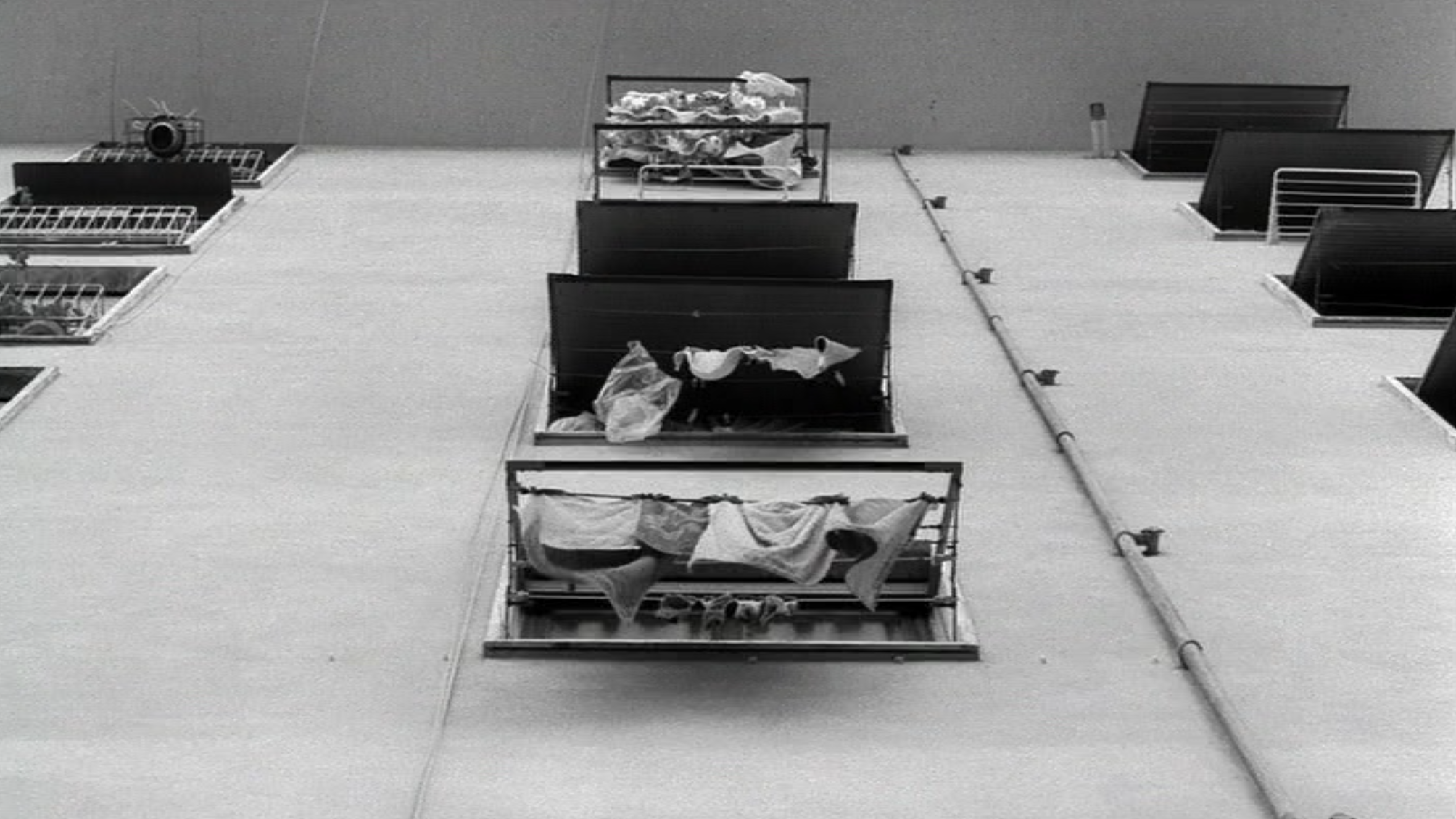
Lotte Schreiber’s Borgate (2008) turns its attention to modernist Italian housing projects now stranded in their own saga. Fascist architecture, appropriated dialogue from Fellini and Pasolini, and crumbling structures combine into a palimpsest of utopian failure. billy roisz’s not still (2008) cuts across the grain with audiovisual glitch in a battle between screens and faces before Josef Dabernig and Isabella Hollauf’s Aquarena (2007) shifts the mode of inquiry toward infrastructure, revealing water systems as choreographies of law, design, and hidden logic. Michaela Grill and Martin Siewert’s cityscapes (2007) refashion archival photographs of Vienna into trembling proto-memories, suggesting that cities sustain themselves in glimpses, not foundations.
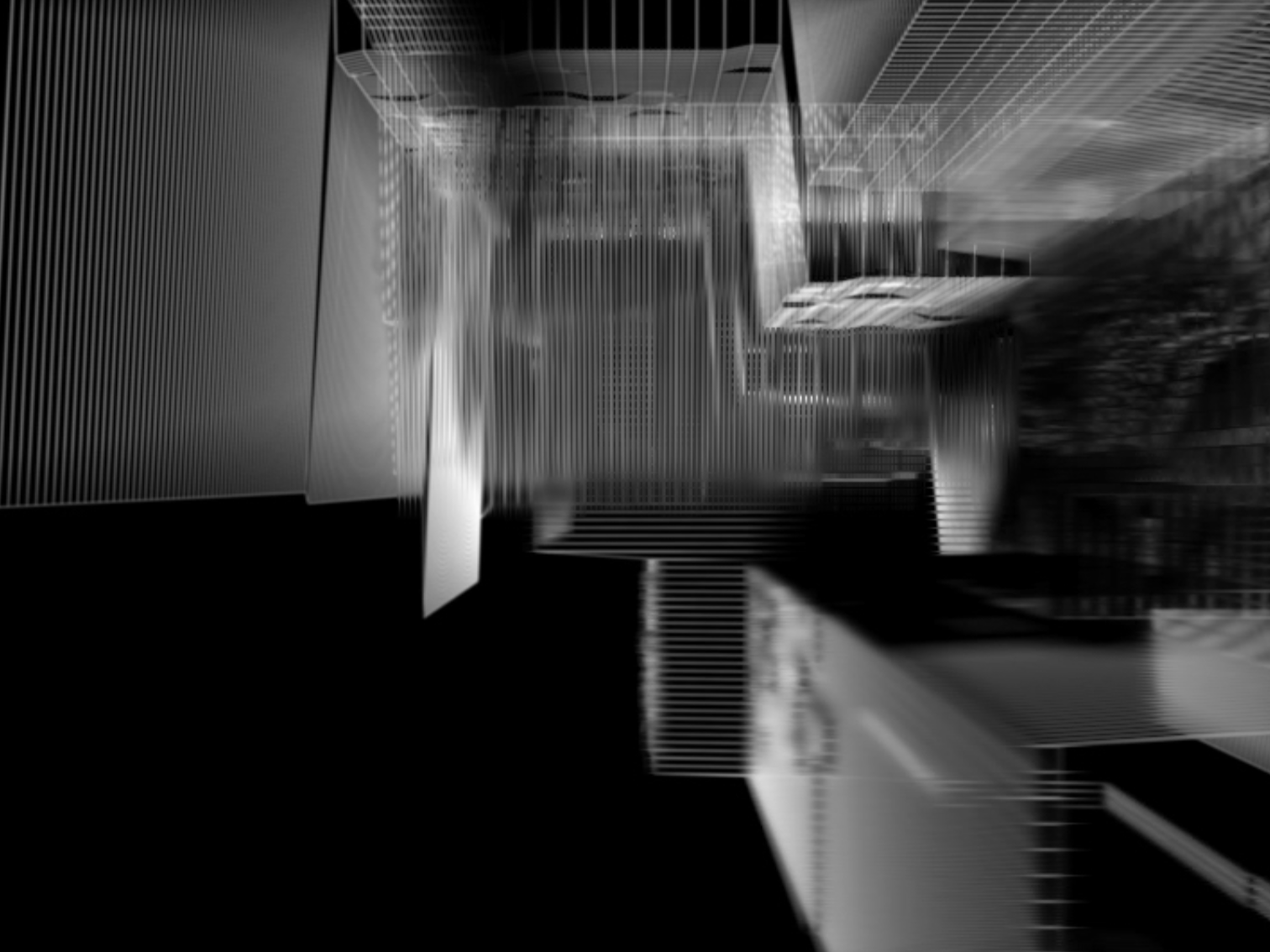
dextro’s 43 (2008) continues this interrogation of form by generating algorithmic white shapes that feel both biological and digital. Martin Bruch and Reinhilde Condin’s home.movie (2008) contrasts with deep intimacy as a camera travels along a track system designed by Bruch for his own mobility. Manuel Knapp’s visibility of interim~ (2007) conjures wireframe architectures that arise and collapse in the same breath, and Barbara Doser’s evolverevolve 01 (2008) concludes the anthology with pulsing neon synaesthesia where light and color find consonance in a kind of primordial signal.
Taken together, the works in VISIONary reveal cinema as a way of diving into the waves of experience. The documentary films remind us that truth is always situated within structures that sustain or wound. The experimental films remind us that vision itself is an invention, a means of producing what reality alone cannot yield. Through both modalities, portraits come to matter not because they are accurate but because they allow the visible to resonate with what we cannot see. In this sense, the anthology lives up to its name, offering not merely a record of the world but a proposition for how it might be perceived anew.

