


“The question of belly or brain is one which Tscherkassky stopped asking long ago—for ultimately sobriety is the route to ecstasy.”
–Gabriele Jutz
Few filmmakers embody the fusion of monastic rigor and hallucinatory sensation more organically than Peter Tscherkassky. Working without a camera, he retreats into the darkroom as if into Plato’s proverbial cave, coaxing each shadow into independence through exposure, burning, scratching, and irradiation. His practice is not only artisanal; it is archaeological. He excavates the unconscious strata of film history and reanimates them, summoning cinema from darkness as though the medium were still being invented frame by trembling frame. “I wanted to unravel and dissolve the medium,” he has said, yet in his hands, dissolution merely gets the distracting skin out of the way. Stripped of illusion, cinema appears as its own flickering skeleton of light.

This revealing impulse emerges vividly in L’Arrivée (1997/98), Tscherkassky’s second homage to the Lumière Brothers. Echoing L’Arrivée d’un train en gare de La Ciotat, he compresses the shock of cinema’s founding moment—the train rushing toward the audience, the birth of spectatorship as astonishment—into a capsule of layered arrivals. Rather than pitting past and present against each other, he folds them together so that the medium seems continually on the verge of onset, as if each exposure were a renewed genesis.
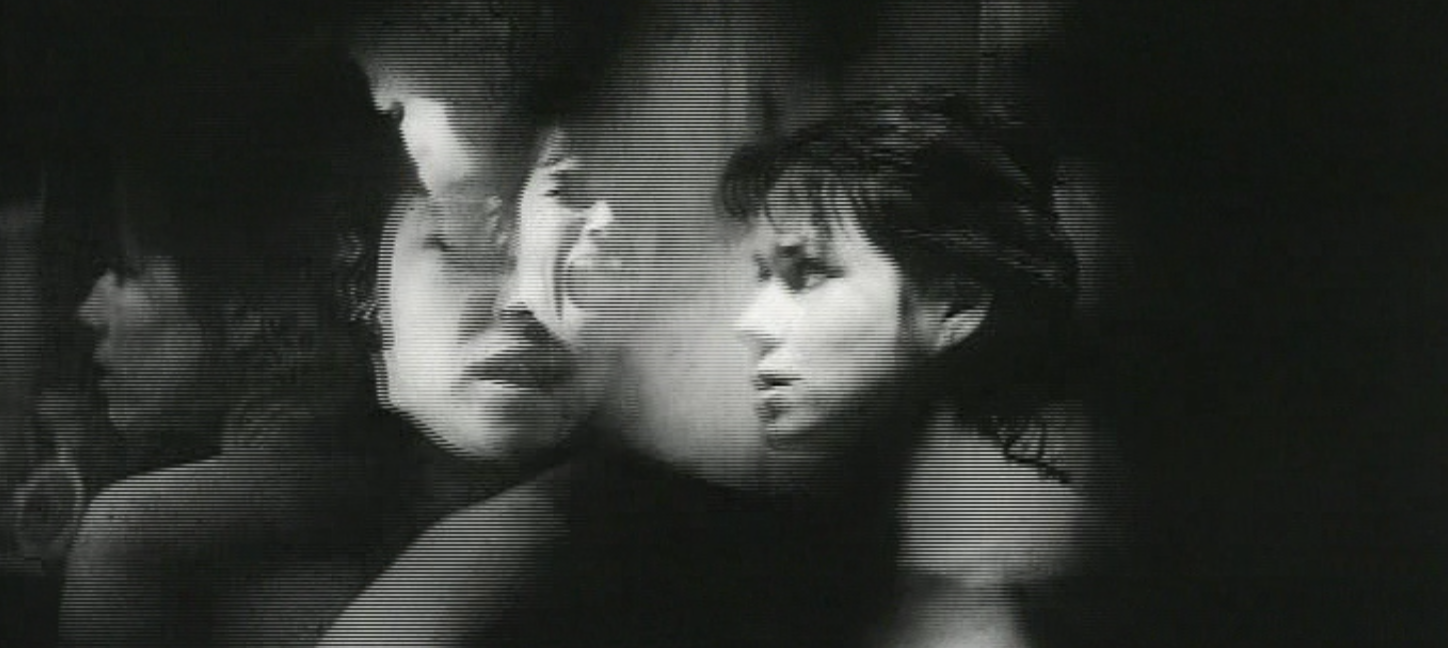
Collisions of narrative and its ruptures intensify in Outer Space (1999). Drawing on fragments from a Barbara Hershey horror film (1981’s The Entity), Tscherkassky constructs one of the avant-garde’s most unnerving works, where “the actress reacts to the material, the material doesn’t react to her.” Blackness engulfs the frame, broken only by flares and spots that reveal slivers of a house, a corridor, a woman wandering as though trapped inside the filmstrip itself. Her identity splits and multiplies; she receives premonitions from her own fractured image. The film becomes her tormentor—scratching, overexposing, ripping at her body—until even the soundtrack slips violently off its optical track. When she lashes out toward the screen, it feels like an assault on the viewer, as though she were trying to shatter the membrane between image and spectator. She fades into shadows of shadows, a ghost of the medium that birthed her.
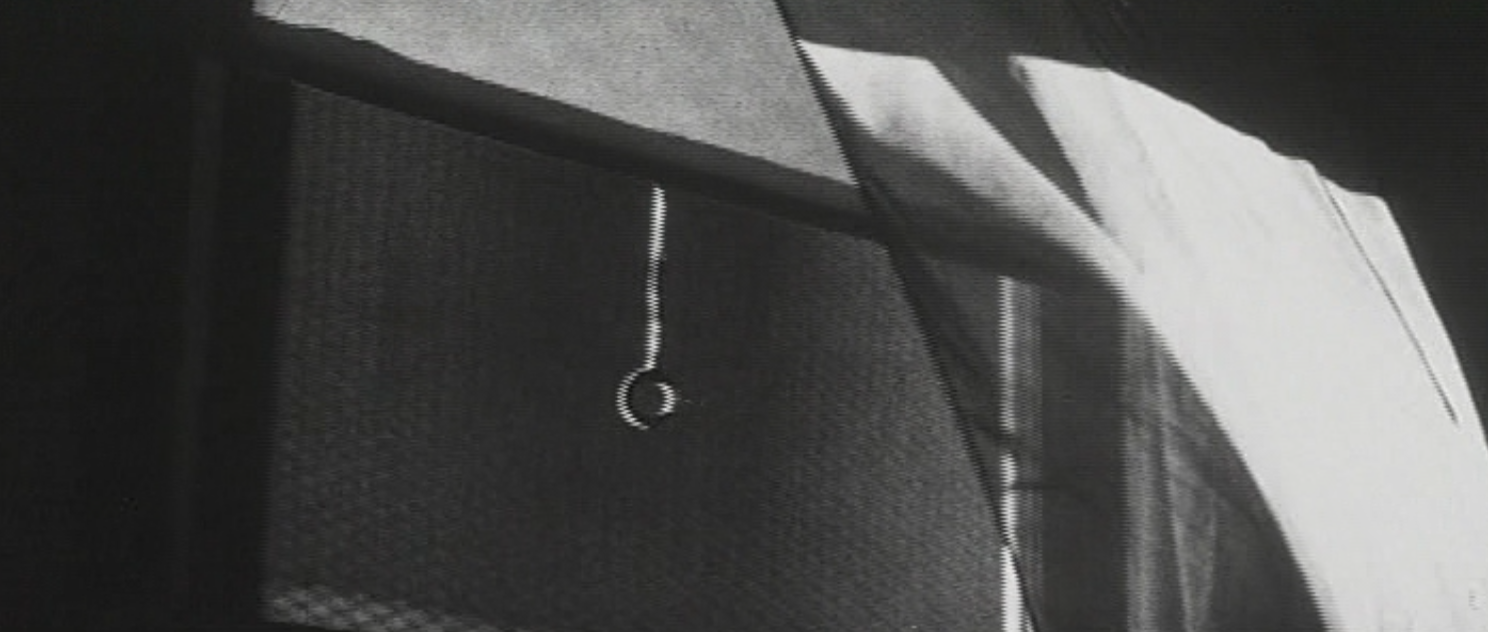
If such is cinema possessed, Dream Work (2001) is its exorcism. Dedicated to Freud and Man Ray, it imposes the twin principles of dream logic—displacement and condensation—until meaning liquefies into pure psychic flux. It begins with a window, the primordial movie screen, glowing through a filter of thought. A sleeping face becomes the projection surface for its own desires, where erotic provocation circulates through clocks ticking with Bergmanesque solemnity. Pleasure and violence blur, images melt and spasm, fantasies collapse under their own convulsive rhythms. Dreams here are not escapes but traps woven from longing.
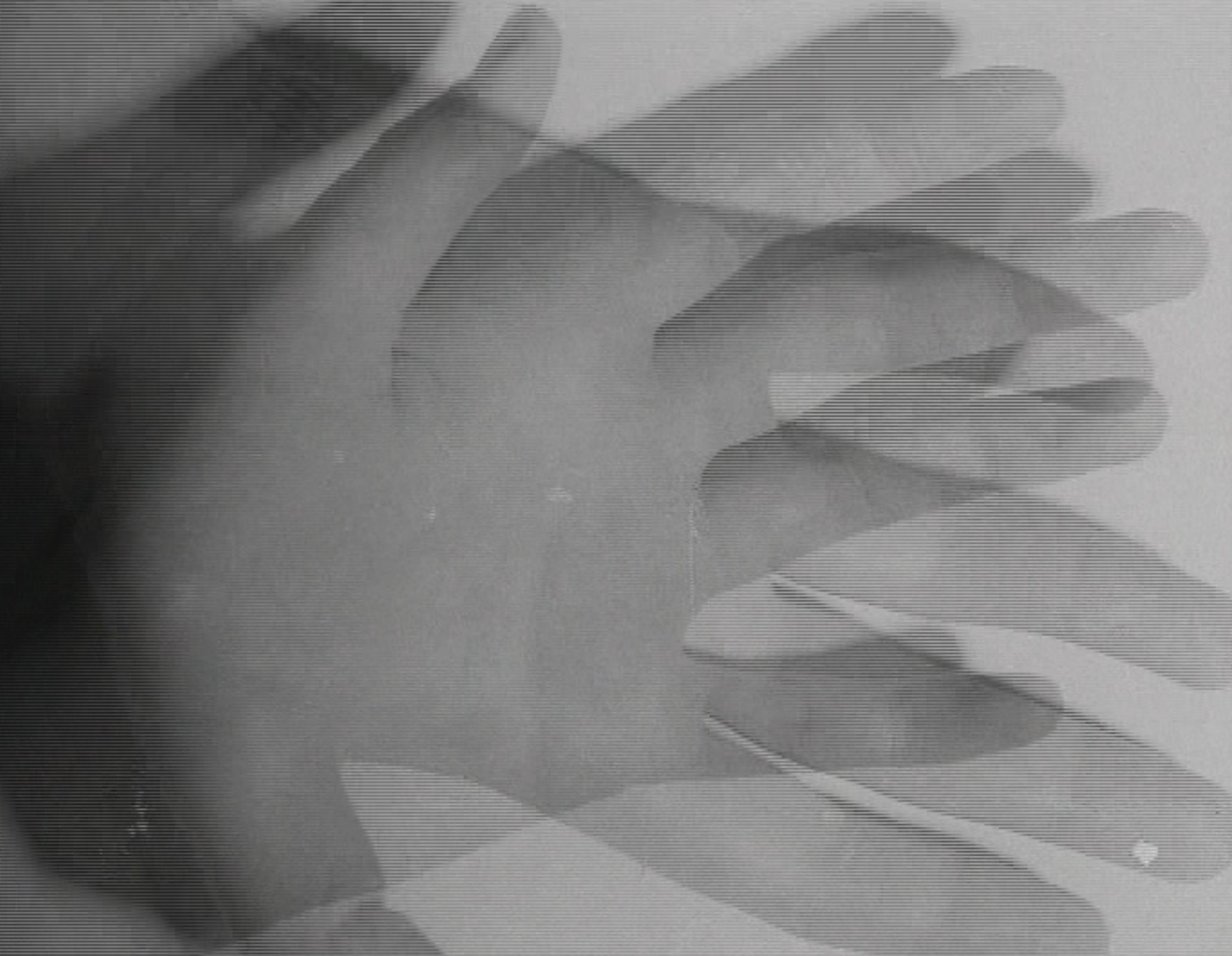
Tscherkassky’s fascination with cinema’s physical limits is already present in Manufraktur (1985), where found footage becomes the raw material for probing what he calls “a grammar of narrative space.” Scenes of cars racing, pedestrians drifting, and hands blurring in motion conjure the promise of speed and pastoral escape, reinforced by a calm voiceover. Grain overtakes imagery as movement surrenders to the obstinate mechanics of acetate, dissolving back into its fundament.
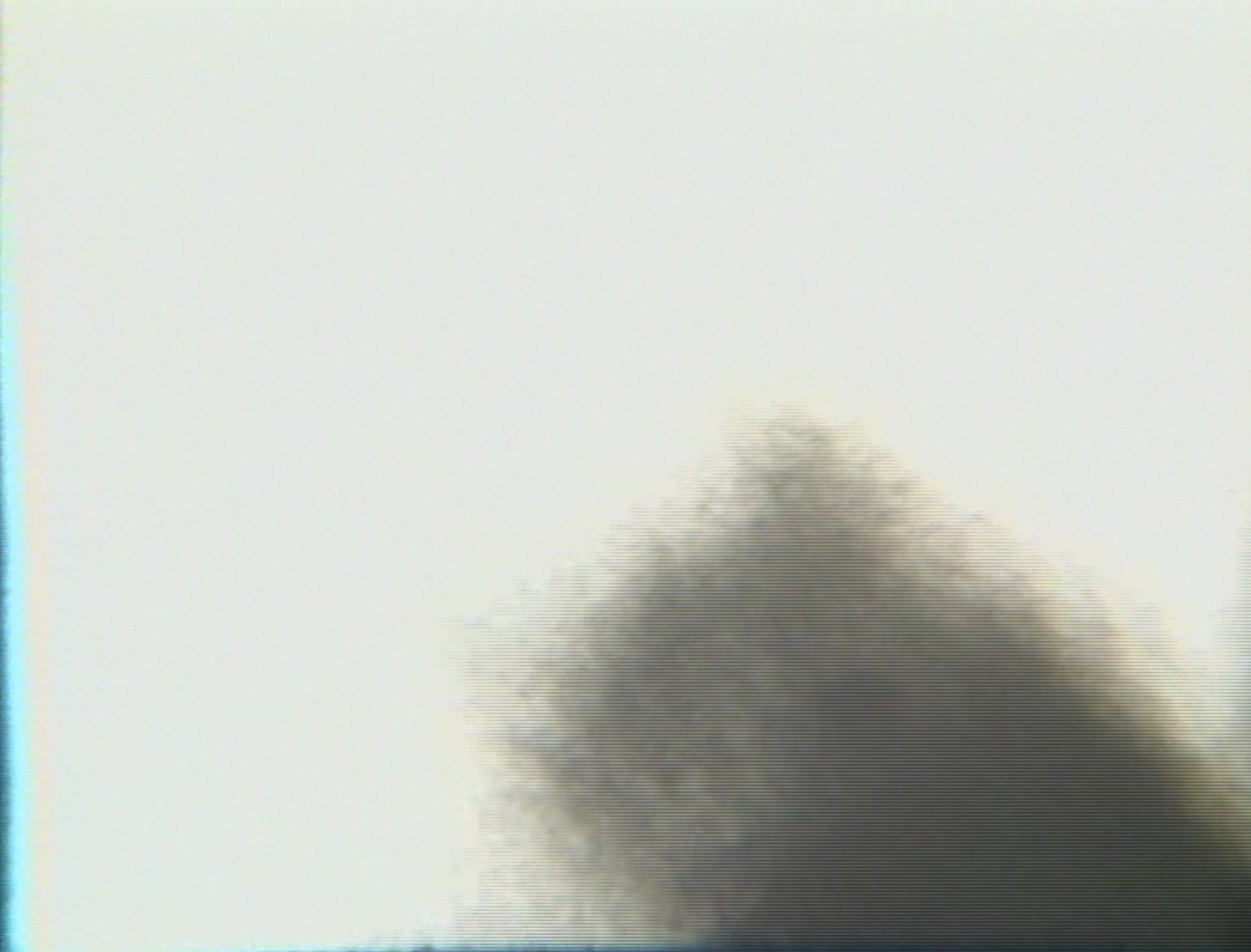
The impulse to return cinema to its origins is also central to Motion Picture (La Sortie des Ouvriers de l’Usine Lumière à Lyon) (1984), Tscherkassky’s first homage to the Lumières. By reprojecting Workers Leaving the Factory onto fifty strips of unexposed film and assembling them anew, he creates an artifact of light patches, as if memory itself were being visualized in its imperfect state, light beating against matter.

Even in miniature, Tscherkassky cultivates the tension between serenity and rupture. Get Ready, the official trailer for the International Film Festival “Viennale” in 1999, begins with a peaceful seaside moment before being hijacked by traffic, car chases, and melodramatic collisions compressed into a single minute. Stefan Grissemann calls it “a life against the mainstream,” a tiny world where tranquility and chaos coexist in impossible proximity.

The earliest piece in this collection, the bonus track Miniaturen – Viele Berliner Künstler in Hoisdorf (1983), offers a semi-documentary glimpse of Berlin artists introducing avant-garde practices to a small Schleswig-Holstein village. Thomas Kapielski’s manipulated soundtrack anticipates the future logic of DVD commentary before the technology existed. Time folds and voices pass through each other, creating a layered meditation on memory, perception, and the instability of documentary truth.
Across these works, Tscherkassky does not merely experiment with celluloid but excavates its ontology. His films insist that cinema is not a transparent window but a permeable membrane trembling between exposure and erasure. To “unravel and dissolve the medium” is not to kill cinema but to return it to its primal conditions: darkness, light, contact, shock. This is cinema as nerve ending.
Such engagements constitute not the absence of ecstasy but its prerequisite. Only by approaching film with absolute clarity can images vibrate with such metaphysical intensity. In Tscherkassky’s darkroom, we confront the unsettling possibility that in tearing itself apart, cinema leaves us torn in kind. We do not simply watch his films. Through their flicker, we encounter that which can only be understood when it is broken and put back together again.
 Between Sound and Space: ECM Records and Beyond