


Sonic Fiction presents a cross-section of Austrian audiovisual experimentation at the turn of the 21st century. It emerges from Vienna’s fertile avant-garde electronic music scene, a milieu where glitch, microsound, live electronics, and improvisation shaped not only what artists heard but how they learned to see. These works do not illustrate music. They poke holes in hierarchies of the cinematic, creating what Christian Höller calls a “sound/image coagulation,” a convergence so intimate that neither medium precedes the other. Perception acts as the substrate across which their interaction unfolds.
In this collection, the early digital moment is not approached as emancipation from materiality but as its reconfiguration. Image becomes particulate, granular, and flickering; sound is subjected to a sculptural pressure. These videos share a fascination with reduction and abstraction, yet each arrives there through different processes, including algorithmic play, photographic reprocessing, digital mutation, and the reanimation of everyday materials. The result is a corpus that privileges meditation over spectacle. The cumulative effect is an ecology of cohabitation experiments.
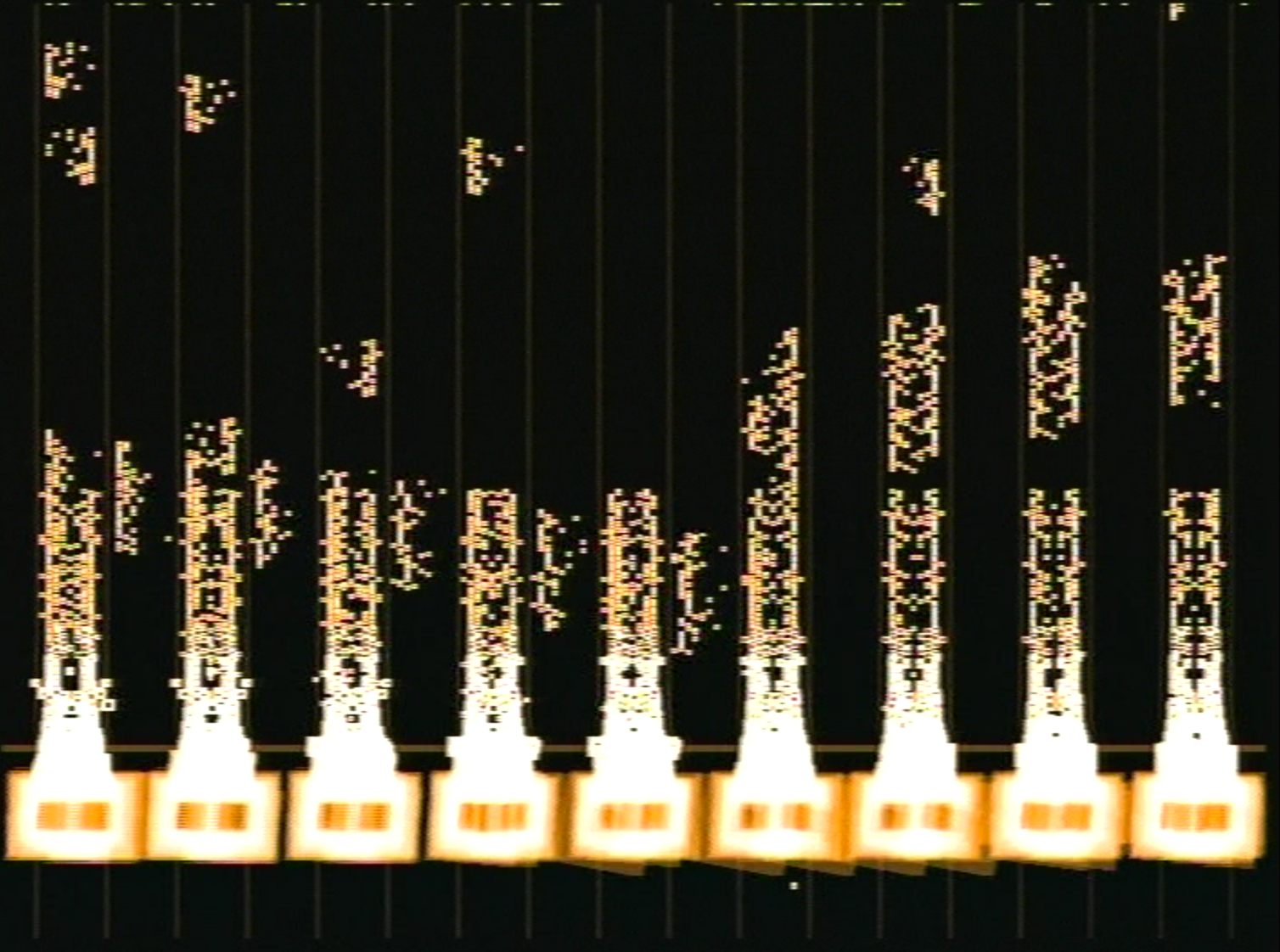
Lia’s hardVideo/G.S.I.L. XIX (2003), with sound by @c, stages this microtemporal sensibility with particular clarity. On dense black grounds, geometric shards loop through cycles of emergence and self-erasure, as if devouring the traces of their own movement. Their fallibility arises from the same molecular field as the sound itself. The piece evokes a logic of survival in hostile terrain—shapes feeding on their own remnants—even as musicality softens its austerity. Erosion as lullaby.

This fascination with elemental processes continues in neon (2003) by Nik Thoenen and Timo Novotny, with Wolfgang Schloegl’s droning soundscape merging into the photographic traces of fluorescent tubes. Filmed installations offer a study of gases igniting and fading, captured on Super 8 at various speeds. The visual beats feel both corporeal and machinic, as though watching electricity remember its birth. A potential industrial detritus transforms into a quiet riff on activation and aftermath.

The shadows of Micaela Grill and Martin Siewert’s trans (2003) imply trees or architecture without ever resolving into legible forms. The viewer is suspended between recognition and disorientation. Siewert’s restrained but incisive soundtrack anchors the images while refusing to explain them, creating a delicate balance between clarity and dissolution. What we are left with is a threshold between the coherent and the barely remembered.
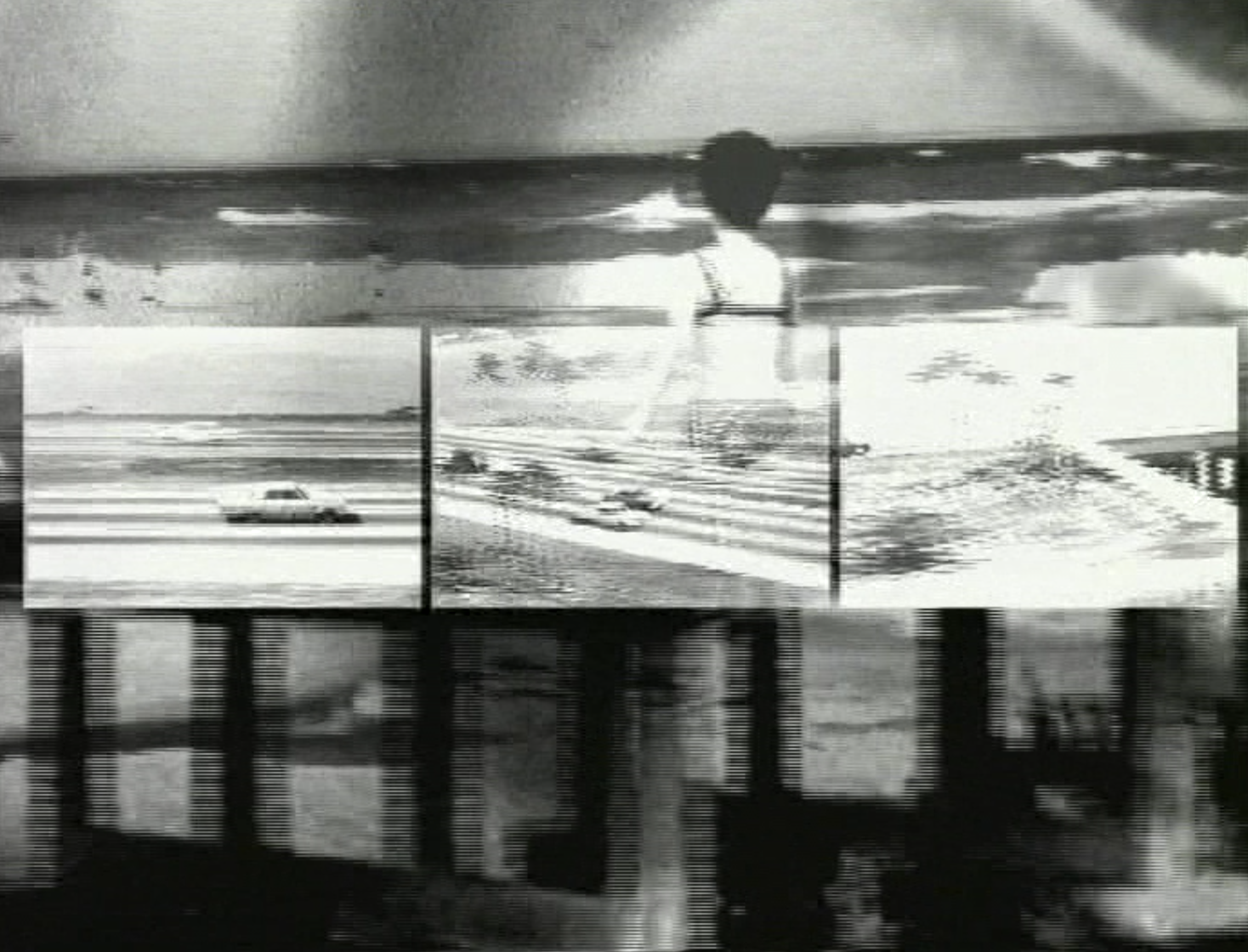
In Thomas Aigelsreiter’s Key West (2002), with sound by Rudi Aigelsreiter, sun-soaked beach footage offers a surface where utopia frays. Vrääth Öhner notes the “persistent fascination of images long succumbed to sound reasoning,” and the video stages this tension of cheerful scenes made uncanny by drones and distortions. The idyllic vision curdles into something fantastic and quietly menacing. Beauty glimmers, then trembles. A Lynchian undertone seeps through the brightness.
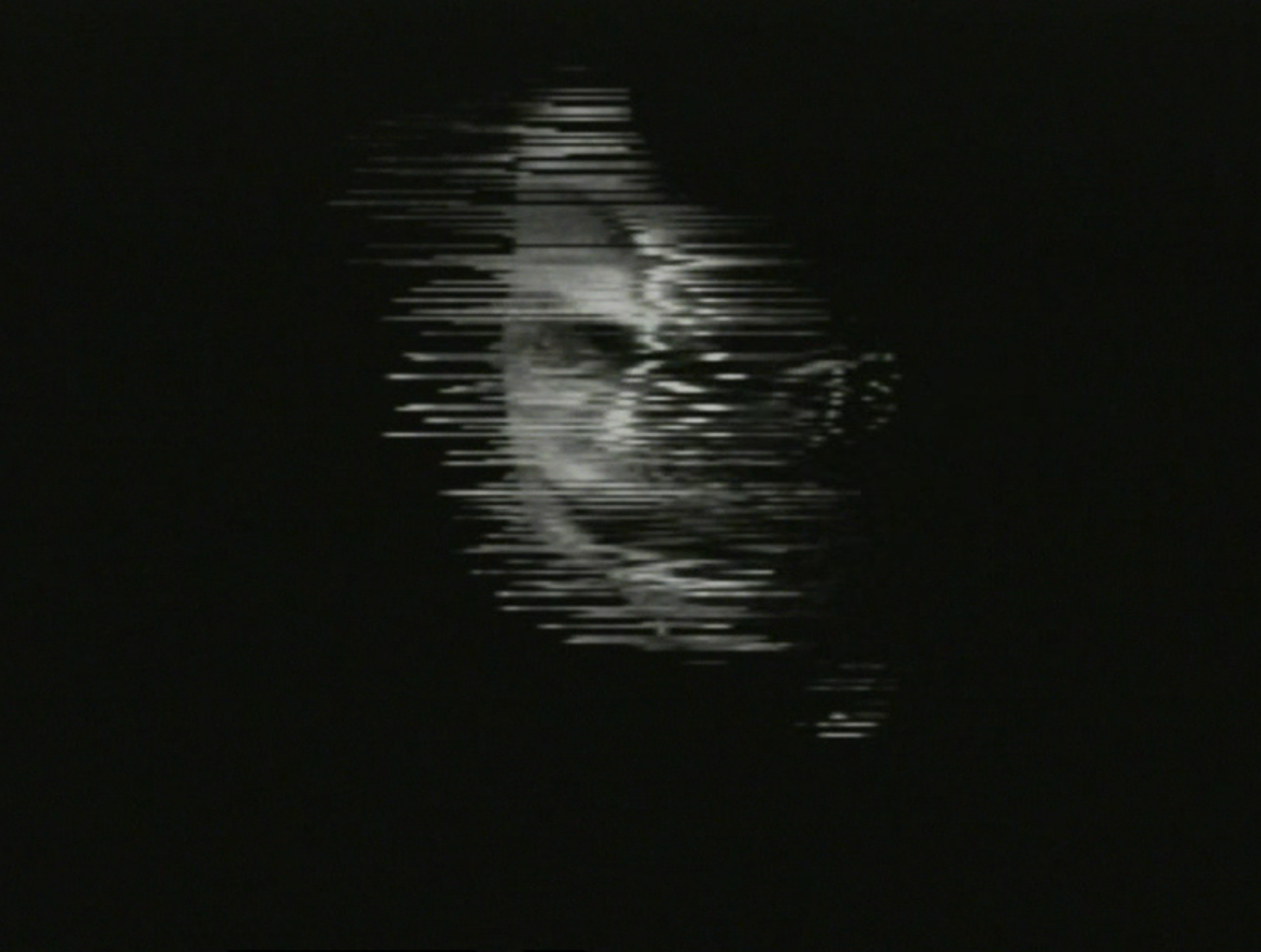
Didi Bruckmayr and Michael Strohmann’s ich bin traurig (i am sad) (2004), with sound by F*ckhead, approaches perception from the inside out. A face mutates through 3D software, unable to settle into a legible expression. Sadness appears as an unstable artifact—never captured, always sliding into new contortions. Subjectivity is fluid, vulnerable to the software’s restless grammar.
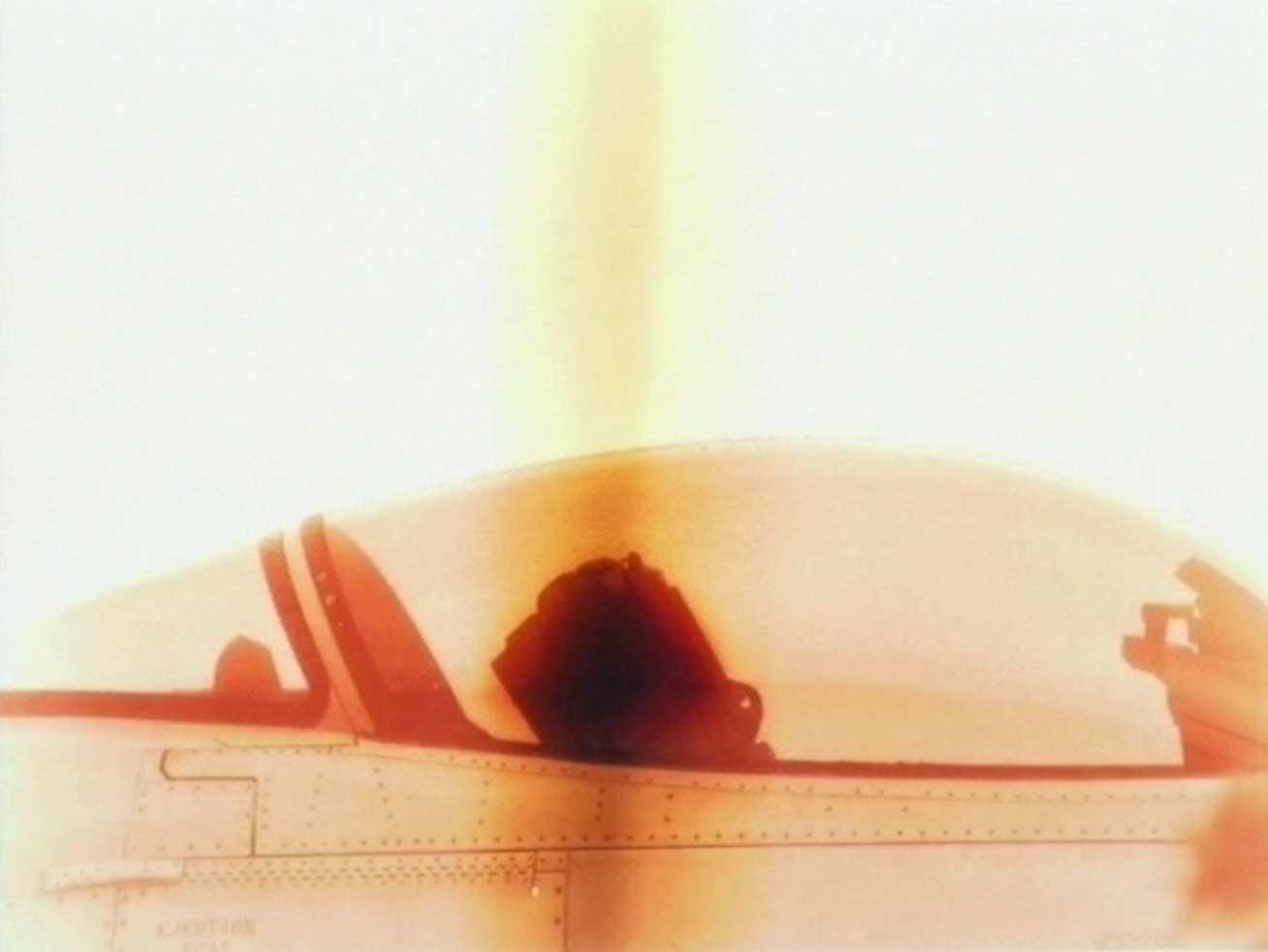
Karø Goldt’s falcon (2003), with sound by Rashim, begins with a photograph of a Falcon aircraft but pushes it through waves of chromatic transformation. Garish colors flood the contours until the aircraft lays a field of shifting gradients. Power and mobility dissolve into pure chromatic excess. Each retains a ghostly hint of its origin, but the meaning leaks away, replaced by color in motion.

Billy Roisz’s blinq (2002), with contributions from ten musicians (Burkhard Stangl, Akoasma, Boris Hauf, Dieb13, Sachiko M., Martin Siewert, Christof Kurzmann, Toshimaru Nakamura, Werner Dafeldecker, and el), enacts synaesthesia in structural terms. Roisz translates sound files into visual miniatures. The result is a series of geometries that behave not as illustrations but as co-generated events, coalescing into one of the collection’s most conceptually integrated works. In this small chamber, signals revel in each other’s oxygen deprivation.

In cubica (2002), m.ash and sound artist Chris Janka harness the logic of the classic game Snake, unleashing an autonomous cube-snake system that draws paths through three-dimensional space. The music, recalling the resonant intensities of Zbigniew Karkowski or Z’EV, complements the algorithmic wanderings beautifully.

[n:ja]’s frame (2002), with sound by Radian, turns travel into drift. The work resembles the view from a car window moving through a world of processed lights and blurred structures. The soundtrack’s precision shapes the journey as motion without arrival.
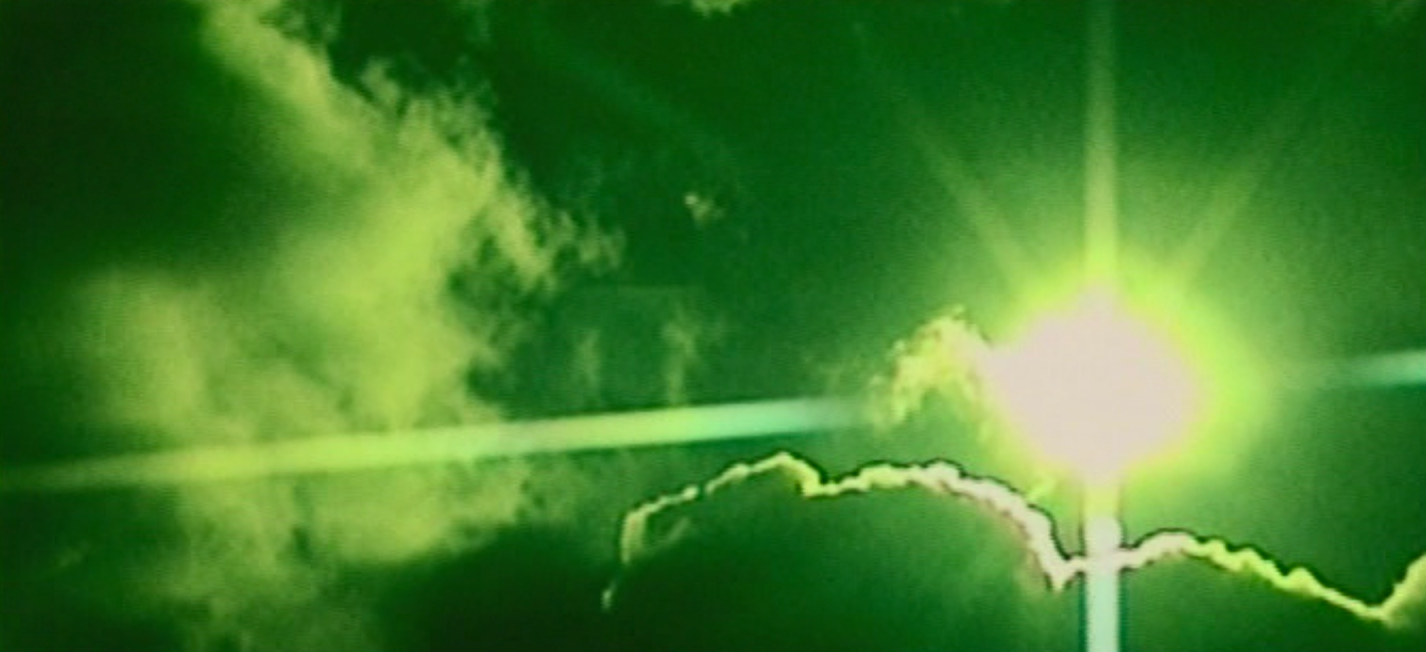
Siegfried A. Fruhauf’s SUN (2003), with Attwenger’s sound, dismantles our nearest star through static shots and associative montage. The sun appears green, stripped of expectation. Isabella Reicher describes the effect as “looking the sun in the eye.” The piece constitutes a folk abstraction, a playful yet uncanny engagement with an object that resists representation.
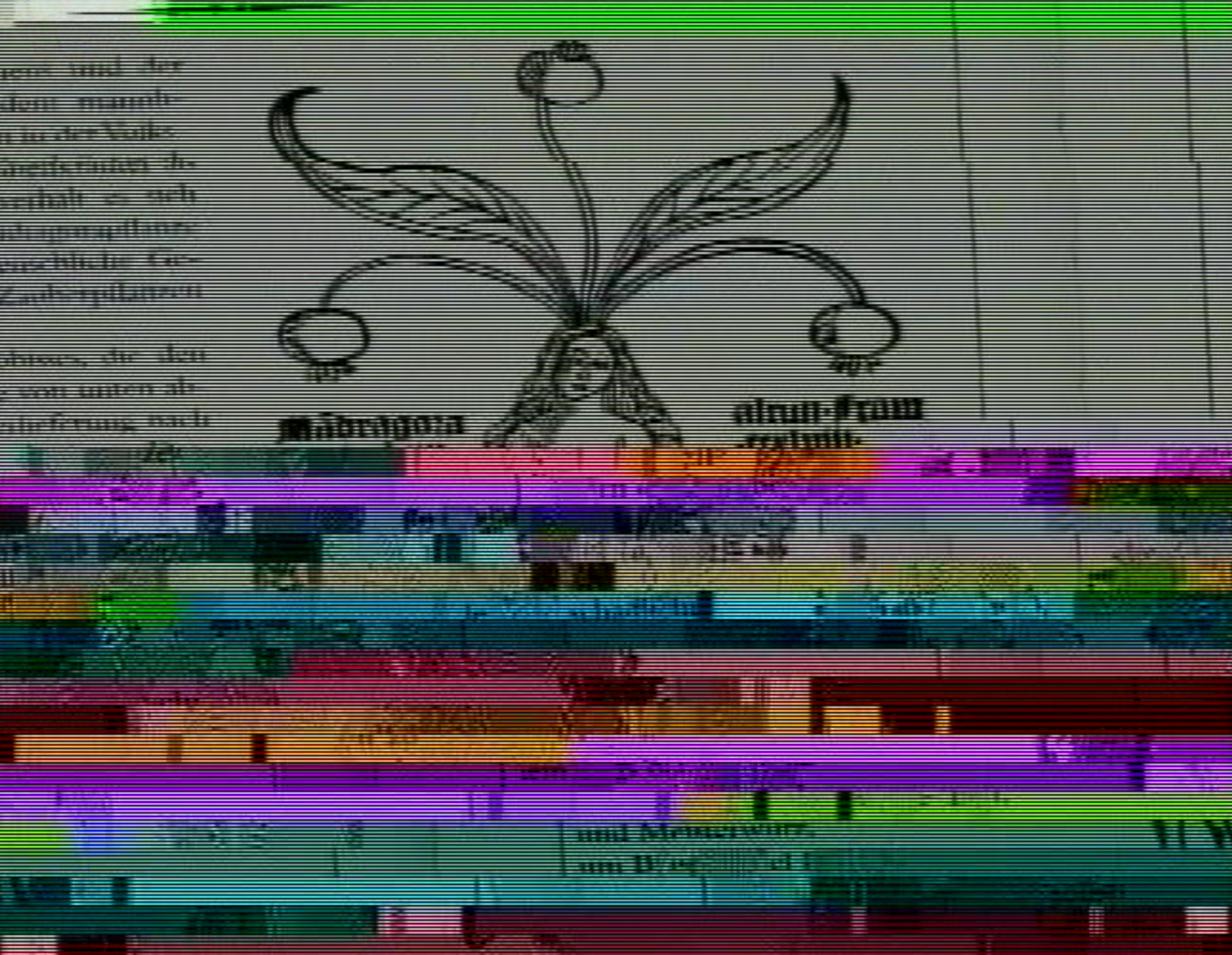
reMI’s zijkfijergijok (2003) turns religious instruction into flashes, softening doctrine with corrupted impulses. Iconography collapses under the weight of technological instability. The churn is frightening: faith rendered as glitch, belief as a system buckling under its own mediation.
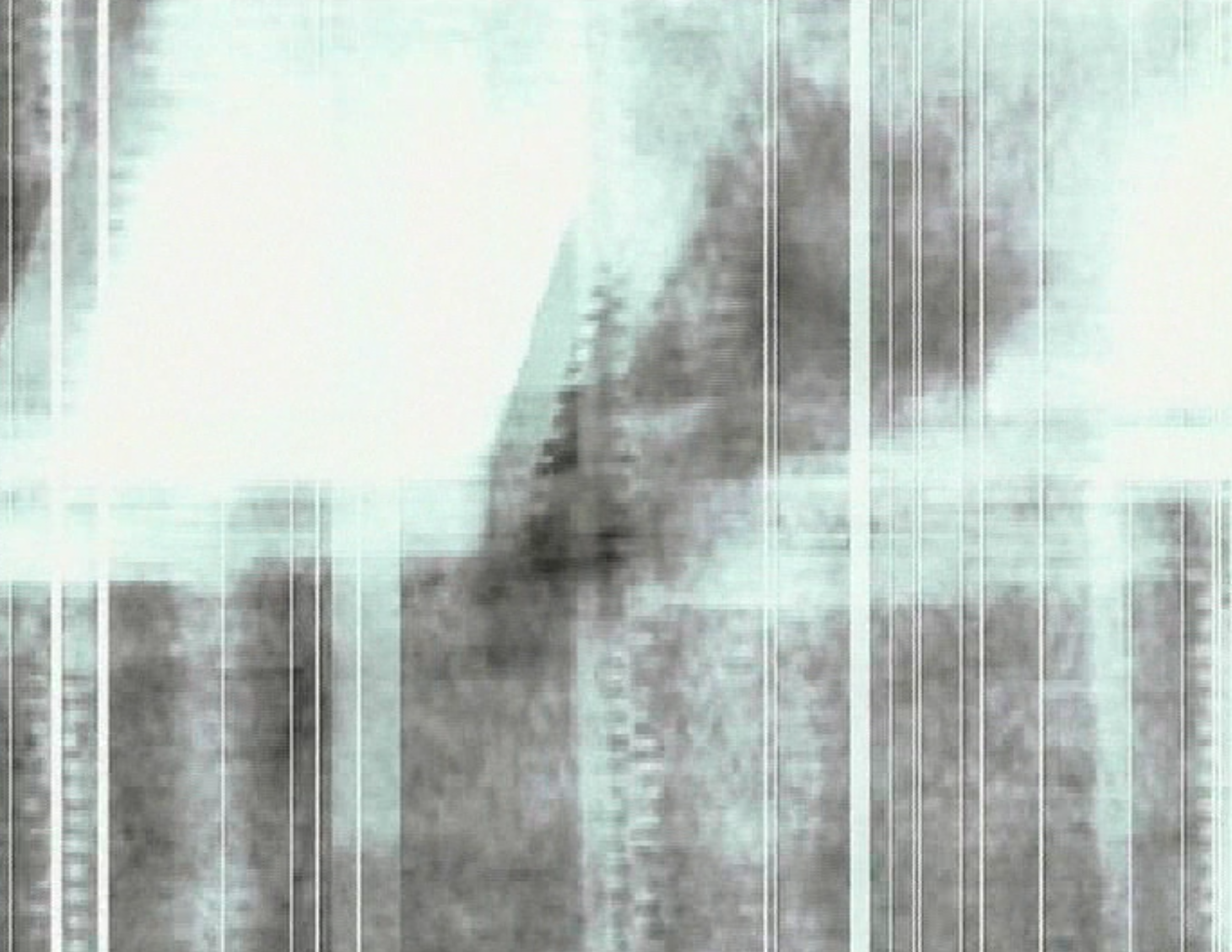
Michaela Schwentner’s Jet (2003), with Radian’s soundtrack, closes the circle by dismantling an object of military power. A fighter jet appears only in fragments—tail, cloud, edge—before pixelation consumes it. A struggle for coherence yields to entropy, resulting in a powerful rumination on the fragility of representation in the digital era.
Sonic Fiction is neither exclusively music video nor visual art. Rather, it occupies a diurnal terrain where media co-produce perceptual events. Through reduction, repetition, mutation, and delay, the artists discover a mode that is anything but dematerialized. It is not fiction in the narrative sense but in the perceptual one, a way of imagining through frequency over representation. What it asks of us is minimal. What it gives in return for lack of expectation is incalculable.
 Between Sound and Space: ECM Records and Beyond