

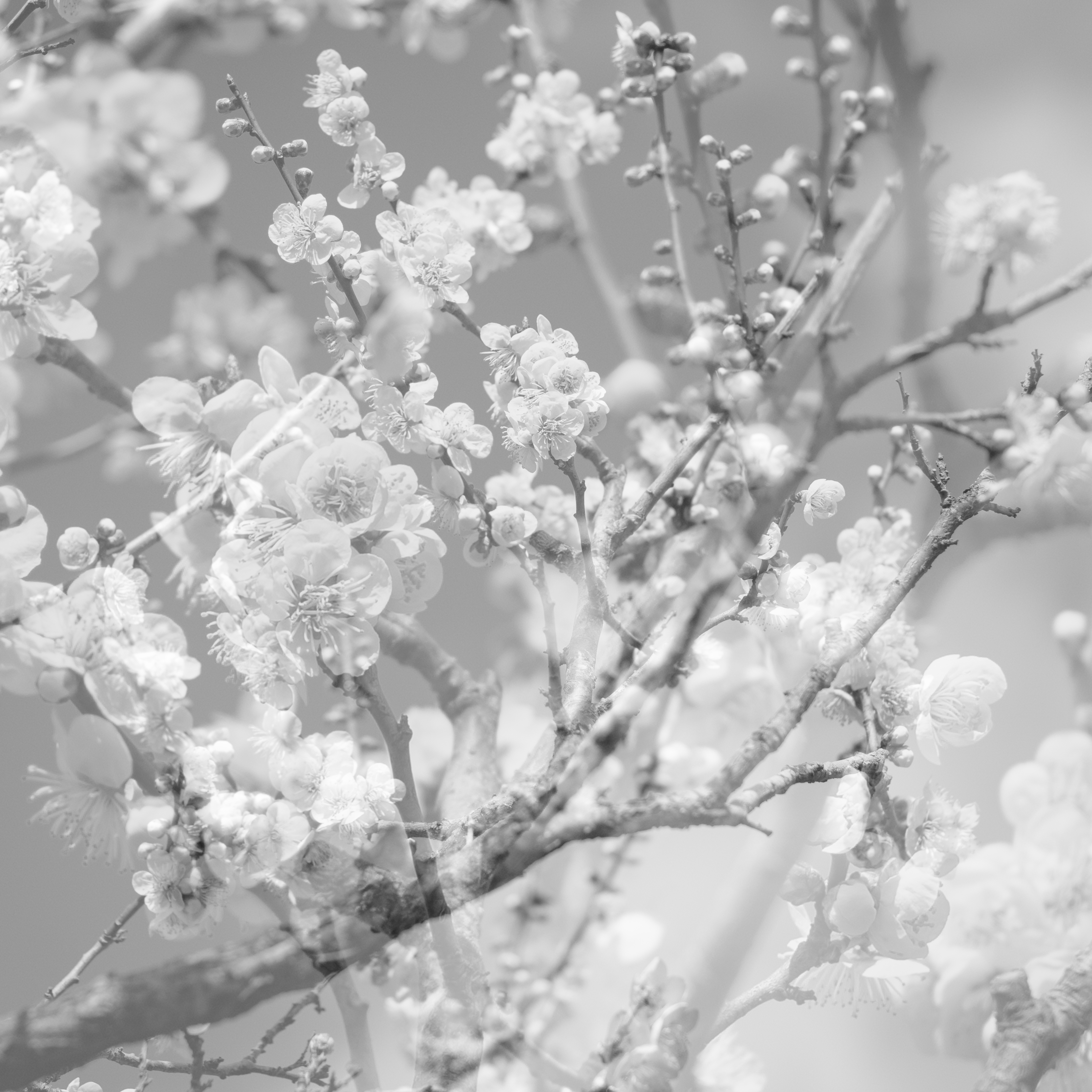
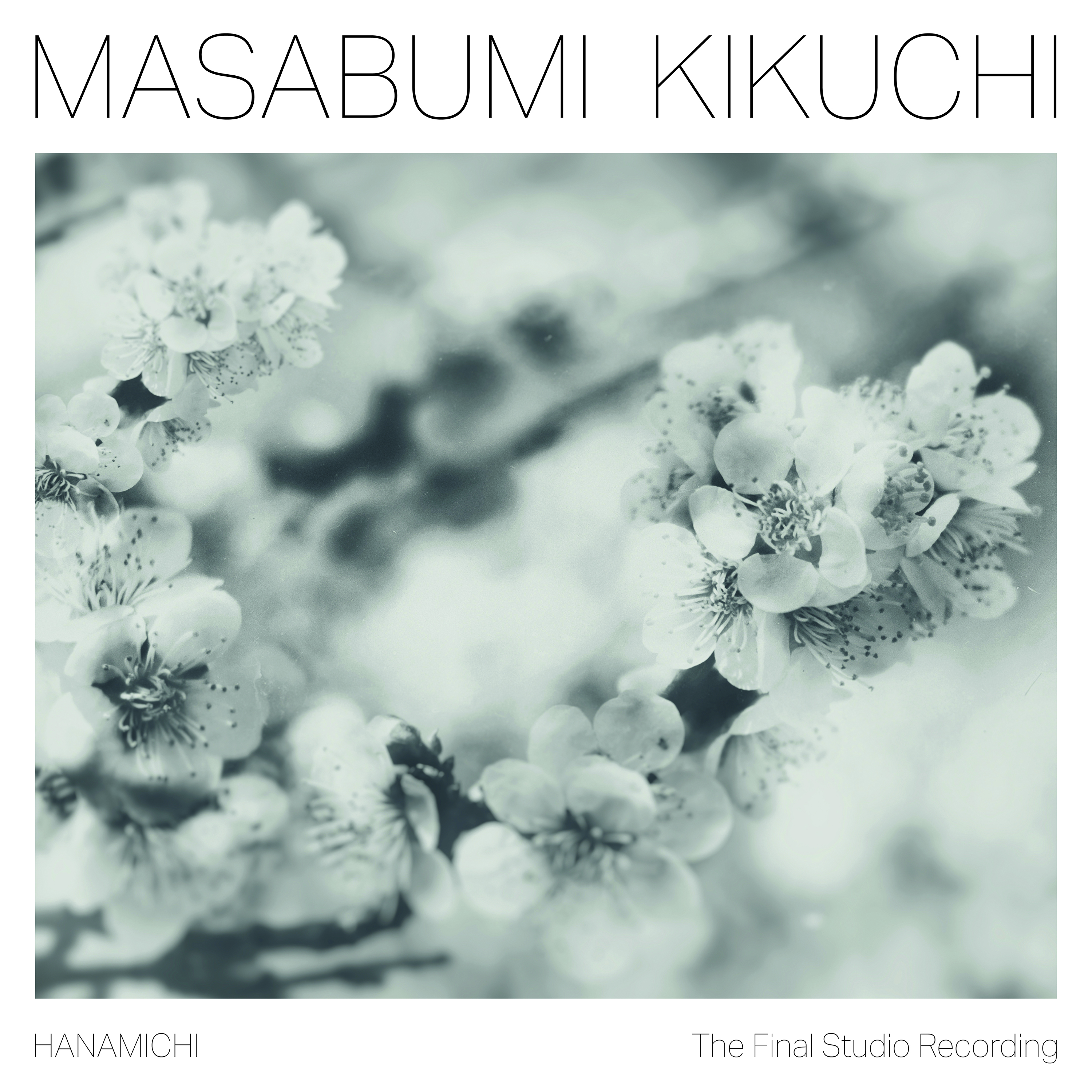
Red Hook Records began its journey with pianist Masabumi Kikuchi’s final studio recording, and now, for the label’s eighth release, we are given more of a revelation than a sequel. If that first album was a door half open, this one is the room beyond it: dimly lit, shadows stretching toward us with quiet familiarity. Drawn from the same December 2013 sessions, these seven tracks seem to have steeped longer in the vessels of memory and time. They arrive seasoned by the sort of emotional oxidation that turns recollection into something rarer and more useful. If saving the best for last were a novel, then this album would not simply be the final chapter; it would be the codex hidden in the spine, the annotation that changes the tone of everything preceding it.
The standards here were formative ones in Kikuchi’s student days, and he approaches them as an elder returning to the foundational texts of his own becoming. They are less songs than mirrors that have aged with him, warped by years of touching, of looking, and of looking away.
“Manhã de Carnaval,” for instance, unfolds as a dream freshly slipped from its cocoon. Kikuchi walks tenderly across its terrain, each step testing the integrity of a world that seems to be forming beneath him even as he treads it. There is the sense of waking from a coma, unsure of what has changed most: the world outside, or the one within. As he coaxes the theme into coherence, it resembles memory grafting itself onto the present. Notes reach upward as fingertips toward a moon that has watched over him for decades, asking silent questions about the knots forming in the threads of existence below.
This pathos is his signature, and it reveals itself early, already pulsing under the surface of “Alone Together,” in which confidence is not announced but revealed slowly, the way a photograph emerges through chemical baths. Kikuchi does not so much play the tune as breathe through it. By the time we arrive at “I Loves You, Porgy,” the emotional stakes have deepened. The opening chords blush across time as if receiving a first kiss from a future that will never fully arrive. He settles into its changes with a kind of practiced vulnerability, proving that tenderness need not be fragile. His quietude carries drama the way a lantern carries flame, not ostentatiously but with an understanding of its purpose.
“My Ship” drifts into view as if slowed by the gravitational pull of recollection. Time is not a river but a weight, and living requires the steady muscle of acceptance. The ship does not simply approach; it gathers the currents of decades, reminding us that history is not always something the world gives us but grows in the chambers of the heart.
Faro-shuffled into these standards are three improvisations, astonishing in their immediacy and yet strangely timeless. As Ben Ratliff so beautifully puts it in his liner notes, they “can sound like instant ballads from another planet,” and together they form a kind of secret autobiography, spoken in a language only the subconscious fully understands. The first of them, “Improvisation II,” opens the door with a dark playfulness, as though Kikuchi were tugging at the piano’s hidden wiring, testing where resistance might give way to confession. What at first sounds abstract begins to gather logic the longer one listens. In “Improvisation III,” the music flips itself inside out. Small fragments swell into whole lifetimes, while emotional atoms compress into diamonds of feeling that shimmer before being tossed into the river of time. “Improvisation IV” climbs stairways within stairways, each gesture reaching for a rung made of breath and hesitation. A rhythm struggles to be born, faltering yet fiercely sane, as though meaning rises from the very fractures that threaten to undo it.
What is ultimately astonishing about this album is that it never feels tired or cynical, never weighted by the knowledge that these would be among his final recorded breaths. Instead, it is a witness: someone channeling truth in the moment, as though the body knows something that words and plans and even melodies cannot fully grasp. This is not farewell music. It is presence music, created by a human being who understands that honesty requires discipline.
To listen to this album is to feel the pulse of time through someone else’s fingertips, understanding at last that the deepest truths are not contained in beginnings or endings, but in the trembling line that connects them. In these tender and fractured meditations, Kikuchi offers not closure but permeability. The circle remains open, as all living circles do, inviting us to step through and find ourselves changed on the other side. Artistic life begins where the tape stops.





 Between Sound and Space: ECM Records and Beyond